Hoary Sedge
Carex canescens
Overview
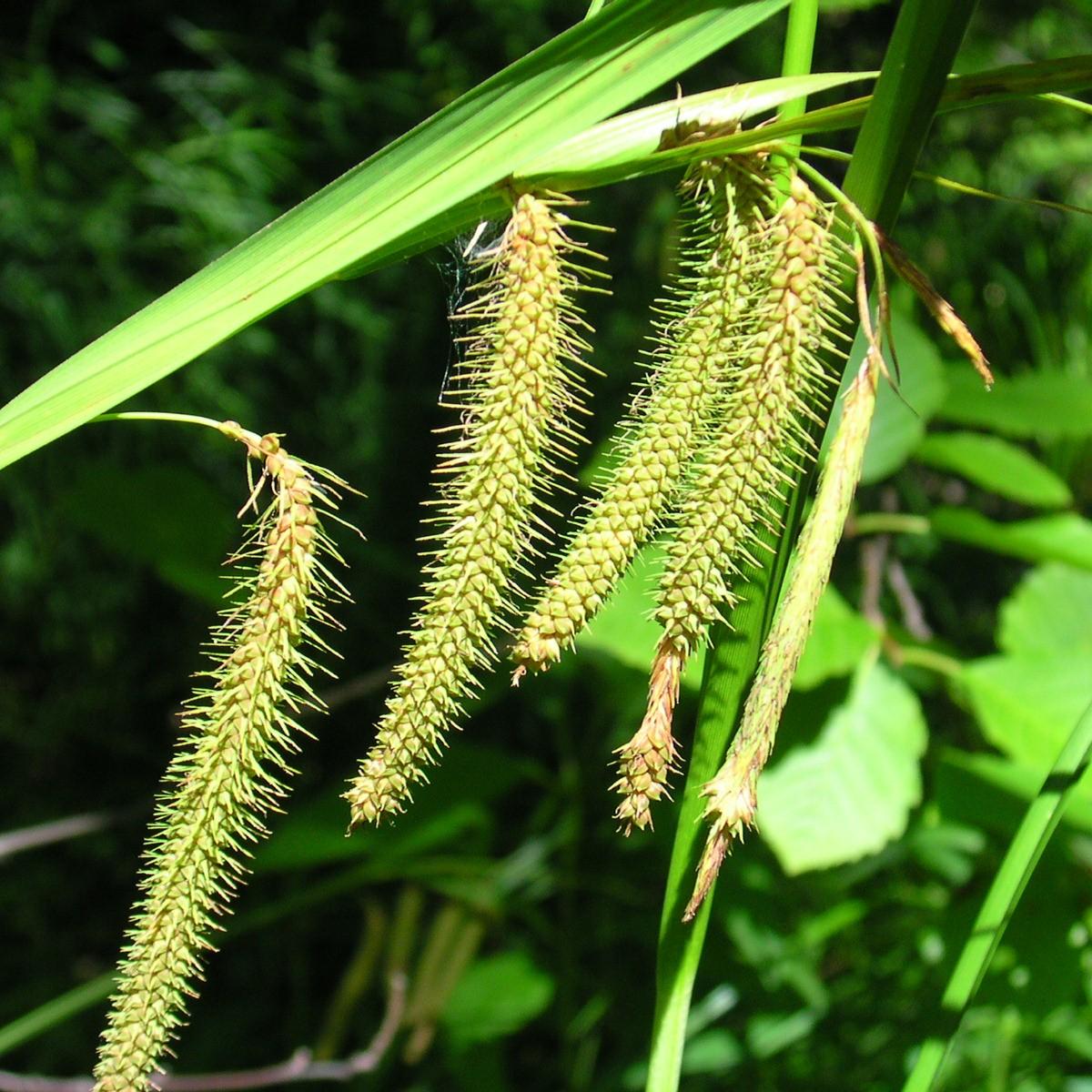
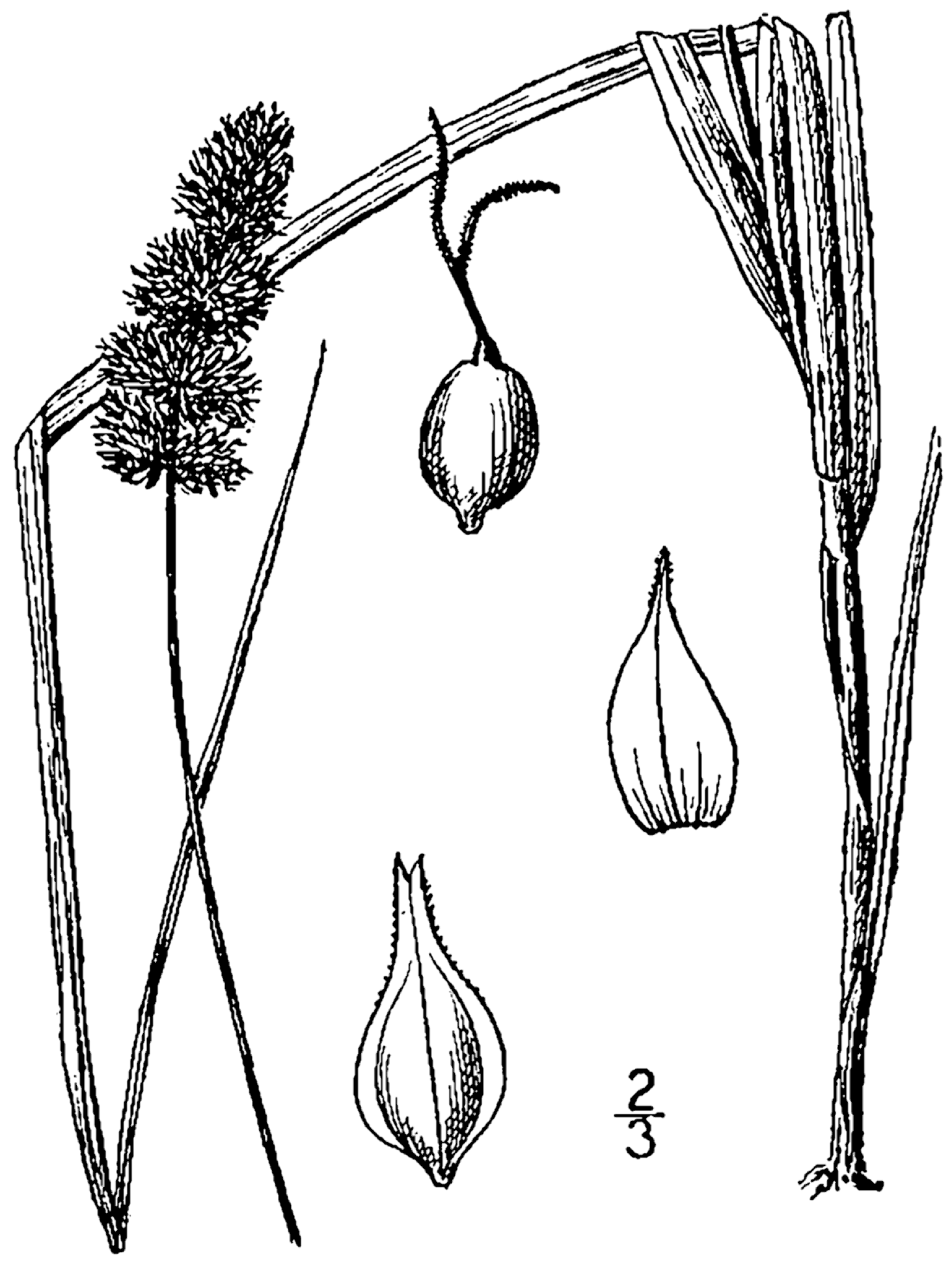
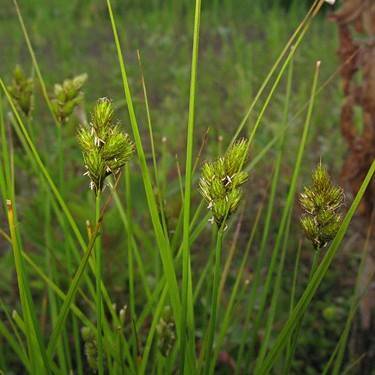
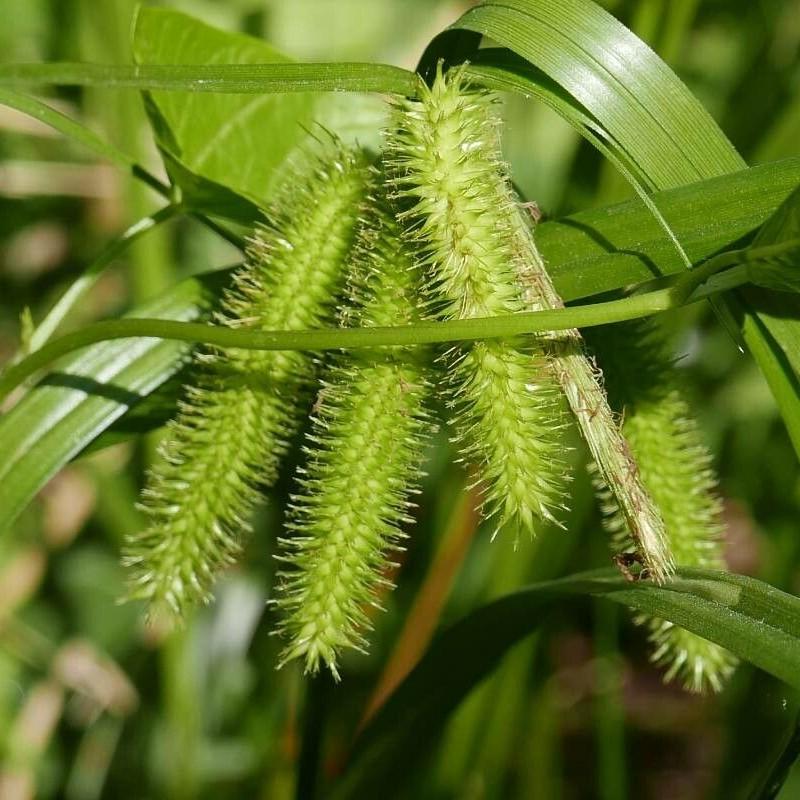
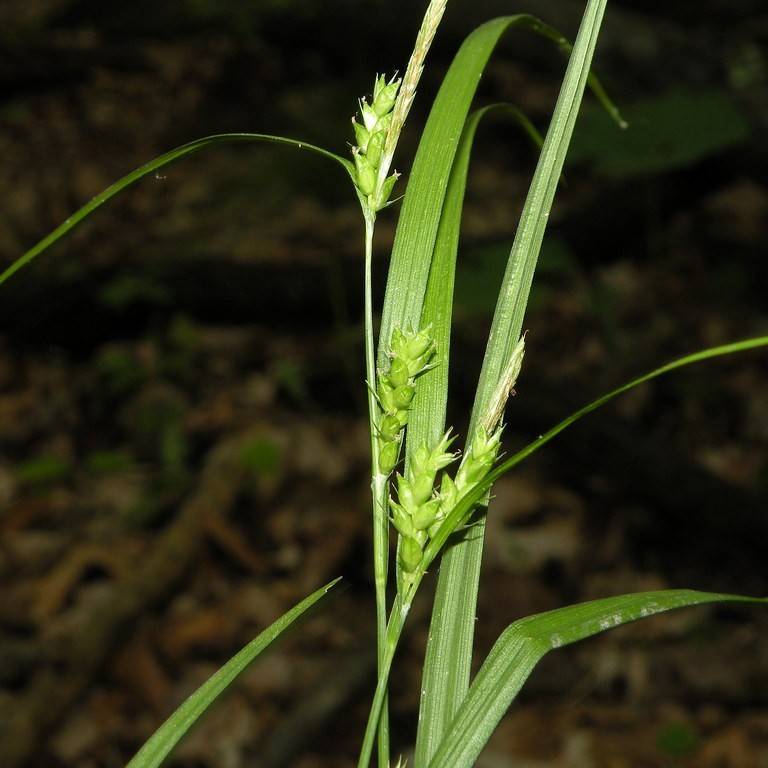
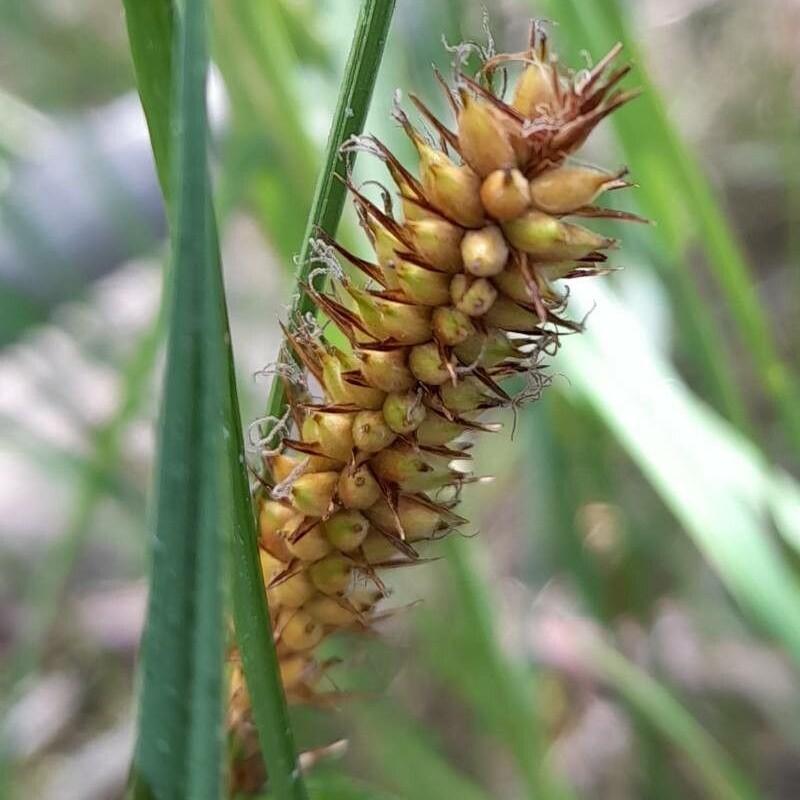
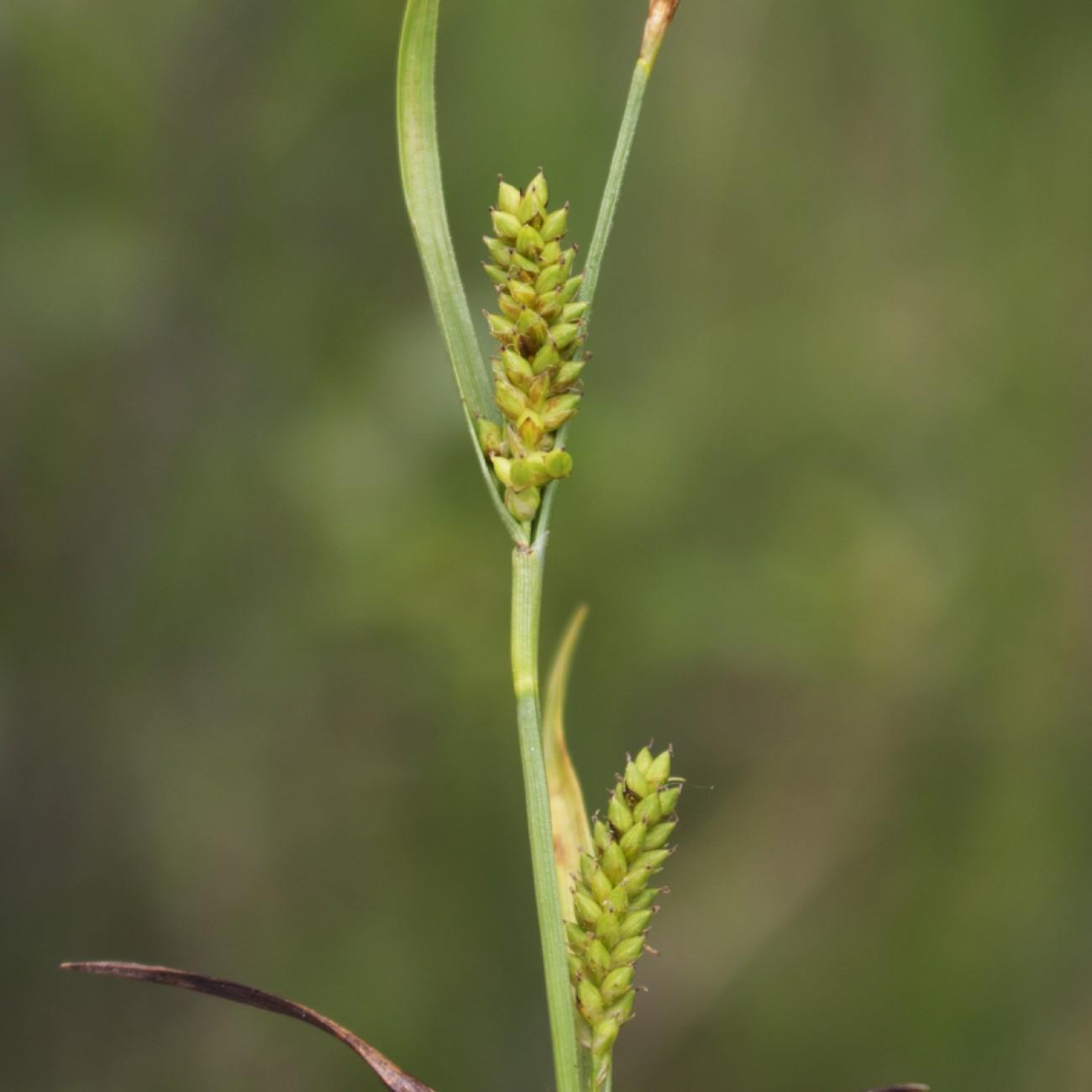
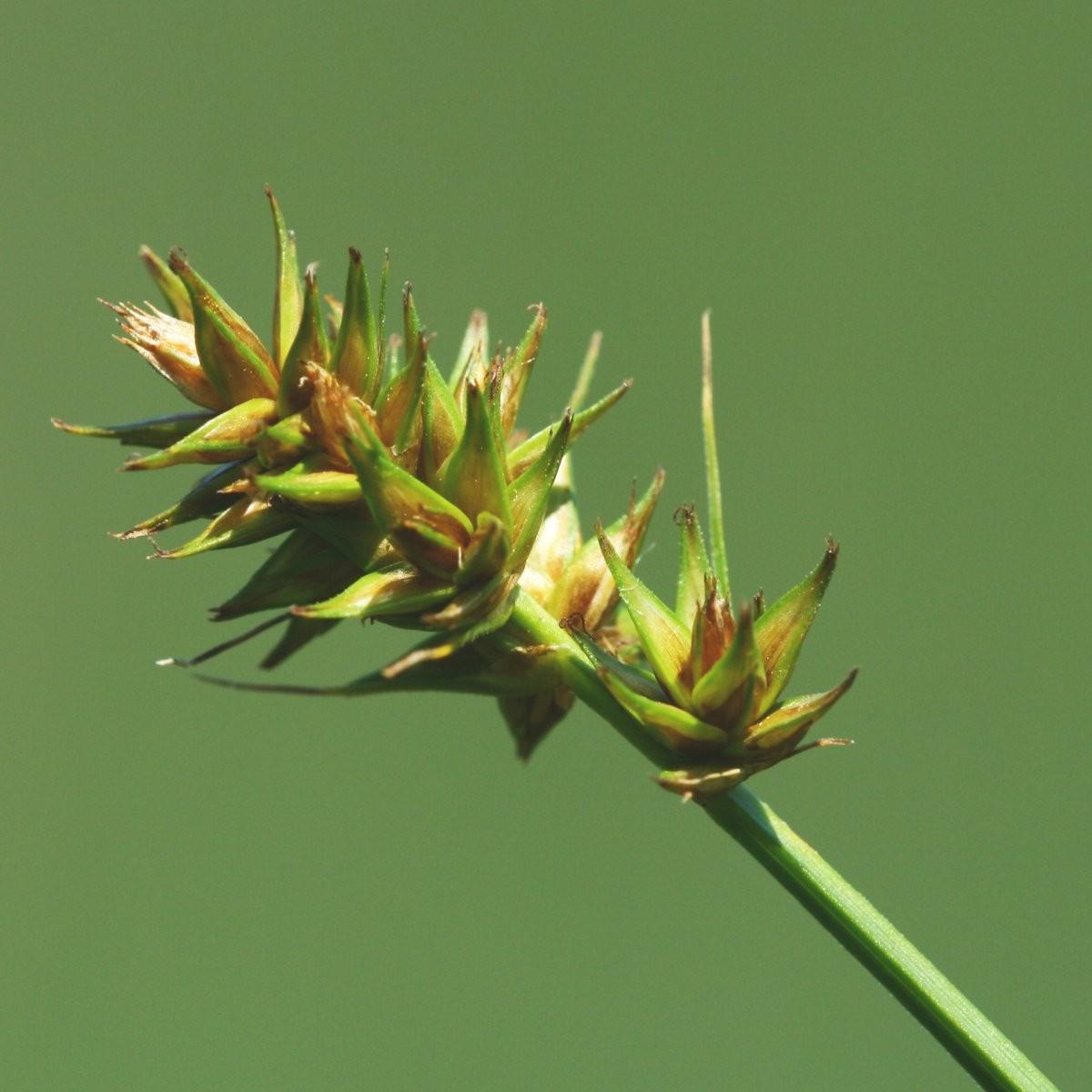
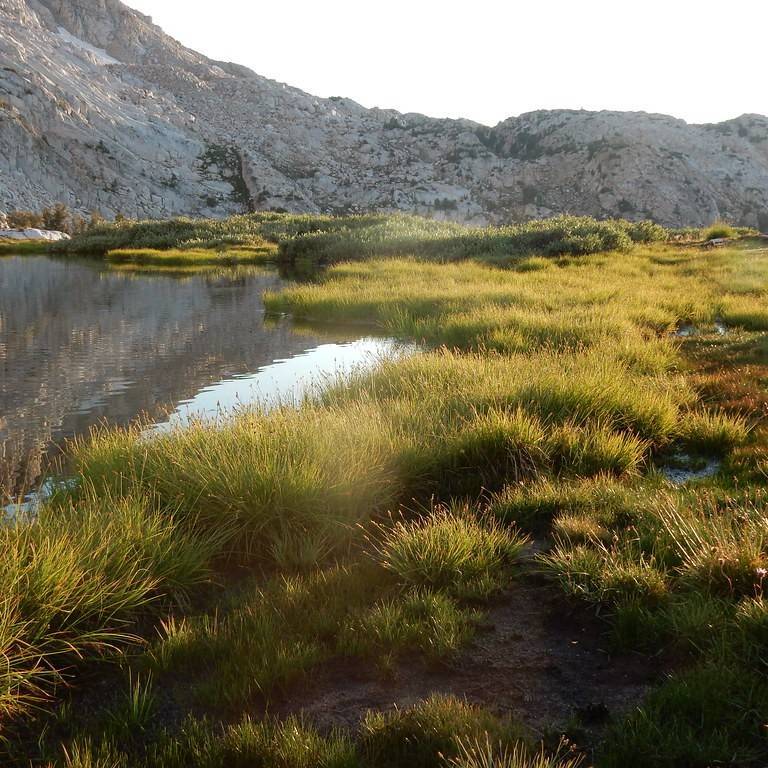
Hoary sedge is a low-maintenance, clumping herbaceous sedge distinguished by its fine, narrow, silvery-green foliage that takes on a frosted (hoary) appearance from tiny hairs on leaf blades. It produces inconspicuous, light brown spikelet flowers in late spring, held above the foliage on slender, arching stems. Naturally found in marshes, wet meadows, and riparian zones, it thrives in saturated soils that many other ornamental plants cannot tolerate.
Care Guide
Watering
Hoary sedge requires consistent moisture and even periodic shallow flooding, making it ideal for rain gardens or pond edges. Water deeply and frequently to keep soil perpetually damp, never allowing the root zone to dry out completely; it is highly tolerant of standing water for short periods. In drier landscape settings, apply a 2-inch layer of organic mulch to help retain soil moisture between waterings.
Light
This sedge grows best in full sun to partial shade, with optimal foliage color and clump density achieved in areas that receive 4-6 hours of direct sunlight daily. In hotter, southern portions of its range, provide afternoon shade to prevent leaf scorch and reduce moisture evaporation from the soil. It can tolerate deep shade, though growth may become sparse and flowering will be reduced.
Soil
Hoary sedge adapts to a wide range of soil types including clay, loam, and sandy soils, as long as moisture retention is high. It prefers acidic to neutral pH levels between 4.5 and 7.0, and thrives in nutrient-poor, boggy soils that are too wet for most other landscape plants. It will not perform well in fast-draining, sandy soils without regular supplemental watering.
Fertilizer
This low-nutrient adapted plant rarely requires fertilizer, especially when grown in its native wetland or rain garden settings. If grown in poor, depleted garden soil, apply a slow-release, balanced 10-10-10 fertilizer once in early spring at half the recommended label rate to support new growth. Avoid over-fertilizing, as this can cause excessive, floppy growth and reduce its natural hardiness.
Temperature
Hoary sedge is exceptionally cold-hardy, suitable for USDA zones 3 through 7, and tolerates winter temperatures as low as -40°F (-40°C) without protection. It prefers cool growing conditions and struggles in prolonged summer temperatures above 85°F (29°C), especially when paired with low humidity or dry soil. In warmer regions, plant it in shaded, consistently moist locations to help mitigate heat stress.
Pruning
Prune hoary sedge once annually in late winter or early spring, cutting back the entire clump to 2-3 inches above the soil line to remove dead foliage and make way for new spring growth. Trim away any brown, damaged, or diseased foliage throughout the growing season as needed to maintain a tidy appearance. Deadhead spent flower spikes after blooming if you prefer a neater look, though leaving them intact provides food for seed-eating birds.
Propagation
Hoary sedge is most easily propagated by division in early spring before new growth emerges, or in early fall after the summer heat has passed. Dig up the entire clump, use a sharp, sterile knife to split it into smaller sections, each with a healthy portion of roots and foliage, then replant sections at the same depth they grew previously. It can also be grown from seed sown directly outdoors in fall, as seeds require a period of cold stratification to germinate successfully.
Humidity
This plant thrives in moderate to high humidity levels typical of its native wetland habitats, and tolerates humidity levels as low as 30% as long as soil moisture remains consistent. In dry, indoor growing settings (rare for this species), mist foliage regularly or place the pot on a pebble tray filled with water to boost surrounding humidity. It is highly tolerant of humid, stagnant air common in boggy or low-lying landscape sites.
Repotting
Hoary sedge is rarely grown in containers, but if potted for water garden features, repot every 2-3 years in early spring to refresh the soil and prevent root overcrowding. Use a heavy, loam-based aquatic potting mix to keep the pot anchored in water, and choose a container with drainage holes to allow water to flow freely to the root zone. When repotting, divide overgrown clumps to maintain a manageable size and produce new plants.
Uses & Symbolism
Hoary sedge is widely planted in rain gardens, bioswales, and riparian restoration projects to stabilize eroding stream banks, filter stormwater runoff, and provide habitat for pollinators, waterfowl, and small wetland wildlife. Its silvery foliage provides cool-season texture contrast in perennial borders, cottage gardens, and ornamental water features, paired well with moisture-loving plants like iris and cattails. Historically, indigenous communities used its strong, flexible stems for weaving baskets and mats.
Diseases & Pests
Hoary sedge is largely pest and disease resistant, with very few issues when grown in its preferred moist, well-ventilated conditions. In overly stagnant, poorly aerated standing water, it may occasionally develop root rot, which can be prevented by ensuring soil is not permanently waterlogged more than a few inches deep. Aphids and spider mites may infest foliage during extended dry, hot periods, which can be controlled with a strong spray of water or insecticidal soap.
Related plants
Other plants you might like if you grow Hoary Sedge.