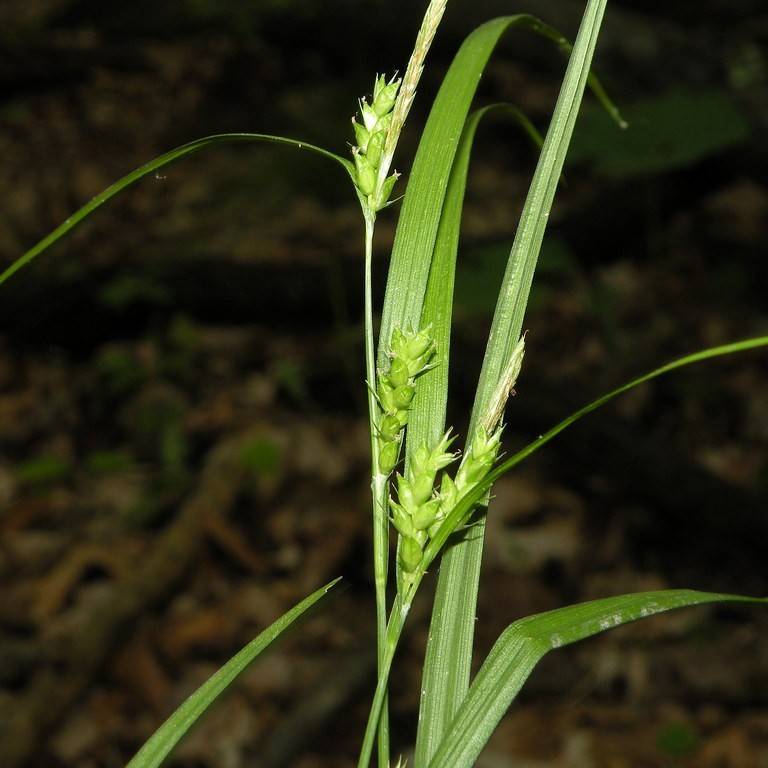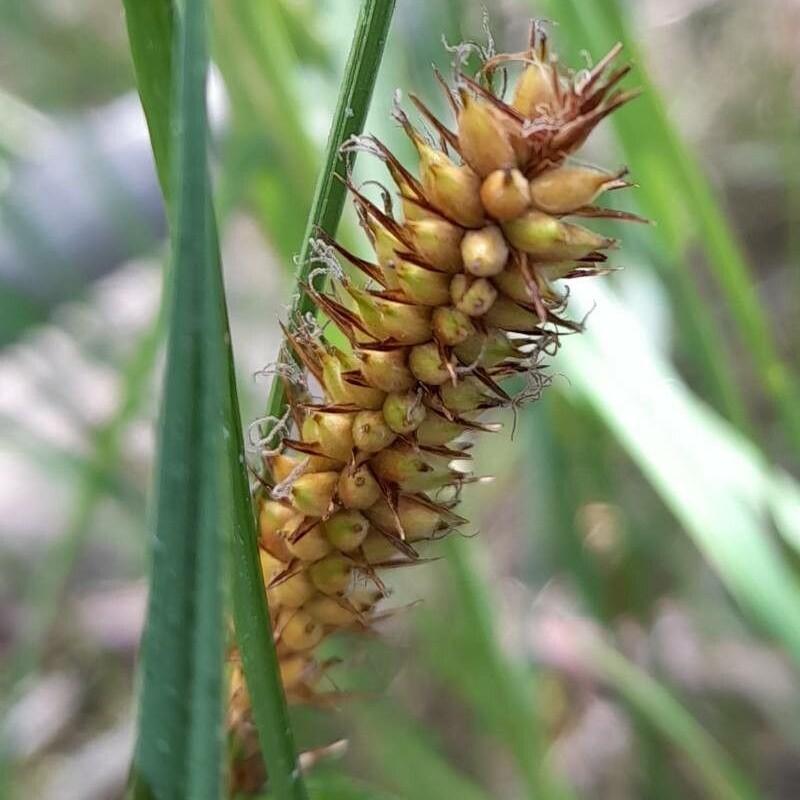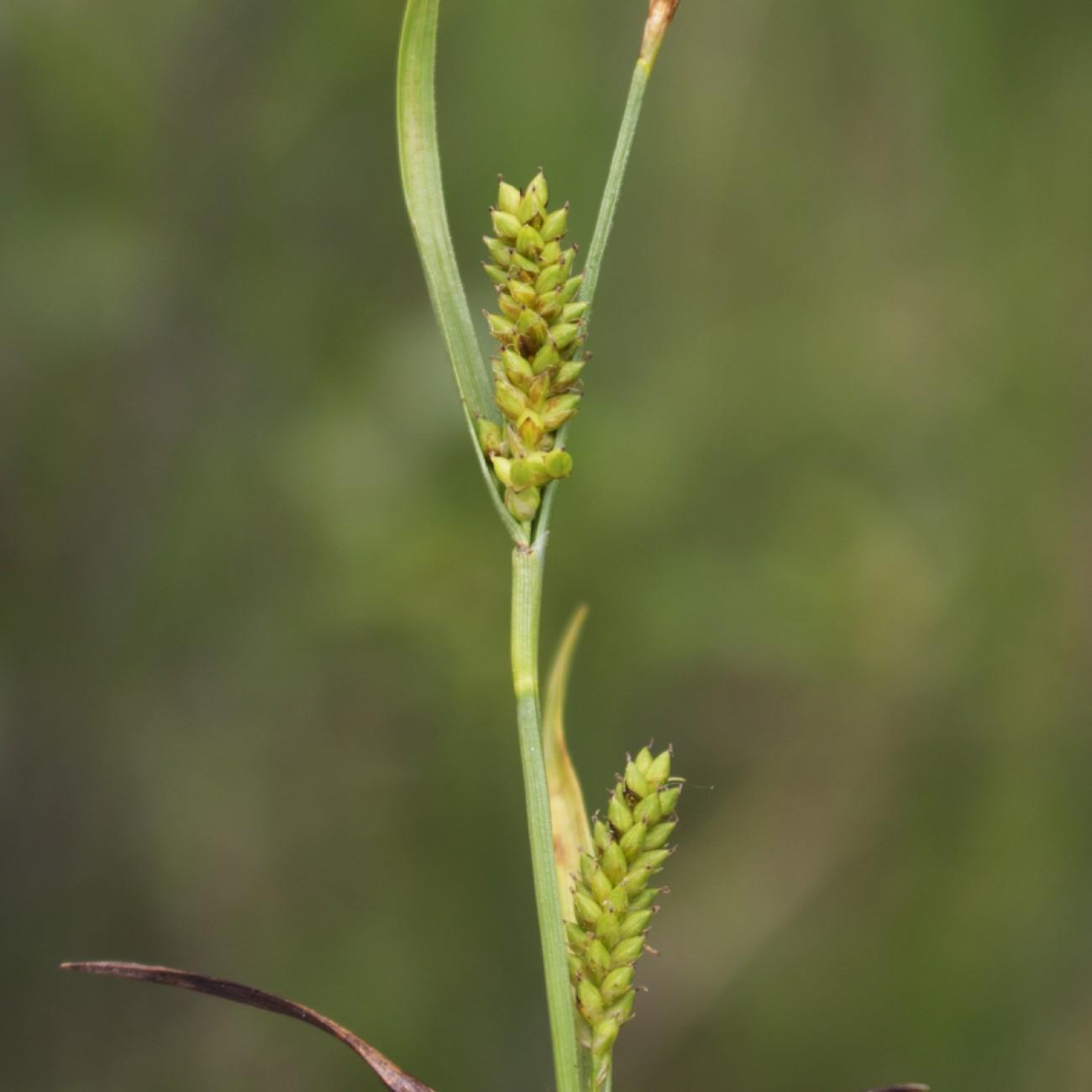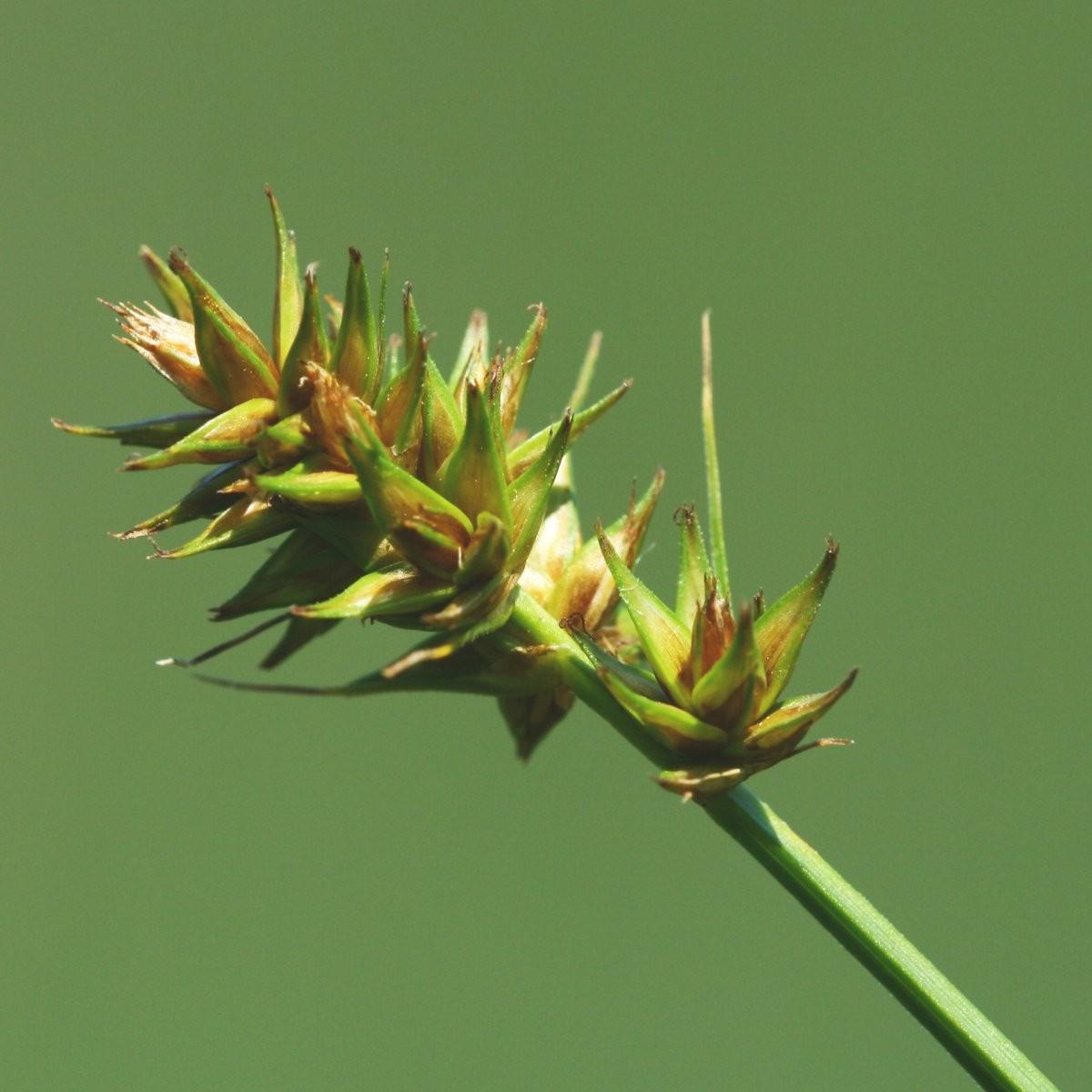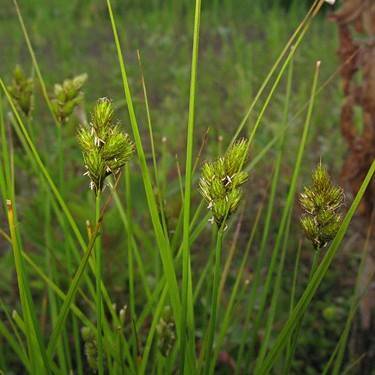
Crawford's Sedge
Carex crawfordii
Overview
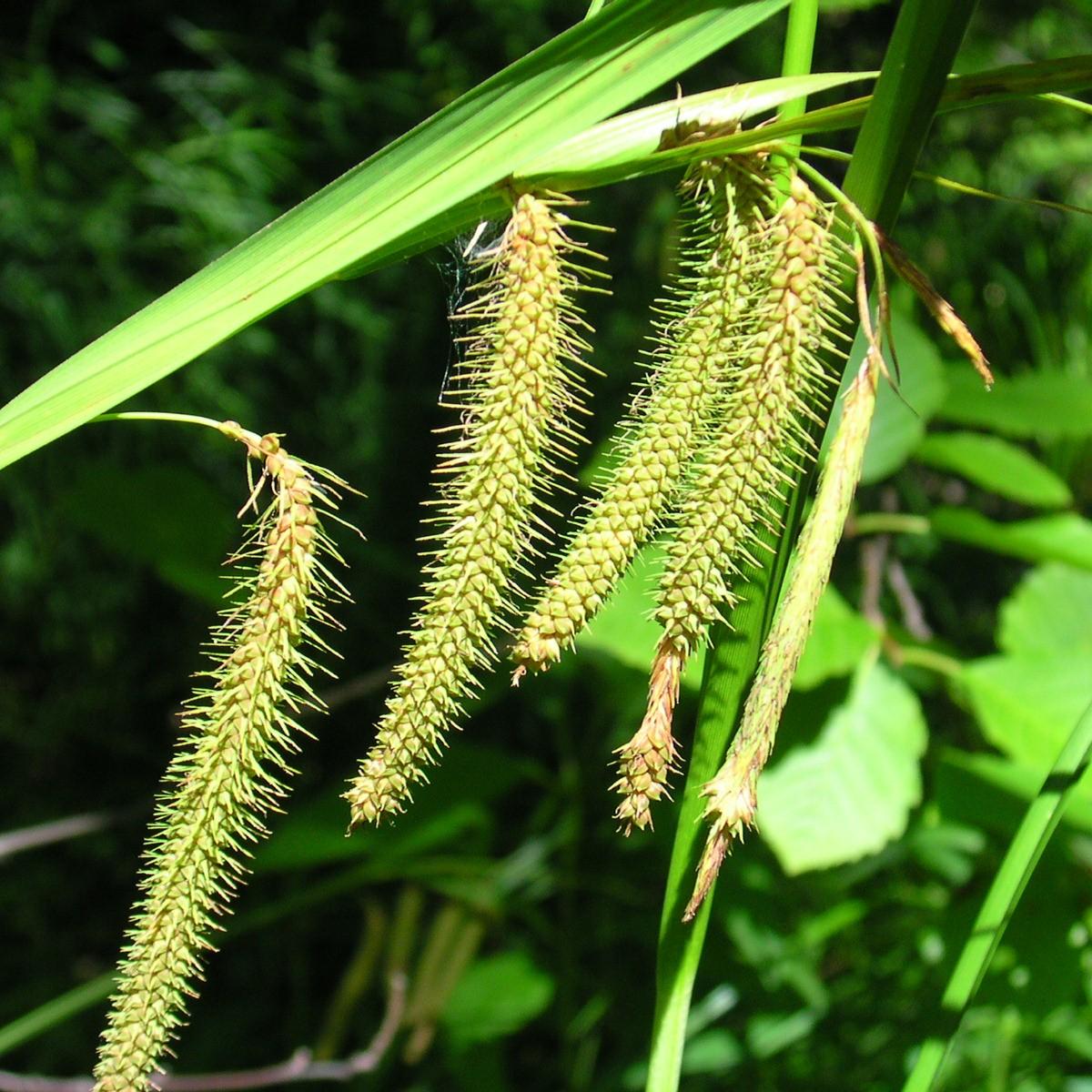
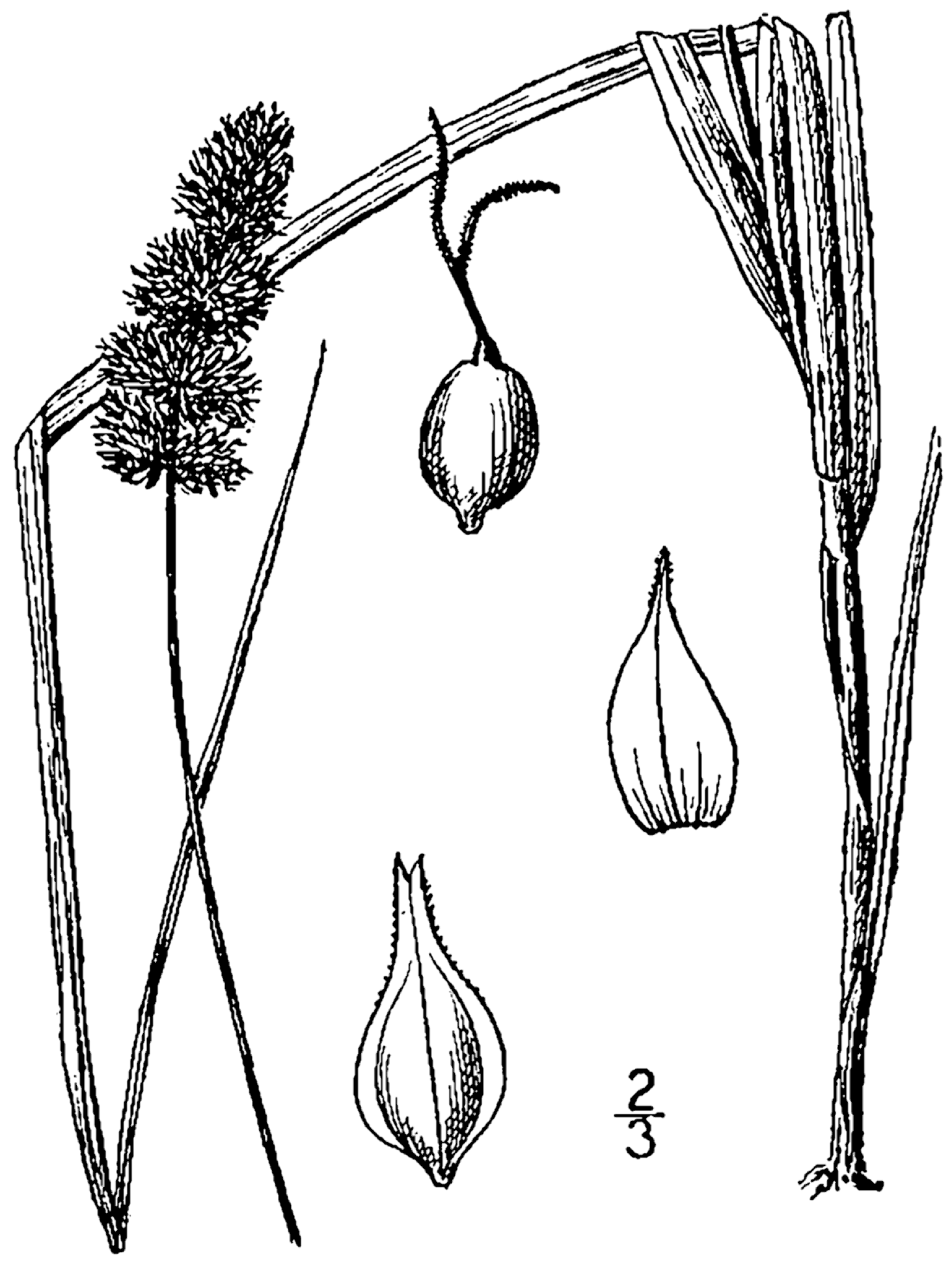
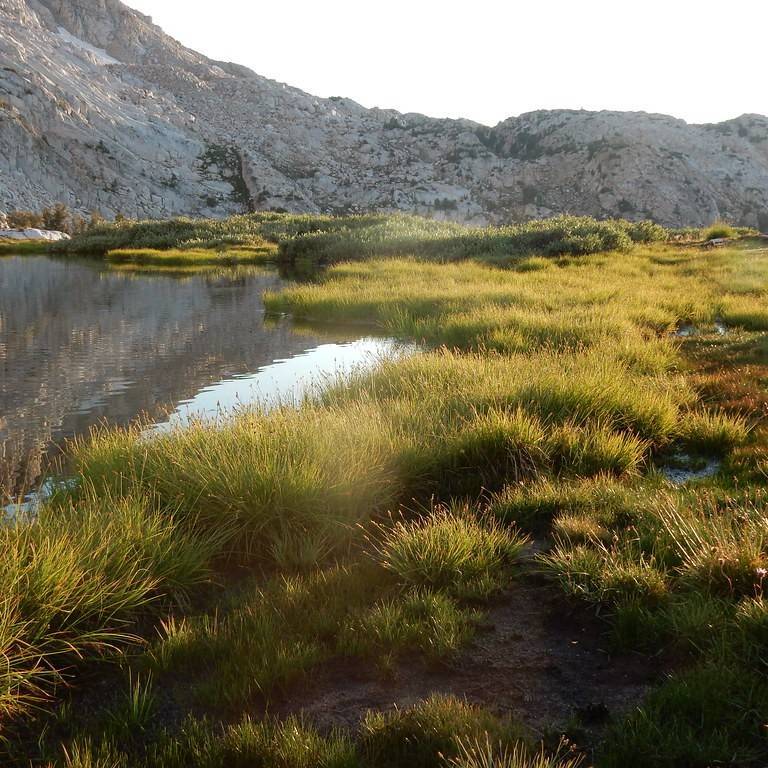
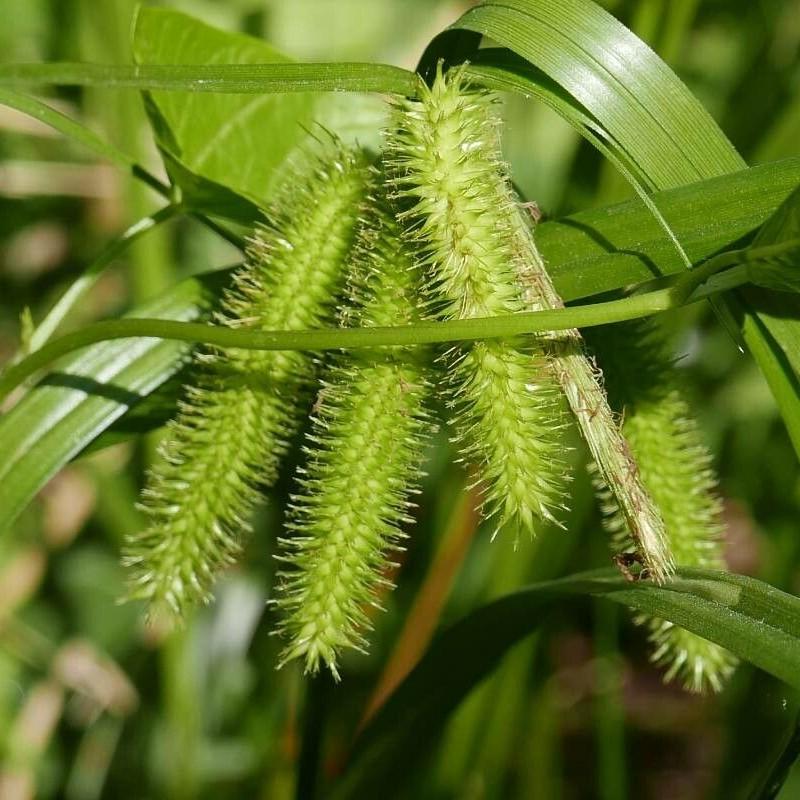
Carex crawfordii, commonly called Crawford's Sedge, is a cool-season, clumping sedge native to North America's wetland, meadow, and riparian habitats. It forms dense tufts of fine, arching green foliage that stays semi-evergreen in mild climates, producing small, inconspicuous brown spikelets in late spring to early summer. Adapted to moist, even seasonally flooded soils, it plays a key ecological role in stabilizing shorelines and supporting native pollinators and wetland wildlife.
Care Guide
Watering
Crawford's Sedge thrives in consistently moist to wet soil, requiring regular watering to keep root zones saturated, especially during periods of drought. It tolerates seasonal flooding for up to several weeks at a time, making it well suited for rain gardens or low-lying areas that collect excess water. Reduce watering slightly in winter when growth slows, but never allow the soil to dry out completely for extended periods.
Light
This sedge grows best in full sun to partial shade, with at least 4 hours of direct sunlight daily for optimal foliage density and seed production. In hotter southern portions of its range, it benefits from afternoon shade to prevent leaf scorch and reduce moisture loss. It can tolerate deep shade, but will produce sparser, more upright growth and fewer seed heads in low-light conditions.
Soil
Crawford's Sedge adapts to a wide range of soil types, including sandy loam, silty clay, and mucky wetland soils, with a preferred pH range of 5.0 to 7.5. It requires soil with high water retention capacity, though it can grow in average garden soil if supplemented with regular irrigation. Amending planting sites with organic matter such as compost or leaf mold will improve moisture retention and support healthy root growth.
Fertilizer
This native sedge is adapted to low-nutrient wetland soils and rarely requires supplemental fertilization in natural or garden settings. If grown in very poor, sandy soil, apply a balanced, slow-release 10-10-10 fertilizer once in early spring before new growth emerges, at half the recommended rate to avoid overfeeding. Avoid high-nitrogen fertilizers, as they can encourage excessive, weak foliage growth that is prone to lodging.
Temperature
Crawford's Sedge is extremely cold-hardy, thriving in USDA hardiness zones 3 through 7, and can withstand winter temperatures as low as -40°F (-40°C). It is a cool-season species, actively growing in spring and fall when temperatures range between 50°F and 75°F (10°C to 24°C), and may go semi-dormant during extended periods of high heat above 90°F (32°C). It tolerates light frost in fall without damage, and its foliage will stay green until sustained hard freezes occur.
Pruning
Pruning requirements for Crawford's Sedge are minimal; cut back the entire clump to 2-3 inches above the soil line in late winter or early spring before new growth emerges to remove dead or damaged foliage. If grown in formal garden settings, you can trim back stray, overhanging foliage mid-season to maintain a neat clump shape, though this is not necessary for plant health. Remove any spent seed heads in summer if you wish to prevent self-seeding, though volunteer seedlings are rarely aggressive and easy to pull if unwanted.
Propagation
Crawford's Sedge is most easily propagated by division in early spring just as new growth begins, or in early fall before the first frost; dig up mature clumps, split them into smaller sections with intact roots and foliage, and replant immediately at the same depth as the original plant. It can also be grown from seed, which requires a 60-day period of cold stratification to break dormancy, sown either directly outdoors in late fall or indoors in refrigerated conditions before spring planting. Seed-grown plants will take 1-2 years to reach mature clump size, while divided sections will establish and fill out within a single growing season.
Humidity
This wetland native prefers high humidity levels between 60% and 80%, typical of its native riparian and marsh habitats, and will suffer from browning leaf tips if exposed to prolonged dry air. When grown in dry garden settings, regular watering and mulching around the base of the plant will help maintain consistent ambient humidity around the foliage. It tolerates average indoor humidity if grown as a potted specimen near water features, but will require frequent misting in arid indoor environments.
Repotting
If grown in containers, Crawford's Sedge should be repotted every 2-3 years in early spring, before new growth emerges, to refresh the soil and prevent root binding. Choose a pot with ample drainage holes, and use a rich, moisture-retentive potting mix amended with peat moss or compost to support its high water needs. When repotting, you can divide large clumps into smaller sections to propagate new plants, and ensure each section is planted at the same depth it was growing previously to avoid root rot.
Uses & Symbolism
Crawford's Sedge is widely used in native landscaping for rain gardens, bioswales, shoreline stabilization, and wetland restoration projects, as its dense root system prevents erosion and filters excess nutrients and pollutants from runoff. It provides valuable habitat and food for native bees, caterpillars, seed-eating birds, and small wetland mammals, making it a popular choice for pollinator and wildlife gardens. It can also be planted as a low-maintenance, deer-resistant ground cover in moist, shady areas where traditional turf grass struggles to grow.
Diseases & Pests
Crawford's Sedge is relatively pest and disease resistant, though it can develop fungal leaf spot or rust in overly humid, poorly ventilated conditions, especially if foliage stays wet for extended periods. Root rot may occur if the plant is grown in poorly draining soil that is waterlogged for months at a time, outside of its normal seasonal flooding tolerance. Occasional aphids or spider mites may infest stressed plants, but these can be controlled with a strong spray of water or insecticidal soap, and rarely cause significant long-term damage.
Related plants
Other plants you might like if you grow Crawford's Sedge.