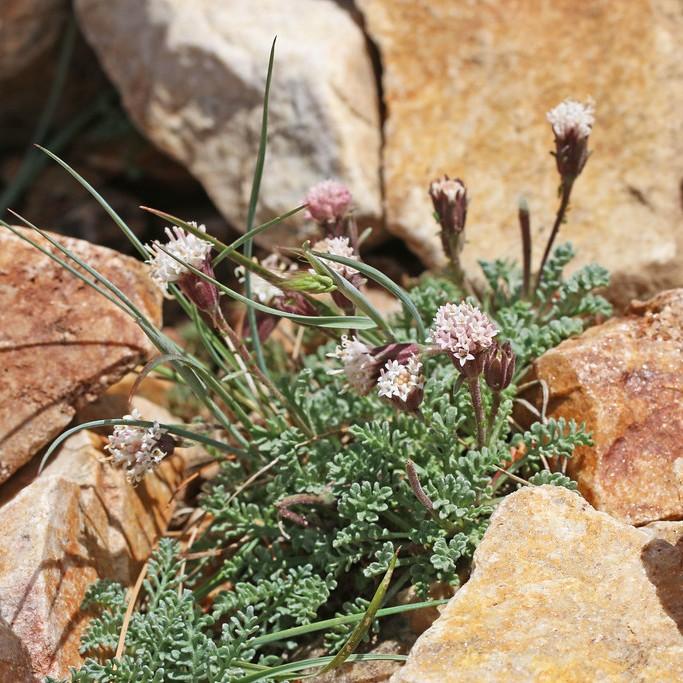
Hoary Pincushion
Chaenactis douglasii
Overview
Hoary Pincushion, also called Douglas' dustymaiden, is a hardy herbaceous perennial adapted to dry, open habitats including rocky slopes, sagebrush steppe, and pine forest clearings. Its distinct silvery-gray, fuzzy foliage gives it a 'hoary' appearance, while its compact, rounded flower heads bloom in dense clusters atop branching stems. It is a valuable pollinator plant, supporting native bees, butterflies, and other beneficial insects in its native range.
Care Guide
Watering
Hoary Pincushion is highly drought-tolerant once established, requiring only occasional deep watering during extended dry periods. Overwatering, especially in heavy soils, will quickly lead to root rot, so allow the soil to dry out completely between waterings. Newly planted specimens need light, regular watering for the first 2-3 months to help roots establish, then reduce frequency significantly.
Light
This plant thrives in full, direct sunlight, requiring a minimum of 6 hours of unobstructed sun per day to produce abundant blooms and maintain its compact growth habit. It can tolerate very light, dappled shade, but too much shade will cause leggy growth and reduced flowering. In extremely hot, arid climates, it can benefit from a small amount of afternoon shade to prevent leaf scorch.
Soil
Hoary Pincushion requires extremely well-drained, lean, low-fertility soil to thrive, with a preference for sandy, gravelly, or rocky substrates. It tolerates neutral to slightly alkaline pH levels, and will not survive in heavy, clay-rich soils that hold moisture for extended periods. Amending garden soil with coarse sand or gravel before planting will improve drainage enough to support healthy growth.
Fertilizer
This wildflower is adapted to low-nutrient environments and requires no regular fertilization to thrive. Excess nitrogen from fertilizers will cause overly lush, leggy foliage growth and reduce flowering. If grown in extremely poor, sterile soil, a single light application of low-nitrogen, slow-release fertilizer in early spring is sufficient to support growth for the entire growing season.
Temperature
Hoary Pincushion is extremely cold-hardy, tolerating winter temperatures as low as -30°F (-34°C) and thriving in USDA hardiness zones 3 through 8. It is also highly heat-tolerant, withstanding summer temperatures above 100°F (38°C) as long as it has proper drainage and is not overwatered. It is well-adapted to the large temperature fluctuations common in its native semi-arid and montane habitats.
Pruning
Minimal pruning is required for Hoary Pincushion. Deadheading spent flower heads throughout the blooming season will encourage additional flowering and prevent unwanted self-seeding if desired. In late fall or early spring, cut back the entire plant to 1-2 inches above the soil line to remove old, woody growth and promote fresh, healthy foliage for the new growing season.
Propagation
Hoary Pincushion is most easily propagated from seed, which can be sown directly outdoors in fall for natural cold stratification, or stratified in the refrigerator for 4-6 weeks before sowing in spring. Seeds require light to germinate, so sow them on the soil surface and only press lightly into the substrate, not covering them. It can also be propagated from basal cuttings taken in early spring, though this method is less reliable than seed propagation.
Humidity
This plant prefers low to moderate humidity levels, thriving in the dry air common to its native semi-arid and montane habitats. It does not tolerate high humidity well, especially when combined with warm temperatures and wet soil, as this increases the risk of fungal diseases. Good air circulation around the plant is essential to reduce moisture buildup on foliage and prevent rot.
Repotting
Hoary Pincushion is rarely grown in containers, as it prefers unrestricted root growth and lean, well-drained native soil. If grown in a pot, use a cactus or succulent potting mix amended with extra coarse sand or gravel for maximum drainage, and repot only when the plant has completely outgrown its container, which typically occurs every 2-3 years. Repot in early spring before new growth emerges, taking care not to damage the delicate taproot during the process.
Uses & Symbolism
Hoary Pincushion is a popular choice for native plant gardens, xeriscapes, rock gardens, and pollinator habitats, as it requires very little maintenance and supports a wide range of native beneficial insects. It is also used for restoration projects in disturbed dry habitats, as it is quick to establish and helps prevent soil erosion on rocky slopes. Historically, some Indigenous groups of western North America used parts of the plant for medicinal purposes to treat minor ailments.
Diseases & Pests
Hoary Pincushion is largely pest and disease resistant when grown in its preferred dry, well-drained conditions. Overwatering or poorly drained soil will lead to root rot, powdery mildew, and other fungal diseases, which can be avoided by proper watering practices and soil amendment. The only common pests are aphids, which may occasionally feed on new growth, and can be controlled with a strong spray of water or insecticidal soap if populations become large.
Related plants
Other plants you might like if you grow Hoary Pincushion.
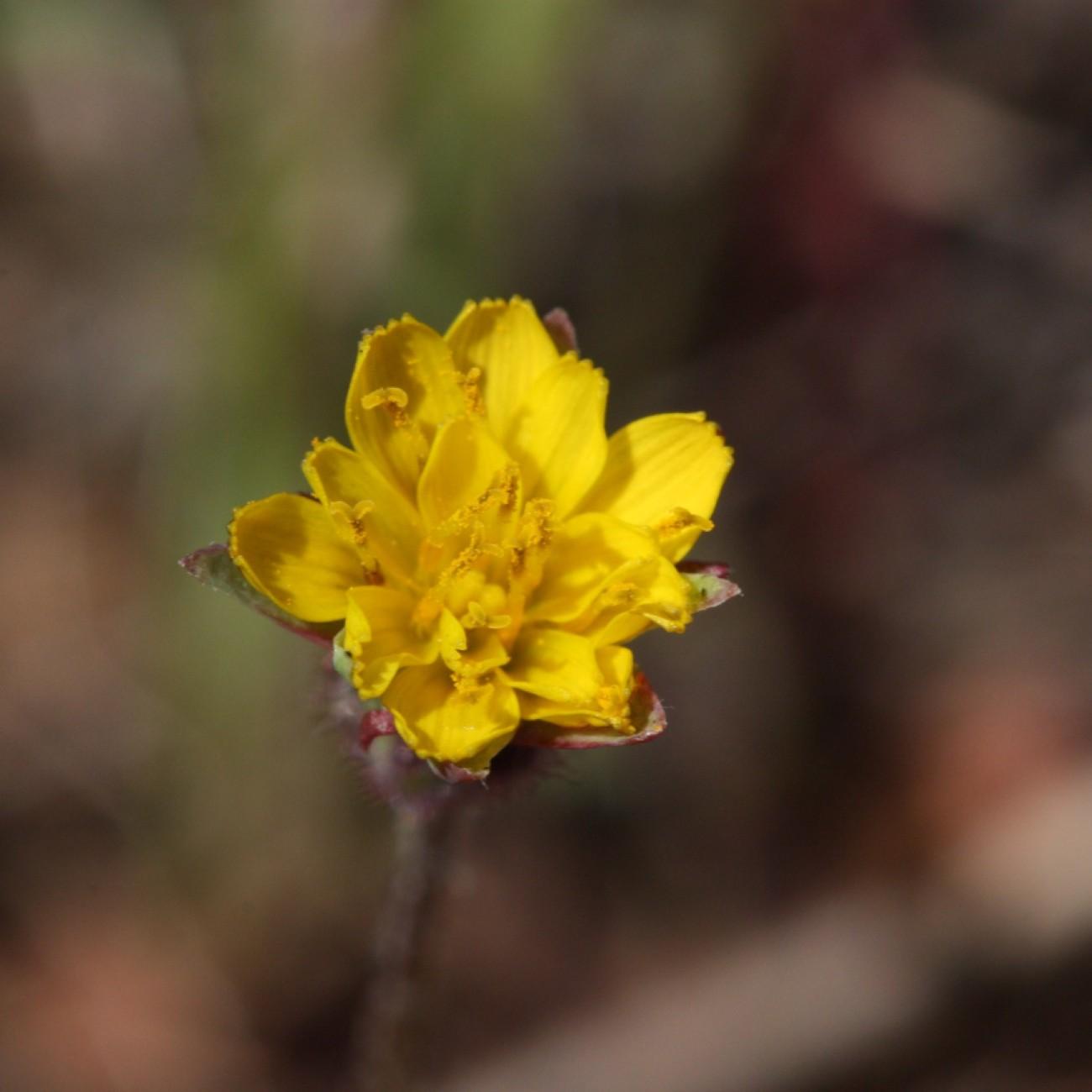
Annual Agoseris
Agoseris heterophylla
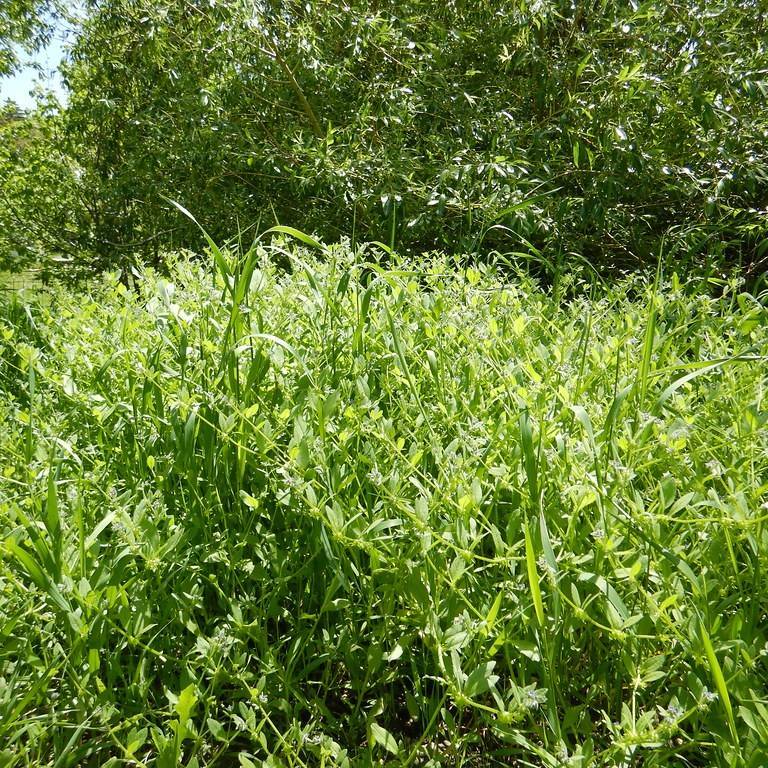
German Madwort
Asperugo procumbens
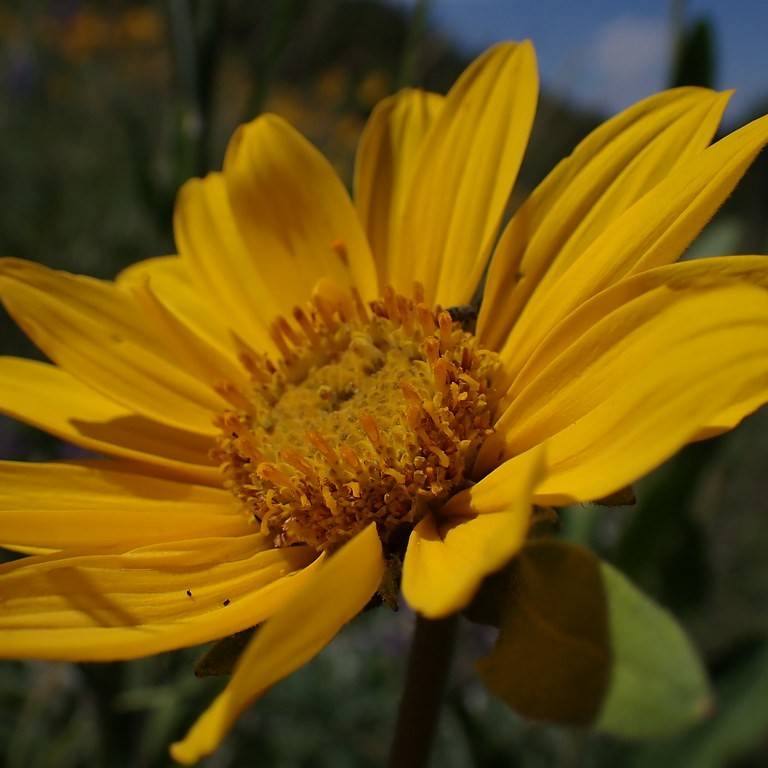
Arrowleaf Balsamroot
Balsamorhiza sagittata
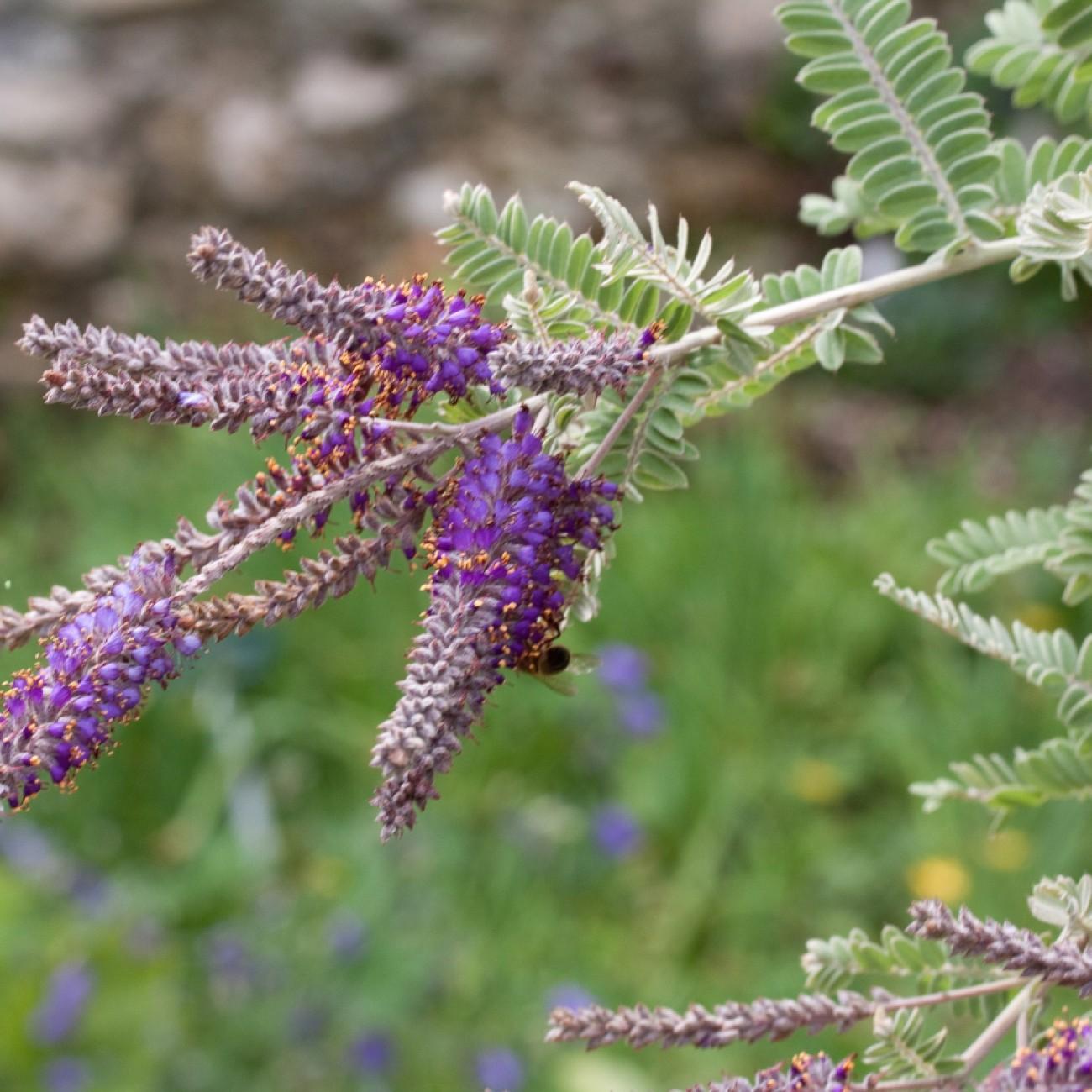
Dwarf False Indigo
Baptisia australis var. minor
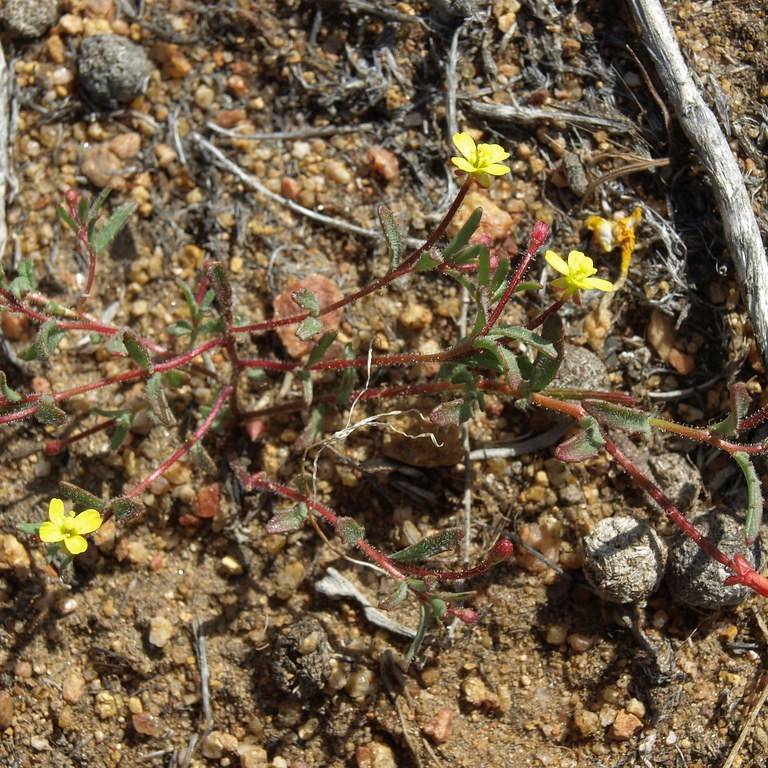
Dwarf Contorted Suncup
Camissonia contorta
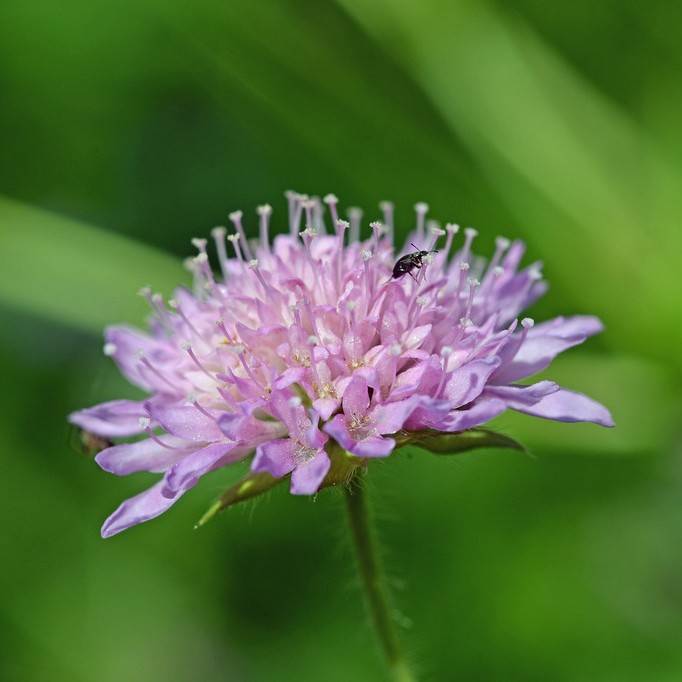
Field Scabious
Knautia arvensis
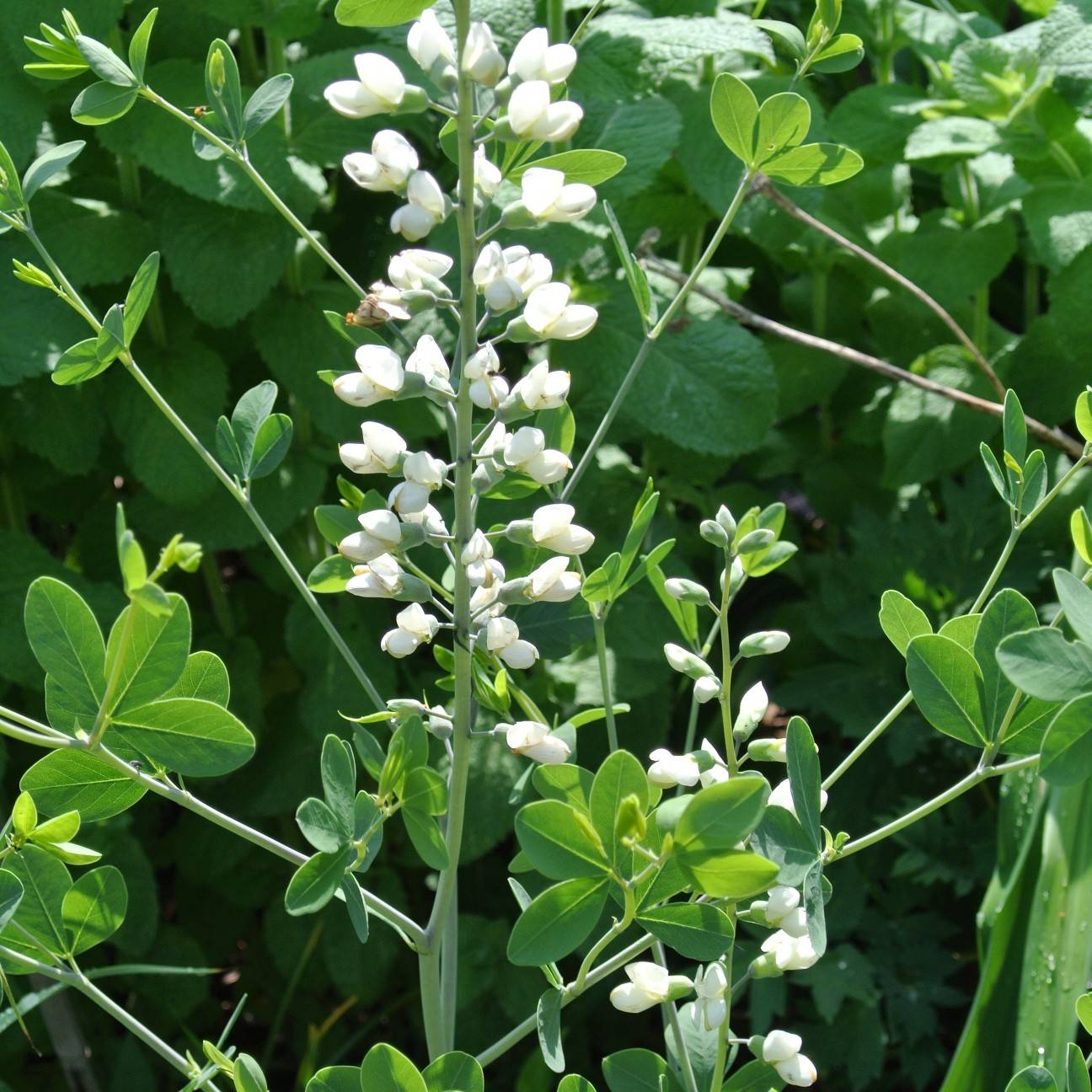
Largeleaf Wild Indigo
Baptisia macrophylla
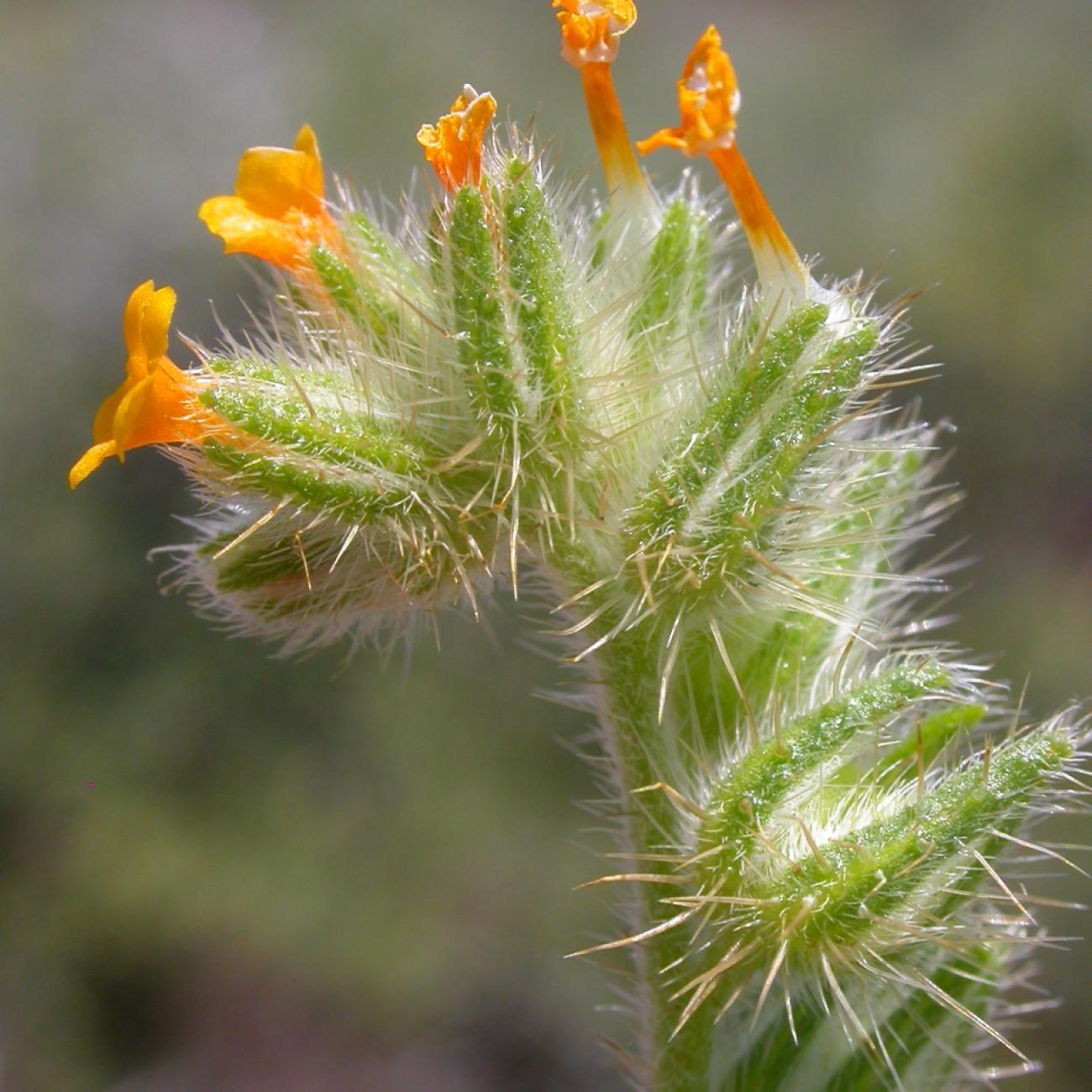
Bugloss Fiddleneck
Amsinckia tessellata