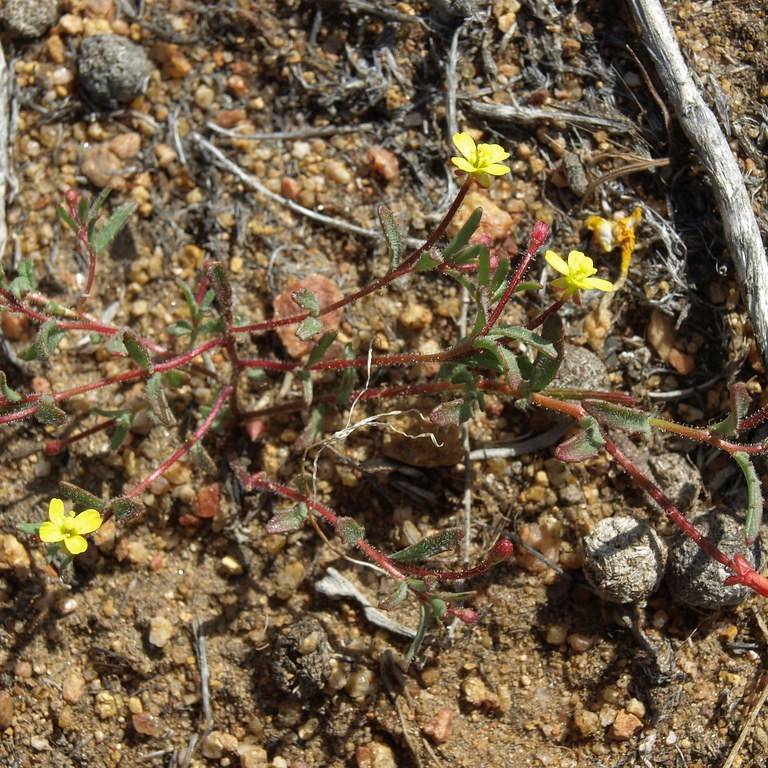
Dwarf Contorted Suncup
Camissonia contorta
Overview
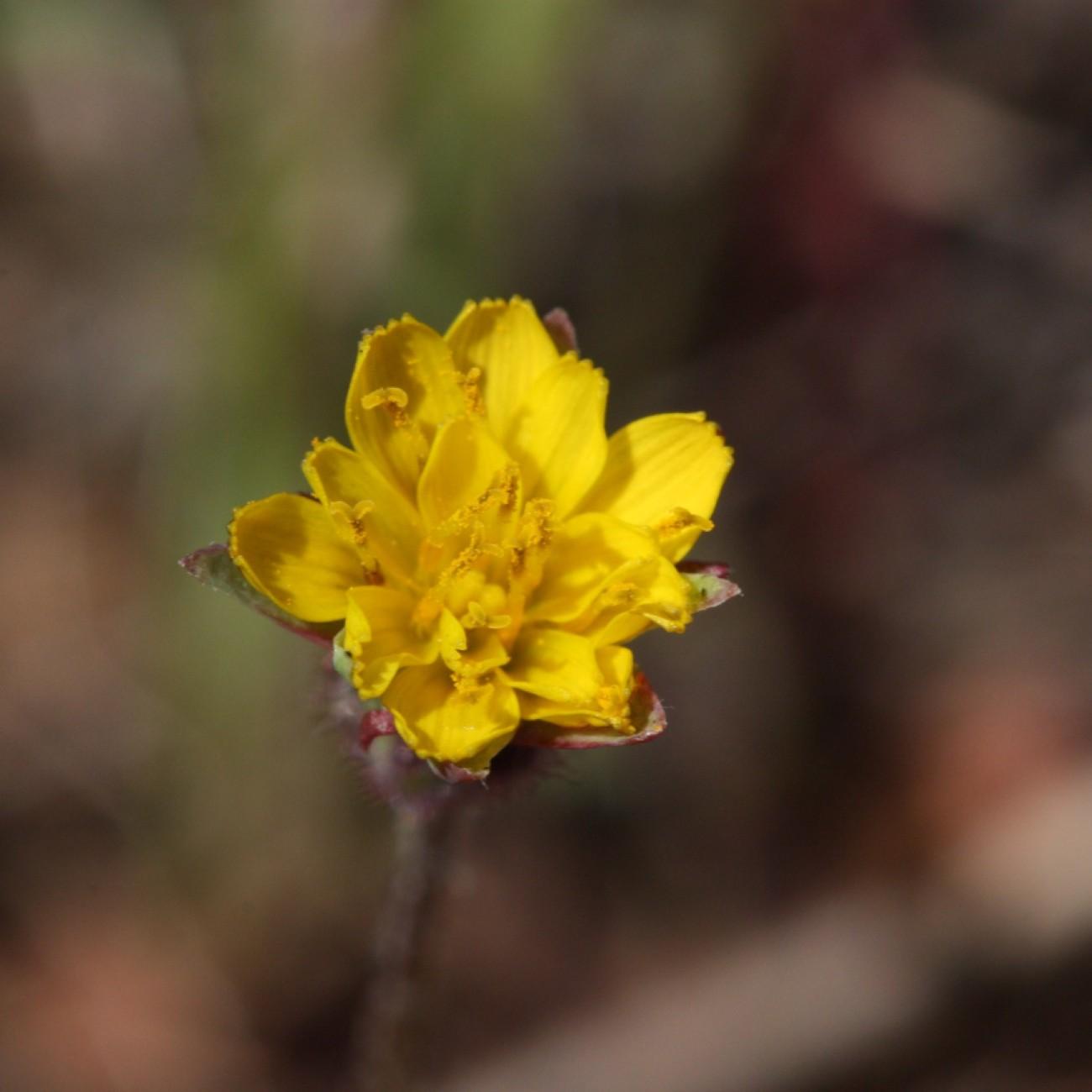
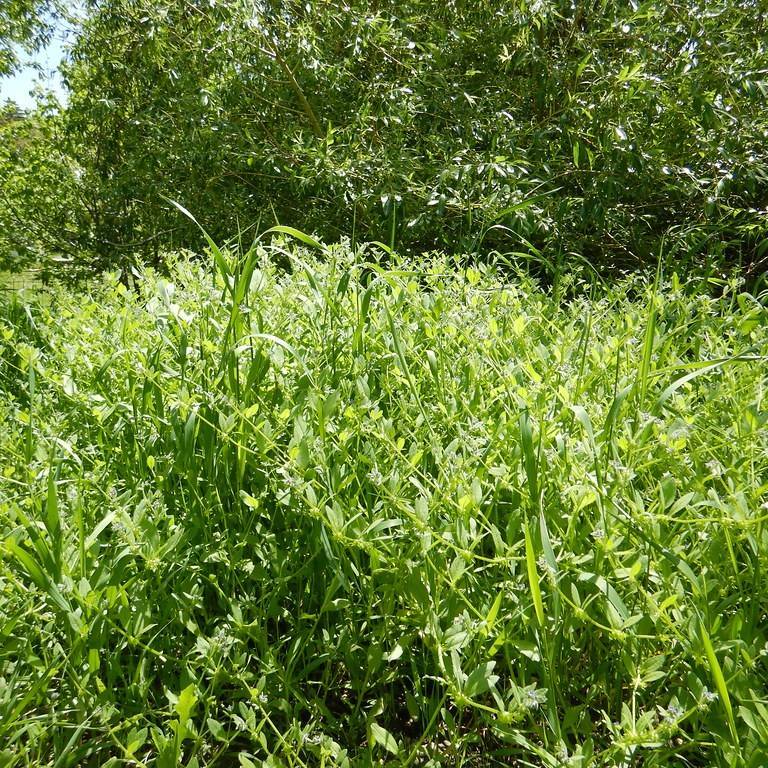
Dwarf Contorted Suncup is a petite annual herb named for its intricately twisted, reddish stems that spread into low, dense mats across sandy or gravelly soils. Its small, bright yellow four-petaled flowers open during the day, closing by late afternoon, and dot the foliage from early spring to mid-summer. It is highly adapted to dry, open ecosystems including grasslands, rocky slopes, and disturbed roadside sites, making it a tough, low-maintenance choice for water-wise gardens.
Care Guide
Watering
Dwarf Contorted Suncup is extremely drought-tolerant, requiring only occasional light water during extended dry periods once established; overwatering quickly leads to root rot and plant death. Water seedlings sparingly until they are well-rooted, then reduce frequency to match natural rainfall levels in most regions. Avoid overhead watering to keep foliage dry and prevent moisture-related issues.
Light
This species thrives in full, direct sunlight, requiring a minimum of 6 hours of unobstructed sun per day to produce abundant blooms and maintain its compact, contorted growth habit. It can tolerate very light partial shade, but shaded plants will become leggy, produce fewer flowers, and lose their characteristic twisted stem structure. Plant in an unshaded location for best performance.
Soil
Dwarf Contorted Suncup requires sharply drained, low-nutrient soil, preferring sandy, gravelly, or rocky substrates with minimal organic matter. It tolerates neutral to slightly alkaline pH levels and performs poorly in heavy clay or water-retentive soils that hold moisture around the root zone. Amending planting areas with coarse sand or gravel can improve drainage for garden-grown specimens.
Fertilizer
This wildflower is adapted to low-nutrient environments and does not require regular fertilization; excess nitrogen will promote leggy, weak growth and reduce flowering. If grown in extremely poor soil, a single light application of low-nitrogen, balanced fertilizer at planting time is sufficient for the entire growing season. Avoid applying high-nitrogen lawn fertilizers near planting sites.
Temperature
Dwarf Contorted Suncup thrives in cool to mild spring temperatures, with an optimal growing range of 50-80°F (10-27°C), and can tolerate light, short-duration frosts down to 25°F (-4°C) in early spring. It is heat-tolerant once established, though plants will naturally die back once summer temperatures consistently exceed 90°F (32°C) after setting seed. It is not frost-hardy and will not survive sustained freezes in winter.
Pruning
No regular pruning is required for this low-growing annual; spent blooms will naturally drop, and plants will self-sow if allowed to set seed at the end of the growing season. If you wish to prevent self-seeding, trim back plants after flowering finishes but before seed pods mature and split open. Remove any dead or diseased foliage as needed to maintain a tidy appearance.
Propagation
Dwarf Contorted Suncup is most easily propagated from seed, which can be sown directly outdoors in late fall or early spring once the risk of hard frost has passed. Seeds require light to germinate, so sow them on the soil surface without covering, and keep the top layer of soil lightly moist until seedlings emerge in 7-14 days. Plants readily self-sow in suitable growing conditions, with new seedlings appearing the following spring.
Humidity
This species prefers low to moderate humidity levels, thriving in the dry air typical of its native western North American habitats. High humidity, especially combined with warm temperatures, increases the risk of fungal leaf spots and root rot. Ensure good air circulation around plants to reduce moisture buildup on foliage in more humid growing regions.
Repotting
As a small, shallow-rooted annual, Dwarf Contorted Suncup is rarely repotted; it is typically grown directly in garden beds or sown in its final container if grown in pots. If starting seeds in seed trays, transplant seedlings to their final location once they develop 2-3 true leaves, taking care not to disturb the delicate root system. Container-grown plants do not need repotting during their single growing season.
Uses & Symbolism
Dwarf Contorted Suncup is an excellent choice for rock gardens, xeriscape landscapes, and native wildflower meadows, where its low matting growth fills in gaps between rocks and other drought-tolerant plants. Its bright yellow blooms provide a valuable early-season nectar source for native solitary bees and small pollinators. It is also well-suited for shallow container plantings and erosion control on dry, sloped sites with poor soil.
Diseases & Pests
Dwarf Contorted Suncup has very few pest or disease issues when grown in suitable well-drained soil and full sun; overwatering is the primary cause of problems, leading to fungal root rot and powdery mildew. Aphids may occasionally feed on young stem tips, but they can be controlled with a strong spray of water or insecticidal soap if populations become large. In humid conditions, fungal leaf spots may appear, which can be mitigated by improving air circulation and avoiding overhead watering.
Related plants
Other plants you might like if you grow Dwarf Contorted Suncup.