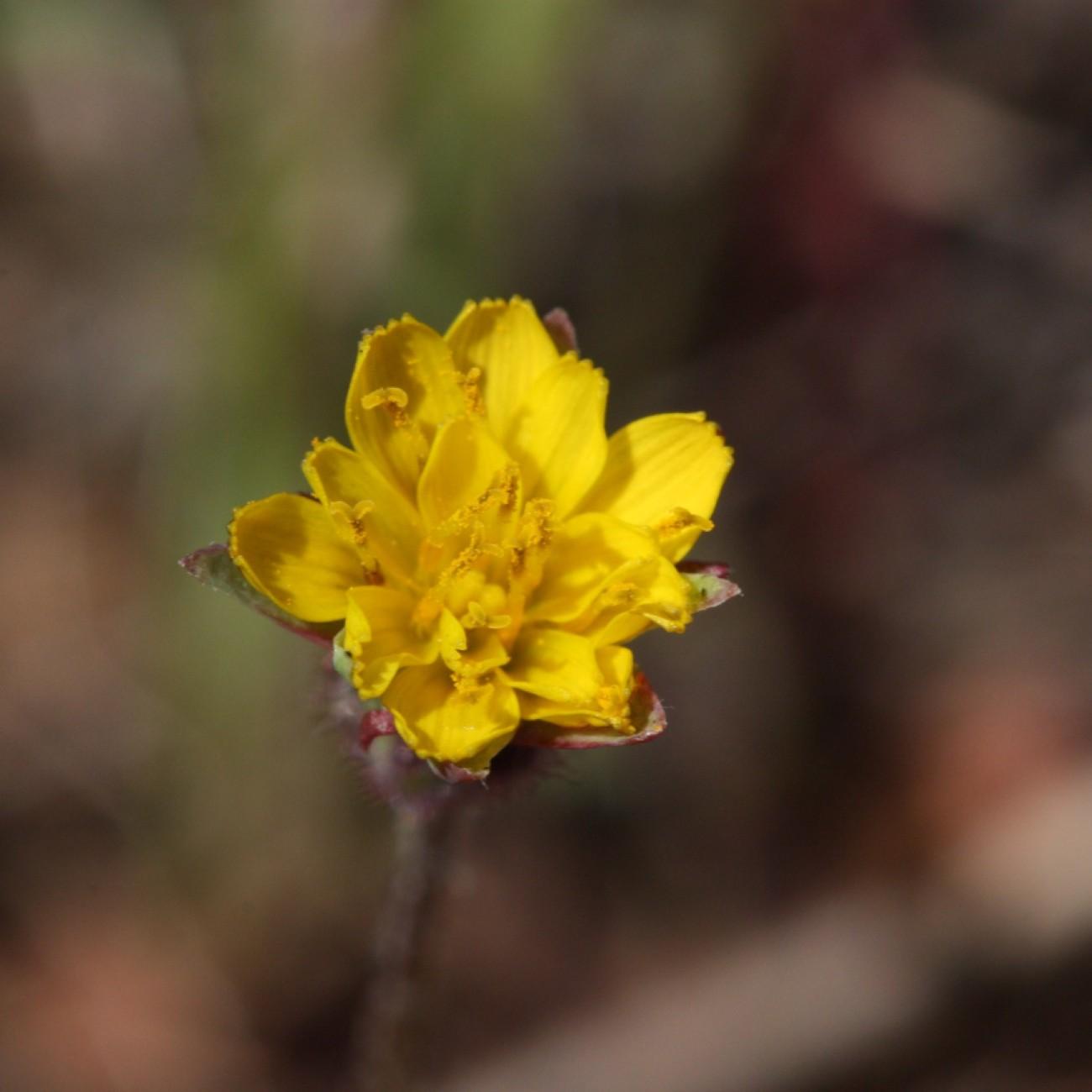
Annual Agoseris
Agoseris heterophylla
Overview
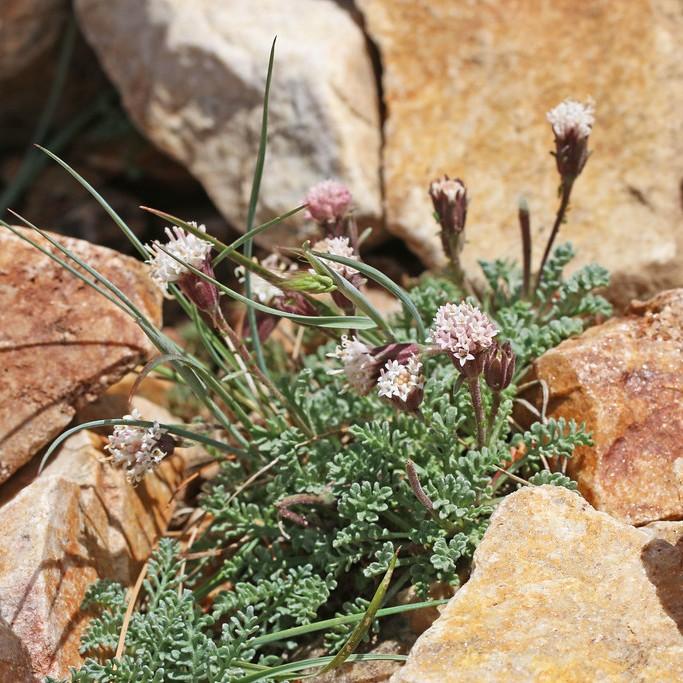
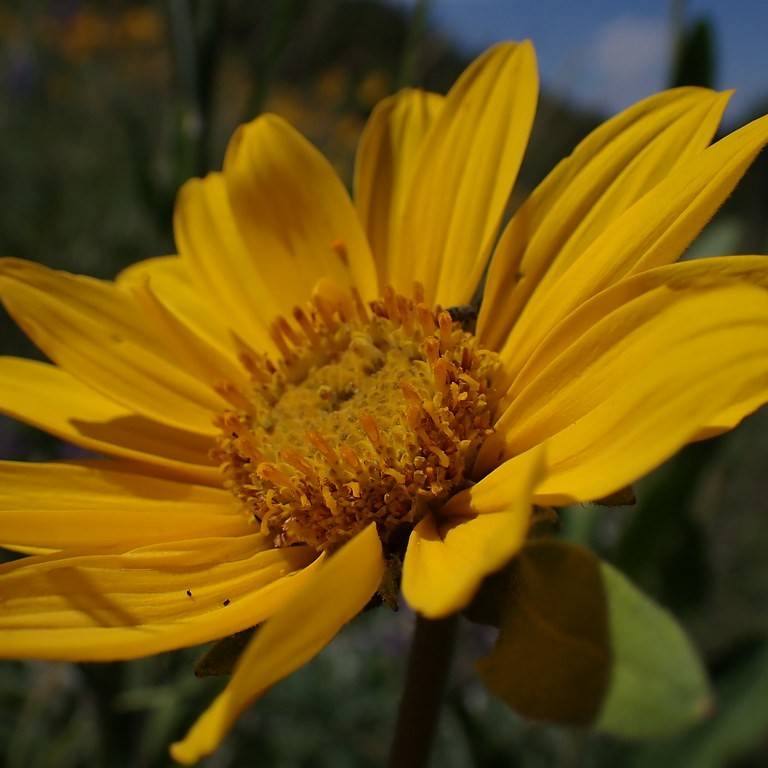
Annual agoseris is a hardy, adaptable wildflower that thrives in open, dry habitats including meadows, grasslands, chaparral, and disturbed sites. Its foliage forms a low basal rosette of lobed, fuzzy leaves, while slender, leafless stalks rise to bear bright yellow composite flower heads that closely resemble common dandelions. After blooming, it produces fluffy, wind-dispersed seed heads similar to dandelion puffs, allowing it to naturalize readily in suitable climates.
Care Guide
Watering
Annual agoseris is highly drought-tolerant, requiring only occasional supplemental water once established, as prolonged soggy soil will cause root rot. In its native range, it relies on natural seasonal rainfall, with extra water only needed during extended, unseasonable dry spells in the growing season. Allow the top several inches of soil to dry out completely between waterings to avoid overwatering.
Light
This species requires full, direct sunlight for at least six hours per day to produce healthy foliage and abundant blooms. It will not tolerate partial or full shade, which causes leggy growth and reduced flowering. Plant it in unobstructed, south-facing exposures for best performance.
Soil
Annual agoseris grows best in well-drained, sandy or gravelly loam soils with low to moderate fertility, as rich, overly amended soils promote excessive foliage growth at the expense of flowers. It tolerates a wide pH range from slightly acidic to slightly alkaline, and will even grow in poor, rocky soils where few other plants thrive. Heavy clay soils that hold moisture are unsuitable, as they lead to rapid root rot.
Fertilizer
Fertilization is generally unnecessary for annual agoseris, as it is adapted to low-nutrient wild habitats, and excess nutrients will reduce flowering and encourage weak, floppy growth. If grown in extremely poor, barren soil, a single, light application of a balanced, slow-release fertilizer in early spring can be applied at half the recommended rate. Avoid high-nitrogen fertilizers entirely, as they will prioritize leaf growth over bloom production.
Temperature
Annual agoseris thrives in warm, temperate to semi-arid climates, tolerating high summer temperatures up to 100°F (38°C) as long as it receives adequate drainage. It is frost-sensitive, with seeds germinating after the last frost date in spring, and plants dying back completely once fall frosts arrive. It can tolerate cool spring temperatures down to 32°F (0°C) but will not survive hard freezes.
Pruning
Pruning is not required for annual agoseris, though spent flower heads can be deadheaded if you wish to prevent self-seeding and spread in garden beds. If naturalization is desired, leave seed heads intact to allow the wind to disperse seeds for new plants the following growing season. At the end of the growing season after plants die back, remove dead basal rosettes to keep planting areas tidy.
Propagation
Annual agoseris propagates exclusively from seed, which can be sown directly outdoors in late fall or early spring after the last frost date. Seeds require no stratification, and will germinate readily in cool, moist soil with full sun exposure, usually sprouting within 7 to 14 days under ideal conditions. Allow plants to self-seed in naturalized areas for consistent yearly growth without additional sowing.
Humidity
This species prefers low to moderate humidity levels, and is well-adapted to the dry, arid conditions of its native western North American range. High humidity combined with warm temperatures increases the risk of fungal leaf spot and powdery mildew, so ensure plants have good air circulation to reduce moisture buildup on foliage. It does not require any misting or supplemental humidity adjustments.
Repotting
As a short-lived annual that grows best in direct ground plantings, repotting is rarely necessary for annual agoseris. If grown in containers, ensure the pot has ample drainage holes and use a fast-draining cactus or wildflower soil mix to prevent waterlogging. There is no need to repot once the plant is established in its container during its single growing season.
Uses & Symbolism
Annual agoseris is commonly used in native wildflower gardens, pollinator gardens, and xeriscaping projects, as its bright yellow blooms provide nectar for native bees, butterflies, and other beneficial pollinators. It is also useful for erosion control on dry, sloped sites, as its shallow root system helps stabilize poor, rocky soils with minimal water input. Indigenous peoples of its native range historically used the young leaves as a mild, slightly bitter edible green, either raw in salads or cooked like spinach.
Diseases & Pests
Annual agoseris has very few pest or disease issues, though it may develop fungal diseases such as powdery mildew or leaf spot in overly wet, humid conditions with poor air circulation. Aphids may occasionally feed on young flower stalks, but can be easily dislodged with a strong spray of water or controlled with insecticidal soap if populations become large. Overwatering and poorly draining soils are the most common causes of health issues, leading to rapid root rot and plant death.
Related plants
Other plants you might like if you grow Annual Agoseris.