German Madwort
Asperugo procumbens
Overview
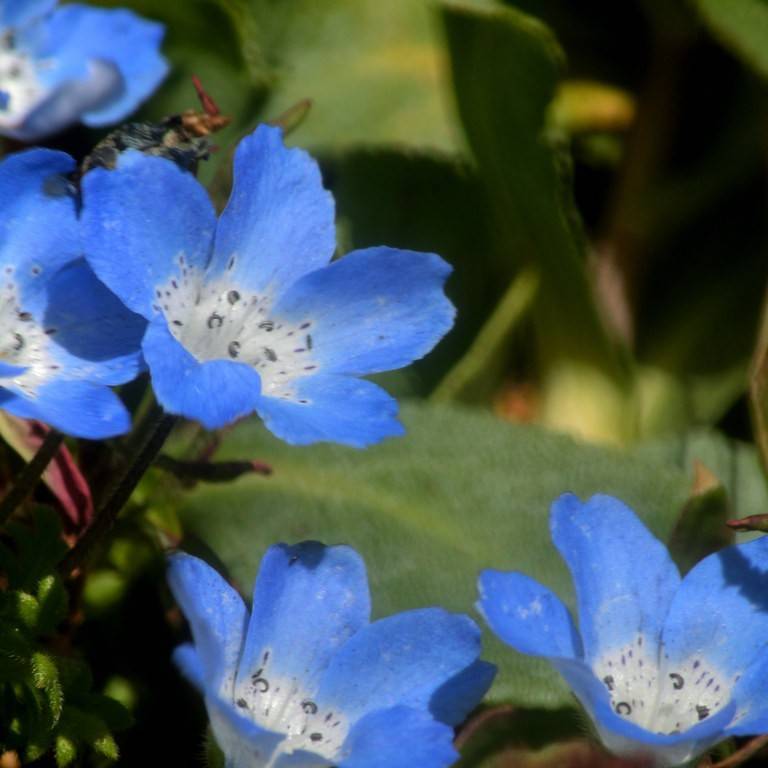
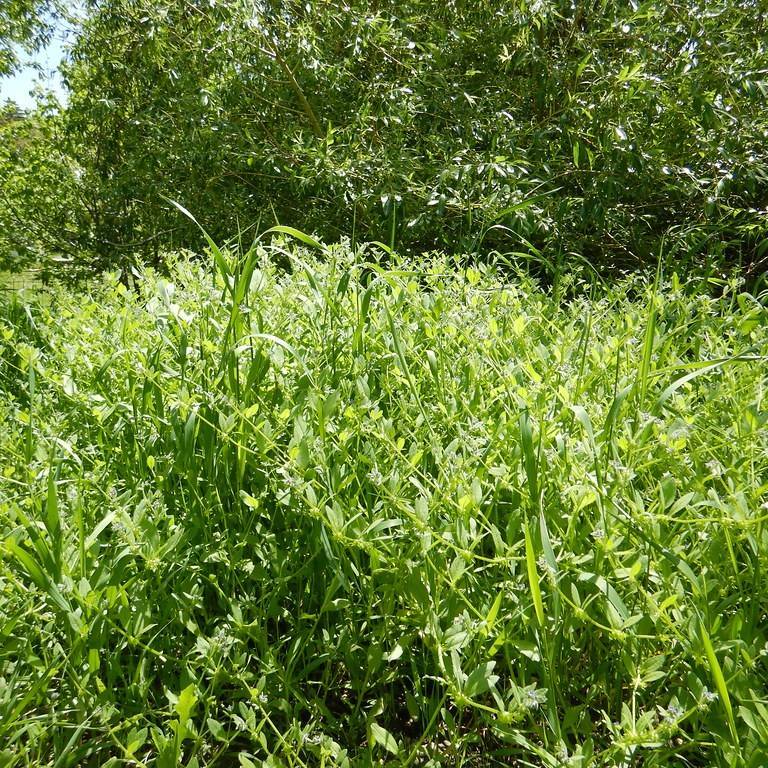
German madwort is a sprawling, mat-forming annual native to temperate Eurasia and North Africa, now naturalized in parts of North America. It produces tiny, funnel-shaped pale blue to violet flowers from late spring through early fall, paired with bristly, oblong green leaves that cling to clothing and animal fur to aid seed dispersal. Though sometimes considered a minor roadside weed, it is valued in wildflower gardens for its long bloom period and ability to support native bees and other pollinators.
Care Guide
Watering
German madwort is highly drought-tolerant once established, requiring only occasional watering during extended dry spells; overwatering will lead to root rot and weak, leggy growth. It thrives in dry to medium moisture conditions, and natural rainfall is usually sufficient for plants grown in outdoor garden beds. Container-grown specimens should be watered only when the top 2 inches of soil feel completely dry to the touch.
Light
This species grows best in full sun, requiring at least 6 hours of direct sunlight daily to produce abundant flowers and maintain a compact, healthy growth habit. It can tolerate partial shade, but flowering will be reduced and stems may become sparse and trailing as the plant stretches toward light. In extremely hot, arid climates, it benefits from light afternoon shade to prevent leaf scorch during the hottest summer months.
Soil
German madwort is adaptable to a wide range of soil types, including poor, sandy, rocky, and disturbed soils with low nutrient content. It requires sharply drained soil and will not tolerate waterlogged or heavy clay conditions that hold excess moisture around the root system. A neutral to slightly alkaline soil pH between 6.5 and 8.0 is ideal, though it can tolerate slightly acidic conditions as well.
Fertilizer
This low-maintenance annual does not require regular fertilization, as it thrives in low-nutrient soils; excess nitrogen will encourage lush foliage growth at the expense of flowers. If grown in extremely poor, depleted soil, a single application of a balanced, slow-release granular fertilizer at half the recommended strength can be applied at the time of planting in early spring. No additional feeding is needed for the remainder of the growing season.
Temperature
German madwort is adapted to temperate climates, growing best in average temperatures between 55 and 75°F (13 and 24°C) during its active growing season. It can tolerate light spring and fall frosts as low as 28°F (-2°C), but hard freezes will kill the plant, as it completes its full life cycle in a single growing season. It tolerates high summer temperatures well, especially when planted in well-drained soil and given minimal supplemental water.
Pruning
Pruning is generally unnecessary for German madwort, though you can trim back overgrown trailing stems in mid-summer if the plant spreads beyond its desired bounds in the garden. Deadheading spent flowers is not required, as it will bloom continuously throughout the season without intervention, though removing faded blooms can prevent excessive self-seeding if desired. At the end of the growing season, pull up and discard dead plants to reduce overwintering sites for pests and prevent unwanted spread in the garden.
Propagation
German madwort propagates readily from seed, which can be sown directly outdoors in early spring after the last frost date, or in late fall for overwintering and early spring germination. Seeds require no stratification, and will germinate in 7 to 14 days when kept in moist soil and temperatures between 60 and 70°F (15 and 21°C). The plant also self-seeds prolifically in favorable growing conditions, with volunteer seedlings emerging the following spring that can be easily transplanted to desired locations or pulled to control spread.
Humidity
German madwort prefers low to moderate humidity levels between 30 and 60%, which aligns with its native habitat in dry, open grasslands and disturbed areas. It does not tolerate high humidity well, as prolonged moist conditions can encourage fungal leaf spot diseases and root rot, especially when paired with poor air circulation. Good spacing between plants to promote airflow is recommended in more humid climates to reduce disease risk.
Repotting
As a short-lived annual, German madwort is rarely grown in containers long enough to require repotting. If started in small seedling pots, it can be transplanted once to its final container or garden bed when seedlings have developed 2 to 3 sets of true leaves, taking care not to disturb the delicate root system. Container-grown specimens should be planted in a pot with ample drainage holes filled with a well-drained, sandy potting mix to prevent waterlogging.
Uses & Symbolism
German madwort is primarily used in wildflower meadows, rock gardens, and pollinator gardens as a low-growing ground cover that provides a long-lasting nectar source for native bees, hoverflies, and other beneficial insects. It is also sometimes included in seed mixes for erosion control on disturbed sites, as its sprawling root system helps stabilize soil and its hardy nature allows it to establish quickly in poor, bare ground. Historically, the plant was used in traditional European folk medicine as a mild astringent and diuretic, though it is rarely used for medicinal purposes today.
Diseases & Pests
German madwort is relatively pest and disease resistant, though it can be susceptible to fungal leaf spot and powdery mildew in conditions of high humidity, poor air circulation, or excessive overhead watering. Aphids and spider mites may occasionally infest stressed plants, especially those grown in overly shaded or overwatered conditions, and can be controlled with insecticidal soap or a strong spray of water to dislodge the pests. Root rot is the most common issue for this species, caused by overwatering or poorly drained soil, and can be prevented by allowing the soil to dry out completely between waterings.
Related plants
Other plants you might like if you grow German Madwort.