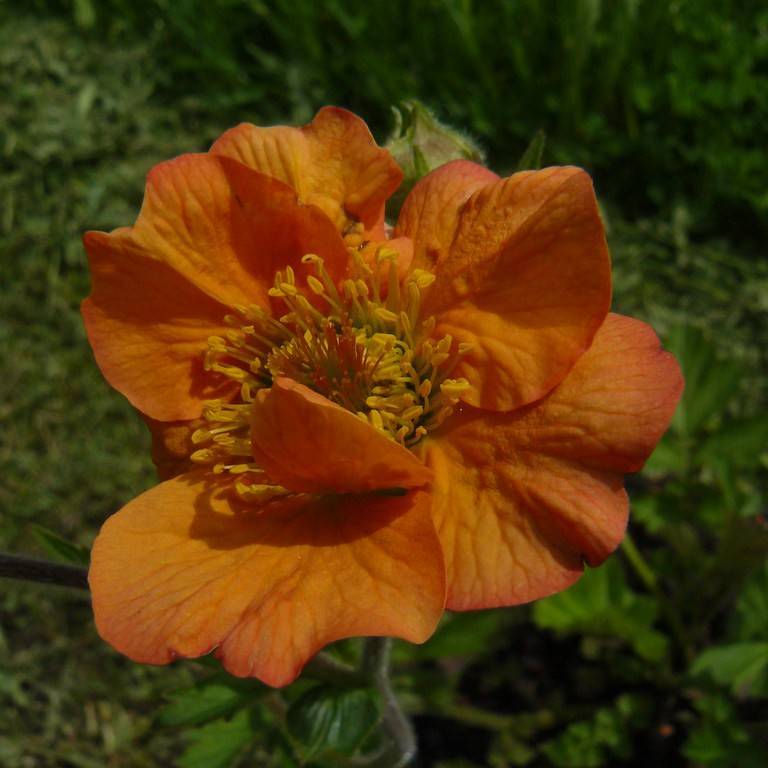
Avens
Geum urbanum
Overview
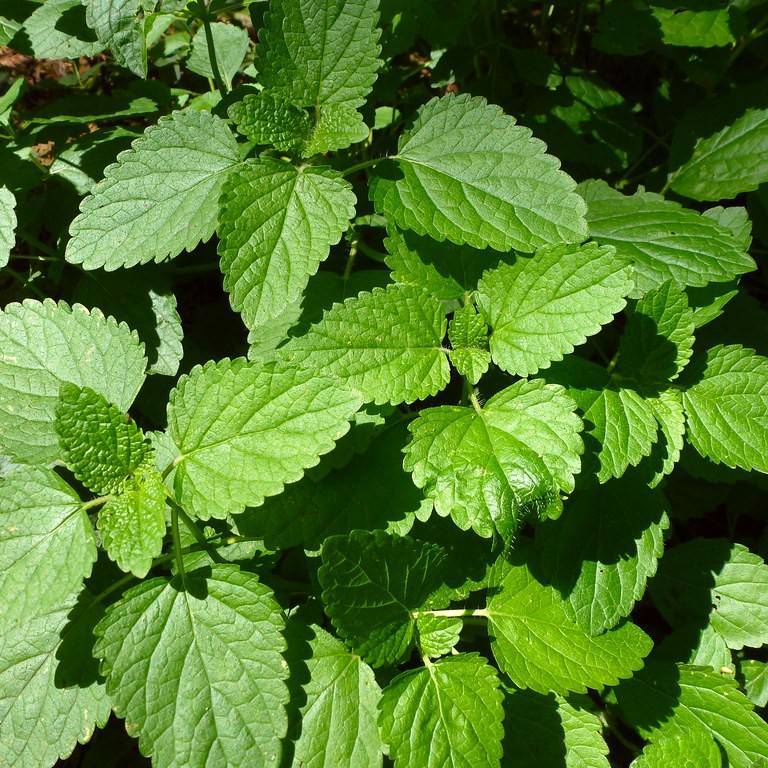
Avens, also called wood avens or herb bennet, is a hardy, clumping perennial that thrives in woodland edges, meadows, and garden borders. It produces small, five-petaled bright yellow flowers from late spring to early fall, followed by distinctive burr-like seed heads that stick to animal fur for dispersal. Its deeply lobed, slightly fuzzy leaves form a low basal rosette, with upright, branching stems that bear flowers and seed pods through the growing season.
Care Guide
Watering
Water avens regularly to keep soil consistently moist but not waterlogged, especially during extended dry periods in summer. Reduce watering frequency in fall and winter once the plant goes dormant, only supplementing if natural rainfall is extremely scarce. Avoid overwatering, as soggy soil can cause root rot in established plants.
Light
Avens grows best in partial shade, mimicking its native woodland edge habitat, though it tolerates full sun in cooler climates if kept consistently moist. Too much intense, direct sunlight in warm regions can scorch its leaves and reduce flowering. It will also grow in full shade, though it may produce fewer flowers and have a looser, more sprawling growth habit.
Soil
Plant avens in well-drained, loamy soil with a neutral to slightly alkaline pH, though it adapts to a wide range of soil types including clay and sandy soils. It prefers soil rich in organic matter, so amending planting sites with compost or well-rotted manure before planting will support vigorous growth. Ensure the soil does not stay saturated for long periods, as this can damage the plant’s shallow root system.
Fertilizer
Avens does not require heavy fertilization; a single application of balanced, slow-release granular fertilizer in early spring as new growth emerges is sufficient for the entire growing season. If grown in poor, nutrient-depleted soil, you can apply a diluted liquid all-purpose fertilizer once mid-spring to boost growth. Avoid over-fertilizing, as this can lead to excessive leaf growth at the expense of flower production.
Temperature
Avens is cold-hardy in USDA zones 4 through 8, tolerating winter temperatures as low as -30°F (-34°C) without extra protection once established. It prefers mild summer temperatures between 60-75°F (15-24°C), and may go dormant early if exposed to prolonged heat above 85°F (29°C). In warmer regions, provide extra shade and moisture to help the plant survive hot summer months.
Pruning
Deadhead spent flowers regularly throughout the blooming season to encourage continuous flower production and prevent unwanted self-seeding in the garden. Cut back the entire plant to 2-3 inches above the soil line in late fall after the first frost, once the foliage has died back for the winter. Remove any yellowed or damaged leaves during the growing season to keep the plant looking tidy and reduce the risk of fungal disease.
Propagation
Avens is most easily propagated by division in early spring or late fall, when the plant is dormant: dig up the entire clump, separate the root mass into smaller sections with at least one healthy growing point each, and replant immediately. It can also be grown from seed sown directly in the garden in fall, or sown indoors after 4-6 weeks of cold stratification to break seed dormancy. Seed-grown plants will typically bloom in their second year of growth.
Humidity
Avens adapts well to average outdoor humidity levels between 40-60%, which matches its native temperate habitat. It does not require extra humidity in most growing conditions, though extremely dry, arid air may cause leaf edges to brown. In very dry climates, mulch around the base of the plant to retain soil moisture and raise local humidity slightly around the foliage.
Repotting
If grown in containers, repot avens every 2-3 years in early spring before new growth emerges, moving it to a pot one size larger with fresh, well-drained potting mix amended with compost. Ensure the container has adequate drainage holes to prevent waterlogging of the root system. Container-grown avens may require more frequent watering and fertilization than plants grown in the ground, as nutrients leach out of potting mix faster.
Uses & Symbolism
Avens has a long history of medicinal use, with its roots and leaves used to make teas and tinctures to treat digestive issues, inflammation, and minor wounds. Its young, mild-tasting leaves can be eaten raw in salads or cooked as a leafy green, while its clove-scented roots are sometimes used as a spice or to flavor alcoholic beverages. It is also planted in pollinator gardens to attract bees, butterflies, and beneficial insects throughout its long blooming season.
Diseases & Pests
Avens is generally resistant to most pests and diseases, though it may develop powdery mildew on its foliage in humid, poorly ventilated conditions, which can be treated with neem oil or fungicidal spray. Root rot can occur if the plant is grown in heavy, waterlogged soil, so ensure proper drainage at planting time to avoid this issue. Aphids and spider mites may occasionally infest new growth, which can be controlled with a strong jet of water or insecticidal soap.
Related plants
Other plants you might like if you grow Avens.