%22%2F%3E%0A%20%20%20%20%20%20%3Ccircle%20cx%3D%22920%22%20cy%3D%22180%22%20r%3D%2290%22%20fill%3D%22%23cfe8d5%22%2F%3E%0A%20%20%20%20%20%20%3Cpath%20d%3D%22M600%20590c-90-180-215-255-310-280%200%20165%20118%20296%20270%20296h40z%22%20fill%3D%22%2379b88e%22%2F%3E%0A%20%20%20%20%20%20%3Cpath%20d%3D%22M600%20590c80-150%20198-212%20302-228-8%20142-123%20255-270%20255h-32z%22%20fill%3D%22%235c9f73%22%2F%3E%0A%20%20%20%20%20%20%3Cpath%20d%3D%22M600%20610V360%22%20stroke%3D%22%234f8c64%22%20stroke-width%3D%2218%22%20stroke-linecap%3D%22round%22%2F%3E%0A%20%20%20%20%20%20%3Ctext%20x%3D%22600%22%20y%3D%22700%22%20text-anchor%3D%22middle%22%20font-family%3D%22Arial%2C%20sans-serif%22%20font-size%3D%2244%22%20fill%3D%22%23365c45%22%3E%0A%20%20%20%20%20%20%20%20Plant%20image%20coming%20soon%0A%20%20%20%20%20%20%3C%2Ftext%3E%0A%20%20%20%20%3C%2Fsvg%3E%0A%20%20)
Hino Crimson Azalea
Rhododendron 'Hino Crimson'
Overview
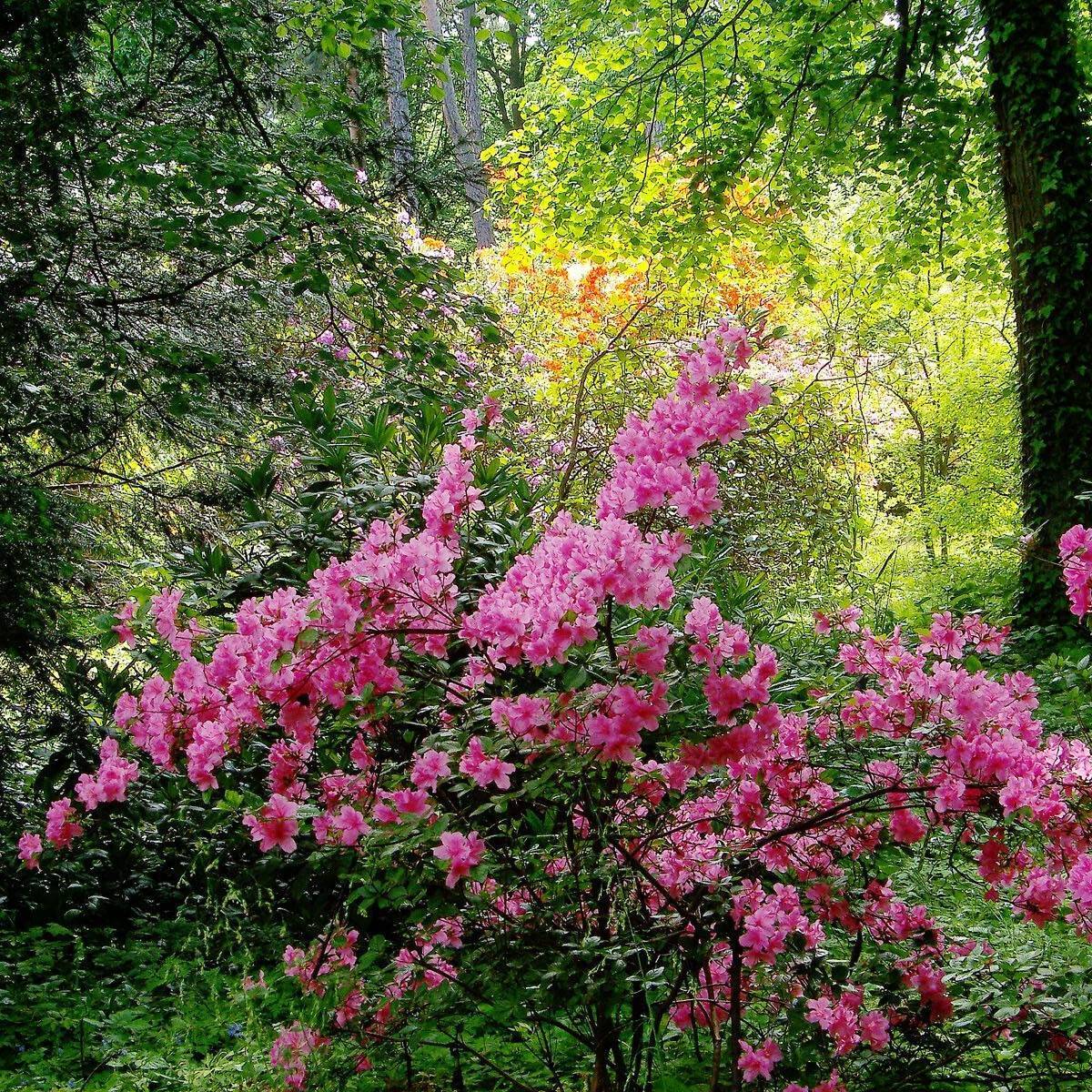
Hino Crimson Azalea is a popular dwarf evergreen azalea cultivar developed in Japan, celebrated for its prolific clusters of showy, ruffled bright crimson flowers that blanket the shrub in mid to late spring. Its small, leathery, dark green leaves turn a subtle bronze hue in cool winter months, adding year-round visual interest to landscapes. This slow-growing, compact shrub maintains a neat, rounded form without frequent shaping, making it a favorite for foundation plantings, rock gardens, and shaded border edges.
Care Guide
Watering
Keep soil consistently moist but never waterlogged, as azaleas have shallow, sensitive root systems that rot easily in saturated conditions. Water deeply at the base when the top 1 inch of soil feels dry, and avoid wetting foliage to reduce fungal disease risk. During hot, dry periods, increase watering frequency to prevent leaf scorch and bud drop.
Light
Thrives in partial shade, ideally receiving dappled morning sun and protection from intense midday and afternoon sun that can burn foliage and fade blooms. It can tolerate full sun in cooler, mild climates if soil moisture is maintained, but excessive direct sunlight will stress the plant and reduce flowering performance. Too much deep shade will lead to sparse blooms and leggy growth.
Soil
Requires well-draining, acidic soil with a pH between 4.5 and 6.0, rich in organic matter such as peat moss, pine bark, or composted oak leaves. Heavy clay soils should be amended heavily with organic material or planted in raised beds to improve drainage, as standing water will quickly damage root systems. Avoid planting in alkaline soils, which cause nutrient deficiencies leading to yellowed leaves and stunted growth.
Fertilizer
Feed with a slow-release, acidic azalea or rhododendron fertilizer immediately after flowering ends in spring, to support new growth and next year’s bud development. Avoid fertilizing after mid-summer, as this can stimulate tender new growth that will be damaged by cold winter temperatures. Over-fertilization can burn shallow roots, so always follow product label rates and apply to moist soil to prevent injury.
Temperature
Grows best in temperate climates with average temperatures between 60-75°F (15-24°C) during the growing season, and is hardy to USDA zones 6-9, tolerating winter lows down to -10°F (-23°C) when established. Provide a layer of mulch around the root zone in late fall to insulate roots from extreme temperature fluctuations and reduce frost heave in cold climates. Avoid planting in areas exposed to harsh, drying winter winds, which can cause leaf scorch and bud damage.
Pruning
Prune lightly immediately after flowering ends, before new flower buds form for the next year, to maintain shape and remove spent blooms. Avoid heavy pruning, as this can reduce flowering for 1-2 seasons; only cut back dead, diseased, or crossing branches to improve air circulation within the shrub. Deadheading spent flowers will encourage more vigorous growth and heavier bloom production the following spring.
Propagation
Most commonly propagated via semi-hardwood cuttings taken in mid to late summer, from current season growth that has begun to harden and turn woody at the base. Dip cuttings in rooting hormone, plant in a mix of peat moss and perlite, and keep under high humidity with indirect light until roots form in 6-8 weeks. Seed propagation is not recommended for this cultivar, as it will not grow true to the parent plant’s characteristics.
Humidity
Prefers moderate to high humidity levels between 50-70%, typical of its native East Asian forest habitat. In dry climates or indoor growing environments, mist foliage regularly or place a tray of pebbles filled with water under the plant to raise ambient humidity levels. Low humidity can cause leaf browning at the edges and reduce bloom longevity.
Repotting
If grown in containers, repot every 2-3 years in late winter or early spring before new growth begins, using a acidic, well-draining potting mix formulated for azaleas or rhododendrons. Choose a pot only 1-2 inches larger than the current root ball, as azaleas prefer slightly root-bound conditions and excessive soil volume can hold too much moisture and cause root rot. Gently loosen the outer root layer when repotting to encourage new root growth into the fresh soil.
Uses & Symbolism
Widely used in residential landscaping as a foundation shrub, shaded border plant, or focal point in rock gardens, its compact size also makes it well suited for container growing on patios or balconies. It is a popular choice for woodland gardens and pollinator habitats, as its spring blooms attract bees, butterflies, and hummingbirds. Its vibrant crimson flowers are sometimes cut for short-lived floral arrangements, though all parts remain toxic if ingested.
Diseases & Pests
Susceptible to common fungal diseases including powdery mildew, leaf spot, petal blight, and root rot, most often caused by poor air circulation, overwatering, or wet foliage. Common pests include azalea lace bugs, spider mites, aphids, and root weevils, which feed on foliage and roots, leading to yellowed leaves, stunted growth, and reduced flowering. Chlorosis, or yellowing of leaves, is a common non-infectious issue caused by alkaline soil, which prevents the plant from absorbing iron and other essential nutrients.
Related plants
Other plants you might like if you grow Hino Crimson Azalea.