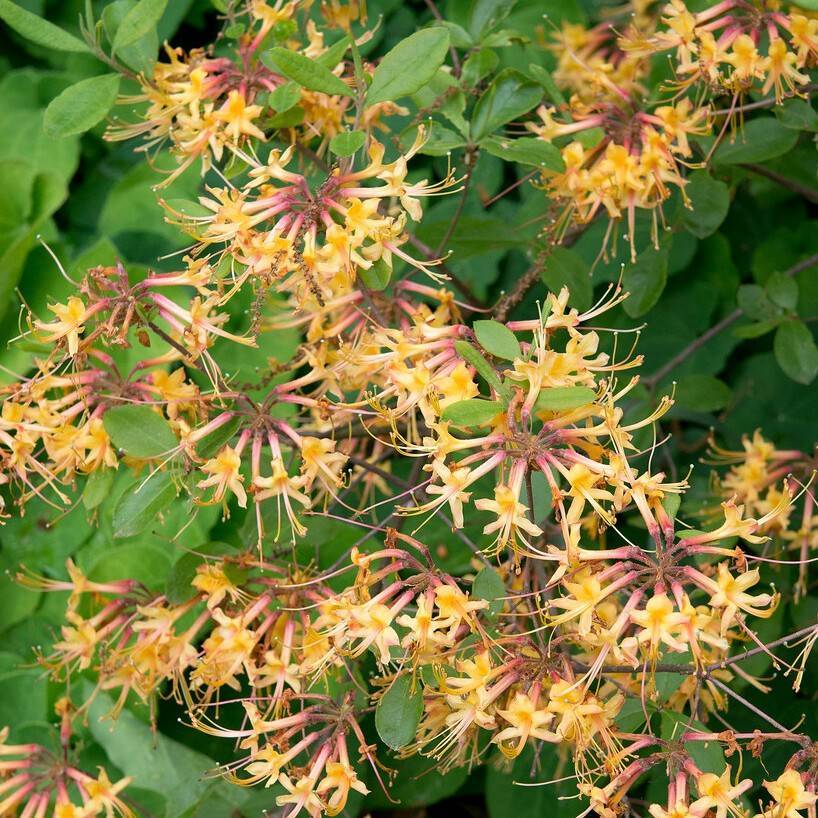
Florida Azalea
Rhododendron austrinum
Overview
Florida azalea is a cold-hardy deciduous rhododendron that thrives in the warm, humid climates of its native range. It produces clusters of trumpet-shaped, highly fragrant flowers in early spring before its new foliage emerges, drawing pollinators including hummingbirds and butterflies. Its smooth, dark green leaves turn muted shades of yellow and bronze in autumn before dropping for the winter, adding seasonal interest to landscapes.
Care Guide
Watering
Water consistently to keep soil evenly moist but never waterlogged, as Florida azaleas have shallow, sensitive roots that are prone to rot in saturated conditions. Reduce watering frequency in winter when the plant is dormant, only irrigating if the top 2 inches of soil feel dry to the touch. Avoid using tap water with high alkalinity, as it can raise soil pH and inhibit nutrient uptake; use rainwater or distilled water if possible.
Light
Plant in partial shade, ideally receiving dappled sunlight or 4-6 hours of morning sun followed by afternoon shade to protect blooms and foliage from scorching. Too much deep shade will reduce flowering, while prolonged direct midday sun can burn leaves and cause bud drop in hot summer months. Indoor specimens require bright, indirect light placed near a east or west-facing window if grown in containers.
Soil
Requires well-draining, acidic soil with a pH between 4.5 and 6.0, rich in organic matter such as peat moss, pine bark, or composted oak leaves to support healthy root growth. Heavy clay soils should be amended with coarse sand and organic material to improve drainage, as standing water will quickly kill the plant’s shallow root system. Avoid planting too deep, as the root crown should sit just above the soil surface to prevent rot.
Fertilizer
Feed with a slow-release, acidic fertilizer formulated for rhododendrons or azaleas in early spring just before new growth begins, and again lightly after flowering finishes in late spring. Do not fertilize after mid-summer, as this can stimulate tender new growth that will be damaged by cold winter temperatures. Over-fertilization can cause leaf burn and root damage, so always follow product label rates and avoid applying fertilizer directly to the root crown.
Temperature
Thrives in USDA hardiness zones 6 through 9, tolerating winter lows down to -10°F (-23°C) when established, though young plants benefit from winter mulch to protect roots from extreme cold. It prefers daytime temperatures between 60-80°F (15-27°C) during the growing season, and cooler nighttime temperatures around 50-60°F (10-15°C) in late winter to support proper bud set. Extended periods of temperatures above 90°F (32°C) may cause leaf wilting, so extra mulch and watering are beneficial during heatwaves.
Pruning
Prune immediately after flowering finishes in spring, before new flower buds form for the next year, to avoid removing future blooms. Remove dead, damaged, or crossing branches first to improve air circulation through the canopy, then shape the plant as desired by cutting back to a healthy outward-facing bud. Avoid heavy pruning of more than one-third of the plant’s total growth in a single year, as this can stress the shrub and reduce flowering for multiple seasons.
Propagation
The most common method for home gardeners is semi-hardwood cuttings taken in mid to late summer, using 4-6 inch stem tips from healthy, non-flowering growth treated with rooting hormone and placed in a moist, acidic rooting medium under high humidity. It can also be grown from fresh seed collected after pods ripen in fall, though seed-grown plants may take 3-4 years to reach flowering size and may not retain the exact characteristics of the parent plant. Air layering is another successful propagation method for larger specimens, producing rooted plants ready for separation in 6-12 months.
Humidity
Prefers moderate to high humidity levels between 50-70%, consistent with its native southeastern U.S. habitat, to prevent leaf browning and support healthy growth. Dry indoor air can cause leaf drop and bud failure for container-grown specimens, so use a pebble tray or room humidifier to raise humidity levels if needed. Outdoor plants benefit from being grouped with other moisture-loving shrubs to create a microclimate with higher ambient humidity.
Repotting
Container-grown Florida azaleas should be repotted every 2-3 years in late winter or immediately after flowering, using a pot with ample drainage holes and an acidic, well-draining potting mix formulated for ericaceous plants. Gently loosen the outer roots before placing in the new pot, which should be no more than 2 inches larger in diameter than the previous pot to avoid excess soil moisture retention. After repotting, water thoroughly and keep the plant in partial shade for 1-2 weeks to reduce transplant stress.
Uses & Symbolism
Florida azalea is widely used as an ornamental shrub in native plant gardens, woodland landscapes, and pollinator gardens, where its vibrant, fragrant spring blooms add bold color and attract hummingbirds, bees, and butterflies. It can be grown as a specimen plant, planted in mass for flowering hedges, or kept in large containers for patio display, as long as its acidic soil requirements are met. Indigenous communities of the Southeast historically used parts of the plant for medicinal purposes, though its toxicity makes internal consumption unsafe without expert preparation.
Diseases & Pests
Common fungal diseases include powdery mildew, leaf spot, and root rot, which are most often caused by poor air circulation, overwatering, or poorly draining soil. Pests that frequently affect Florida azaleas include azalea lace bugs, spider mites, aphids, and root weevils, which can cause leaf discoloration, stunted growth, and defoliation if left untreated. Chlorosis, or yellowing of leaves, is a common non-infectious issue caused by alkaline soil that prevents the plant from absorbing iron, which can be corrected by adjusting soil pH and applying chelated iron supplements.
Related plants
Other plants you might like if you grow Florida Azalea.
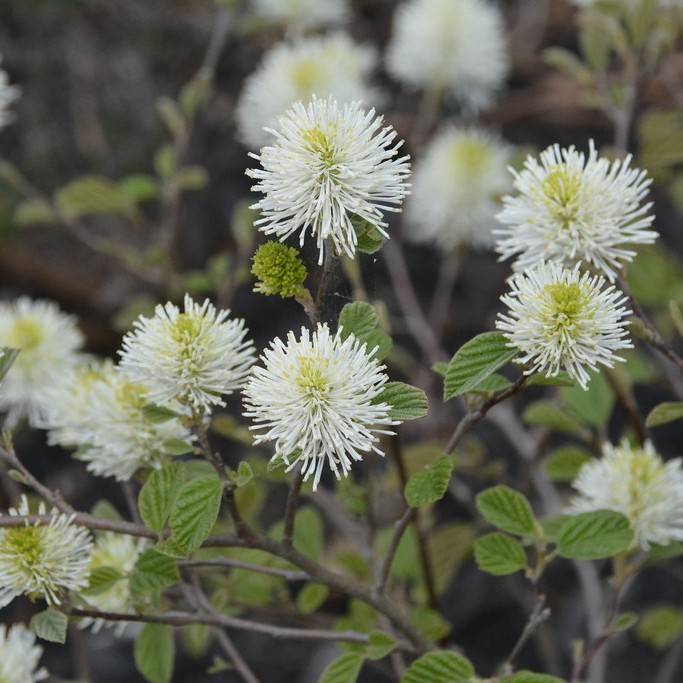
Fothergilla
Fothergilla spp.
%22%2F%3E%0A%20%20%20%20%20%20%3Ccircle%20cx%3D%22920%22%20cy%3D%22180%22%20r%3D%2290%22%20fill%3D%22%23cfe8d5%22%2F%3E%0A%20%20%20%20%20%20%3Cpath%20d%3D%22M600%20590c-90-180-215-255-310-280%200%20165%20118%20296%20270%20296h40z%22%20fill%3D%22%2379b88e%22%2F%3E%0A%20%20%20%20%20%20%3Cpath%20d%3D%22M600%20590c80-150%20198-212%20302-228-8%20142-123%20255-270%20255h-32z%22%20fill%3D%22%235c9f73%22%2F%3E%0A%20%20%20%20%20%20%3Cpath%20d%3D%22M600%20610V360%22%20stroke%3D%22%234f8c64%22%20stroke-width%3D%2218%22%20stroke-linecap%3D%22round%22%2F%3E%0A%20%20%20%20%20%20%3Ctext%20x%3D%22600%22%20y%3D%22700%22%20text-anchor%3D%22middle%22%20font-family%3D%22Arial%2C%20sans-serif%22%20font-size%3D%2244%22%20fill%3D%22%23365c45%22%3E%0A%20%20%20%20%20%20%20%20Plant%20image%20coming%20soon%0A%20%20%20%20%20%20%3C%2Ftext%3E%0A%20%20%20%20%3C%2Fsvg%3E%0A%20%20)
Hino Crimson Azalea
Rhododendron 'Hino Crimson'
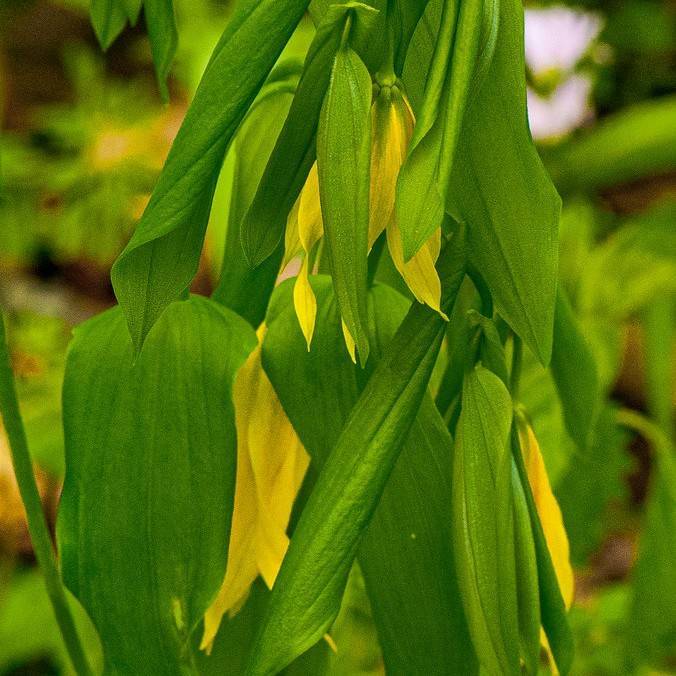
Large Flowered Bellwort
Uvularia grandiflora
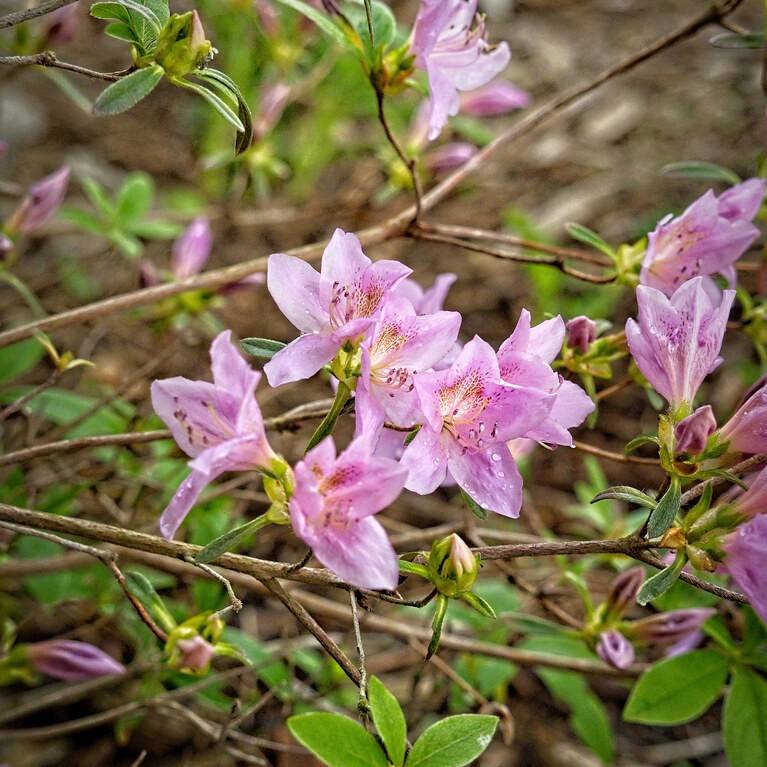
Korean Azalea
Rhododendron yedoense var. poukhanense
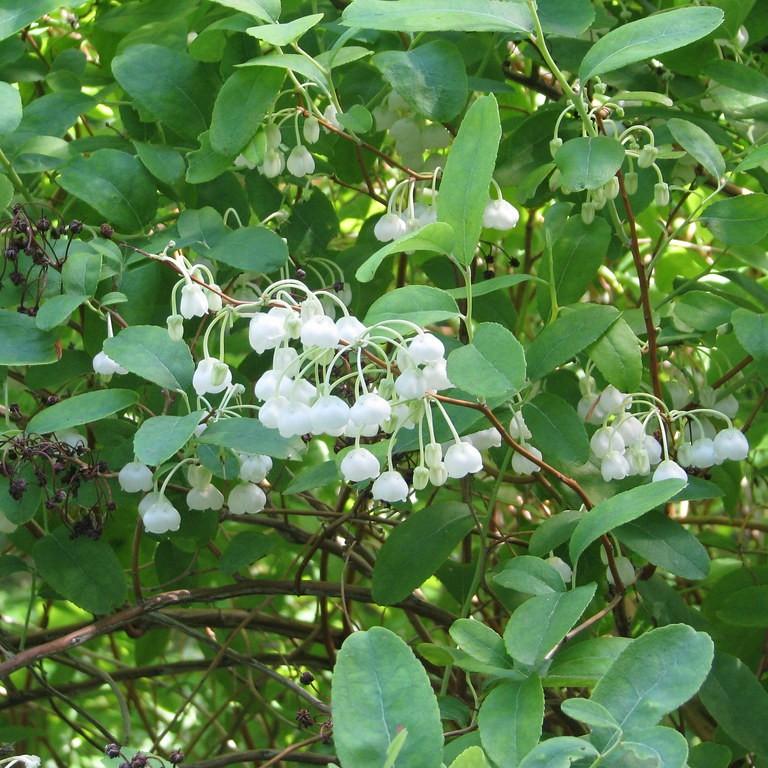
Dusty Zenobia
Zenobia pulverulenta
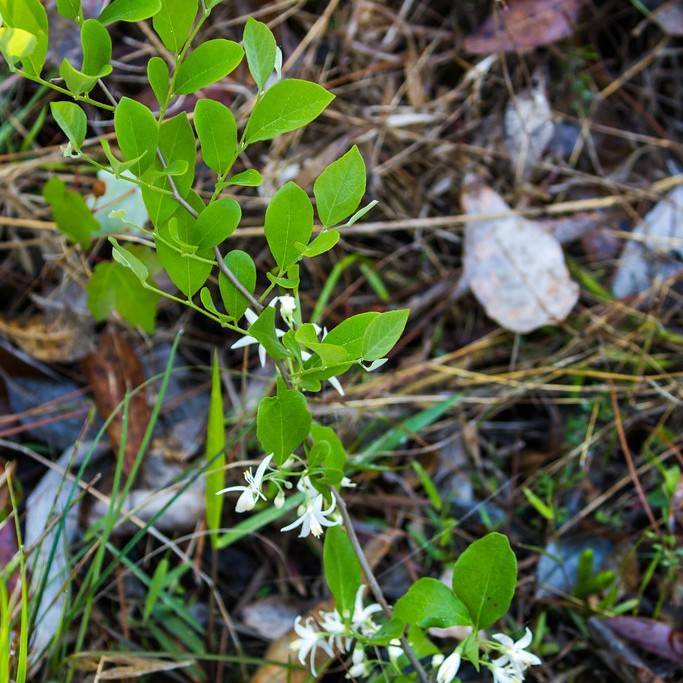
American Snowbell
Styrax americanus
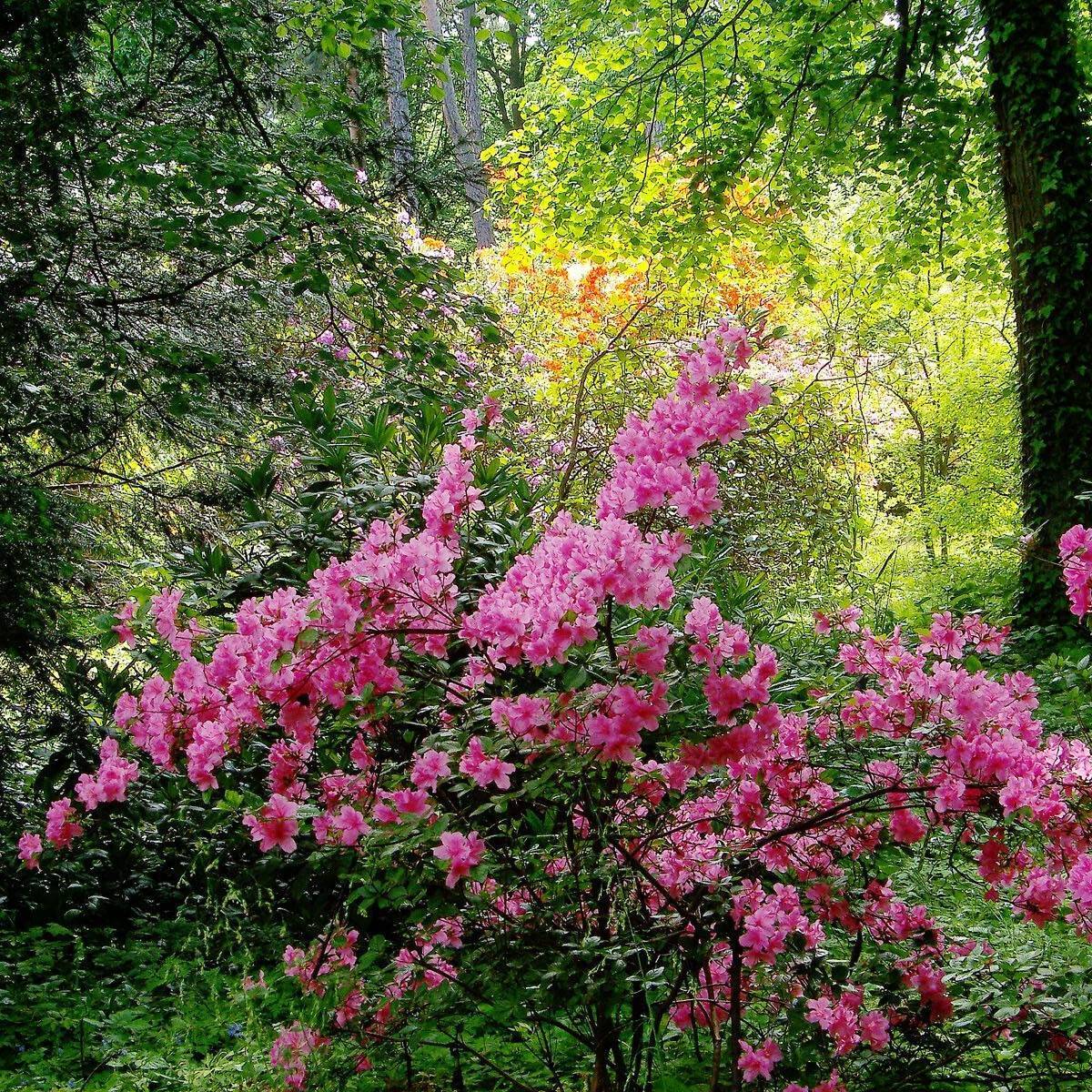
Catawba Rhododendron
Rhododendron catawbiense
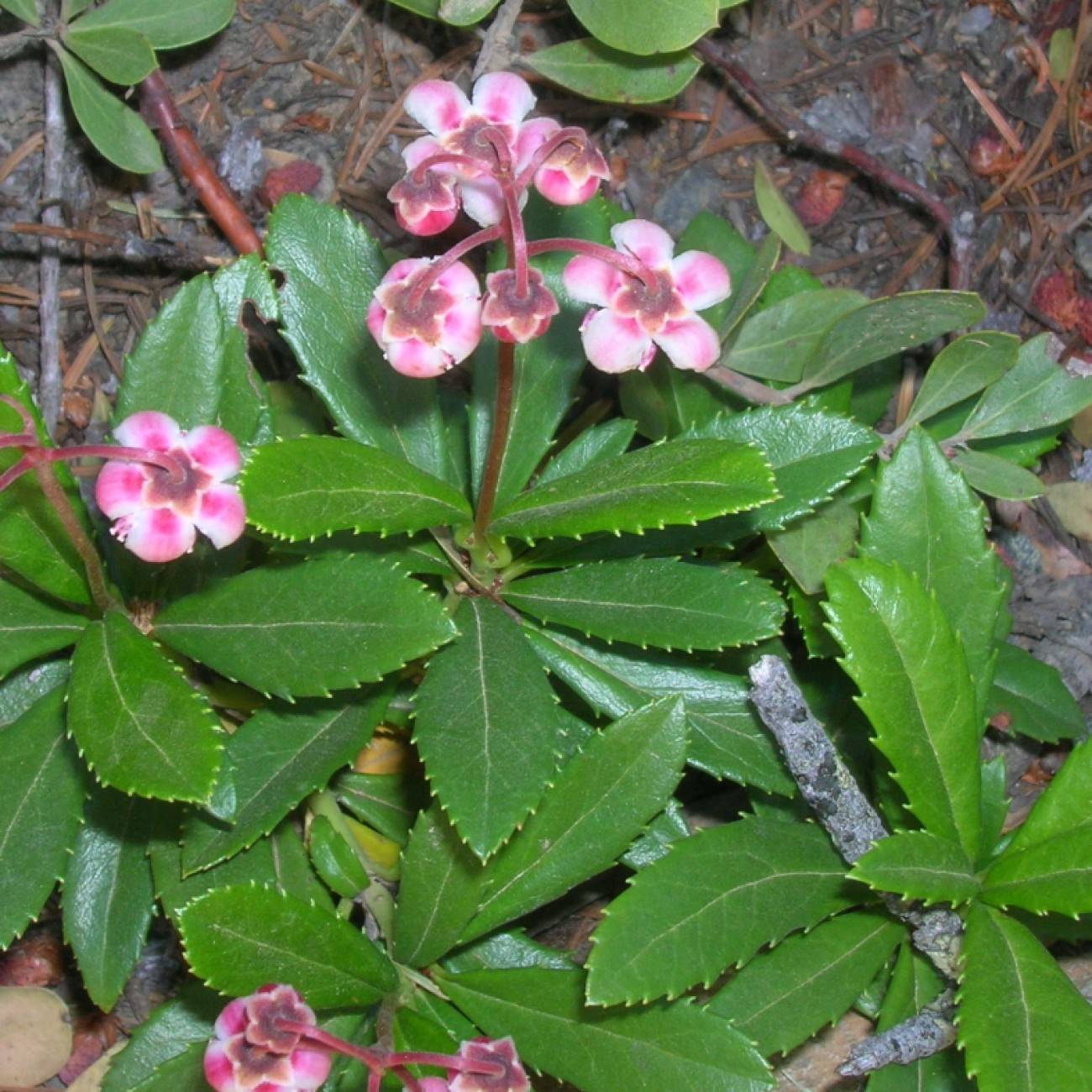
Common Pipsissewa
Chimaphila umbellata