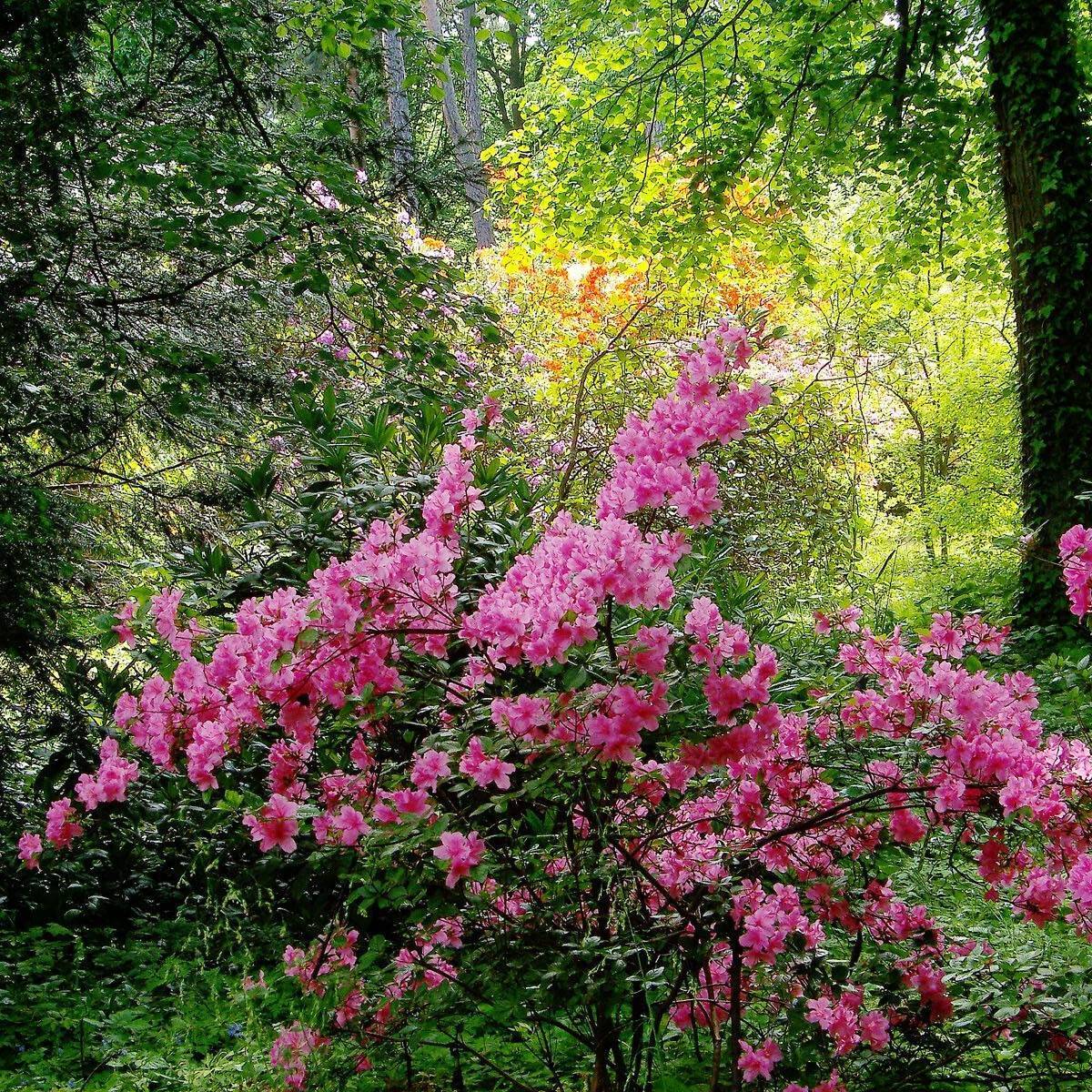
Catawba Rhododendron
Rhododendron catawbiense
Overview
Catawba rhododendron is a cold-hardy evergreen shrub that forms a dense, rounded mound of leathery, dark green foliage, with leaves that persist through winter for year-round ornamental interest. In late spring to early summer, it produces abundant, rounded trusses of 10 to 20 bell-shaped, lavender-pink to purple flowers, each marked with subtle green or brown freckles on the upper petals. It is a parent of many popular hybrid rhododendron cultivars, valued for its tolerance of colder temperatures compared to many other rhododendron species. In its native habitat, it grows in acidic mountain soils, often forming large, dense thickets along forest edges and slopes.
Care Guide
Watering
Catawba rhododendron prefers consistently moist, well-drained soil and should be watered deeply when the top 1 to 2 inches of soil feel dry, avoiding overwatering that can lead to root rot. During periods of drought or high heat, increase watering frequency, and mulch around the base with pine needles or wood chips to retain soil moisture and reduce evaporation. Avoid watering the foliage directly to minimize the risk of fungal leaf spot diseases.
Light
This shrub thrives in partial shade, preferring dappled sunlight or morning sun with afternoon shade to prevent leaf scorch, especially in regions with hot summer temperatures. It can tolerate full sun in cooler, northern climates as long as soil moisture remains consistent, but prolonged direct midday sun will damage its delicate foliage and reduce flowering. Too much deep shade will result in sparse growth and fewer flower blooms.
Soil
Catawba rhododendron requires acidic soil with a pH between 4.5 and 6.0, rich in organic matter, and well-drained, as it is highly susceptible to root rot in heavy, waterlogged clay soils. Amend heavy or alkaline soils with peat moss, composted pine bark, or sulfur to lower pH and improve drainage before planting. Avoid planting in low-lying areas where water pools after rain.
Fertilizer
Fertilize in early spring before new growth emerges using a slow-release, acidic fertilizer formulated for rhododendrons, azaleas, or other ericaceous plants, following label instructions to avoid overfertilization which can burn shallow roots. A second light application can be made immediately after flowering to support healthy foliage growth and set buds for the next year’s blooms. Do not fertilize after mid-summer, as this can stimulate tender new growth that will be damaged by fall frost.
Temperature
Catawba rhododendron is cold hardy in USDA zones 4 through 8, tolerating winter temperatures as low as -25°F (-32°C) when established. It benefits from a layer of winter mulch to protect its shallow root system from extreme temperature fluctuations, and in areas with harsh winter winds, plant it in a sheltered location to prevent leaf desiccation. It struggles in regions with sustained summer temperatures above 90°F (32°C) without adequate shade and moisture.
Pruning
Prune immediately after flowering has finished to avoid removing next year’s flower buds, which form on the previous season’s growth. Remove dead, damaged, or diseased branches at any time, and lightly shape the shrub to maintain its rounded form if desired, avoiding heavy pruning that can reduce blooming for 1 to 2 years. Older, overgrown shrubs can be rejuvenated with gradual pruning over 2 to 3 years, removing one-third of the oldest branches each year to encourage new, vigorous growth.
Propagation
The most reliable method for home gardeners is semi-hardwood cuttings taken in mid to late summer, selecting 4 to 6 inch long stems from the current year’s growth that are just starting to harden, treating the cut end with rooting hormone, and planting in a well-drained acidic rooting medium under high humidity. It can also be propagated by seed, but seeds require stratification (cold treatment) for 2 to 3 months to germinate, and seed-grown plants may not retain the exact flower color or growth habit of the parent plant. Grafting is used commercially to propagate hybrid cultivars onto hardier rootstocks, but is rarely done by home gardeners.
Humidity
Catawba rhododendron prefers moderate to high humidity levels between 50% and 70%, typical of its native mountain habitat, and will struggle in very dry, arid climates without supplemental humidity. In dry conditions, mist the foliage occasionally or place a tray of water near the base of the shrub to boost ambient humidity, especially during winter when indoor heating or cold dry winds can desiccate leaves. Good air circulation around the foliage is important to prevent fungal diseases, even in higher humidity.
Repotting
Catawba rhododendron is rarely grown in containers long-term, but if potted, repot every 2 to 3 years in early spring before new growth starts, using an acidic, well-drained potting mix formulated for ericaceous plants. Choose a pot only 1 to 2 inches larger than the current root ball, as these shrubs have shallow root systems and excess potting soil can hold too much moisture and cause root rot. Gently loosen the outer roots before placing in the new pot, and water thoroughly after repotting to settle the soil.
Uses & Symbolism
Catawba rhododendron is widely used as an ornamental shrub in shaded landscape borders, woodland gardens, and foundation plantings, valued for its showy spring flowers and year-round evergreen foliage. It is often planted in mass groupings to create flowering hedges or naturalized screens in areas with acidic soil, and its dense growth provides shelter and nesting sites for native songbirds. Historically, some Indigenous Appalachian communities used small amounts of the plant for medicinal purposes, but its toxicity makes modern medicinal use unsafe.
Diseases & Pests
Common fungal diseases include leaf spot, powdery mildew, and root rot, the latter of which is caused by overwatering or poorly drained soil and can be fatal if not addressed quickly. Pests that frequently affect Catawba rhododendron include azalea lace bugs, rhododendron borers, spider mites, and scale insects, which can cause leaf yellowing, stippling, or dieback if populations are left uncontrolled. Chlorosis (yellowing of leaves with green veins) is a common physiological issue caused by alkaline soil, which prevents the plant from absorbing iron, and can be corrected by lowering soil pH with sulfur or chelated iron applications.
Related plants
Other plants you might like if you grow Catawba Rhododendron.
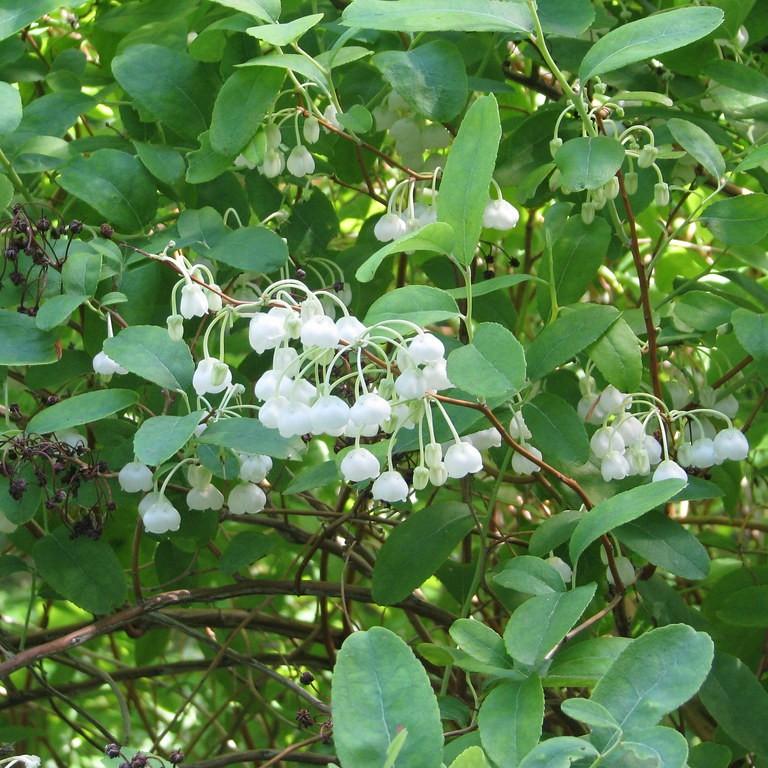
Dusty Zenobia
Zenobia pulverulenta
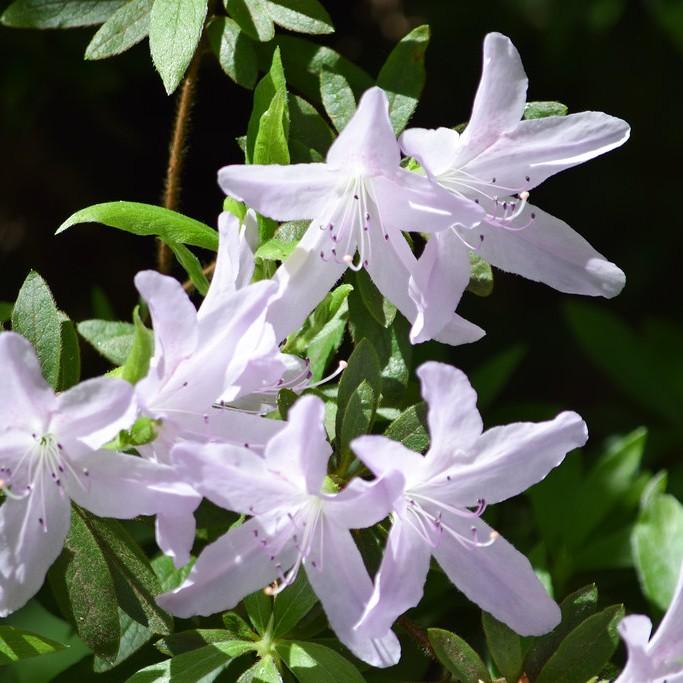
Evergreen Azalea
Rhododendron simsii (and related evergreen Rhododendron cultivars)
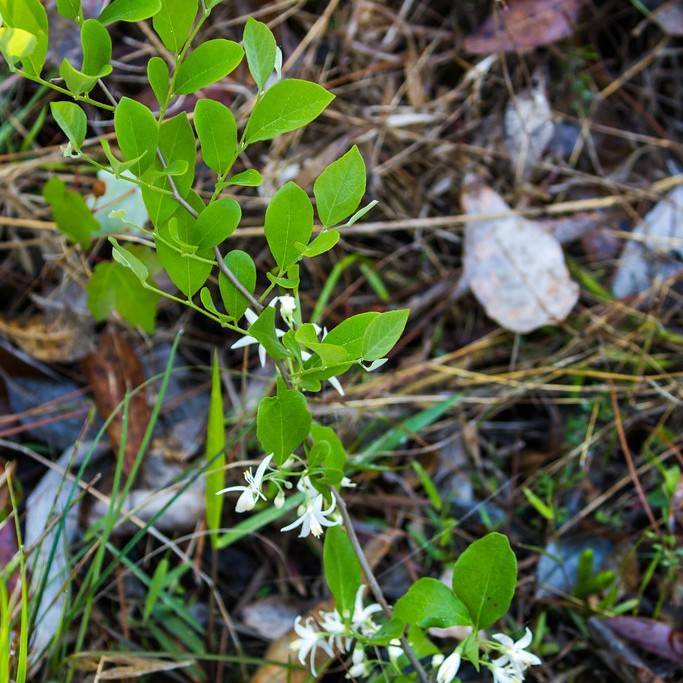
American Snowbell
Styrax americanus
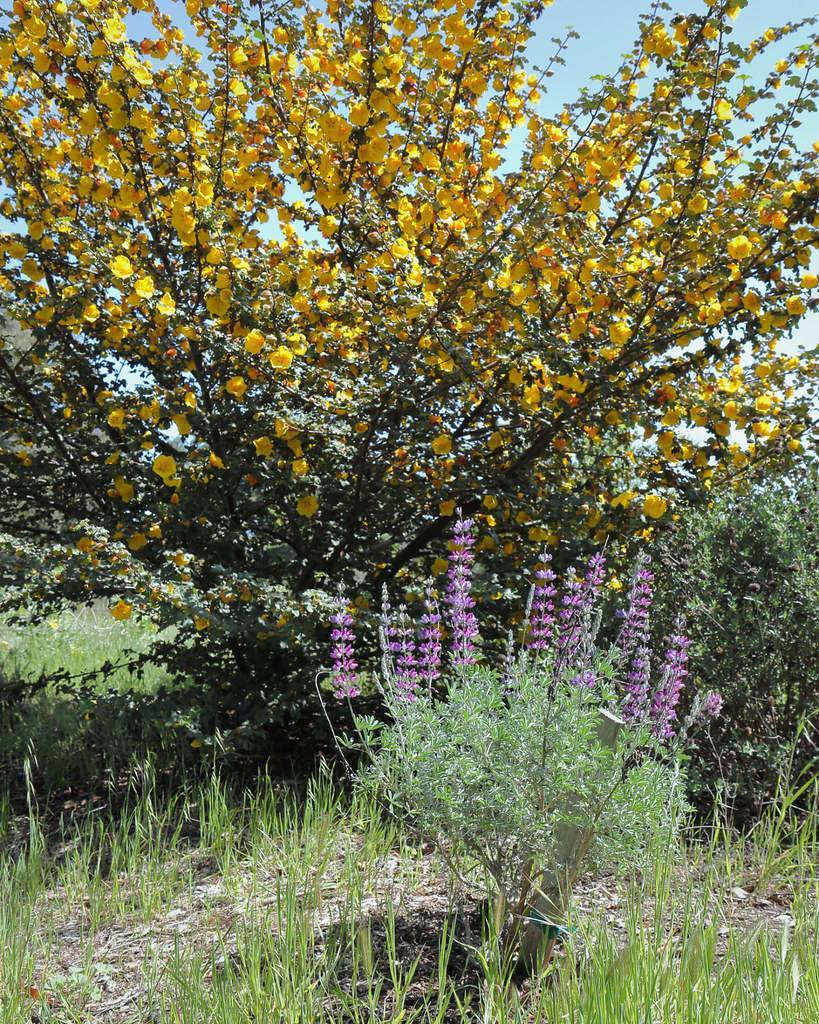
California Flannelbush
Fremontodendron californicum
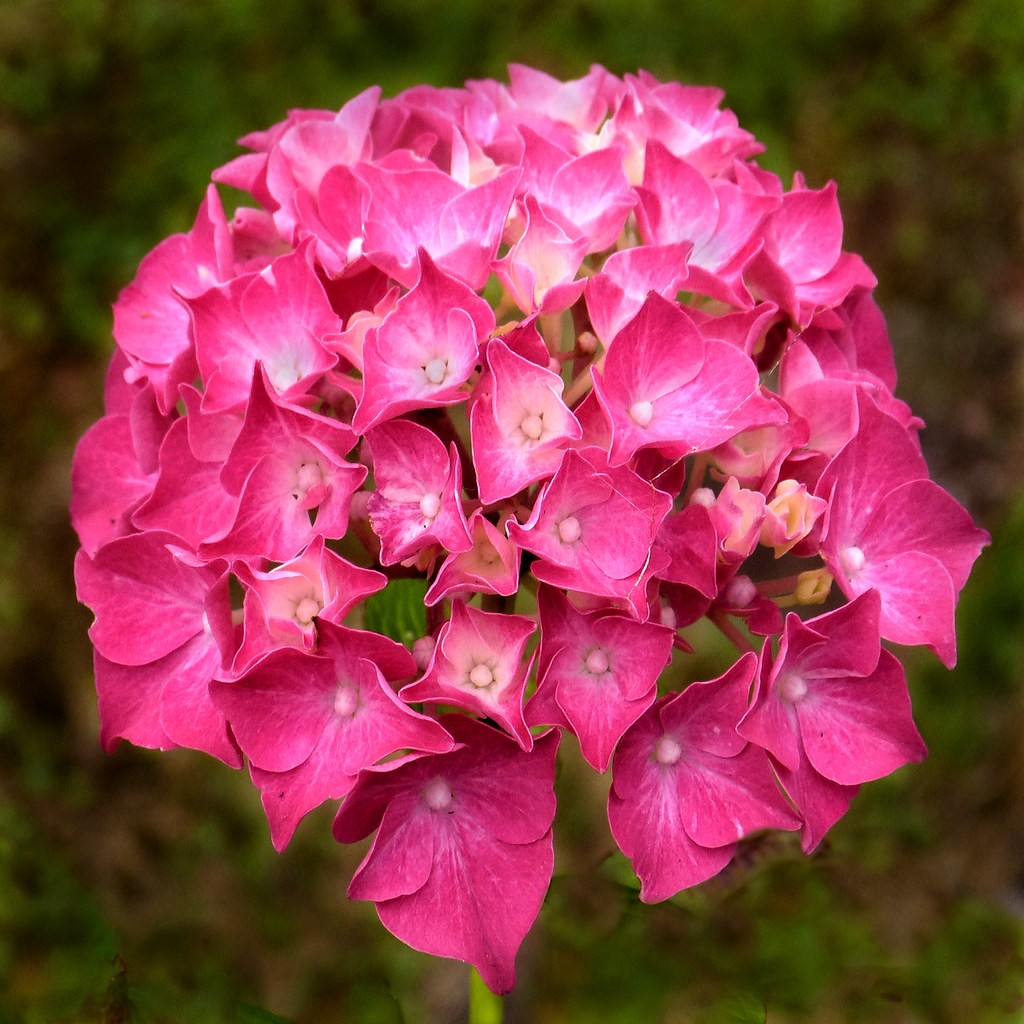
Hydrangea
Hydrangea macrophylla
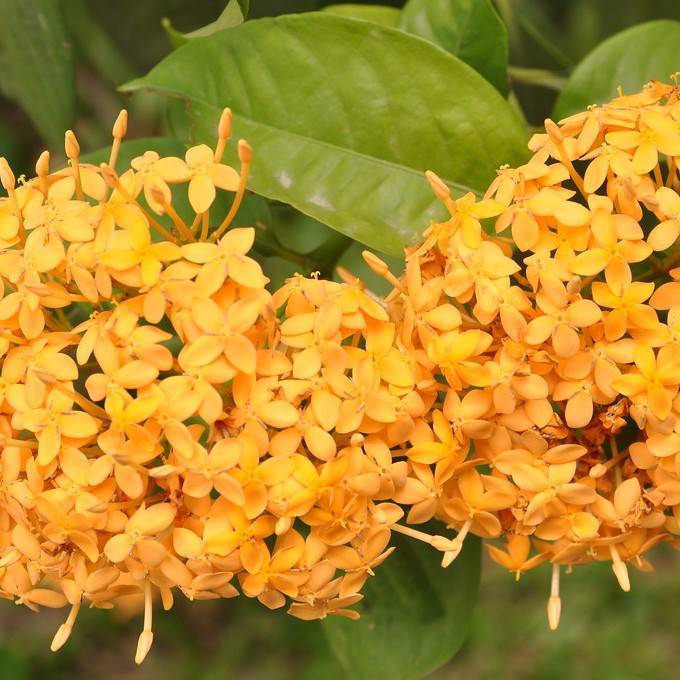
Flame Of The Woods
Ixora coccinea
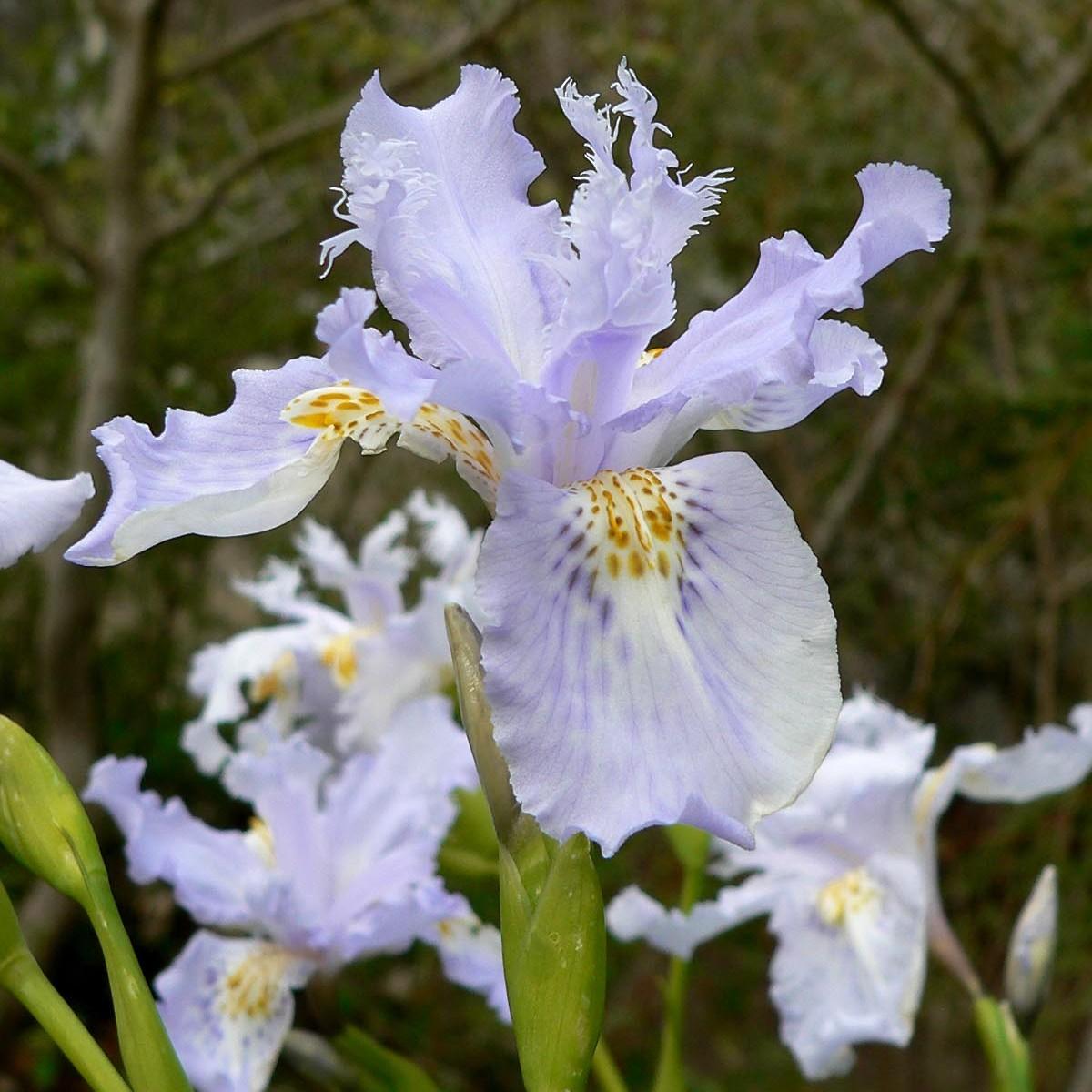
Bamboo Iris
Iris confusa
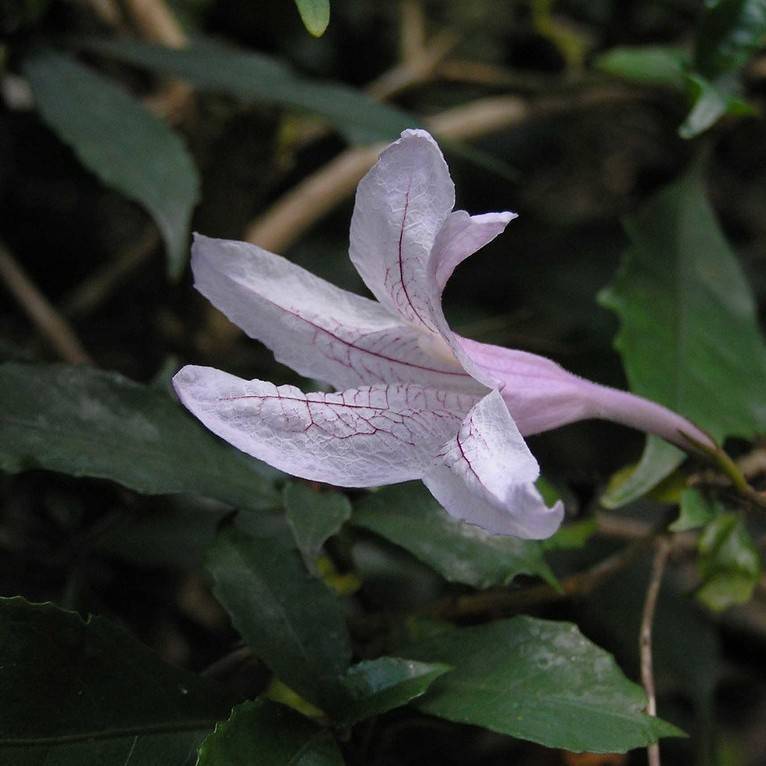
Forest Bell Bush
Mackaya bella