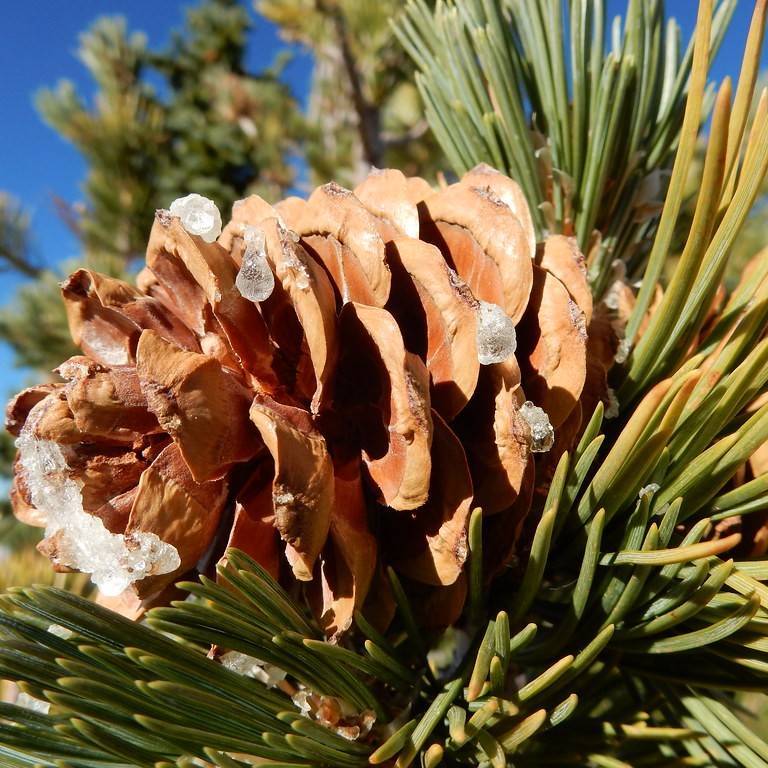
Engelmann Spruce
Picea engelmannii
Overview
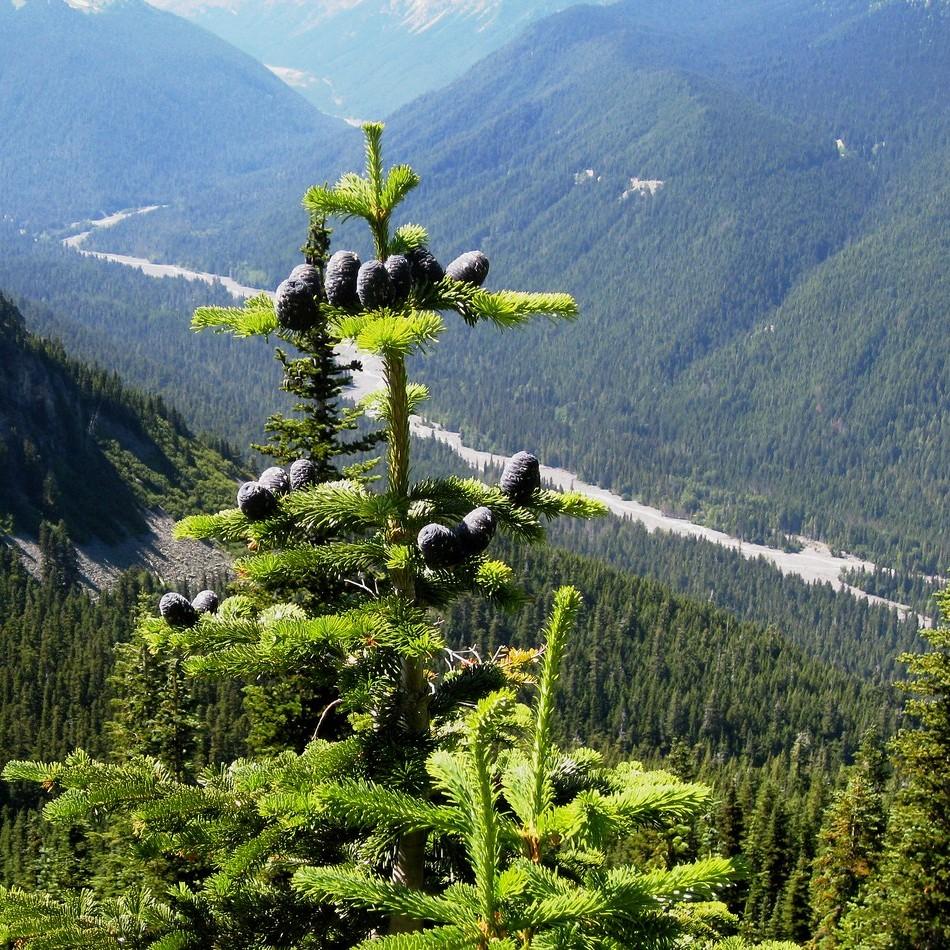
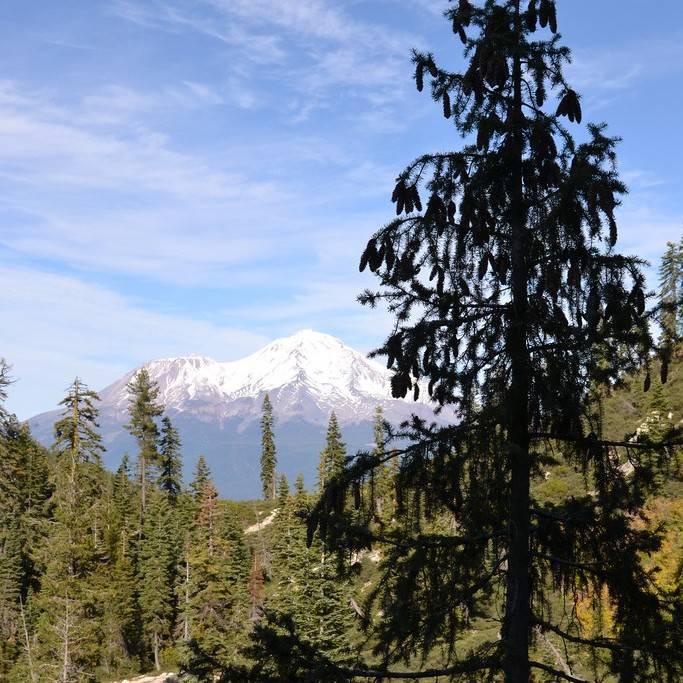
Engelmann spruce is a long-lived conifer that can survive over 500 years in undisturbed high-elevation forests, with a narrow, pyramidal growth habit and dense, blue-green needle foliage. It thrives in cool, moist mountain climates, often forming extensive stands alongside subalpine fir and lodgepole pine at elevations between 2,400 and 3,600 meters. Its thin, scaly bark and flexible branches make it well-adapted to heavy winter snowfall, while its shallow root system allows it to grow in thin, rocky mountain soils.
Care Guide
Watering
Engelmann spruce prefers consistent moisture, requiring regular watering during dry periods, especially when young; established trees are moderately drought tolerant but suffer prolonged stress if soil dries out completely for extended periods. Avoid overwatering, as saturated soils can lead to root rot, particularly in low-elevation plantings with poor drainage.
Light
This species grows best in full sun, requiring at least six hours of direct sunlight daily for optimal growth and dense foliage development. It can tolerate partial shade when young, but prolonged shade will lead to sparse, leggy growth and increased susceptibility to pest infestations.
Soil
Engelmann spruce adapts to a wide range of soil types, including sandy, loamy, and rocky substrates, but prefers deep, well-drained, slightly acidic soils with a pH between 5.0 and 6.5. It does not tolerate compacted or heavy clay soils that hold excess moisture, and will struggle in alkaline conditions common at lower elevations.
Fertilizer
Young trees benefit from a balanced, slow-release evergreen fertilizer applied in early spring before new growth emerges, to support root development and foliage production. Mature, established trees rarely require fertilization unless grown in nutrient-poor soils, as they obtain sufficient nutrients from natural leaf litter and soil cycling.
Temperature
This cold-hardy conifer thrives in cool climates, withstanding winter temperatures as low as -50°F (-46°C), and is poorly adapted to hot, humid summer conditions common at low elevations. It performs best in regions with average summer temperatures between 60 and 75°F (16 and 24°C), and may suffer needle scorch or dieback if exposed to prolonged temperatures above 90°F (32°C).
Pruning
Pruning is rarely required for healthy Engelmann spruce, but dead, damaged, or diseased branches can be removed in late winter before new growth begins to maintain the tree's shape and reduce pest habitat. Avoid cutting into older, bare wood, as this species does not readily resprout from dormant buds on mature branches, leading to permanent bare patches.
Propagation
Engelmann spruce is most commonly propagated from seed, which requires a 30 to 90 day cold stratification period to break dormancy before sowing in moist, well-drained growing medium in early spring. Vegetative propagation from cuttings is possible but has low success rates, requiring rooting hormone and consistent high humidity for several months to encourage root development.
Humidity
This species prefers moderate to high humidity levels typical of its native mountain habitats, ranging between 40 and 70% relative humidity for optimal growth. It can tolerate lower humidity for short periods, but prolonged dry air, especially in indoor or urban settings, will lead to needle browning and increased susceptibility to spider mites.
Repotting
Engelmann spruce is rarely grown in containers long-term, but young saplings intended for landscaping can be repotted in early spring every 2 to 3 years using a well-drained, acidic conifer potting mix. Once planted in the landscape, it should not be disturbed, as its shallow root system is easily damaged during transplanting of mature specimens.
Uses & Symbolism
Engelmann spruce is a valuable timber species, with light, strong wood used for construction, paper production, musical instruments including violins and pianos, and specialty wood products. It provides critical wildlife habitat in mountain ecosystems, offering cover and food for birds, squirrels, and large herbivores such as deer and elk, and is widely planted for high-elevation reforestation and erosion control. It is occasionally used as a large ornamental landscape tree in cool, mountainous regions, and as a Christmas tree in parts of the western United States.
Diseases & Pests
Engelmann spruce is susceptible to spruce beetle infestations, which are a major cause of mortality in mature stands, particularly during periods of drought that reduce the tree's natural resin defense. Common fungal diseases include cytospora canker, which causes branch dieback and oozing resin lesions, and needle cast diseases that lead to premature needle drop and sparse foliage. It is also prone to infestations by spruce budworm, spider mites, and aphids, which can damage foliage and weaken young or stressed trees.
Related plants
Other plants you might like if you grow Engelmann Spruce.