Eastern White Pine
Pinus strobus
Overview
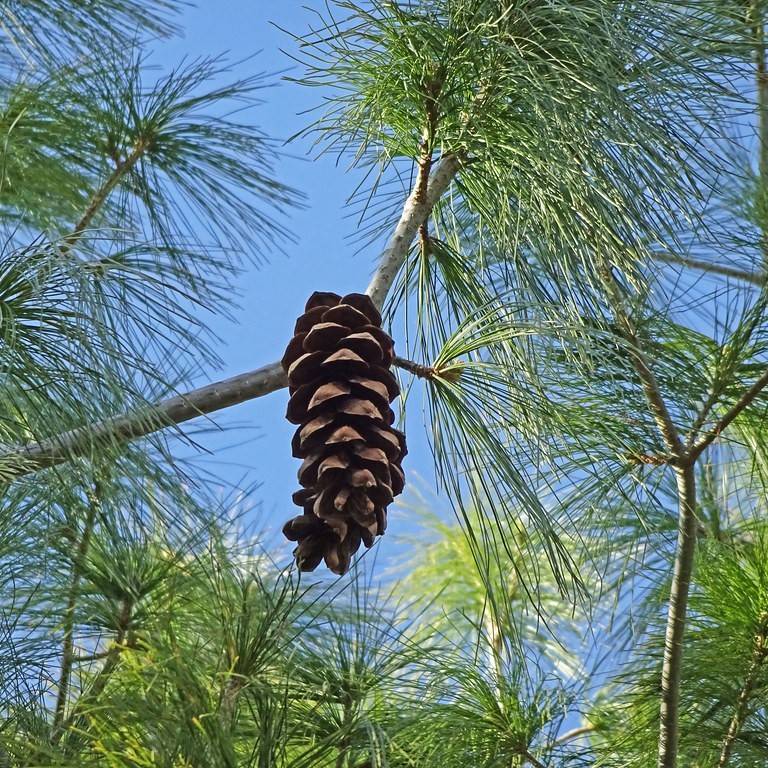
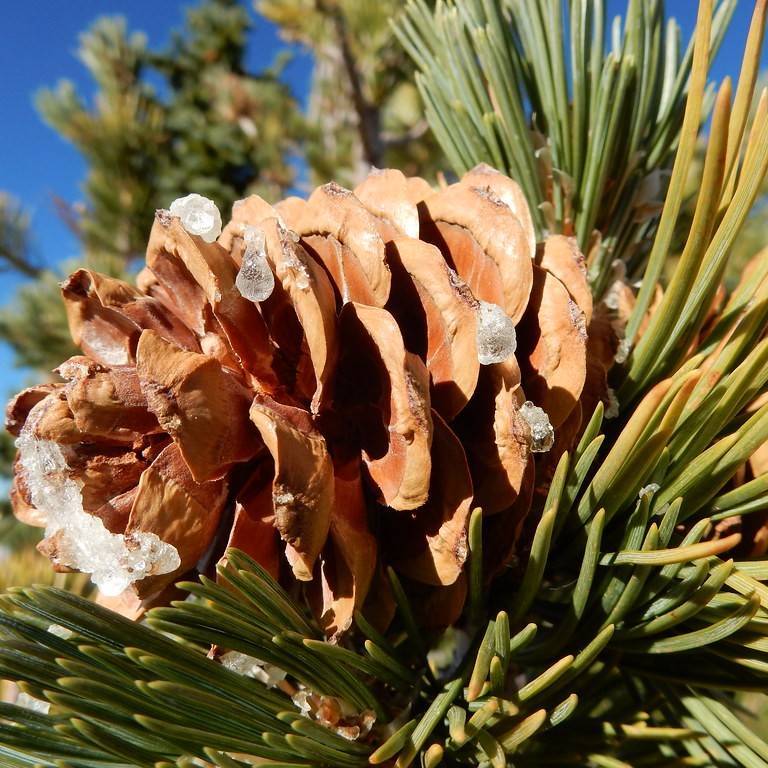
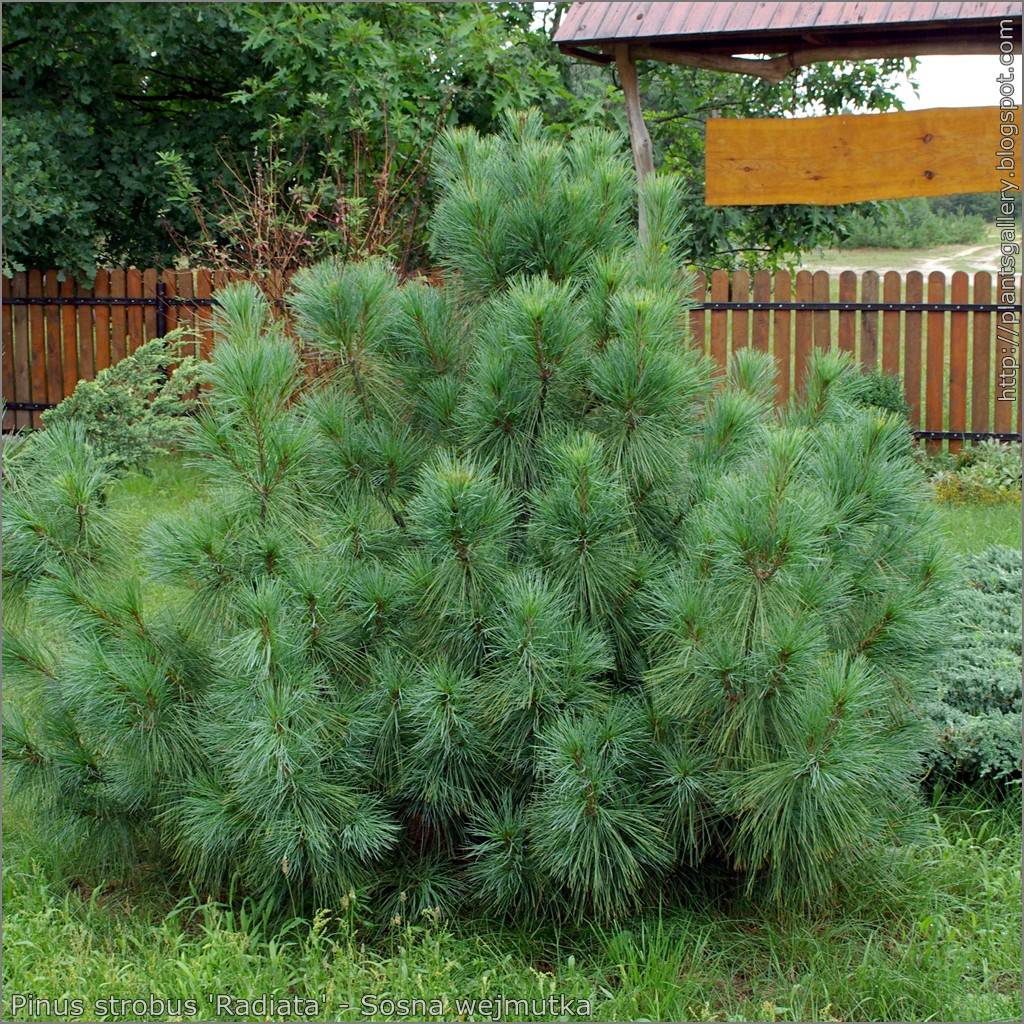
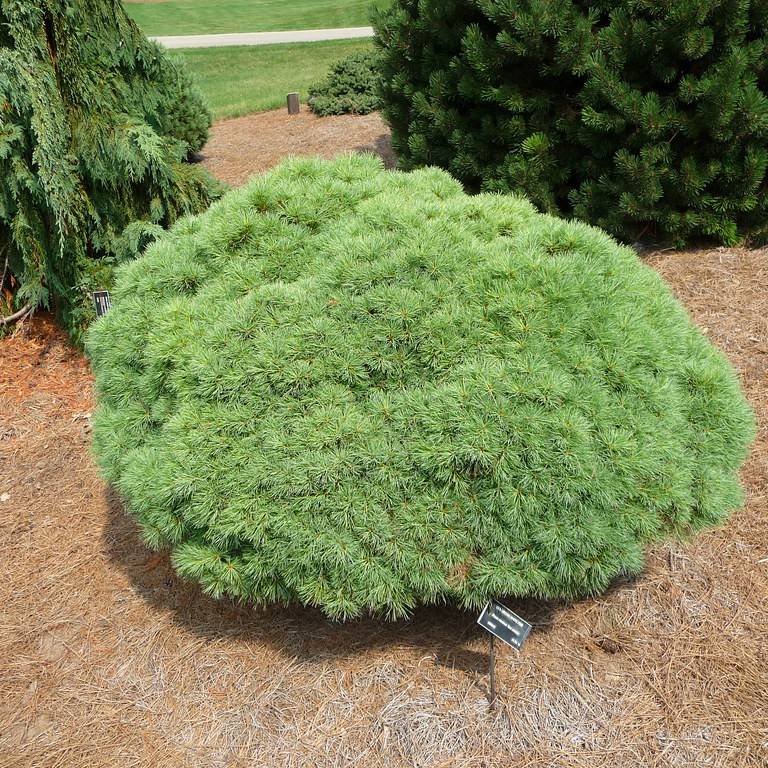
Eastern white pine is one of the most widely distributed and commercially valuable conifers in eastern North America, known for its flexible, five-needle clusters that give the tree a soft, feathery texture. It grows rapidly compared to many other native pine species, developing a broad, pyramidal silhouette when young that matures into a more irregular, open crown with age. Older trees develop distinctive, furrowed gray-brown bark and produce slender, light brown cones that hang downward from branches.
Care Guide
Watering
Young Eastern white pines require regular, deep watering during the first 2-3 years of establishment, especially during periods of drought, to support the development of a deep root system. Once established, the species is highly drought-tolerant, requiring only occasional supplemental watering during extended dry spells; overwatering in poorly drained soil can lead to root rot. Avoid watering the foliage directly to reduce the risk of fungal needle diseases.
Light
Eastern white pine thrives in full, direct sunlight, requiring a minimum of 6 hours of unobstructed light per day for optimal growth and dense foliage development. It can tolerate very light, dappled shade, particularly when young, but prolonged shade will cause sparse, leggy growth and reduced overall vigor. Plant in an open location away from taller overstory trees that would block consistent sunlight access.
Soil
This pine adapts to a wide range of soil types, including sandy, loam, and slightly rocky substrates, but performs best in moist, well-drained, acidic soil with a pH between 4.5 and 6.0. It does not tolerate heavy, compacted clay soils or sites with poor drainage, as stagnant moisture around the roots will quickly cause rot and decline. It is also sensitive to highly alkaline soils, which can cause nutrient deficiency and yellowing of needles.
Fertilizer
Young Eastern white pines benefit from a light application of a balanced, slow-release evergreen fertilizer in early spring, before new growth emerges, to support robust needle and root development. Mature, established trees rarely require fertilization, as they can access sufficient nutrients from the surrounding soil; over-fertilization can cause excessive, weak growth that is prone to pest damage. Avoid using high-nitrogen lawn fertilizers near the tree’s root zone, as these can alter soil pH and harm beneficial soil fungi.
Temperature
Eastern white pine is extremely cold-hardy, suitable for USDA hardiness zones 3 through 8, and can withstand winter temperatures as low as -40°F (-40°C) without damage. It tolerates summer heat well in its native range, but may struggle in regions with consistently high temperatures above 90°F (32°C) combined with high humidity, which can increase susceptibility to fungal diseases. Young saplings may benefit from a protective burlap wrap during their first 1-2 winters to prevent sunscald and wind burn.
Pruning
Pruning is rarely required for Eastern white pine, as it naturally develops a uniform, attractive growth form; only remove dead, damaged, or diseased branches as needed, ideally in late winter before new growth begins. To encourage denser foliage, you can lightly pinch back half of the new candle growth (the soft, light-green new shoots) in late spring, which stimulates branching without distorting the tree’s shape. Avoid cutting back into older, woody sections of branches that lack green needles, as these will not regrow.
Propagation
Eastern white pine is most commonly propagated from seed, which requires a 30-60 day cold stratification period to break dormancy before sowing in moist, sterile seed starting mix in early spring. Cuttings are possible but have a very low success rate, even when taken from young, vigorous trees and treated with rooting hormone, so seed propagation is preferred for most cultivation purposes. Wild seedlings can also be transplanted successfully when young, as long as the majority of the taproot is preserved during digging.
Humidity
This species prefers moderate to high humidity levels, typical of its native eastern North American range, but can adapt to lower humidity conditions once established, as long as soil moisture is consistent. Very dry, arid conditions can cause browning of needle tips and increased susceptibility to spider mite infestations, so occasional misting of young trees in dry indoor or arid outdoor settings can help reduce stress. Good air circulation around the foliage is important to prevent fungal growth, especially in areas with high summer humidity.
Repotting
Eastern white pine is rarely grown as a potted plant long-term, as its large size and deep taproot make container cultivation impractical beyond the sapling stage; young saplings intended for outdoor planting can be kept in containers for 1-2 years before transplanting. If growing as a bonsai, repot every 2-3 years in early spring before new growth emerges, trimming back up to one-third of the root ball and using a well-drained, acidic bonsai soil mix to prevent waterlogging. Ensure containers have ample drainage holes to avoid root rot, and avoid using pots that are overly large relative to the root system.
Uses & Symbolism
Eastern white pine is widely planted as an ornamental landscape tree for its rapid growth, soft foliage, and attractive evergreen form, often used as a windbreak, privacy screen, or specimen tree in large yards and parks. Its lightweight, straight-grained, low-resin wood is commercially harvested for lumber, cabinetry, millwork, and Christmas trees, making it one of the most economically important timber species in eastern North America. Historically, Indigenous peoples used the inner bark, needles, and resin for medicinal purposes, including treating coughs, wounds, and rheumatism, and the large, straight trunks were prized for ship masts during colonial times.
Diseases & Pests
Eastern white pine is highly susceptible to white pine blister rust, a fungal disease spread by currant and gooseberry (Ribes species) alternate hosts, which causes cankers on branches and stems that can girdle and kill the tree. Common pests include white pine weevils, which lay eggs on the leading shoot of young trees, causing the tip to die back and distort the tree’s growth form, and pine sawflies, which defoliate branches if populations are large. Needle cast fungi can also cause browning and premature drop of older needles in wet, humid conditions, though this rarely causes serious long-term damage to healthy, established trees.
Related plants
Other plants you might like if you grow Eastern White Pine.