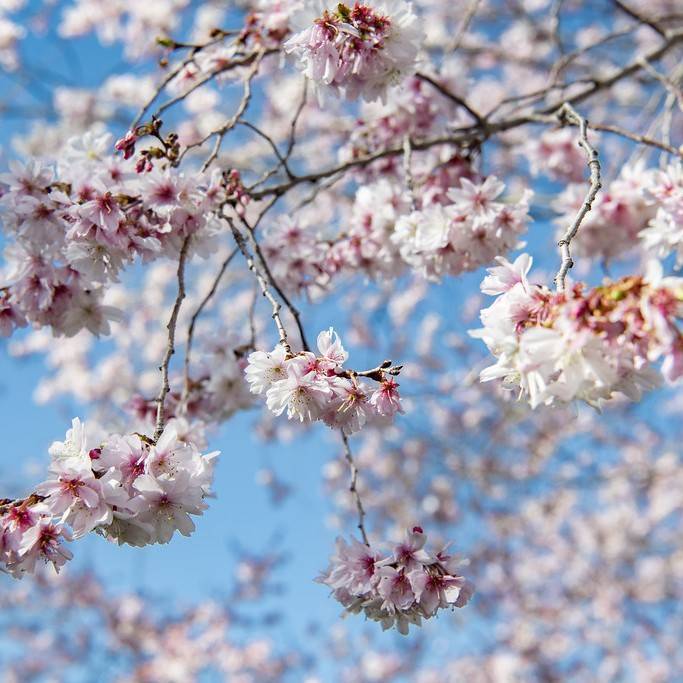
Higan Cherry
Prunus subhirtella
Overview
Higan cherry is a widely cultivated ornamental tree prized for its early, profuse spring flowering and graceful, rounded to spreading growth habit. Many cultivars, including the popular weeping 'Pendula' variety, are grown in temperate landscapes for their seasonal interest and moderate size that fits well in residential yards. It is also known for its relative tolerance of colder temperatures compared to many other flowering cherry species, making it a popular choice in regions with harsh winters.
Care Guide
Watering
Water newly planted higan cherry trees regularly, keeping the soil consistently moist but not waterlogged for the first two years to support root establishment. Mature trees are moderately drought tolerant, requiring supplemental water only during extended periods of dry, hot weather to prevent stress. Avoid overwatering, as soggy soil can lead to root rot and other fungal issues.
Light
Higan cherry thrives in full sun, requiring at least 6 hours of direct, unfiltered sunlight daily to produce the most abundant and vibrant spring blooms. It can tolerate very light partial shade, but reduced sunlight will lead to sparser flowering and a more open, leggy growth habit. Plant in a location with unobstructed southern or eastern exposure for best performance.
Soil
This adaptable tree grows well in most well-drained soil types, including loam, sandy loam, and clay loam, with a preferred slightly acidic to neutral pH range of 5.5 to 7.0. It will not tolerate heavy, poorly draining soils that stay saturated for long periods, so amend heavy clay sites with compost or organic matter before planting to improve drainage. Avoid planting in low-lying areas where water pools after rain.
Fertilizer
Fertilize young higan cherry trees annually in early spring with a balanced, slow-release 10-10-10 fertilizer to support healthy foliage and root growth. Mature trees only need fertilization every 2 to 3 years, using a formula higher in phosphorus to encourage blooming, applied around the drip line of the tree. Avoid overfertilizing, as excess nitrogen can lead to excessive vegetative growth and reduced flowering, plus increased susceptibility to pests.
Temperature
Higan cherry is cold hardy in USDA zones 4 through 8, tolerating winter temperatures as low as -30°F (-34°C) without significant damage. It requires a period of winter chill (approximately 800 to 1200 hours below 45°F / 7°C) to break dormancy and produce healthy blooms in spring. It can tolerate occasional summer heat up to 90°F (32°C) if provided with adequate moisture, but prolonged extreme heat may cause leaf scorch.
Pruning
Prune higan cherry trees immediately after flowering finishes in spring, before new buds form for the next year, to avoid removing future bloom growth. Remove dead, damaged, diseased, or crossing branches to improve air circulation through the canopy and reduce the risk of fungal infections. Avoid heavy pruning, as this tree has a naturally graceful shape and excessive cutting can stimulate weak, leggy growth that is prone to breakage.
Propagation
Higan cherry is most commonly propagated through softwood cuttings taken in early summer, treated with rooting hormone, and placed in a well-drained, moist growing medium under high humidity until roots form. Named cultivars are typically grafted onto hardy Prunus rootstock to ensure consistent growth habit, flowering characteristics, and disease resistance. It can also be grown from seed, but seed-grown trees will not retain the exact traits of the parent plant and may take many years to bloom.
Humidity
Higan cherry adapts well to a wide range of humidity levels, thriving in the moderate humidity common to its native temperate Asian habitats and most temperate growing regions. It can tolerate lower humidity levels in drier inland climates if provided with sufficient soil moisture, but extremely arid conditions may cause leaf edge scorch. High humidity combined with poor air circulation can increase the risk of fungal leaf spot and powdery mildew, so ensure adequate spacing between plants.
Repotting
Higan cherry is almost exclusively grown as an outdoor landscape tree and rarely kept in containers long-term, so repotting is not a standard care practice for most growers. If grown temporarily in a container for transplant, repot young trees annually in early spring before bud break, using a well-drained, loamy potting mix and a container 2 to 3 inches larger than the previous one. Once the tree reaches 3 to 4 feet in height, transplant it to a permanent outdoor location, as it will quickly outgrow even large containers.
Uses & Symbolism
Higan cherry is primarily grown as an ornamental landscape tree for its stunning early spring blooms, which make it a popular focal point in residential yards, public parks, and street plantings. Weeping cultivars are often planted near water features or as standalone specimen trees to highlight their graceful, cascading branching structure. It is also occasionally used in bonsai cultivation, valued for its delicate flowers and attractive bark that develops interesting fissures with age.
Diseases & Pests
Higan cherry is susceptible to a number of common Prunus diseases, including brown rot, a fungal infection that causes blossom blight and fruit rot, and powdery mildew, which coats leaves in a white, powdery growth during humid, cool weather. Common pests include aphids, which feed on new growth and excrete honeydew that leads to sooty mold, and Japanese beetles, which skeletonize leaves during summer months. It can also develop canker diseases on branches if wounded, so avoid unnecessary pruning damage and remove infected branches promptly to prevent spread.
Related plants
Other plants you might like if you grow Higan Cherry.
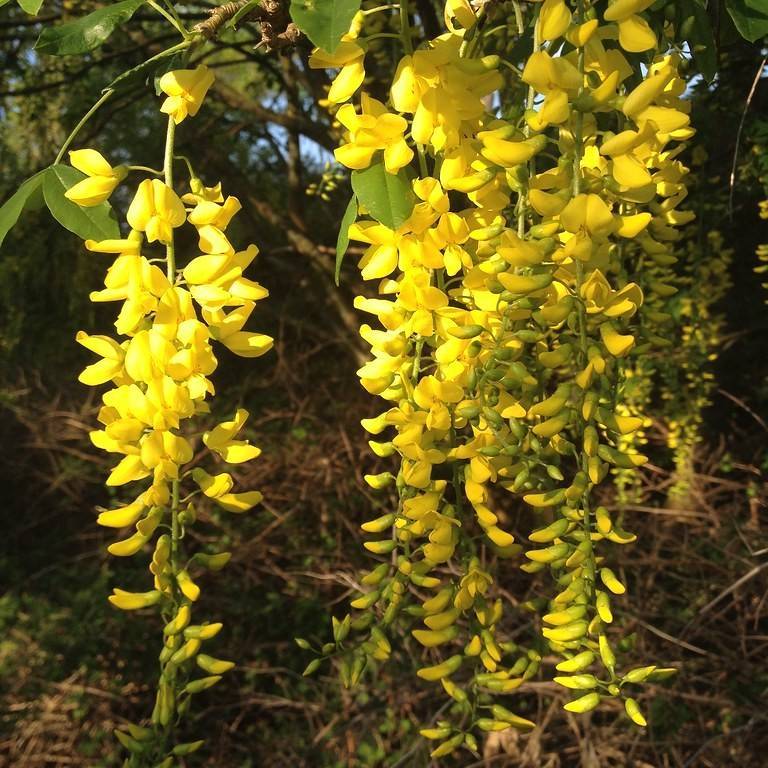
Common Laburnum
Laburnum anagyroides
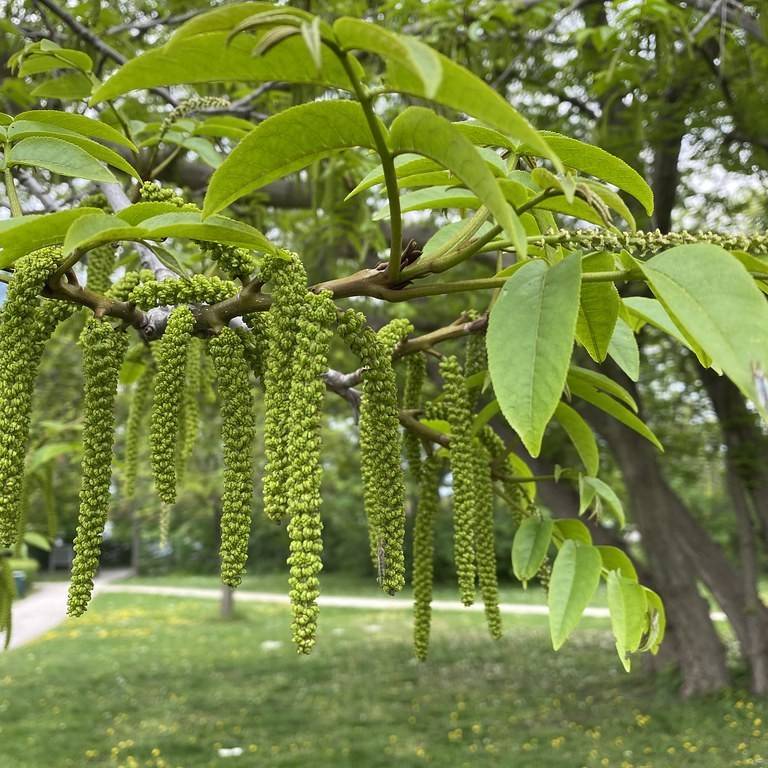
Caucasian Wingnut
Pterocarya fraxinifolia
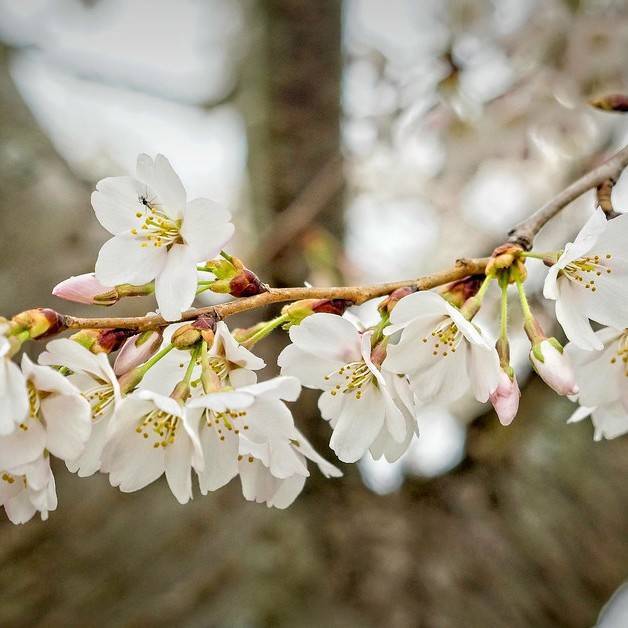
Bird Cherry
Prunus padus
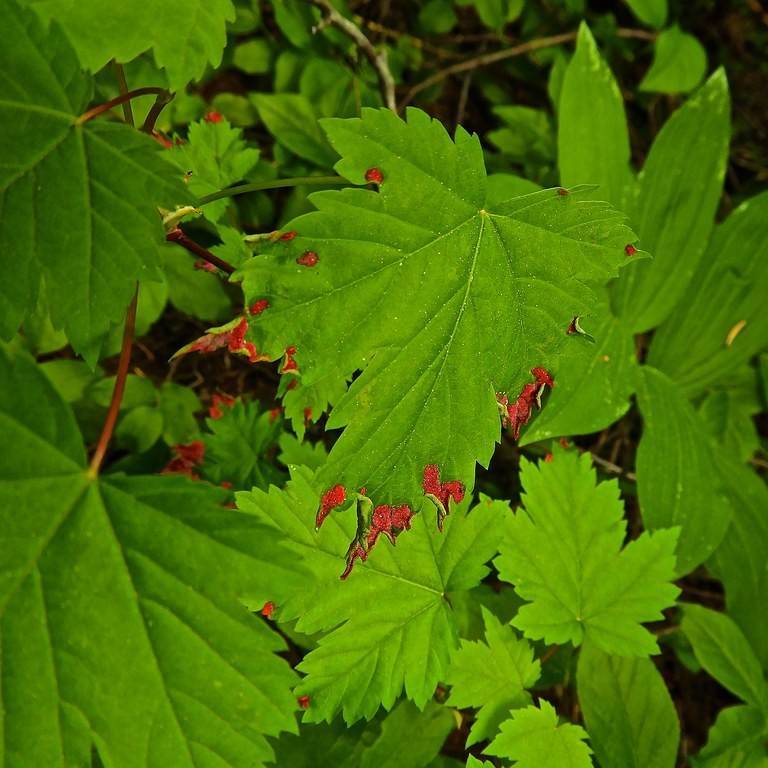
Douglas Maple
Acer glabrum var. douglasii
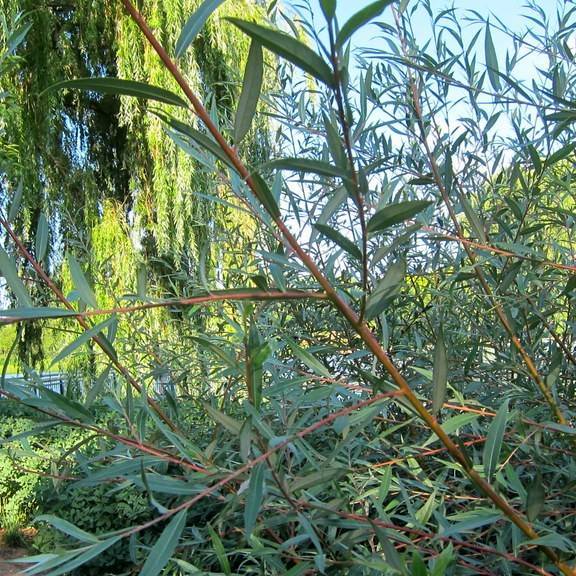
Coral Bark Willow
Salix alba var. vitellina 'Britzensis'
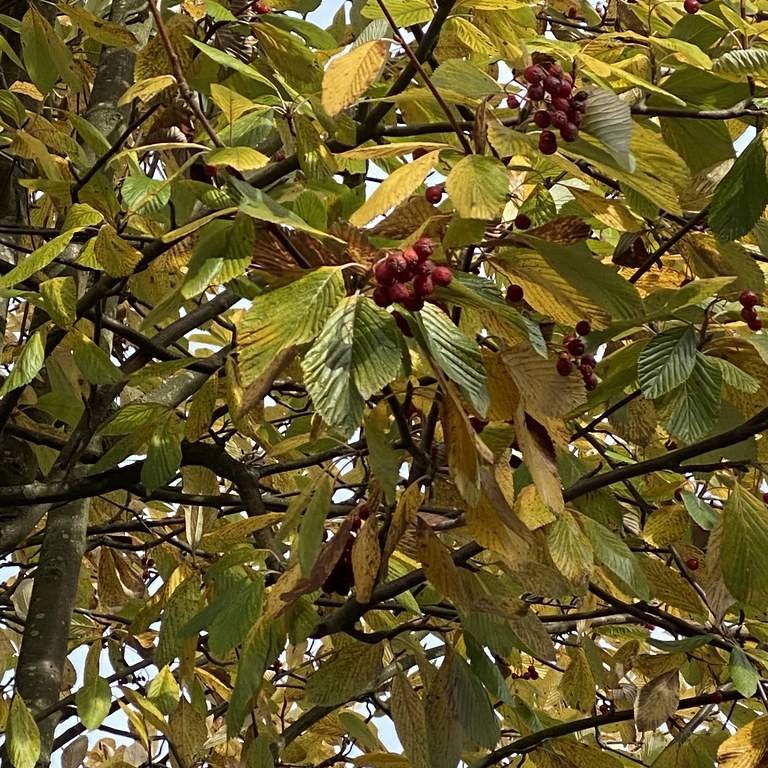
Japanese Flowering Cherry
Prunus serrulata
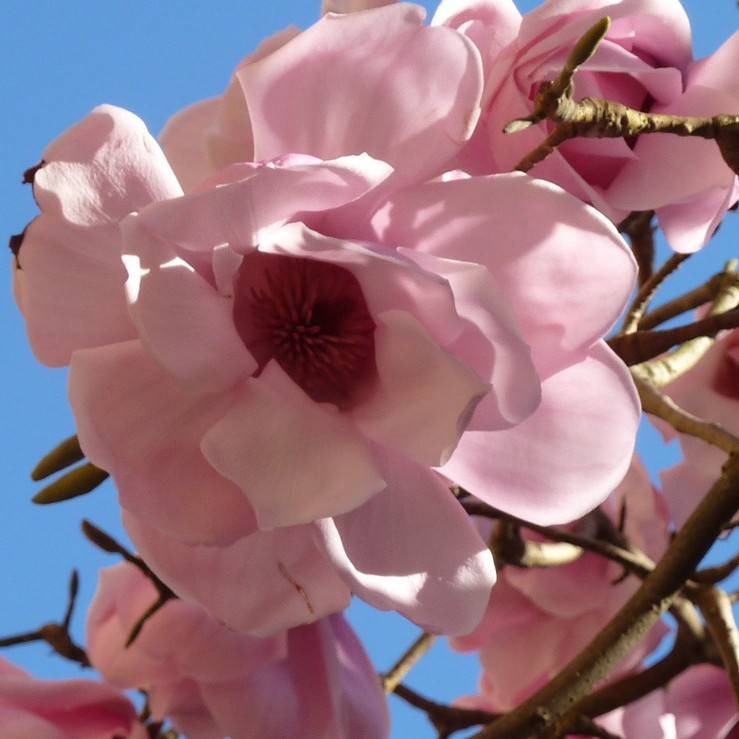
Caerhays Belle Magnolia
Magnolia 'Caerhays Belle'
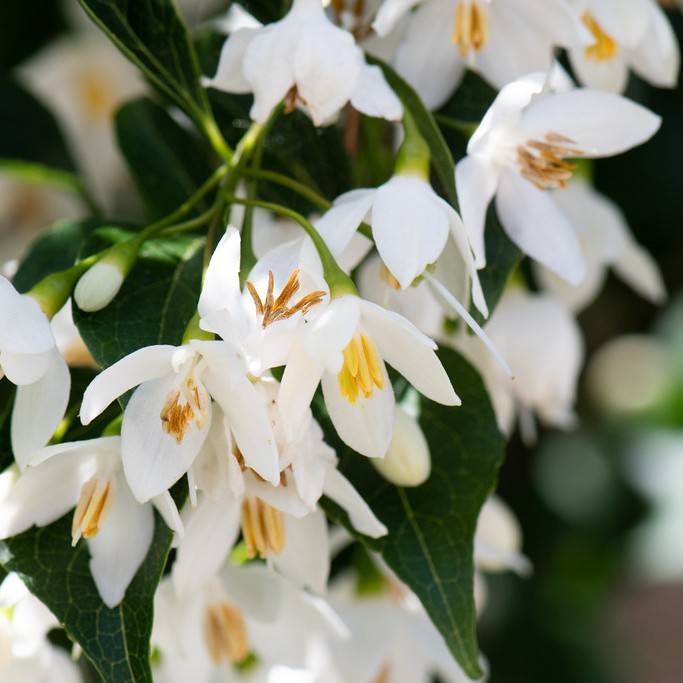
Japanese Snowbell
Styrax japonicus