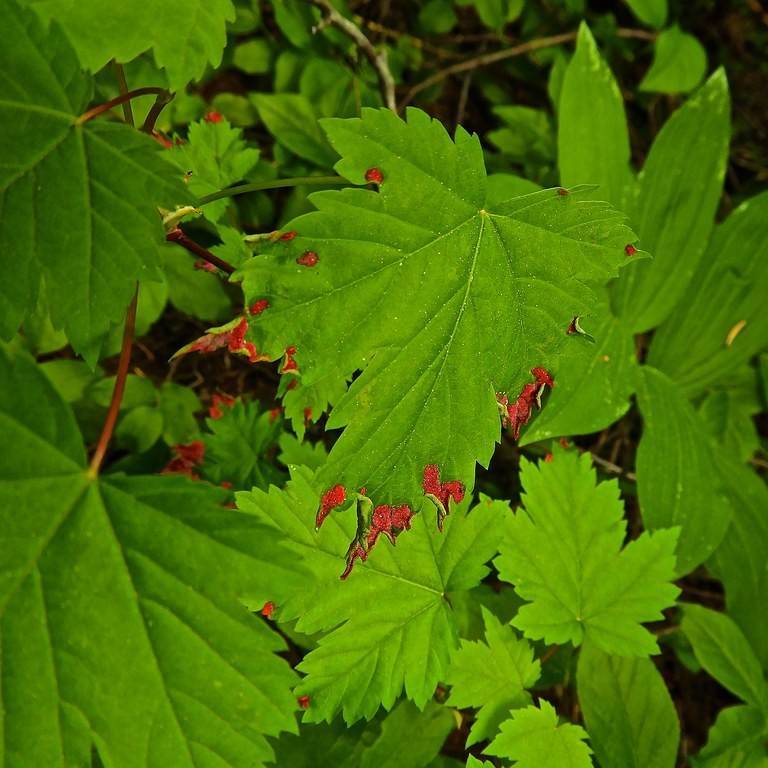
Douglas Maple
Acer glabrum var. douglasii
Overview
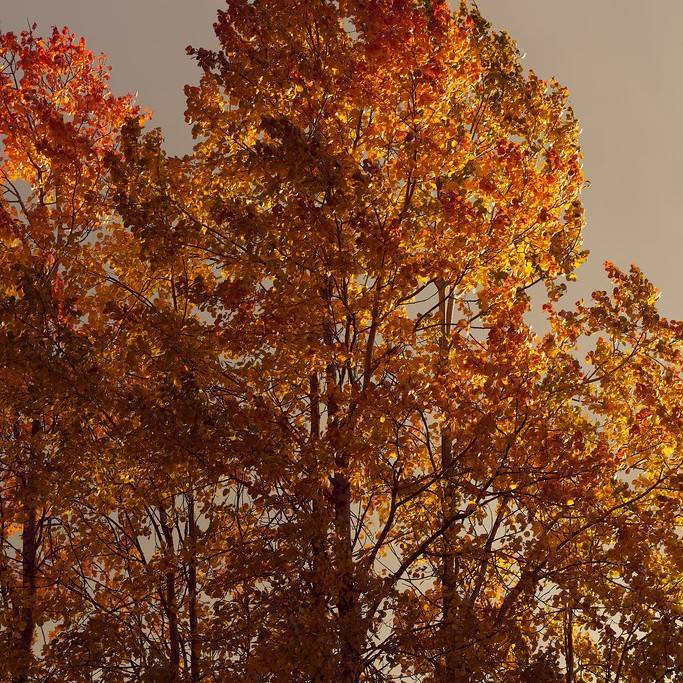
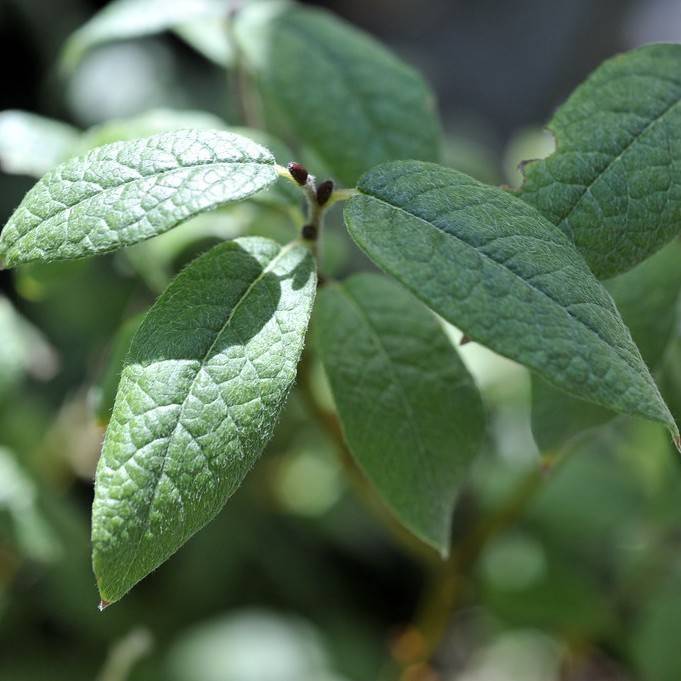
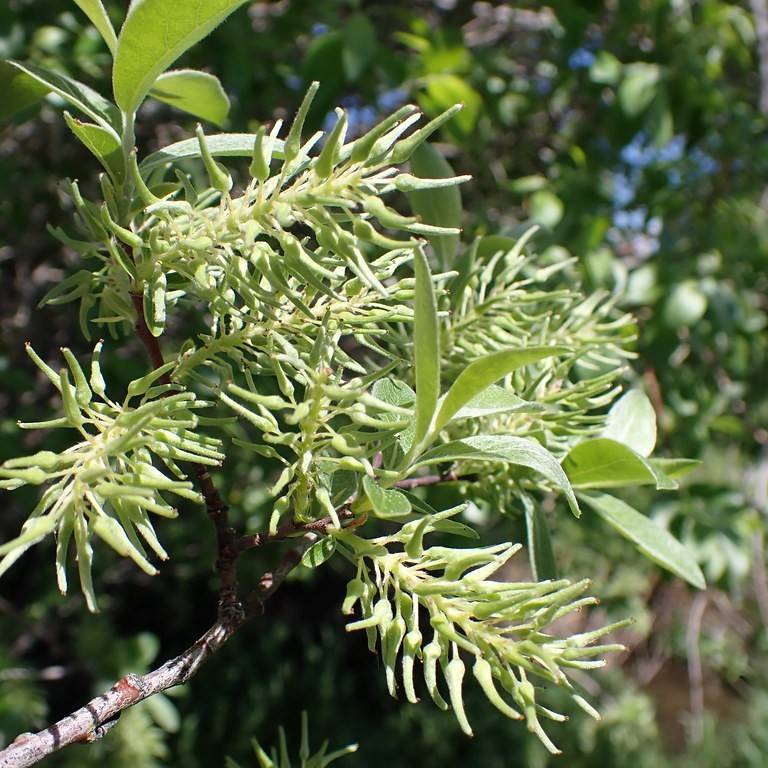
Douglas maple is a compact, often multi-stemmed deciduous tree or large shrub that thrives in cool, moist mountain and coastal habitats of western North America. Its smooth, gray bark and small, three-lobed, dark green leaves turn vivid shades of yellow, orange, and red in autumn, making it a popular ornamental for small landscapes. It produces small, yellowish-green spring flowers followed by paired, winged samaras that ripen in late summer.
Care Guide
Watering
Douglas maple prefers consistent, moderate moisture, especially during its first few years of establishment; water deeply once weekly during dry periods to support root development. Mature specimens are moderately drought tolerant, though prolonged dry spells may cause leaf scorch, so supplemental watering is recommended in extended heat. Avoid overwatering or planting in waterlogged sites, as this can lead to root rot.
Light
This species grows best in full sun to partial shade, with full sun encouraging the most vibrant fall foliage color. In hotter, drier parts of its range, dappled afternoon shade protects leaves from scorch and reduces moisture stress. It will tolerate deeper shade, though growth may become sparser and fall color less intense.
Soil
Douglas maple adapts to a wide range of soil types, including sandy loam, loam, and rocky, well-drained soils common to its native mountain habitats. It prefers a slightly acidic to neutral pH range of 5.5 to 7.5, though it can tolerate mildly alkaline conditions. Heavy clay soils should be amended with organic matter to improve drainage and prevent root rot.
Fertilizer
Young Douglas maple trees benefit from a balanced, slow-release fertilizer applied in early spring before new growth emerges to support healthy leaf and root development. Mature specimens rarely need regular fertilization, especially if planted in nutrient-rich soil, though a light application of nitrogen-rich fertilizer can be applied if growth is stunted or leaves appear pale. Avoid fertilizing late in the growing season, as this can encourage tender new growth that is vulnerable to frost damage.
Temperature
This hardy maple thrives in cool to temperate climates, with a USDA hardiness range of 4 to 7, tolerating winter temperatures as low as -30°F (-34°C). It is well adapted to seasonal temperature fluctuations common to its native mountain range, including cool summers and cold, snowy winters. Hot, prolonged temperatures above 90°F (32°C) may cause leaf scorch without adequate shade and moisture.
Pruning
Prune Douglas maple during its dormant season in late winter or early spring to remove dead, damaged, or crossing branches and maintain its desired shape. Avoid heavy pruning, as this can stimulate excessive, weak sucker growth from the base of the tree. Thin out crowded inner branches periodically to improve air circulation and reduce the risk of fungal disease.
Propagation
Douglas maple is most commonly propagated from seeds, which require 90 to 120 days of cold stratification to break dormancy before sowing in spring. It can also be propagated from softwood cuttings taken in early summer, treated with rooting hormone, and kept in consistently moist, well-drained medium under high humidity. Suckers that grow from the root system can be dug up and transplanted in early spring before new growth begins for easy vegetative propagation.
Humidity
Douglas maple prefers moderate humidity levels common to its native coastal and mountain habitats, though it tolerates drier air once established. In very arid climates, occasional misting or placement near a water source can help reduce leaf browning and stress. It does not tolerate excessively high, prolonged humidity, which can increase the risk of foliar fungal diseases.
Repotting
Douglas maple is rarely grown as a container plant long-term, though young saplings can be kept in large pots for 2 to 3 years before planting in the ground. Repot young container specimens in early spring before new growth emerges, using a well-drained, loamy potting mix and a pot with ample drainage holes. Once the tree outgrows its container, it should be transplanted to a permanent outdoor location to accommodate its mature root system.
Uses & Symbolism
Douglas maple is widely planted as a small ornamental landscape tree for its compact size, attractive form, and vibrant fall foliage, ideal for small yards, street plantings, and naturalized areas. Native American tribes historically used its strong, hard wood for crafting tools, bows, and utensils, and its inner bark was processed to make cordage. It also provides valuable food and shelter for local wildlife, including birds and small mammals that feed on its seeds and use its dense foliage for nesting.
Diseases & Pests
Douglas maple is relatively resistant to most pests and diseases, though it may occasionally be affected by aphids, scale insects, and caterpillars that feed on its foliage, which can be controlled with horticultural oil or insecticidal soap for severe infestations. Fungal diseases such as powdery mildew, leaf spot, and verticillium wilt can occur in poorly drained soils or high humidity conditions, which can be mitigated by improving air circulation and avoiding overhead watering. Root rot may develop in waterlogged soils, so proper drainage is critical to prevent this fatal condition.
Guides that mention Douglas Maple
Related plants
Other plants you might like if you grow Douglas Maple.