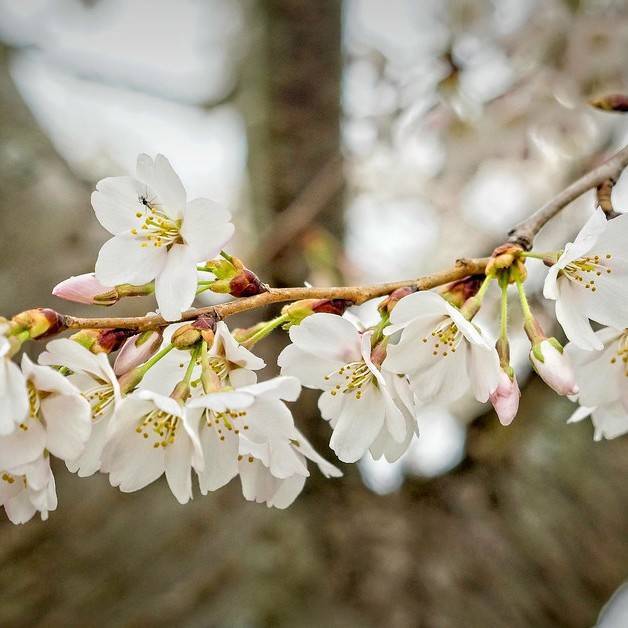
Bird Cherry
Prunus padus
Overview
Bird cherry is a fast-growing deciduous tree native to temperate Eurasian regions, widely planted in gardens and urban green spaces for its ornamental value. It produces pendulous clusters of strongly scented white flowers in spring, followed by small, bitter dark purple berries in late summer that are a critical food source for birds and small mammals. Its smooth grey bark and oval, serrated leaves turn warm yellow in autumn, adding seasonal interest to landscapes.
Care Guide
Watering
Water young trees regularly during the first 2-3 growing seasons to keep the soil consistently moist but not waterlogged, as established specimens are moderately drought-tolerant and only need supplemental watering during extended dry periods. Avoid overwatering, which can lead to root rot, especially in poorly drained soils.
Light
Bird cherry thrives in full sun to partial shade, with at least 4 hours of direct sunlight daily to support abundant flowering and fruiting. It can tolerate light dappled shade, though flowering will be less prolific in heavily shaded positions.
Soil
This adaptable tree grows well in most well-drained soil types, including loam, clay, and sandy soils, preferring a neutral to slightly acidic pH between 6.0 and 7.5. It can tolerate occasional waterlogging better than many other Prunus species, making it suitable for planting near streams or low-lying areas.
Fertilizer
Apply a balanced, slow-release granular fertilizer in early spring before new growth emerges to support healthy foliage and flower production. Established trees rarely need regular feeding, but poor, nutrient-depleted soils can benefit from a light annual topdressing of well-rotted organic matter like compost.
Temperature
Bird cherry is cold-hardy, suitable for USDA zones 3 to 7, and can tolerate winter temperatures as low as -40°F (-40°C). It prefers cool to moderate summer temperatures and may struggle in regions with prolonged, extreme heat above 90°F (32°C) without adequate moisture.
Pruning
Prune during late winter or early spring while the tree is dormant to remove dead, diseased, or crossing branches, improving air circulation through the canopy. Avoid heavy pruning, as bird cherry is prone to bleeding sap when cut actively, and only trim to maintain a desired shape or remove damaged growth.
Propagation
Bird cherry is most commonly propagated from seed, which requires 3-4 months of cold stratification to break dormancy before sowing in spring. Softwood cuttings taken in early summer can also root successfully if treated with rooting hormone and kept in a humid, sheltered environment.
Humidity
This tree tolerates a wide range of humidity levels, from the moist conditions of riparian habitats to the drier air of inland temperate regions. It has no specific humidity requirements and thrives in the ambient humidity of its native growing zones.
Repotting
Bird cherry is rarely grown in containers long-term, as its extensive root system requires space to spread, though young saplings can be kept in large, deep pots for 1-2 years before transplanting to the ground. When transplanting, dig a hole twice as wide as the root ball and plant at the same depth it was growing in its container to avoid root stress.
Uses & Symbolism
Bird cherry is widely planted as an ornamental tree in parks, gardens, and hedgerows for its fragrant spring blooms and autumn foliage color, while its berries support native bird and insect populations. Historically, its hard, fine-grained wood has been used for woodturning and small craft projects, and diluted extracts of its bark were used in traditional medicine to treat coughs and colds, though internal use is not recommended today due to toxicity risks.
Diseases & Pests
Bird cherry is susceptible to common Prunus diseases including cherry leaf spot, powdery mildew, and silver leaf fungus, which can cause foliage discoloration and dieback if left untreated. Common pests include aphids, cherry blackfly, and winter moth caterpillars, which feed on new foliage; infestations are rarely severe enough to harm mature trees but can be controlled with horticultural oil for young or stressed specimens.
Guides that mention Bird Cherry
Related plants
Other plants you might like if you grow Bird Cherry.
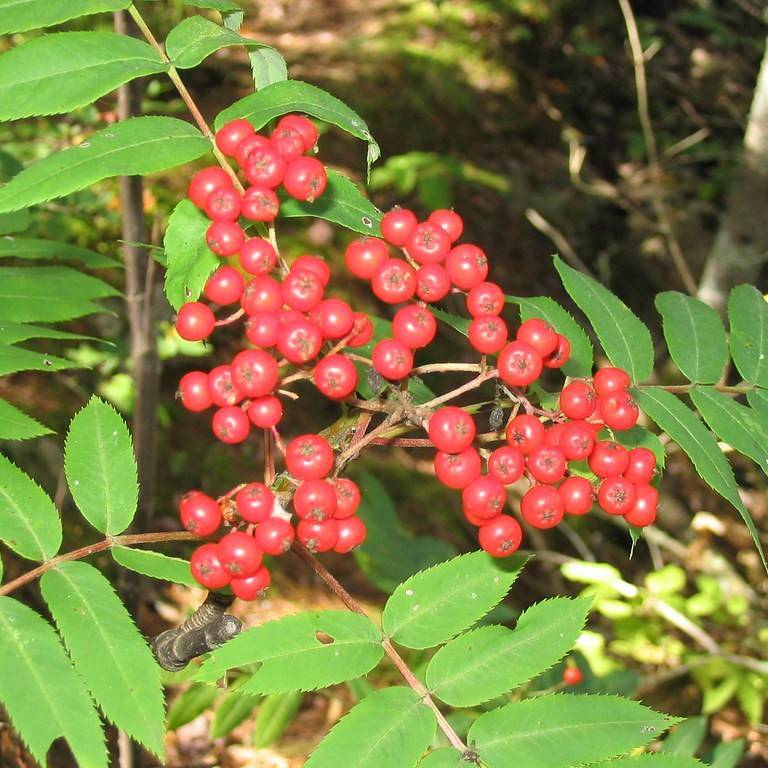
American Mountain Ash
Sorbus americana
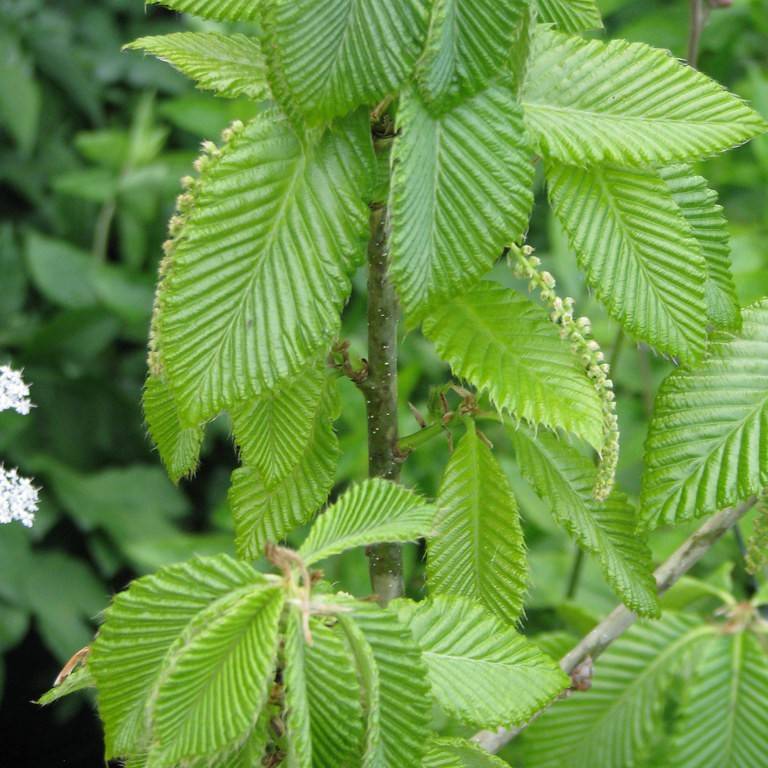
Armenian Oak
Quercus pontica
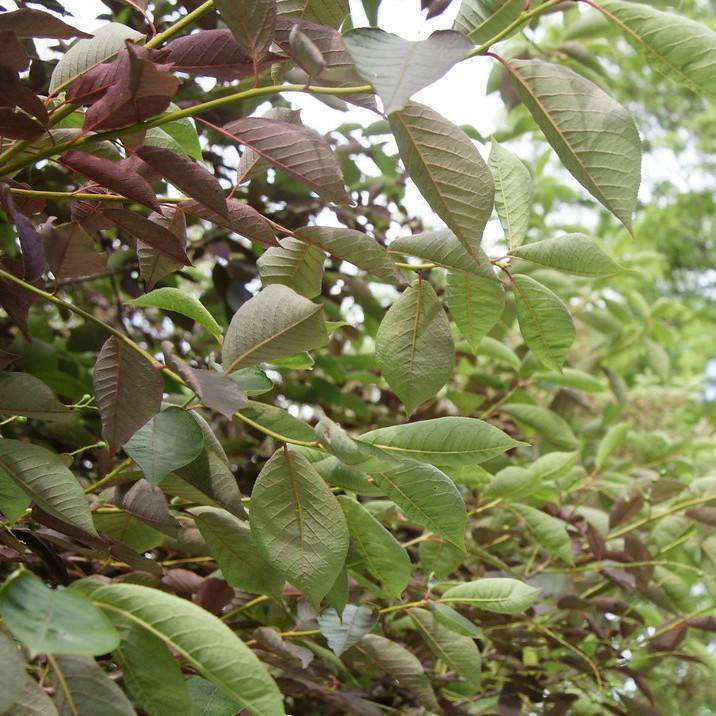
Chokecherry
Prunus virginiana
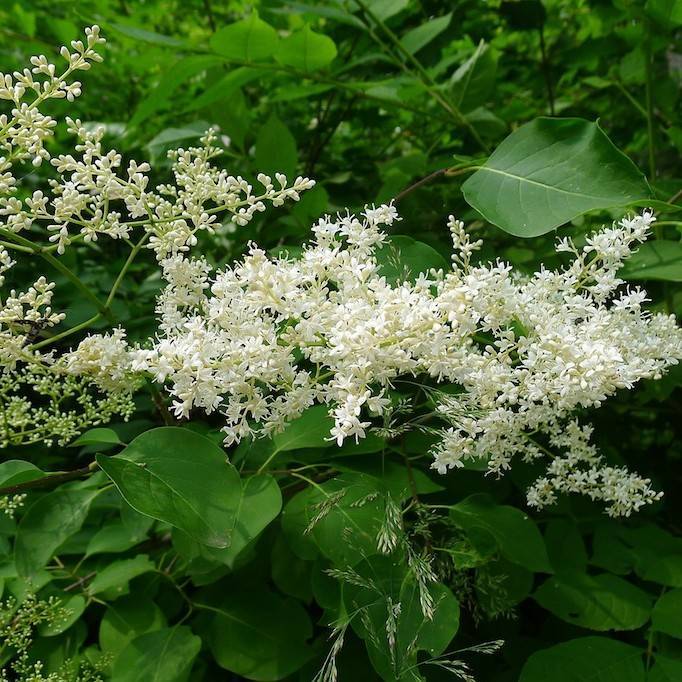
Chinese Tree Lilac
Syringa reticulata subsp. pekinensis
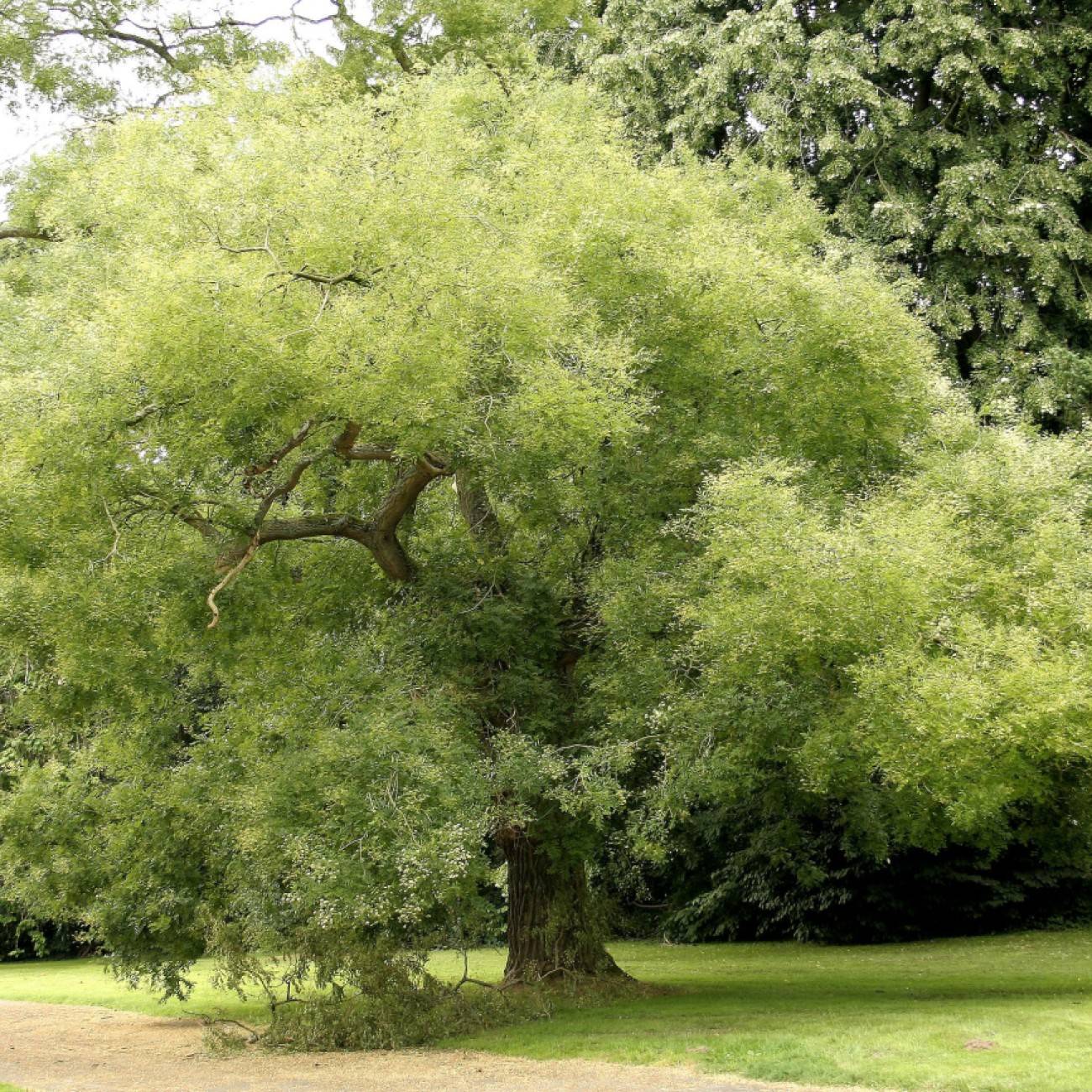
Japanese Pagoda Tree
Styphnolobium japonicum
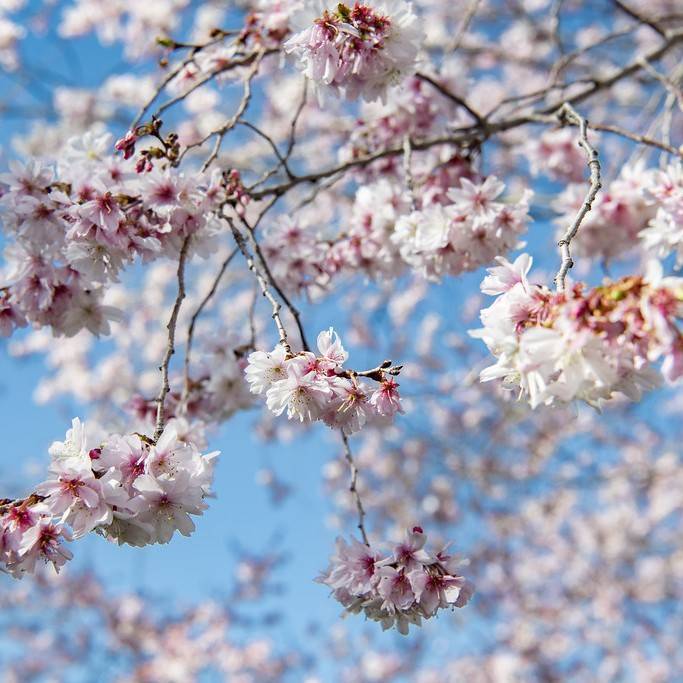
Higan Cherry
Prunus subhirtella
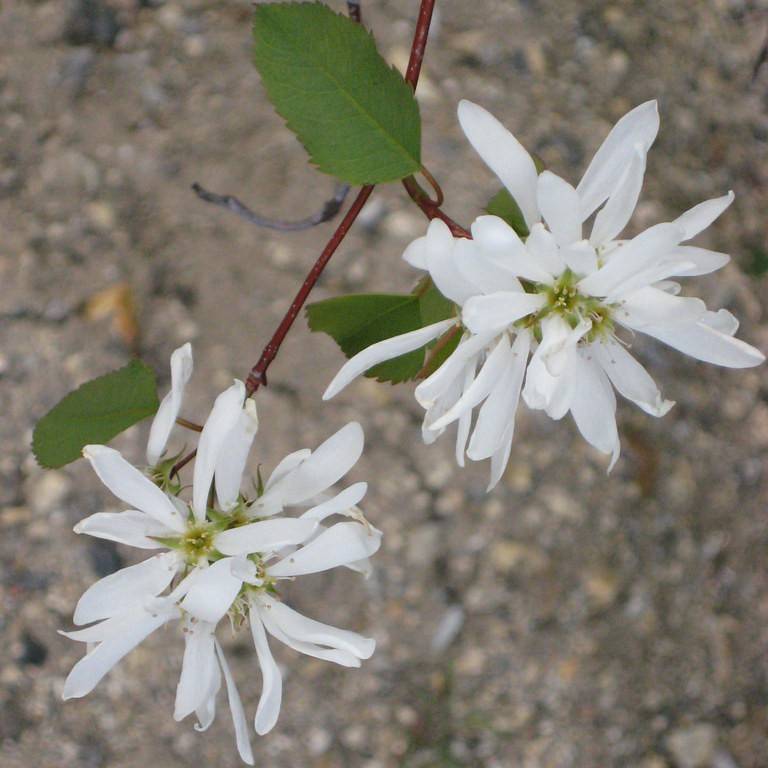
Beautiful Serviceberry
Amelanchier arborea
American Cranberry Bush
Viburnum opulus var. americanum