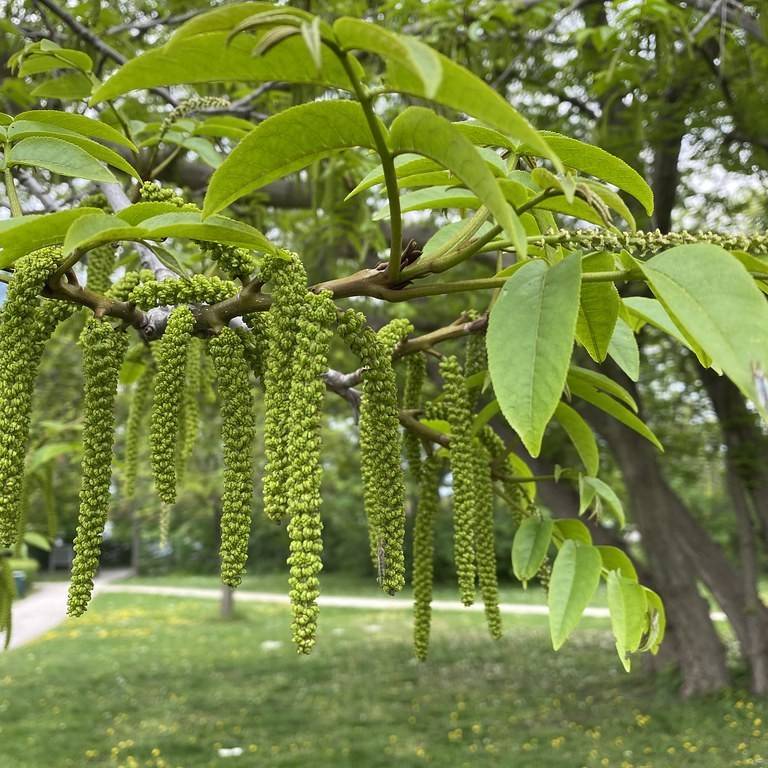
Caucasian Wingnut
Pterocarya fraxinifolia
Overview
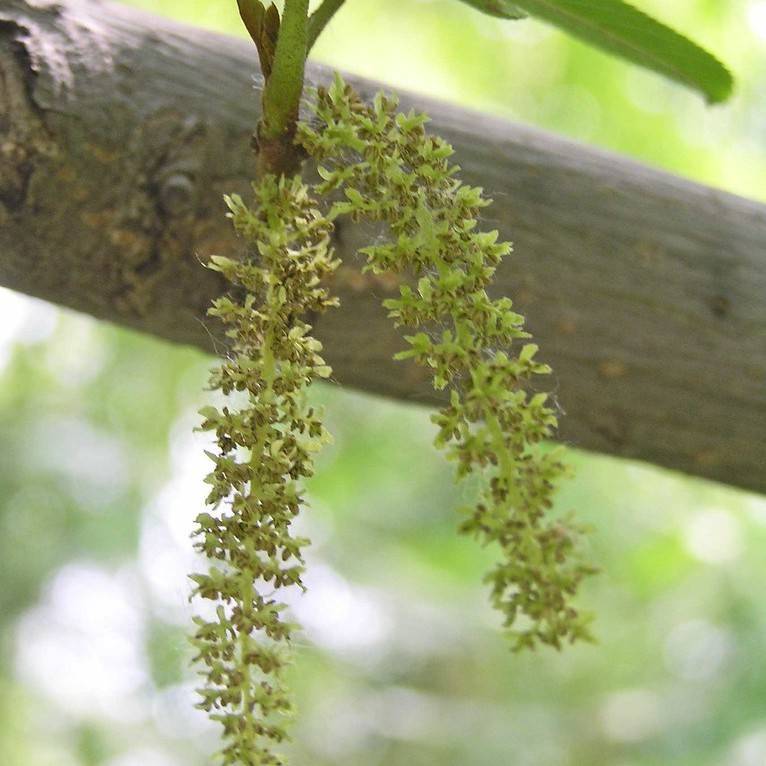
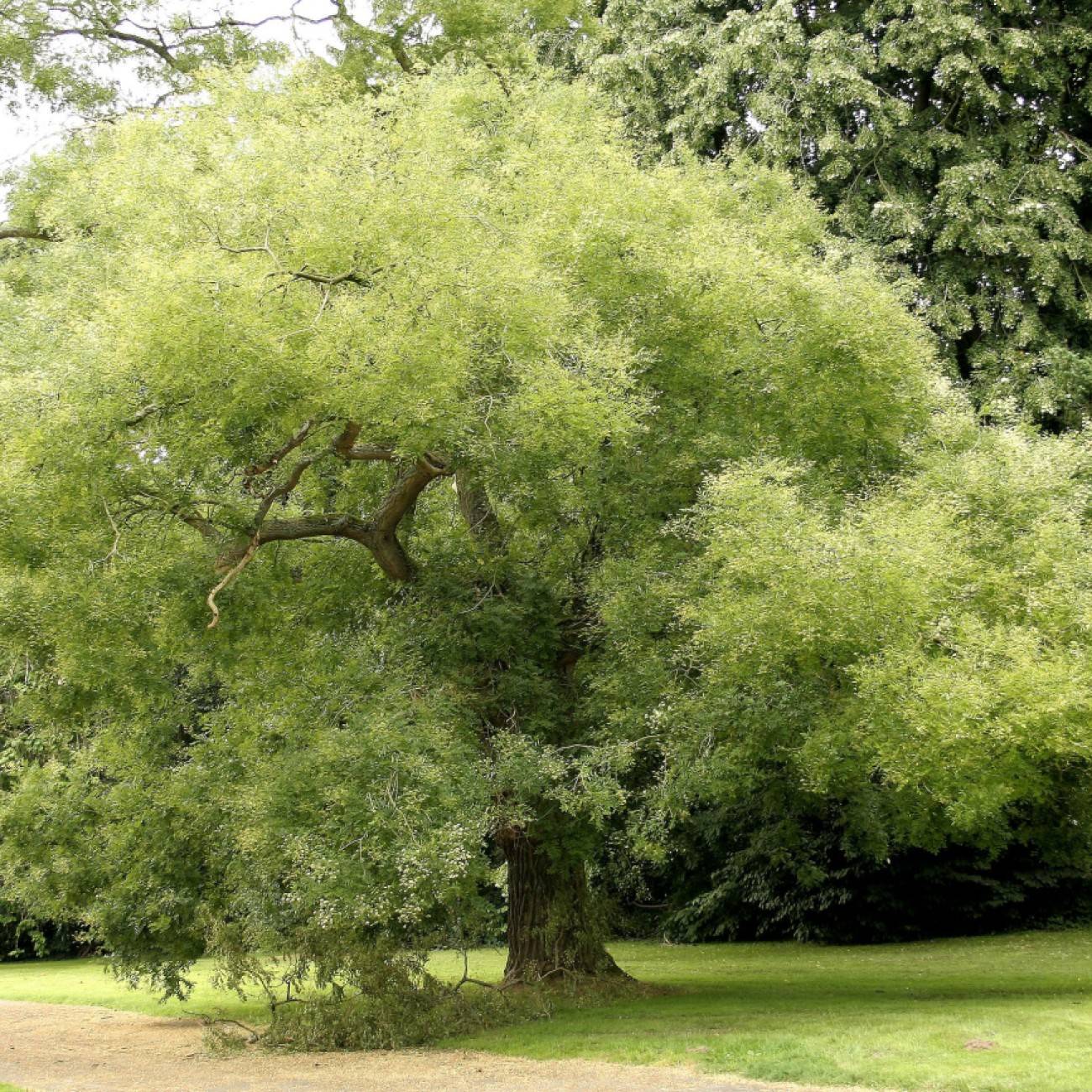
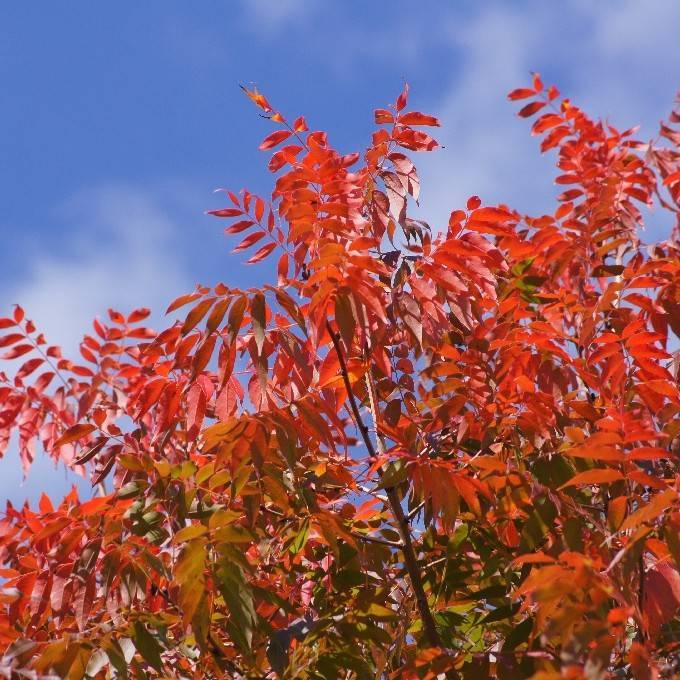
The Caucasian Wingnut is a robust deciduous tree in the walnut family, recognizable by its pinnate, ash-like leaves that turn pale yellow in autumn. It produces long, drooping catkins in spring that mature into chains of small, papery-winged nuts by late summer, which persist into early winter for ornamental interest. Widely cultivated as a shade and park tree, it adapts well to varied temperate climates and tolerates urban conditions better than many large native trees.
Care Guide
Watering
Prefers consistently moist, well-drained soil, and tolerates periodic flooding or standing water better than most other large landscape trees. Water deeply and regularly during the first 2-3 years of establishment to support root development; mature trees only need supplemental watering during extended periods of drought. Avoid letting the root zone dry out completely, as this can cause leaf scorch and premature leaf drop in hot weather.
Light
Thrives in full sun, receiving a minimum of 6 hours of direct, unfiltered sunlight daily for best growth and canopy density. It can tolerate partial shade, but growth will be slower and the canopy may become sparser and less uniform. Plant in an open, unobstructed location to accommodate its wide mature spread without crowding structures or other plants.
Soil
Adaptable to a wide range of soil types, including clay, loam, and sandy soils, as long as drainage is adequate. It tolerates slightly acidic to slightly alkaline pH levels, and can even withstand occasionally waterlogged or compacted soils common in urban settings. Amending planting sites with organic matter will improve root establishment, but the tree will usually perform well even in unamended, average garden soil.
Fertilizer
Young, newly planted trees benefit from a balanced, slow-release fertilizer applied once annually in early spring to support new growth. Mature, established trees rarely need fertilization, especially if growing in nutrient-rich soil, but a light application of nitrogen-heavy fertilizer in early spring can boost leaf production if growth appears stunted. Avoid overfertilizing, as this can lead to excessive, weak new growth that is prone to breakage in wind or storms.
Temperature
Hardy in USDA zones 5 to 8, tolerating minimum winter temperatures down to -20°F (-29°C) without significant damage. It prefers temperate climates with moderate summer heat, and may experience leaf scorch if exposed to prolonged temperatures above 95°F (35°C) paired with dry soil. Spring frost can damage new young foliage, but the tree will usually regrow leaves quickly once temperatures warm consistently.
Pruning
Prune during the dormant winter season to remove dead, diseased, or crossing branches, and to maintain a strong central leader structure for young trees. Avoid heavy pruning once the tree is mature, as large pruning cuts are slow to heal and can invite fungal pathogens. Remove any low-hanging or obstructing branches as needed to maintain clearance for walkways or structures, taking care not to remove more than 10% of the canopy in a single year.
Propagation
Most commonly propagated from seed, which requires 2-3 months of cold stratification to break dormancy before sowing in spring. Collect mature winged seeds in late autumn, clean off the papery wings, and store in moist, cool conditions until stratification is complete. It can also be propagated from softwood cuttings taken in early summer, though rooting success rates are typically lower than seed propagation.
Humidity
Tolerates a wide range of humidity levels, from the moderately humid conditions of its native Caucasus range to drier temperate climates. Average ambient humidity of 40-60% is ideal, but it can withstand lower humidity levels as long as soil moisture is sufficient. High humidity does not negatively impact the tree, though it may increase the risk of minor foliar fungal issues in poorly ventilated, crowded planting sites.
Repotting
Caucasian Wingnut is almost exclusively grown as an outdoor landscape tree and is not suitable for container cultivation long-term. Young saplings may be temporarily grown in large nursery containers for 1-2 years before planting in their permanent location, but they should be transplanted to the ground before their root system becomes pot-bound. Transplant during the dormant winter season, digging a wide, shallow planting hole to accommodate the tree’s spreading lateral root system for best establishment.
Uses & Symbolism
Widely planted as a fast-growing shade tree for parks, large residential yards, and public green spaces, as its broad, dense canopy provides ample summer shade. Its distinctive long chains of winged seeds and attractive yellow autumn foliage make it a popular ornamental specimen tree for temperate landscapes. Its tough, adaptable nature also makes it useful for riparian plantings and erosion control along stream banks, as it tolerates periodic flooding well.
Diseases & Pests
Generally resistant to most serious pests and diseases, though it may occasionally be affected by aphids, which feed on new foliage and secrete sticky honeydew that can lead to sooty mold growth. Fungal leaf spot and powdery mildew may occur in extended periods of cool, wet weather, but these are rarely fatal and can be minimized by ensuring good air circulation around the canopy. Borers may infest stressed, weakened trees, so maintaining consistent soil moisture and avoiding unnecessary bark damage will help prevent infestations.
Related plants
Other plants you might like if you grow Caucasian Wingnut.