Coral Bark Willow
Salix alba var. vitellina 'Britzensis'
Overview
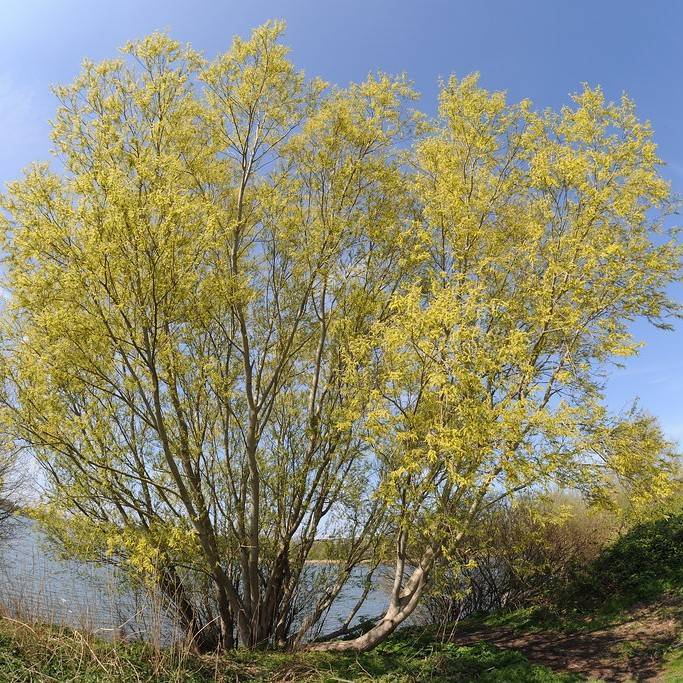
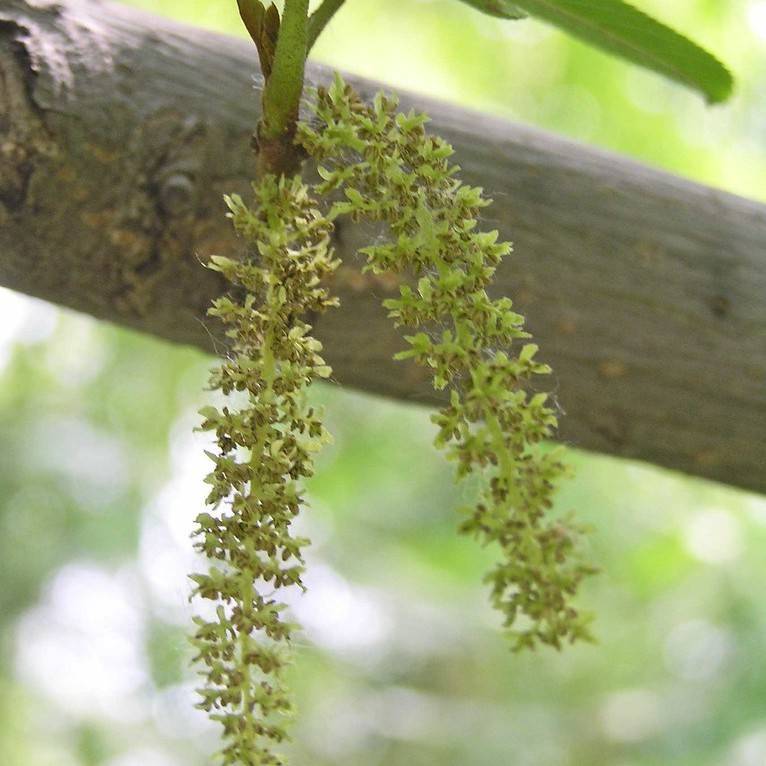
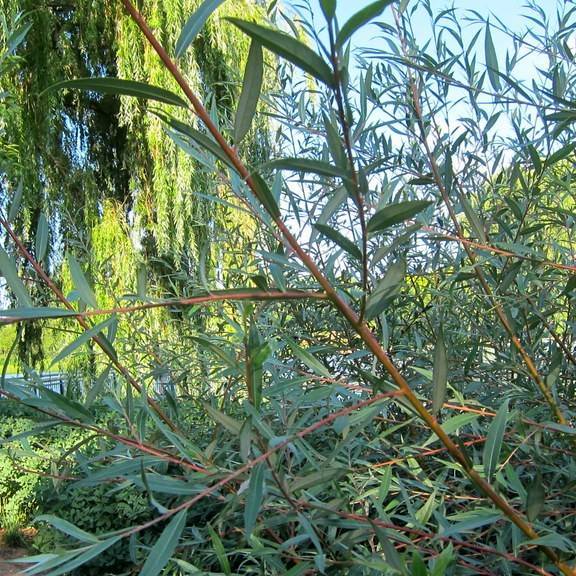
Coral Bark Willow is a popular ornamental cultivar of the white willow, distinguished by its striking bright coral to reddish-orange young stems that stand out dramatically in winter after leaves drop. It produces narrow, lance-shaped green leaves in spring that turn pale yellow in fall, and small, fuzzy catkins in early spring before foliage emerges. Adaptable and vigorous, it is widely planted in temperate regions for seasonal interest, erosion control, and wet site remediation.
Care Guide
Watering
Coral Bark Willow thrives in consistently moist soil and tolerates periodic flooding, making it ideal for low-lying or riparian areas. Water deeply and regularly during the first two growing seasons to establish a strong root system; mature plants only need supplemental water during extended dry periods. Avoid letting the soil dry out completely, as this can cause leaf drop and stunted growth.
Light
This willow requires full sun, at least 6 hours of direct unfiltered sunlight daily, to produce the brightest stem color and maintain dense, healthy growth. It can tolerate very light partial shade, but stem color will be duller and growth may become sparse in shadier conditions. Plant in an open, unobstructed location to maximize sun exposure.
Soil
It adapts to a wide range of soil types, including clay, loam, and sandy soils, as long as drainage is adequate and moisture is consistent. It tolerates slightly acidic to slightly alkaline pH levels, and even poorly drained, wet soils that would cause root rot in most other woody plants. Amending heavy clay soil with organic matter is not required but can support faster establishment.
Fertilizer
Apply a balanced, slow-release granular fertilizer in early spring before new growth emerges to support vigorous stem development, which is key for bright winter color. Avoid high-nitrogen fertilizers late in the growing season, as this can promote soft new growth that is vulnerable to winter damage. Mature, well-established plants rarely need regular fertilization if planted in nutrient-rich soil.
Temperature
Coral Bark Willow is hardy in USDA zones 4 to 8, tolerating winter temperatures as low as -30°F (-34°C) and summer highs up to 90°F (32°C). It requires a period of cold winter dormancy to thrive, so it is not suitable for warm, frost-free climates. Young stems may experience minor dieback after extreme cold snaps, but the plant will regrow vigorously in spring.
Pruning
Prune heavily in late winter or early spring before buds break to encourage the growth of new young stems, which produce the most vivid coral color. For maximum winter interest, you can coppice the entire plant down to 6-12 inches (15-30 cm) above the ground every 1-2 years, which produces a dense clump of bright stems. Remove any dead, damaged, or crossing branches annually to improve air circulation and maintain shape.
Propagation
Coral Bark Willow is easily propagated from softwood or hardwood cuttings taken in late winter or early spring. Cut 6-8 inch (15-20 cm) sections of healthy, one-year-old stems, remove the lower leaves, and plant directly in moist soil or a container of potting mix; no rooting hormone is required. Cuttings root quickly, often within 2-3 weeks, and can be transplanted to their permanent location after one growing season.
Humidity
It tolerates a wide range of humidity levels, from dry continental air to humid coastal conditions, with no special requirements. It thrives in naturally humid environments near water bodies, but also adapts well to average garden humidity levels. Brown leaf tips may occur in extremely dry, hot conditions, which can be alleviated with occasional deep watering.
Repotting
Coral Bark Willow is rarely grown in containers long-term due to its large size and fast-growing, aggressive root system. If grown temporarily in a pot, repot annually in early spring into a container at least 2 sizes larger, using a loamy, moisture-retentive potting mix. Container-grown specimens will need more frequent watering and fertilization, and should be planted in the ground within 2-3 years to avoid root binding.
Uses & Symbolism
Coral Bark Willow is primarily planted as an ornamental specimen for winter landscape interest, with its bright stems standing out against snow or evergreen backdrops. It is also used for erosion control along stream banks, pond edges, and sloped sites, as its extensive root system stabilizes soil effectively. Historically, willow bark has been used to extract salicin, the precursor to aspirin, though this cultivar is not typically grown for medicinal use.
Diseases & Pests
Coral Bark Willow is susceptible to common willow pests including aphids, scale insects, and willow beetles, which can cause leaf damage and defoliation in heavy infestations. Fungal diseases such as rust, powdery mildew, and willow blight may occur in overly wet, poorly ventilated conditions, leading to leaf spots and stem dieback. It is also prone to crown gall and root rot in waterlogged soils with poor drainage, though it tolerates periodic flooding far better than most woody plants.
Related plants
Other plants you might like if you grow Coral Bark Willow.