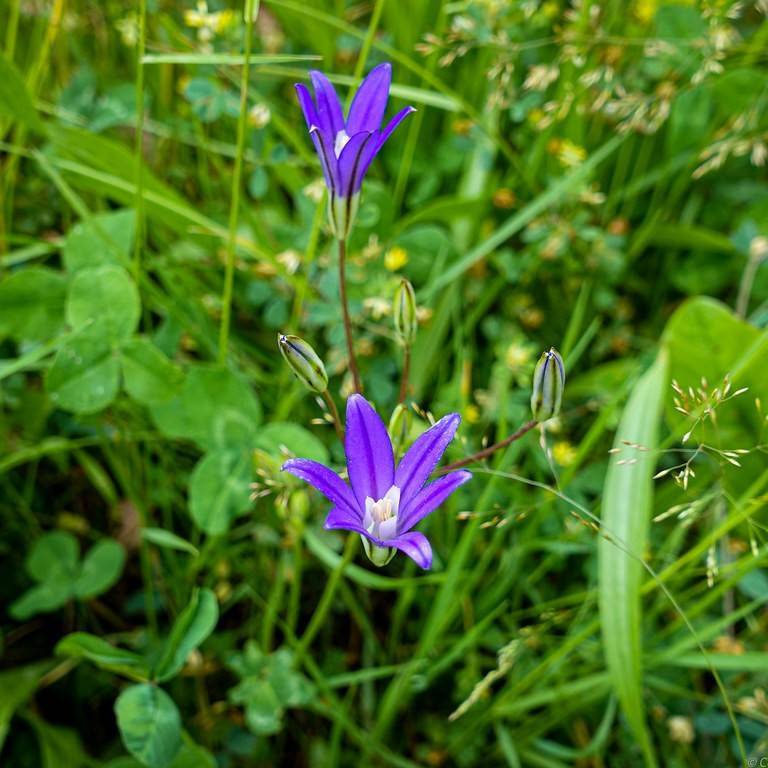
Harvest Firecracker Flower
Crossandra infundibuliformis 'Harvest'
Overview
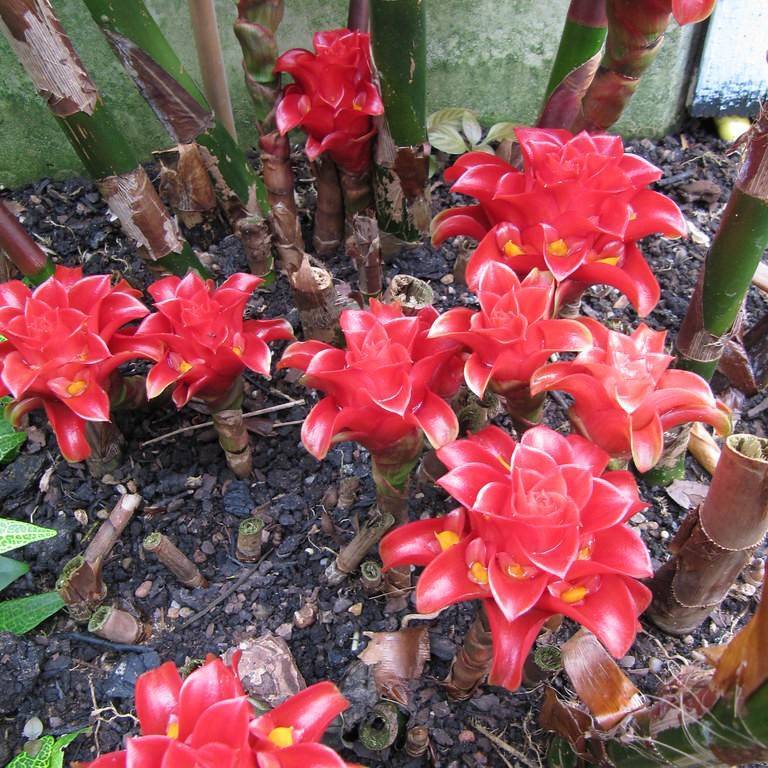
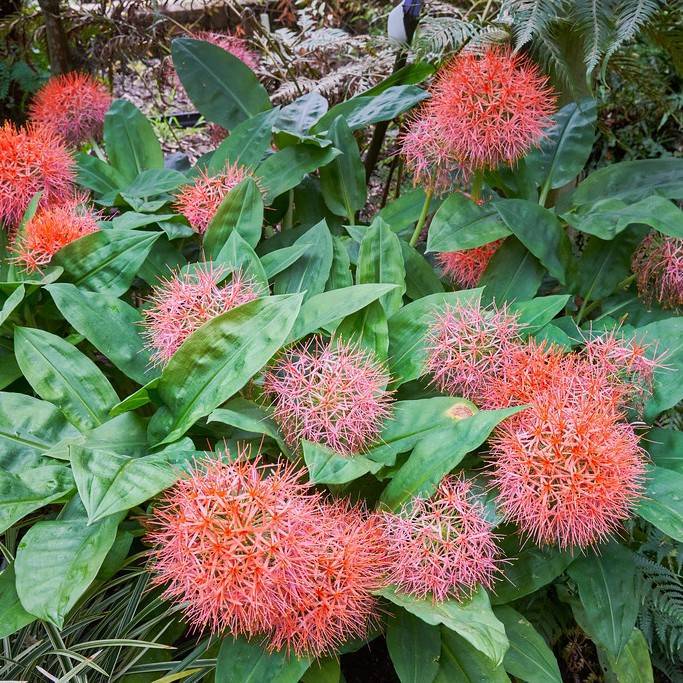
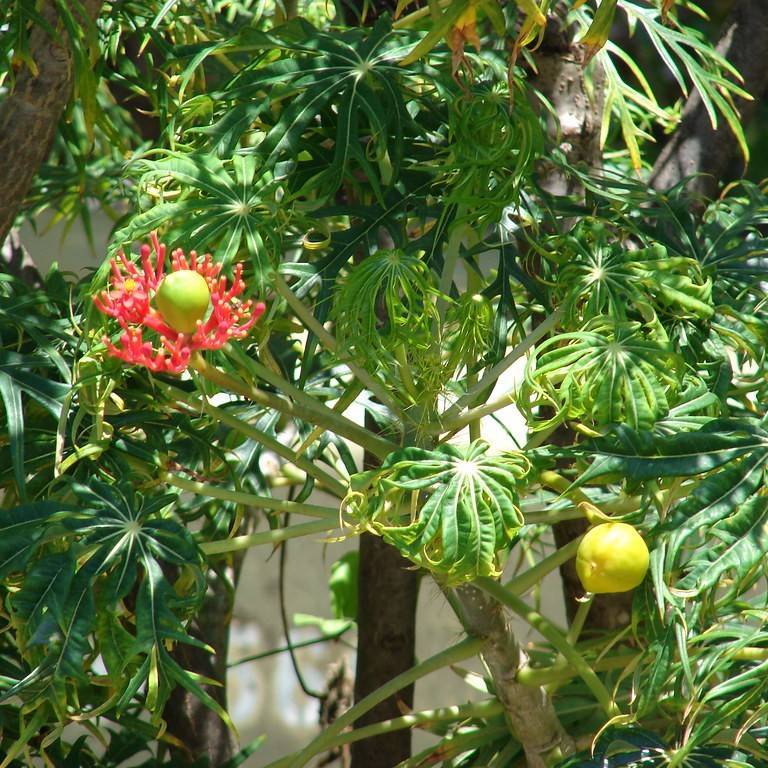
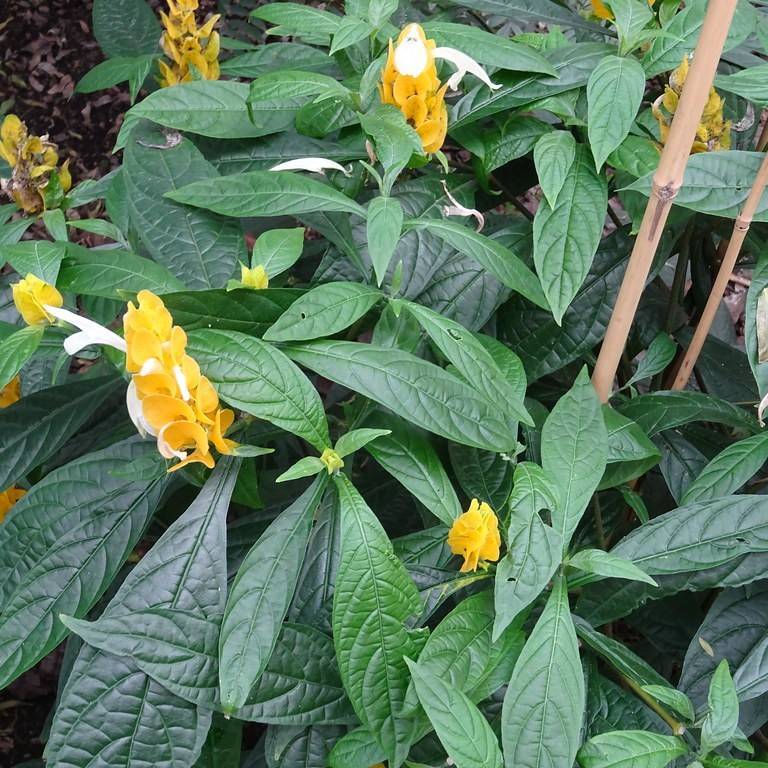
The Harvest Firecracker Flower is a vibrant cultivar of Crossandra infundibuliformis, selected for its intense, long-blooming orange-red flower spikes that emerge from glossy, dark green oval foliage. It earned its common name from the way its ripe seed pods burst open when touched, dispersing seeds across a small area. In its native tropical range, it grows as an evergreen ground cover, while in temperate regions it is most often grown as a houseplant or warm-season annual bedding plant.
Care Guide
Watering
Water consistently to keep soil evenly moist but not waterlogged during the active growing season from spring to fall, reducing frequency in winter when growth slows. Avoid letting the root ball dry out completely, as this can trigger leaf drop and stunted bloom production. Use room-temperature, filtered water to prevent leaf spotting and stress on the sensitive root system.
Light
Thrives in bright, indirect light, such as an east-facing window or a spot shaded from direct midday sun when grown outdoors. Avoid prolonged exposure to intense direct sunlight, which can scorch the glossy foliage and cause flower buds to drop prematurely. Too little light will lead to leggy growth and reduced flowering, so supplement with grow lights in low-light indoor environments if needed.
Soil
Requires a well-draining, nutrient-rich, slightly acidic to neutral potting mix with a pH between 6.0 and 7.0 for optimal growth. A mix of peat moss, perlite, and compost works well, as it retains enough moisture to support the plant’s shallow root system without becoming soggy. Avoid heavy, clay-heavy soils that hold excess water, as these can quickly lead to root rot.
Fertilizer
Feed every two weeks during the active growing season from spring to early fall with a balanced, water-soluble fertilizer diluted to half the recommended strength. Discontinue fertilization entirely in late fall and winter when growth slows, as this can cause salt buildup in the soil and damage tender new growth. Flush the soil every 3 to 4 months during the growing season to remove accumulated fertilizer salts.
Temperature
Prefers consistent warm temperatures between 65°F and 80°F (18°C and 27°C) year-round, with no sudden temperature fluctuations. Avoid exposure to temperatures below 55°F (13°C), as cold drafts and cool temperatures can cause leaf drop and permanent damage to the root system. When grown outdoors, it should be brought indoors before the first frost in temperate climates.
Pruning
Pinch back stem tips in early spring to encourage bushier, more compact growth and increase the number of flower spikes produced during the growing season. Remove spent flower spikes regularly to prolong blooming and prevent the plant from expending energy on seed production. Cut back any leggy, damaged, or diseased stems at any time to maintain the plant’s shape and overall health.
Propagation
Most easily propagated from stem cuttings taken in spring or early summer, using 3 to 4 inch tip cuttings with at least two sets of healthy leaves. Dip cut ends in rooting hormone, plant in a moist, well-draining propagation mix, and keep in a warm, humid location with bright indirect light until roots develop in 3 to 4 weeks. It can also be grown from seed, but seeds saved from hybrid cultivars will not produce plants identical to the parent.
Humidity
Thrives in moderate to high humidity levels between 50% and 70%, which mimics its native tropical habitat. Low indoor humidity, common during winter heating seasons, can cause leaf browning and reduced flowering, so increase humidity by placing the pot on a pebble tray filled with water, using a room humidifier, or grouping it with other humidity-loving plants. Avoid misting the foliage directly, as this can increase the risk of fungal leaf spots.
Repotting
Repot every 1 to 2 years in early spring, before the start of the active growing season, when the plant becomes root-bound, indicated by roots growing out of the drainage holes or slowed growth. Select a pot only 1 to 2 inches larger in diameter than the current one, as an overly large pot will hold excess moisture that can lead to root rot. Gently loosen the root ball before placing it in fresh potting mix, and water thoroughly after repotting to reduce transplant shock.
Uses & Symbolism
Harvest Firecracker Flower is widely grown as a decorative houseplant for its bright, long-lasting blooms and attractive evergreen foliage, bringing warm color to indoor spaces year-round. In frost-free climates, it is used as a low-growing border plant, ground cover, or container specimen for patios and shaded garden beds, where it blooms continuously from spring to fall. Its nectar-rich flowers also attract pollinators including butterflies and hummingbirds, making it a popular addition to pollinator-friendly gardens in warm regions.
Diseases & Pests
The most common pests affecting Harvest Firecracker Flower are spider mites, whiteflies, and mealybugs, which thrive in warm, dry conditions and can be controlled with insecticidal soap or neem oil applications. Overwatering and poor drainage frequently lead to root rot, a fungal condition that causes yellowing leaves, wilting, and plant death if not addressed quickly by reducing watering and repotting in fresh, dry soil. Fungal leaf spots may occur if foliage is kept consistently wet, so avoid overhead watering and ensure good air circulation around the plant to reduce risk.
Related plants
Other plants you might like if you grow Harvest Firecracker Flower.