Herbst's Bloodleaf
Iresine herbstii
Overview
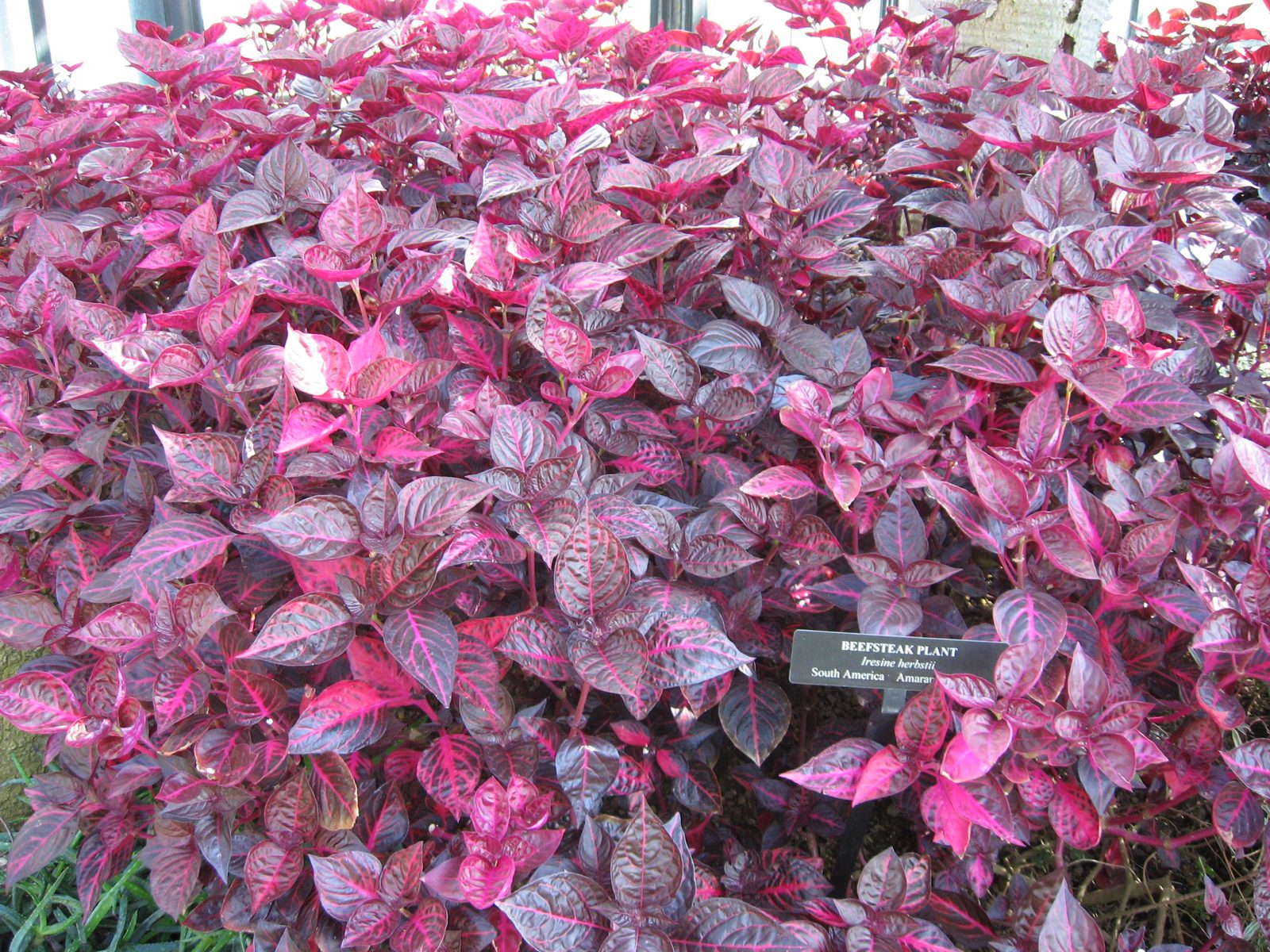
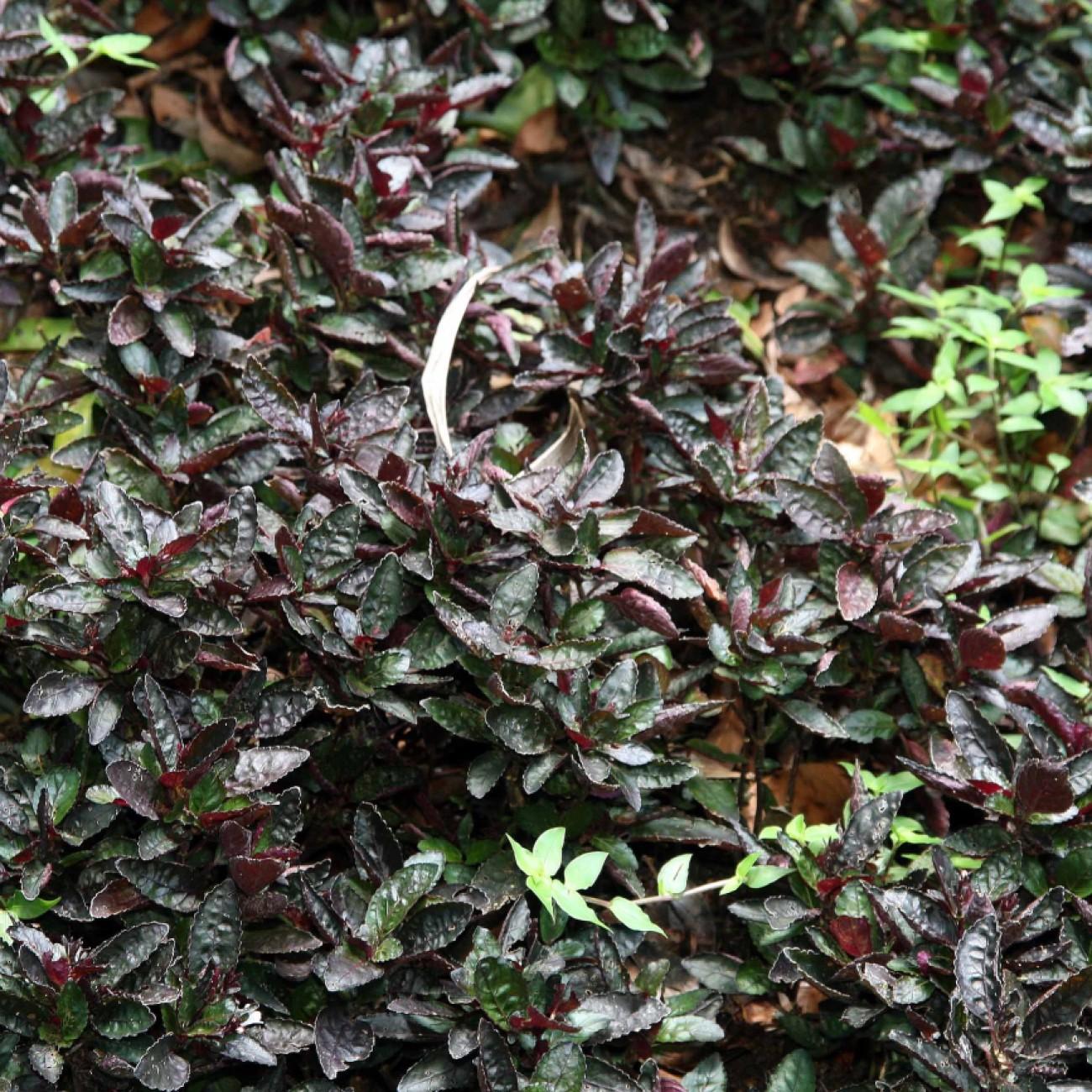
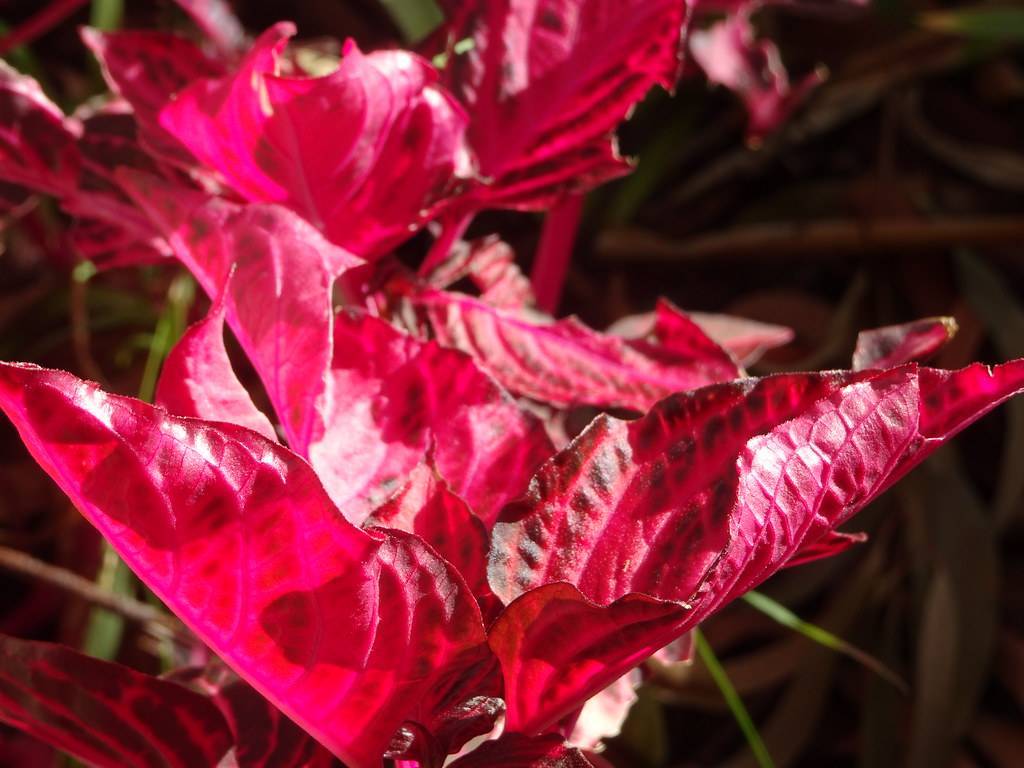
Herbst's Bloodleaf is a tender tropical perennial cultivated globally for its striking, colorful foliage, which ranges from rich burgundy to bright magenta, often with subtle veining that adds textural interest. In its native tropical habitat, it grows as a low, spreading understory plant, but in temperate regions it is most commonly grown as a houseplant or summer annual bedding plant. It produces small, insignificant greenish-white flowers that are typically removed to direct energy toward foliage growth.
Care Guide
Watering
Keep soil consistently moist but not waterlogged during the active growing season from spring to fall, watering when the top 1 inch of soil feels dry to the touch. Reduce watering frequency in winter, allowing the top 2 inches of soil to dry out between waterings to prevent root rot as growth slows. Avoid overwatering, as soggy soil is the most common cause of health issues for this plant.
Light
Thrives in bright, indirect light to maintain its vivid leaf color; insufficient light will cause foliage to fade to a dull green and become leggy. It can tolerate a few hours of direct morning sun daily, but harsh midday or afternoon direct sun will scorch its delicate leaves, leading to brown, crispy edges. For indoor plants, place near an east-facing window or a few feet back from a south or west-facing window for optimal light exposure.
Soil
Prefers light, well-draining, nutrient-rich soil with a slightly acidic to neutral pH between 6.0 and 7.0. A standard houseplant potting mix amended with perlite or coarse sand to improve drainage works well, as it prevents excess moisture from lingering around the root system. Avoid heavy, compacted soils that retain water for long periods, as these can quickly lead to root rot.
Fertilizer
Feed once every 2 to 4 weeks during the active growing season from spring to early fall with a balanced, water-soluble fertilizer diluted to half the recommended strength. Do not fertilize in winter, when the plant enters a period of slowed growth, as excess nutrients can build up in the soil and damage root tissue. Over-fertilization can also cause leaf burn and dull foliage color, so stick to the recommended dilution and feeding schedule.
Temperature
Prefers warm temperatures between 65 and 85°F (18 to 29°C), consistent with its tropical native habitat. It cannot tolerate temperatures below 55°F (13°C), so keep indoor plants away from cold drafts from windows, doors, or air conditioning units, and bring outdoor plants indoors well before the first frost of the season. Sudden temperature fluctuations can cause leaf drop, so maintain a consistent temperature range for best growth.
Pruning
Pinch back the growing tips regularly throughout the growing season to encourage bushier, more compact growth and prevent the plant from becoming leggy. Remove any yellowed, damaged, or dead leaves as they appear to improve air circulation and reduce the risk of fungal disease. If the plant produces small flower spikes, snip them off as soon as they form, as they divert energy from foliage production and can cause the plant to become sparse.
Propagation
Easily propagated from stem cuttings taken in spring or summer, when the plant is actively growing. Cut a 3 to 4 inch section of healthy stem just below a leaf node, remove the lower leaves, and place the cutting in a glass of water or moist potting mix, keeping it in bright, indirect light until roots form in 2 to 4 weeks. Once roots are well established, transplant the cutting into its own pot with standard well-draining potting mix and care for it as you would a mature plant.
Humidity
Thrives in moderate to high humidity levels between 50 and 70%, similar to its native tropical environment. Dry indoor air, especially during winter heating months, can cause leaf edges to turn brown and crispy, so increase humidity by placing the plant on a pebble tray filled with water, grouping it with other humidity-loving plants, or using a small room humidifier. Avoid misting the leaves directly for extended periods, as prolonged moisture on foliage can increase the risk of fungal spots.
Repotting
Repot young Herbst's Bloodleaf plants annually in spring, moving them to a pot one size larger than their current container if roots are growing out of the drainage holes. Mature plants only need repotting every 2 to 3 years, as they prefer to be slightly root-bound, which also helps prevent overwatering issues. When repotting, gently loosen any tangled roots and refresh the potting mix to provide new nutrients, ensuring the new pot has adequate drainage holes to prevent water buildup.
Uses & Symbolism
Herbst's Bloodleaf is primarily grown as an ornamental foliage plant, popular as a colorful houseplant that adds bold, warm color to indoor spaces, and as a summer annual bedding plant for borders, container gardens, and landscape accents in temperate regions. It is also frequently used in tropical-themed garden designs, paired with green foliage plants to create striking color contrast. In some regions, it is grown as a ground cover in frost-free tropical landscapes, where it spreads slowly to form a dense, colorful mat.
Diseases & Pests
The most common pests affecting Herbst's Bloodleaf are aphids, spider mites, and whiteflies, which tend to colonize the undersides of leaves, sucking sap and causing foliage to yellow, curl, or drop; treat infestations with insecticidal soap or neem oil, and improve air circulation around the plant to prevent recurrence. Root rot is a common fungal disease caused by overwatering or poorly draining soil, leading to wilted, yellowed foliage and soft, mushy stems; prevent it by allowing the top layer of soil to dry between waterings and using a well-draining potting mix. Fungal leaf spot can also occur if foliage remains wet for long periods, presenting as small brown or black spots on leaves; avoid overhead watering, remove affected leaves promptly, and ensure good air flow around the plant to reduce spread.
Related plants
Other plants you might like if you grow Herbst's Bloodleaf.