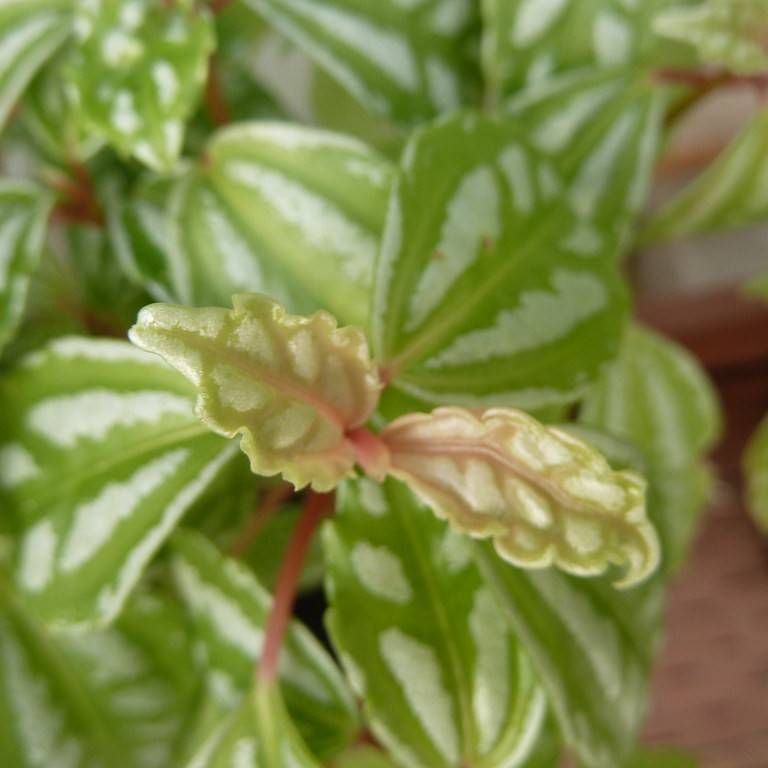
Aluminum Plant
Pilea cadierei
Overview
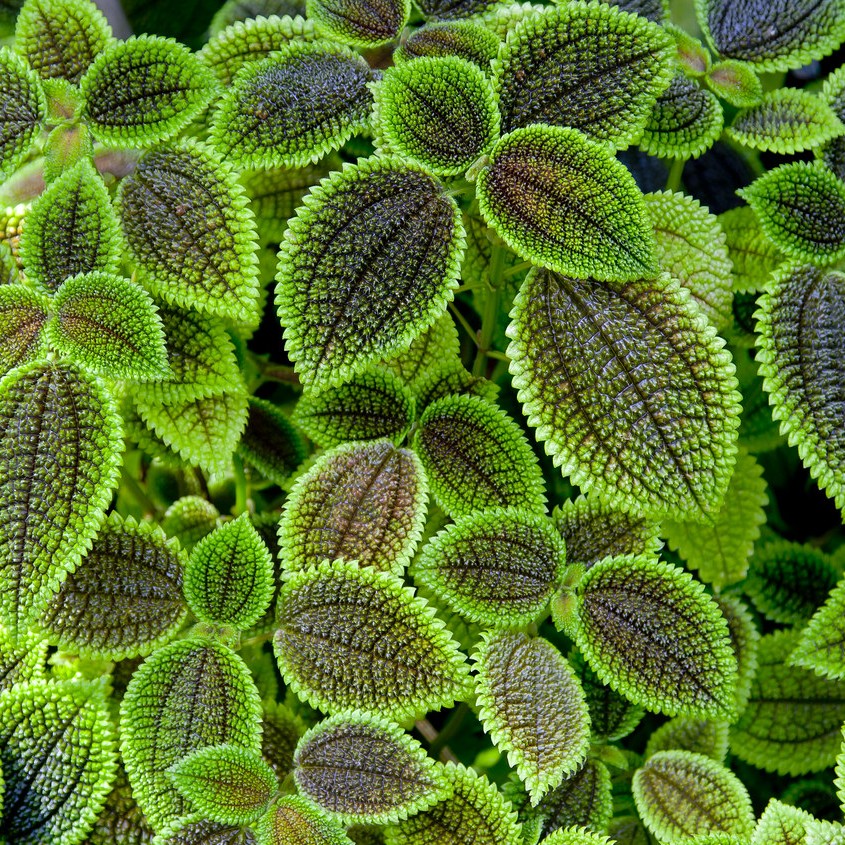
The aluminum plant is a compact, bushy tropical perennial named for the distinctive silvery, metallic markings that overlay each of its quilted, oval green leaves. In its native subtropical understory habitat, it grows as a low, spreading groundcover, while cultivated specimens are most often grown as potted houseplants or hanging basket specimens. It is prized for its fast, easy growth and tolerance of occasional neglect, making it a top choice for new houseplant owners.
Care Guide
Watering
Allow the top 1 to 2 inches of soil to dry out completely between waterings to avoid root rot, and reduce watering frequency during the cooler winter months when growth slows. Use room-temperature, filtered water if possible to avoid leaf tip burn, and empty excess water from the plant’s saucer immediately after watering to prevent soggy root conditions.
Light
Thrives in bright, indirect light such as that from an east-facing window, as direct sunlight will scorch its delicate leaves and fade the characteristic silver markings. It can tolerate lower light conditions, but growth will slow and the variegation on leaves may become less distinct in dim spaces.
Soil
Requires a lightweight, well-draining potting mix with high organic content; a standard houseplant mix amended with perlite or orchid bark to improve aeration works well. The ideal soil pH is slightly acidic, between 6.0 and 6.5, to support optimal nutrient uptake.
Fertilizer
Feed once a month during the spring and summer growing season with a balanced, water-soluble houseplant fertilizer diluted to half the recommended strength. Avoid fertilizing in fall and winter, as the plant enters a period of dormancy and excess nutrients can build up in the soil and damage roots.
Temperature
Prefers consistent indoor temperatures between 60 and 75°F (15 and 24°C), and will suffer damage if exposed to temperatures below 50°F (10°C) for extended periods. Keep it away from cold drafts from windows, doors, and air conditioning units, as sudden temperature fluctuations can cause leaf drop.
Pruning
Pinch back the growing tips of stems regularly during the growing season to encourage bushier, fuller growth and prevent the plant from becoming leggy or sparse. Remove any yellowed, damaged, or dead leaves as they appear to improve air circulation and reduce the risk of fungal disease.
Propagation
Easiest to propagate via stem cuttings: take 3 to 4 inch cuttings with at least 2 to 3 leaf nodes, remove the lower leaves, and place the cut end in water or moist potting mix until roots form in 2 to 4 weeks. Cuttings root reliably year-round, but root fastest when taken during the active spring and summer growing period.
Humidity
Thrives in moderate to high humidity levels between 50 and 75%, which replicates its native subtropical understory environment. If indoor air is dry, boost humidity by placing the plant on a pebble tray filled with water, grouping it with other plants, or running a small humidifier nearby.
Repotting
Repot every 1 to 2 years in spring, moving to a pot one size larger than the current one when roots begin to grow through the drainage holes of the existing container. Always use a pot with drainage holes to prevent waterlogging, and refresh the potting mix at repotting time to replenish nutrients.
Uses & Symbolism
Primarily grown as an ornamental houseplant for its attractive, unique foliage, and works well in tabletop displays, hanging baskets, or mixed tropical plant arrangements. It is also an effective air-purifying plant, filtering common volatile organic compounds such as formaldehyde and benzene from indoor air. In its native range, it is occasionally used as a low-growing ornamental groundcover in shaded, frost-free landscapes.
Diseases & Pests
Overwatering is the most common issue, leading to root rot, yellowing leaves, and fungal growth on the soil surface. Common pests include spider mites, mealybugs, and aphids, which can be treated with neem oil, insecticidal soap, or regular wiping of leaves with a damp cloth. Low humidity can cause brown, crispy leaf tips, while too much direct sun leads to scorched, bleached leaf patches.
Related plants
Other plants you might like if you grow Aluminum Plant.