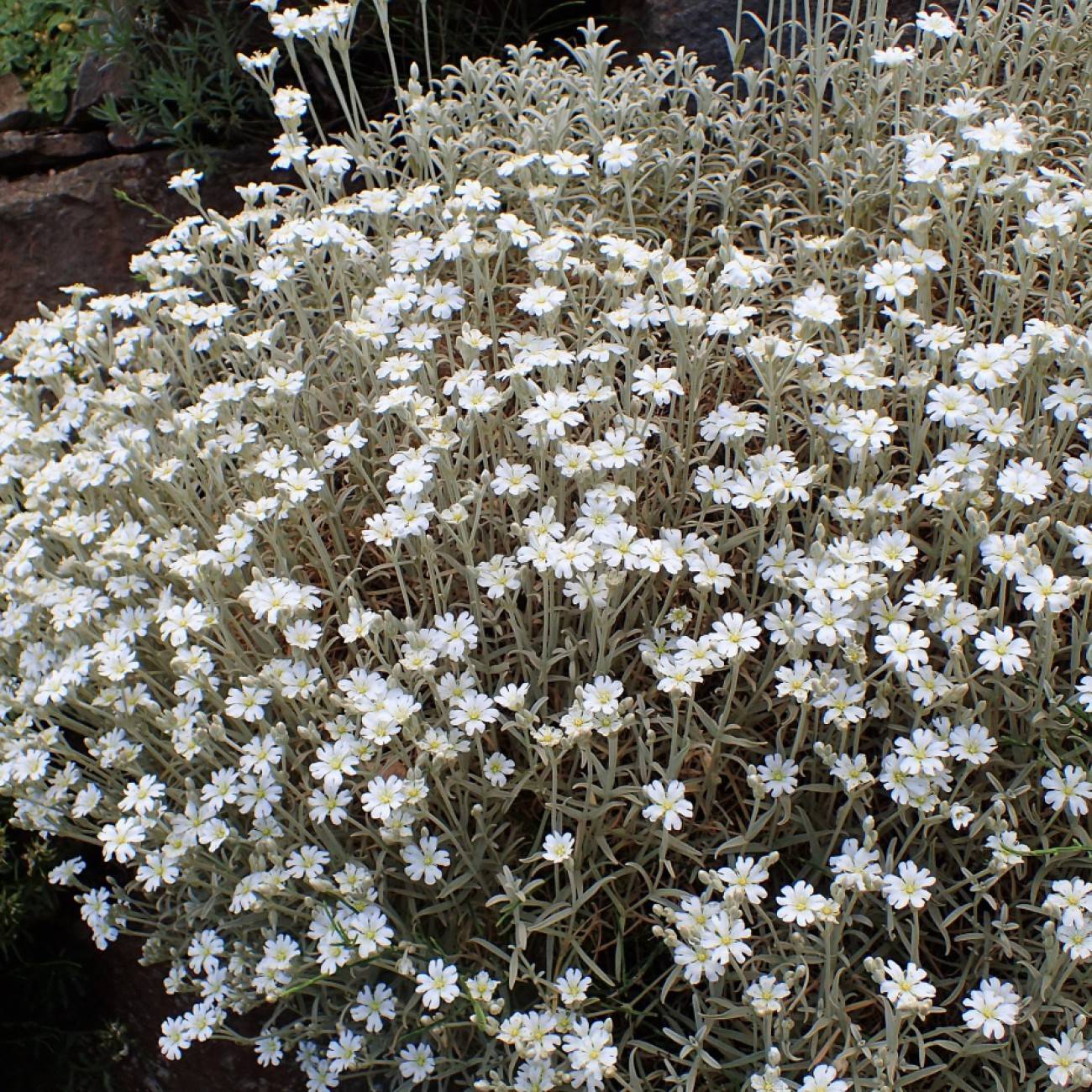
Great Chickweed
Stellaria holostea
Overview
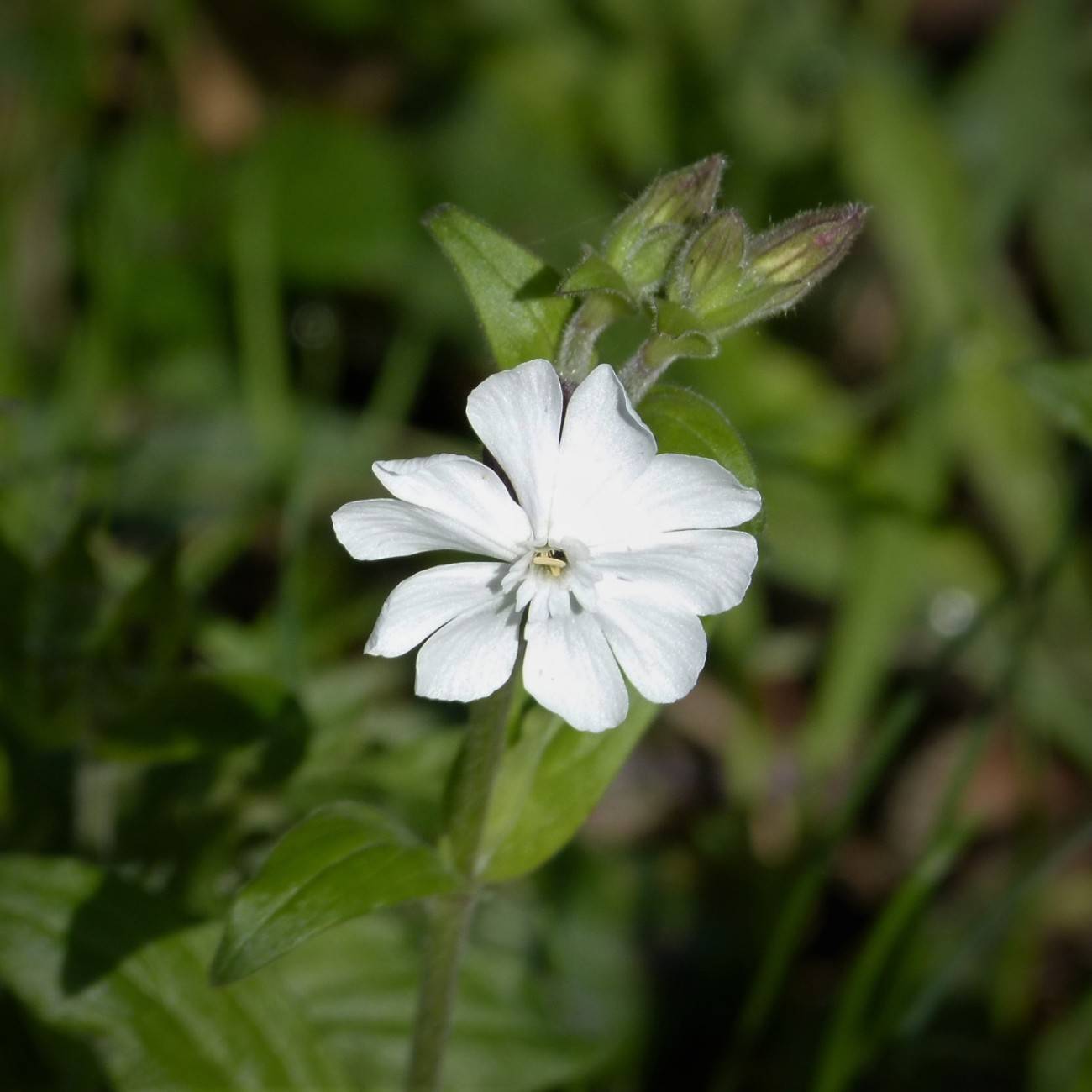
Great chickweed, also called greater stitchwort, is a spreading herbaceous perennial recognizable for its delicate, five-petaled white flowers that appear in spring, each petal deeply notched to give a star-like shape. It thrives in partially shaded, moist habitats such as woodland edges, hedgerows, and grassy meadows, where it forms loose mats of slender, angular stems and narrow, bright green leaves. Though sometimes considered a mild weed in garden settings, it is valued by pollinators as an early-season nectar source for bees and small butterflies.
Care Guide
Watering
Great chickweed prefers consistently moist, well-drained soil and should be watered regularly during dry periods to prevent the root zone from drying out completely. Avoid overwatering or waterlogged conditions, as this can lead to root rot, particularly in heavy, poorly draining soils. Established plants have mild drought tolerance, but will produce fewer blooms if allowed to dry out for extended periods.
Light
This species grows best in partial shade, such as the dappled light beneath deciduous trees, but can tolerate full sun in cooler, moisture-retentive locations. Too much intense, direct sun in warm climates will scorch its leaves and reduce flowering, while deep full shade will result in leggy growth and sparse blooms.
Soil
Great chickweed adapts to a wide range of soil types, including loam, sandy loam, and chalky soils, as long as they are well-draining and moderately fertile. It prefers a neutral to slightly alkaline pH, but will tolerate mildly acidic conditions if organic matter is added to improve soil structure. Heavy clay soils should be amended with compost or leaf mold to improve drainage before planting.
Fertilizer
This low-maintenance plant requires very little supplemental fertilization, and will thrive with a single application of balanced, slow-release fertilizer in early spring as new growth emerges. Excess nitrogen will encourage lush, leafy growth at the expense of flowers, so avoid overfertilizing, especially in already fertile garden soils. If growing in containers, apply a diluted, balanced liquid fertilizer once every 4 to 6 weeks during the growing season.
Temperature
Great chickweed is cold-hardy in USDA zones 4 through 8, tolerating winter temperatures as low as -30°F (-34°C) without extra protection. It prefers cool spring and summer temperatures between 50–75°F (10–24°C), and will die back to the ground in regions with hot, humid summers, reemerging the following spring. Frost will kill off above-ground growth, but the root system remains dormant and viable through cold winter months.
Pruning
Prune back spent flower stems after blooming finishes in late spring to prevent self-seeding if you wish to limit its spread in the garden. Cut back any leggy or damaged growth in early spring to encourage bushier, more compact new growth and a fuller bloom display. If the plant becomes too invasive, you can cut back the entire clump to 2–3 inches (5–7 cm) above the soil line after flowering to control its size.
Propagation
Great chickweed is most easily propagated by division in early spring or late autumn, when you can dig up established clumps, split them into smaller sections with intact roots, and replant them in prepared soil. It also self-seeds readily in suitable growing conditions, and volunteer seedlings can be carefully transplanted to new locations in early spring. You can also start it from seed sown directly outdoors in autumn or early spring, pressing the small seeds lightly into the soil surface as they require light to germinate.
Humidity
This species prefers moderate ambient humidity between 40–60%, which is typical of its native woodland and grassland habitats. It tolerates average outdoor humidity levels well, and does not require extra misting or humidity adjustments when grown in garden settings. In very dry, arid climates, mulching around the base of the plant will help retain soil moisture and create a more favorable microclimate around the roots.
Repotting
If grown in containers, great chickweed should be repotted every 2–3 years in early spring, before new growth begins, to refresh the soil and prevent root binding. Choose a pot with adequate drainage holes, and use a well-draining, loamy potting mix amended with a small amount of leaf mold to mimic its native woodland soil. When repotting, you can divide the root ball into smaller sections to create new plants, or simply move the entire clump to a slightly larger pot if you wish to maintain its size.
Uses & Symbolism
Great chickweed is often planted in wildflower gardens, woodland borders, and pollinator-friendly landscapes to provide early-season nectar for bees, butterflies, and other beneficial insects. Historically, its leaves were used in traditional herbal medicine to treat minor skin irritations, wounds, and inflammatory conditions, though modern medicinal use is limited. Its tender young leaves and shoots are edible raw in salads or cooked as a leafy green, with a mild, grassy flavor similar to common chickweed.
Diseases & Pests
Great chickweed is relatively pest and disease resistant, though it can be affected by powdery mildew in humid, poorly ventilated conditions, which appears as a white, powdery coating on the leaves. Aphids and spider mites may occasionally infest young growth, particularly in dry, warm conditions, and can be controlled with a strong spray of water or insecticidal soap. Root rot can occur in heavy, waterlogged soils, so ensure proper drainage to prevent this fungal issue.
Related plants
Other plants you might like if you grow Great Chickweed.