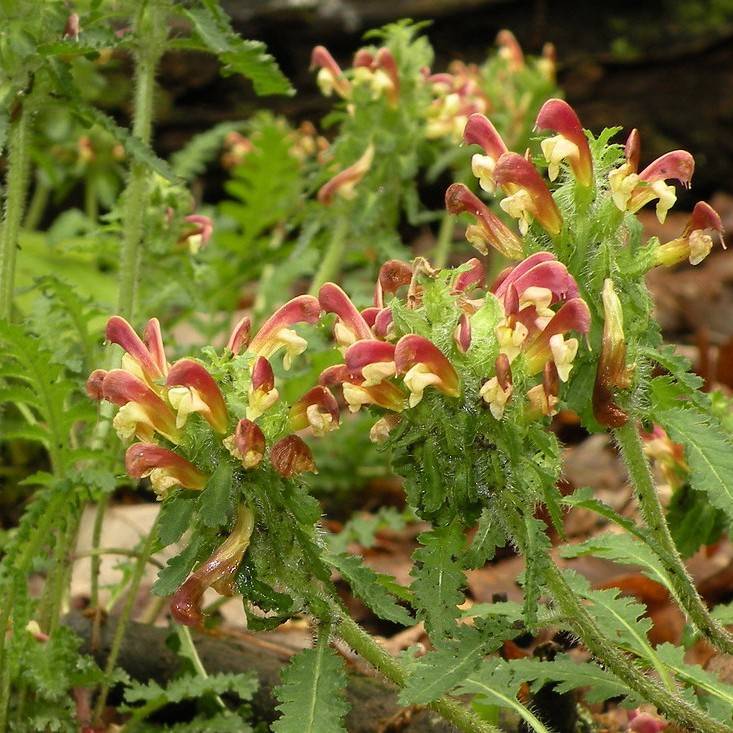
Common Lousewort
Pedicularis sylvatica
Overview
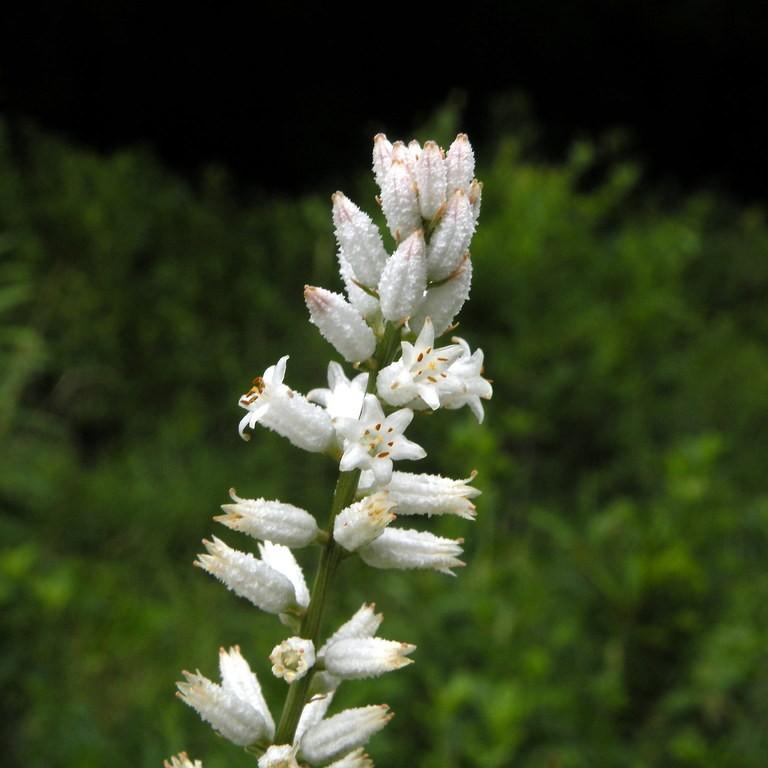
Common Lousewort is a hemiparasitic plant, meaning it produces its own chlorophyll but also extracts nutrients from the roots of adjacent grasses and other host plants to support growth. Its distinctive, two-lipped tubular flowers bloom in dense spikes, providing a critical early and mid-spring nectar source for bumblebees, solitary bees, and small butterfly species. Historically, farmers believed the plant contributed to lice infestations in grazing livestock, giving rise to its common name, though this association is unfounded.
Care Guide
Watering
Common Lousewort requires consistently moist, not waterlogged, soil year-round, as it is adapted to wet moorland and heathland environments; avoid letting the root zone dry out completely, even during short periods of drought. In cultivation, water regularly to maintain consistent soil moisture, especially during warm summer months, and ensure the planting site does not experience standing water for prolonged periods that can rot shallow roots.
Light
This species thrives in full sun to partial shade, with optimal flowering occurring in locations that receive at least 6 hours of direct sunlight daily. In warmer southern portions of its range, it benefits from light afternoon shade to prevent excessive heat stress and moisture loss from the soil.
Soil
Common Lousewort requires acidic, low-nutrient, well-drained soil, typical of heath and moorland habitats, with a pH between 4.0 and 5.5. It will not tolerate alkaline or highly fertile soils, as excess nutrients reduce its ability to form parasitic connections with host grasses and can inhibit growth.
Fertilizer
Fertilizer applications are not recommended for Common Lousewort, as it is adapted to low-nutrient environments and excess nitrogen, phosphorus, or potassium will harm its parasitic root associations and reduce flowering. If grown in a garden setting, avoid amending the soil with compost or other organic fertilizers that increase nutrient levels.
Temperature
This species is cold-hardy, adapted to temperate and boreal climates, and can tolerate winter temperatures as low as -40°F (-40°C) when dormant. It prefers cool growing season temperatures between 50°F and 68°F (10°C and 20°C), and will struggle in prolonged temperatures above 80°F (27°C) without consistent moisture and shade.
Pruning
Pruning is rarely needed for Common Lousewort; spent flower spikes can be trimmed back after blooming if self-seeding is unwanted, but leaving seed heads intact supports local bird populations that feed on the small seeds. Avoid cutting back foliage before it dies back naturally in late autumn, as the leaves store energy for the following year’s growth.
Propagation
Common Lousewort is most reliably propagated from seed, sown directly outdoors in late autumn to allow natural cold stratification over winter, as seeds require a 3-month period of cold, moist conditions to germinate. Seedlings must be grown in close proximity to suitable host plants, primarily fine-leaved grasses such as fescues, to establish their parasitic root connections and survive beyond the cotyledon stage.
Humidity
It prefers moderate to high humidity levels between 60% and 80%, consistent with its native moorland habitat, and will struggle in excessively dry, low-humidity environments. In cultivation, avoid placing it near heat sources or in windy, exposed locations that can quickly dry out foliage and soil.
Repotting
Common Lousewort is rarely grown in containers, as its parasitic root system requires close contact with host grass roots that are difficult to sustain in a confined pot environment. If grown in a pot temporarily, repotting is not recommended, as disturbing the shallow root system will damage its connections to host plants and likely kill the specimen.
Uses & Symbolism
Common Lousewort is valued in native habitat restoration projects for its ability to reduce the vigor of dominant grass species, supporting greater biodiversity in moorland and heathland ecosystems by creating space for smaller wildflowers to establish. Historically, it was used in small doses in traditional folk medicine to treat muscle aches and rheumatism, though its toxic alkaloid content makes internal use unsafe without professional guidance. It is also planted in wildlife gardens to support native pollinator species, particularly early-emerging bumblebee queens.
Diseases & Pests
Common Lousewort is relatively resistant to most common plant diseases, though it can develop root rot if grown in poorly drained, waterlogged soil for extended periods. It may occasionally be affected by powdery mildew in warm, humid conditions with poor air circulation, and can be fed on by aphids and slugs during the early growing season, though damage is rarely severe.
Related plants
Other plants you might like if you grow Common Lousewort.