Kirengeshoma
Kirengeshoma palmata
Overview
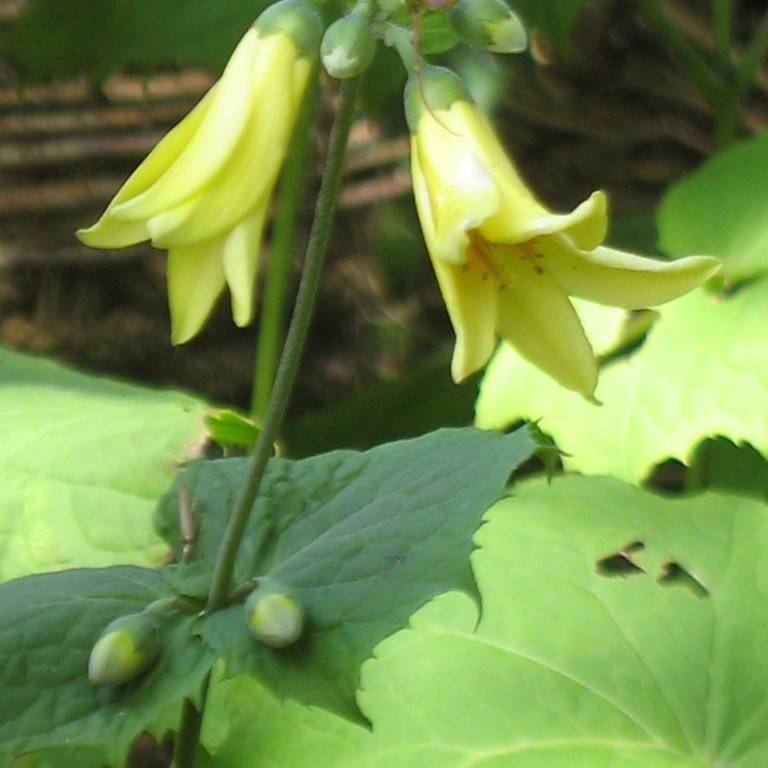
Kirengeshoma, also called yellow wax bells, is a herbaceous perennial prized for its lush, textured foliage and late summer blooms. It forms dense, upright clumps that spread gradually via rhizomes, creating a soft, mounding presence in shaded landscape beds. Its nodding, waxy yellow flowers hang in loose clusters, adding gentle color to dim areas where many flowering plants struggle to thrive.
Care Guide
Watering
Keep soil consistently moist but not waterlogged, as kirengeshoma is adapted to damp woodland environments. Water deeply during extended dry periods, avoiding overhead watering to reduce fungal risk on foliage. Reduce watering frequency in late fall as the plant enters dormancy.
Light
Thrives in partial to full shade, with dappled sunlight mimicking its native woodland habitat. Avoid direct midday sun, which can scorch leaf edges and cause wilting during warm weather. It can tolerate gentle morning sun in cool climates, but full shade is preferred in regions with hot summers.
Soil
Requires rich, humusy, well-draining soil with a slightly acidic to neutral pH for optimal growth. Amend heavy clay or sandy soils with compost, leaf mold, or well-rotted manure before planting to boost organic content and improve moisture retention. Avoid compacted soils that prevent proper root development.
Fertilizer
Feed in early spring with a balanced, slow-release organic fertilizer as new growth emerges. A top-dressing of compost or leaf mold in late fall will supply additional nutrients as it decomposes over the winter. Avoid over-fertilizing, as this can lead to leggy growth that requires staking.
Temperature
Grows best in cool temperate climates, with ideal daytime temperatures between 60-75°F (15-24°C) during the growing season. It is cold hardy down to USDA zones 5-8, tolerating winter lows as low as -20°F (-29°C) when dormant. High heat and humidity in warmer zones may cause leaf stress, so extra shade and moisture are recommended in these areas.
Pruning
Remove spent flower stalks after blooming to maintain a tidy appearance, though seed heads can be left for mild winter interest if desired. Cut back all dead foliage to ground level in late fall or early spring before new growth emerges. No regular shaping is needed, as the plant maintains a naturally neat clumping form.
Propagation
Most easily propagated by division in early spring before new growth starts, or in fall after flowering has finished. Dig up mature clumps, separate rhizome sections with at least one healthy growth bud each, and replant immediately at the same depth as the original plant. It can also be grown from fresh seed sown in fall, but seed-grown plants take 2-3 years to reach flowering size.
Humidity
Prefers moderate to high humidity levels consistent with its native woodland environment, thriving in areas with 50-70% relative humidity. Dry air can cause leaf edges to brown, so mulch around the base of the plant to retain soil moisture and raise localized humidity. In particularly dry regions, occasional misting of foliage during hot weather can help reduce stress.
Repotting
Kirengeshoma is rarely grown in containers, but if potted, repot every 2-3 years in early spring before new growth emerges. Use a large, deep container with drainage holes, filled with a rich, peat-free potting mix amended with compost and perlite for drainage. Trim back any overcrowded rhizomes during repotting to prevent the plant from outgrowing its container too quickly.
Uses & Symbolism
Kirengeshoma is a popular choice for shaded woodland gardens, shade borders, and rain gardens, where its lush foliage and late summer blooms add interest to dim spaces. It pairs well with other shade-loving plants like ferns, hostas, and astilbes, creating layered, textural planting combinations. Cut stems of its unique bell-shaped flowers can also be used in fresh floral arrangements.
Diseases & Pests
Kirengeshoma is relatively pest and disease resistant, but can be susceptible to slugs and snails that feed on young, tender foliage in spring. Powdery mildew and leaf spot may occur in poorly ventilated areas or if foliage remains consistently wet. Root rot can develop in heavy, waterlogged soils, so proper drainage is critical to prevent this issue.
Related plants
Other plants you might like if you grow Kirengeshoma.