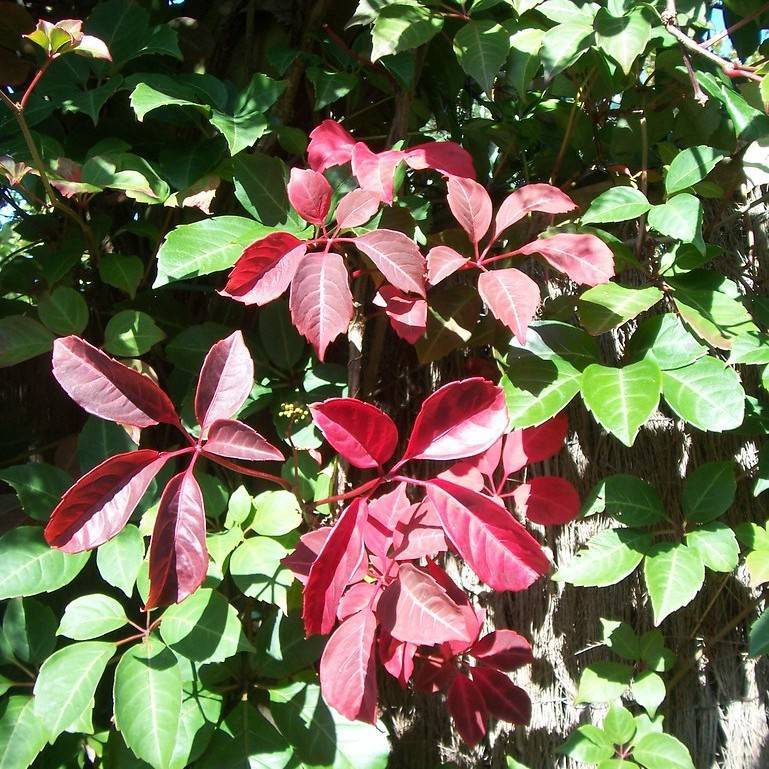
Henry's Virginia Creeper
Parthenocissus henryana
Overview
Parthenocissus henryana, commonly called Henry's Virginia creeper or Chinese Virginia creeper, is a self-clinging deciduous vine native to forested slopes of central and western China. It is distinguished from other Virginia creeper species by its palmate leaves marked with prominent silvery-white veins along each leaflet, a trait that adds year-round visual interest before foliage shifts to bright crimson in fall. The vine produces small, inconspicuous greenish flowers in summer, followed by dark blue-black berries that attract wild birds throughout the winter months.
Care Guide
Watering
Water newly planted Henry's Virginia creeper regularly to keep the soil consistently moist but not waterlogged for the first growing season, until the root system is fully established. Mature plants are highly drought tolerant, requiring only occasional deep watering during extended periods of hot, dry weather, and are prone to root rot if overwatered in poorly draining soil.
Light
This vine thrives in partial shade, where its characteristic silvery leaf veins are most vibrant and less prone to fading or scorching. It can tolerate full sun in cooler climates if provided with consistent moisture, and full shade, though foliage color may be less intense and growth may be slower in deeply shaded locations.
Soil
Henry's Virginia creeper adapts to a wide range of soil types, including sandy, loam, and clay soils, as long as the site provides adequate drainage. It prefers a slightly acidic to neutral pH range of 5.5 to 7.0, but can tolerate mildly alkaline conditions without significant adverse effects on growth.
Fertilizer
Feed young plants in early spring with a balanced, slow-release 10-10-10 fertilizer to support vigorous root and foliage growth during the establishment phase. Mature plants rarely require supplemental feeding, as they can obtain sufficient nutrients from surrounding soil, and over-fertilization may lead to excessive, weak growth that is more prone to pest infestations.
Temperature
This vine is hardy in USDA zones 6 through 9, tolerating winter temperatures as low as -10°F (-23°C) without significant damage. It can withstand summer temperatures up to 95°F (35°C) if provided with adequate moisture, though extended periods of extreme heat may cause temporary leaf wilting that recovers as temperatures cool.
Pruning
Prune in late winter or early spring while the vine is dormant to remove dead, damaged, or overgrown stems, and to control its spread to unwanted areas. It can be cut back heavily to within a few feet of the ground if it becomes overgrown, as it will regrow vigorously from existing root systems in the spring.
Propagation
The easiest method of propagation is from softwood cuttings taken in late spring or early summer, rooted in moist potting mix under indirect light with high humidity for 4 to 6 weeks. It can also be propagated from seed collected from ripe berries in fall, though seeds require 3 months of cold stratification to germinate, and seedlings may not retain the exact foliage veining of the parent plant.
Humidity
Henry's Virginia creeper tolerates a wide range of humidity levels, from the dry air of urban landscapes to the higher humidity of forested and coastal regions. It does not require supplemental humidity when grown outdoors, and indoor potted specimens only benefit from occasional misting if ambient humidity drops below 30% for extended periods.
Repotting
Potted specimens should be repotted every 2 to 3 years in early spring, before new growth emerges, using a general-purpose potting mix with added perlite for improved drainage. Choose a pot that is 2 to 3 inches larger in diameter than the current container, and prune back up to one-third of the root ball if the vine has become root bound to encourage healthy new growth.
Uses & Symbolism
Henry's Virginia creeper is widely grown as an ornamental climbing vine to cover walls, fences, trellises, and arbors, as its adhesive holdfasts do not damage masonry surfaces like some other climbing species. Its dense foliage provides excellent summer shade and privacy, while its vivid autumn color adds seasonal interest to landscape designs, and its berries are a valuable food source for native bird species in winter.
Diseases & Pests
This vine is relatively pest and disease resistant, though it may occasionally be affected by leaf spots, powdery mildew, and downy mildew in conditions of high humidity and poor air circulation. Common pests include aphids, scale insects, and Japanese beetles, which can be controlled with insecticidal soap or horticultural oil, though severe infestations are rare on healthy, well-established plants.
Related plants
Other plants you might like if you grow Henry's Virginia Creeper.
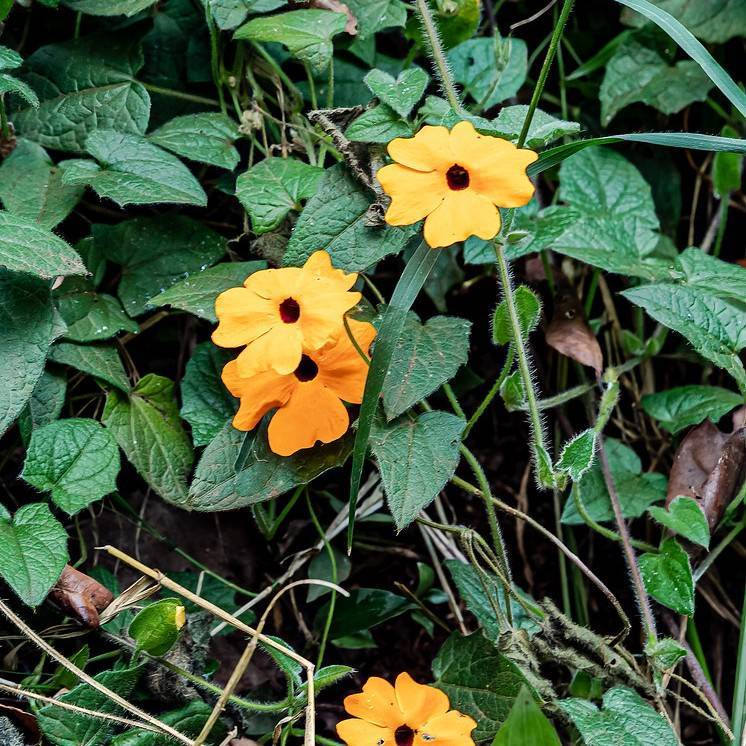
Black-Eyed Susan Vine
Thunbergia alata
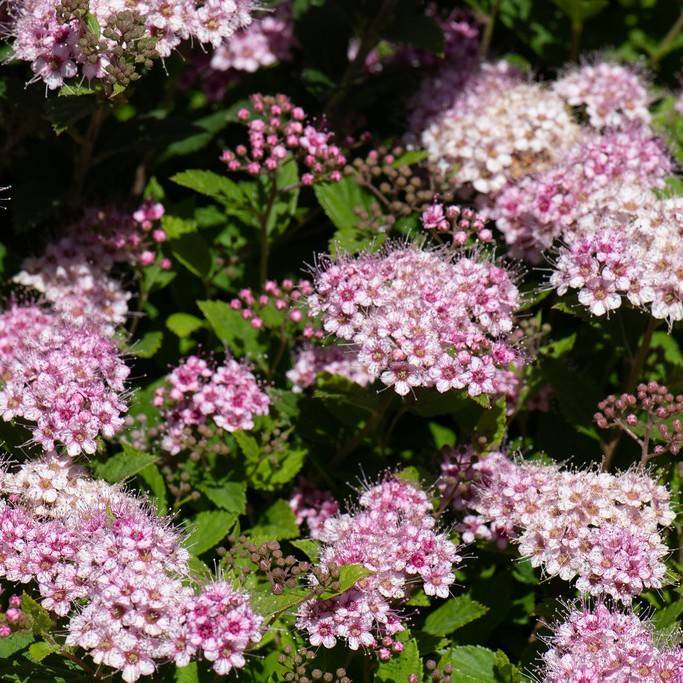
Japanese Meadowsweet
Spiraea japonica
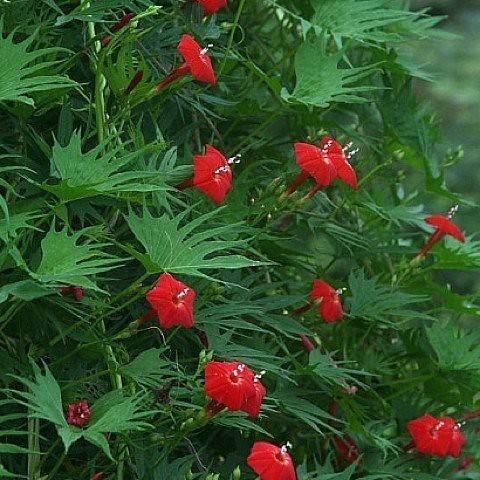
Cardinal Climber
Ipomoea × multifida
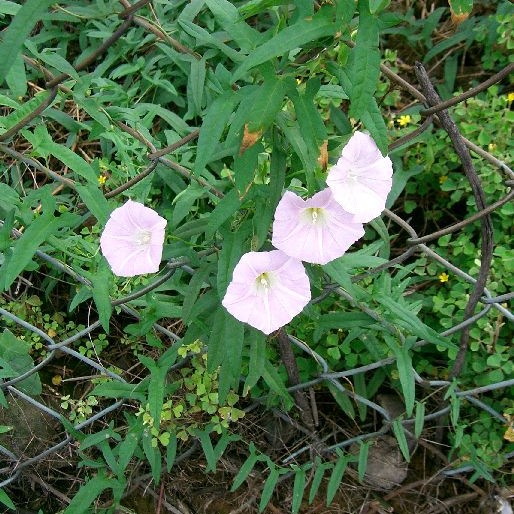
Hairy False Bindweed
Calystegia pubescens
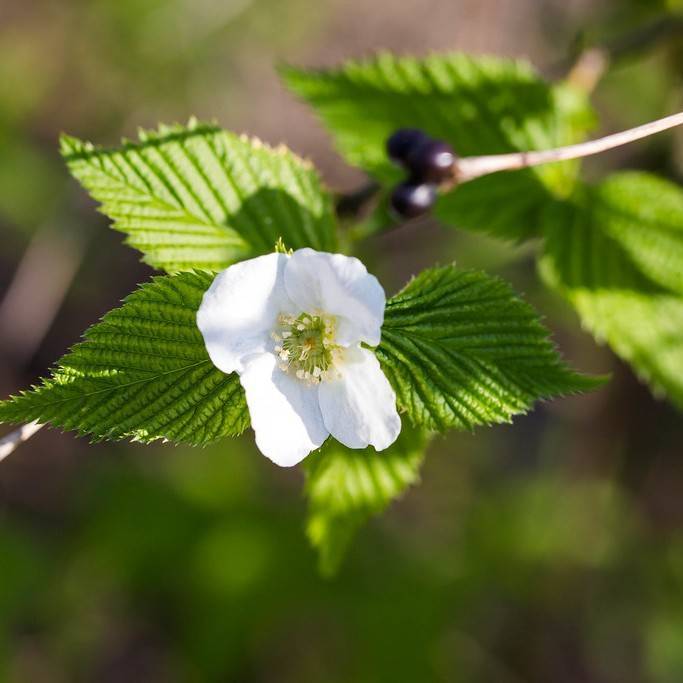
Jet Bead
Rhodotypos scandens

Climbing Hydrangea
Hydrangea anomala subsp. petiolaris
%22%2F%3E%0A%20%20%20%20%20%20%3Ccircle%20cx%3D%22920%22%20cy%3D%22180%22%20r%3D%2290%22%20fill%3D%22%23cfe8d5%22%2F%3E%0A%20%20%20%20%20%20%3Cpath%20d%3D%22M600%20590c-90-180-215-255-310-280%200%20165%20118%20296%20270%20296h40z%22%20fill%3D%22%2379b88e%22%2F%3E%0A%20%20%20%20%20%20%3Cpath%20d%3D%22M600%20590c80-150%20198-212%20302-228-8%20142-123%20255-270%20255h-32z%22%20fill%3D%22%235c9f73%22%2F%3E%0A%20%20%20%20%20%20%3Cpath%20d%3D%22M600%20610V360%22%20stroke%3D%22%234f8c64%22%20stroke-width%3D%2218%22%20stroke-linecap%3D%22round%22%2F%3E%0A%20%20%20%20%20%20%3Ctext%20x%3D%22600%22%20y%3D%22700%22%20text-anchor%3D%22middle%22%20font-family%3D%22Arial%2C%20sans-serif%22%20font-size%3D%2244%22%20fill%3D%22%23365c45%22%3E%0A%20%20%20%20%20%20%20%20Plant%20image%20coming%20soon%0A%20%20%20%20%20%20%3C%2Ftext%3E%0A%20%20%20%20%3C%2Fsvg%3E%0A%20%20)
Hebe
Hebe spp.
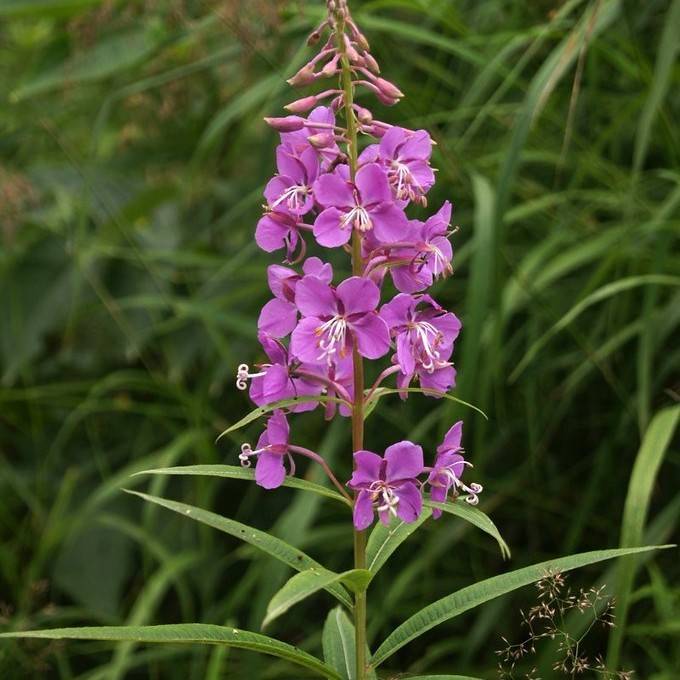
Hybrid Fireweed
Chamerion angustifolium 'Album' or interspecific Chamerion hybrids