
Climbing Hydrangea
Hydrangea anomala subsp. petiolaris
Overview
Climbing hydrangea is a slow-establishing but long-lived deciduous vine that uses aerial rootlets to cling to vertical surfaces, making it ideal for covering stone walls, fences, trellises, or large tree trunks. It produces flattened clusters of fragrant, lacy white flowers in early to mid-summer, with outer sterile showy blooms surrounding smaller fertile inner flowers. Its dark green, heart-shaped leaves turn a soft yellow in autumn, adding seasonal interest, and its exfoliating reddish-brown bark provides winter visual appeal.
Care Guide
Watering
Water deeply and regularly during the first two to three years of growth to establish a strong root system, keeping the soil consistently moist but not waterlogged. Once established, it is moderately drought-tolerant, but will benefit from supplemental watering during extended dry periods, especially when grown in full sun. Avoid overhead watering to reduce the risk of foliar fungal diseases.
Light
Thrives in partial shade to full sun, though it performs best in locations with dappled afternoon shade in hot climates to prevent leaf scorch. It can tolerate deep shade, but flowering will be significantly reduced in low-light conditions. Morning sun with afternoon filtered light is ideal for abundant bloom production.
Soil
Prefers rich, well-drained, loamy soil with a slightly acidic to neutral pH between 5.5 and 7.0, though it can adapt to slightly alkaline soils if amended with organic matter. It will not tolerate heavy, waterlogged clay soils that cause root rot. Mix compost or well-rotted manure into the planting hole to improve soil structure and nutrient content.
Fertilizer
Apply a balanced, slow-release granular fertilizer formulated for woody shrubs in early spring, before new growth emerges. Avoid high-nitrogen fertilizers, as these can promote excessive foliage growth at the expense of flower production. A light top-dressing of compost in fall will help maintain soil fertility over time.
Temperature
Hardy in USDA zones 4 through 8, tolerating winter temperatures as low as -30°F (-34°C) once established. Young plants may benefit from a layer of mulch around the base in winter to protect shallow roots from freeze-thaw cycles in colder regions. Extreme summer heat above 90°F (32°C) can cause leaf wilting, so provide extra water and shade during heatwaves.
Pruning
Prune lightly in late winter or early spring to remove dead, damaged, or crossing branches, and to control the vine’s size if it outgrows its allocated space. Mature, overgrown vines can be cut back hard to within 1-2 feet of the ground to rejuvenate growth, though flowering may be reduced for 1-2 years following heavy pruning. Avoid pruning in late spring or summer, as this will remove developing flower buds.
Propagation
The easiest method is softwood cuttings taken in early summer, using 4-6 inch long stem tips with at least two sets of leaves, dipped in rooting hormone and planted in moist, well-drained potting mix under high humidity. It can also be propagated by layering in spring, where a low-growing stem is nicked, pinned to the soil surface, and covered with soil, where it will develop roots over one growing season before being separated from the parent plant. Growing from seed is possible but very slow, with plants taking 5-7 years to reach flowering maturity.
Humidity
Adaptable to average ambient humidity levels between 40% and 70%, which is typical of most temperate growing regions. It does not require extra humidity when grown outdoors, but container-grown indoor specimens may benefit from occasional misting in very dry indoor environments. High humidity combined with poor air circulation can increase the risk of foliar fungal diseases.
Repotting
Container-grown climbing hydrangeas should be repotted every 2-3 years in early spring, before new growth begins, using a slightly larger pot with drainage holes and a rich, well-drained potting mix amended with peat moss or compost. Mature specimens that are too large to repot can be top-dressed annually by removing the top 2-3 inches of soil and replacing it with fresh, nutrient-rich potting mix. Ensure the pot has adequate drainage to prevent root rot, as the vine is sensitive to standing water around its roots.
Uses & Symbolism
Climbing hydrangea is primarily used as an ornamental landscape vine to cover unsightly walls, fences, trellises, arbors, or large tree trunks, adding vertical interest to shaded garden spots where few flowering vines thrive. Its fragrant blooms attract pollinators including bees and butterflies, making it a valuable addition to pollinator-friendly gardens. Cut flower stems can be used in fresh floral arrangements, and dried blooms are popular for everlasting wreaths and crafts.
Diseases & Pests
The most common issues are foliar fungal diseases including powdery mildew, leaf spot, and botrytis blight, which thrive in humid, poorly ventilated conditions and can be prevented by spacing plants for good air flow and avoiding overhead watering. Common pests include aphids, scale insects, and spider mites, which suck sap from foliage and can be controlled with insecticidal soap or horticultural oil applications. Root rot may occur in poorly drained, waterlogged soils, so ensure planting sites have good drainage to avoid this fatal condition.
Related plants
Other plants you might like if you grow Climbing Hydrangea.
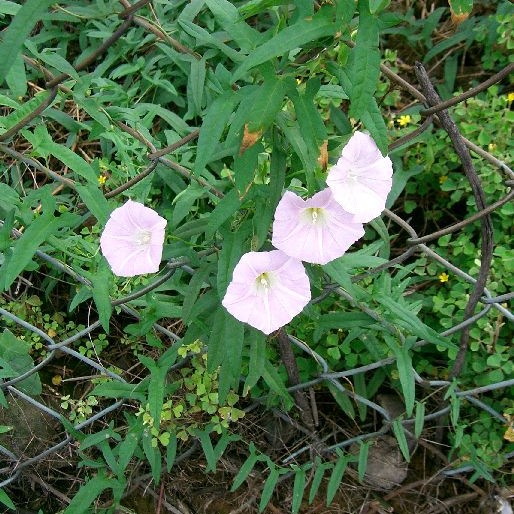
Hairy False Bindweed
Calystegia pubescens
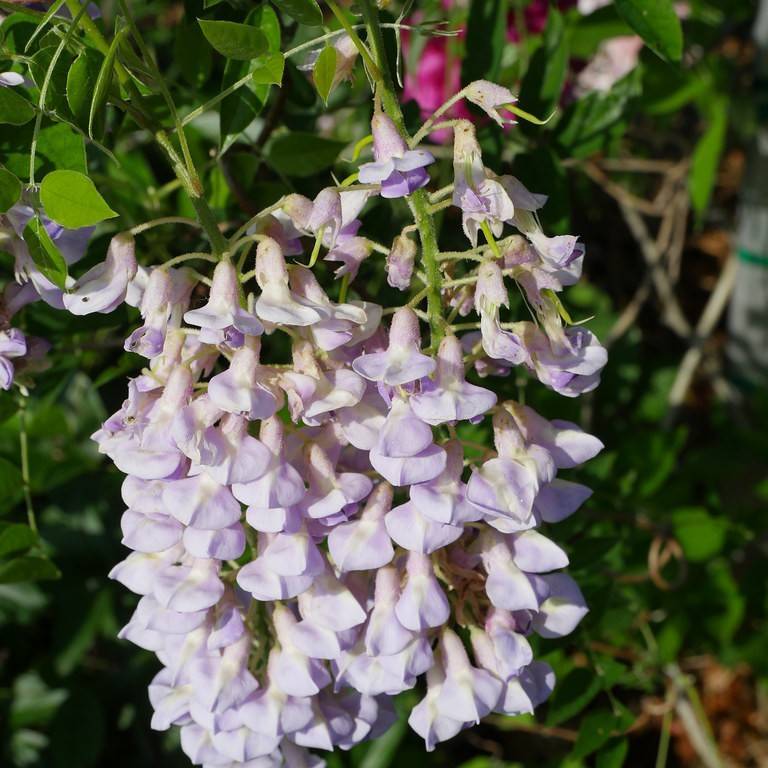
American Wisteria
Wisteria frutescens
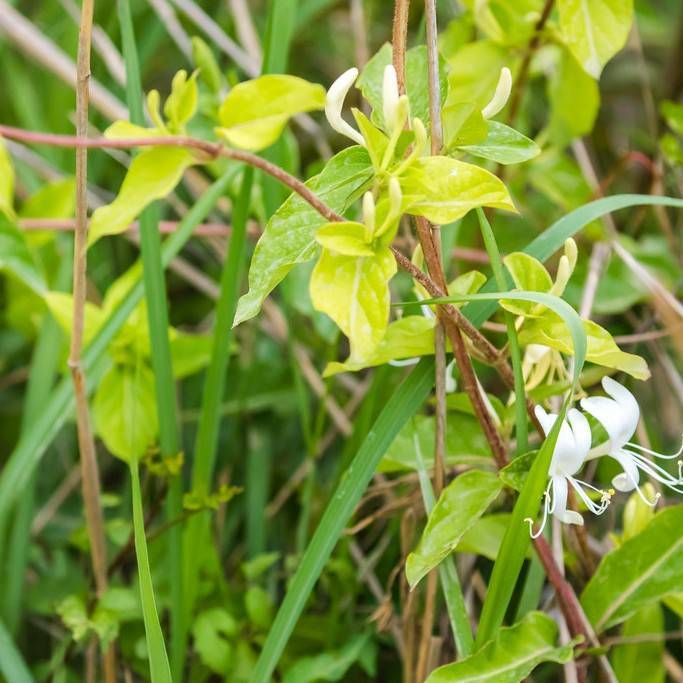
Japanese Honeysuckle
Lonicera japonica
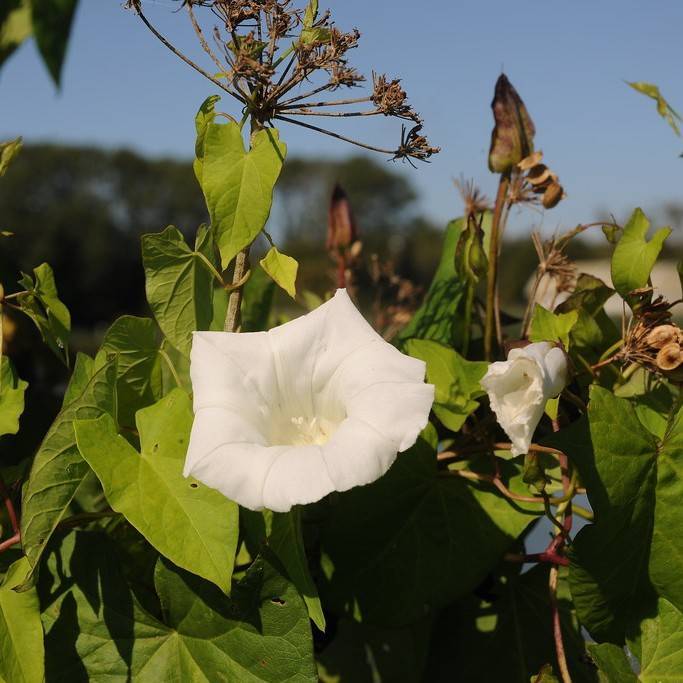
Hedge Bindweed
Calystegia sepium
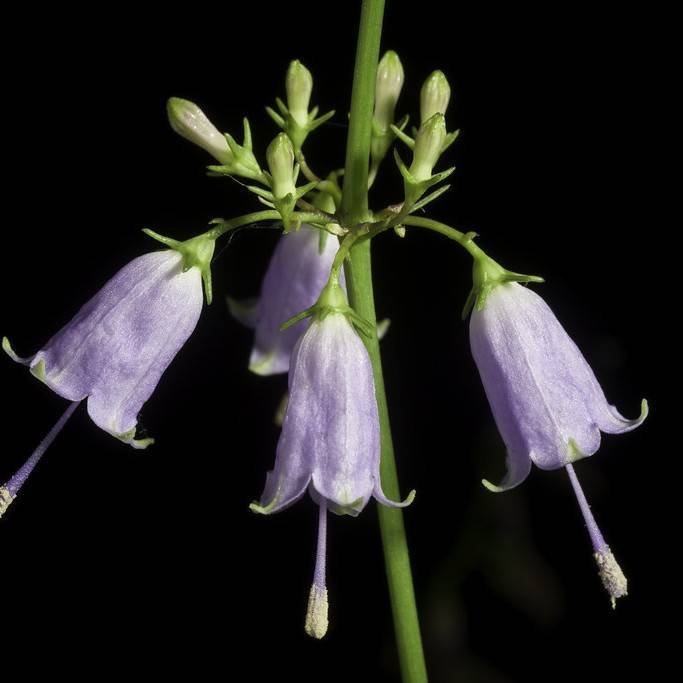
Campanule Feuilles Larges
Campanula latifolia
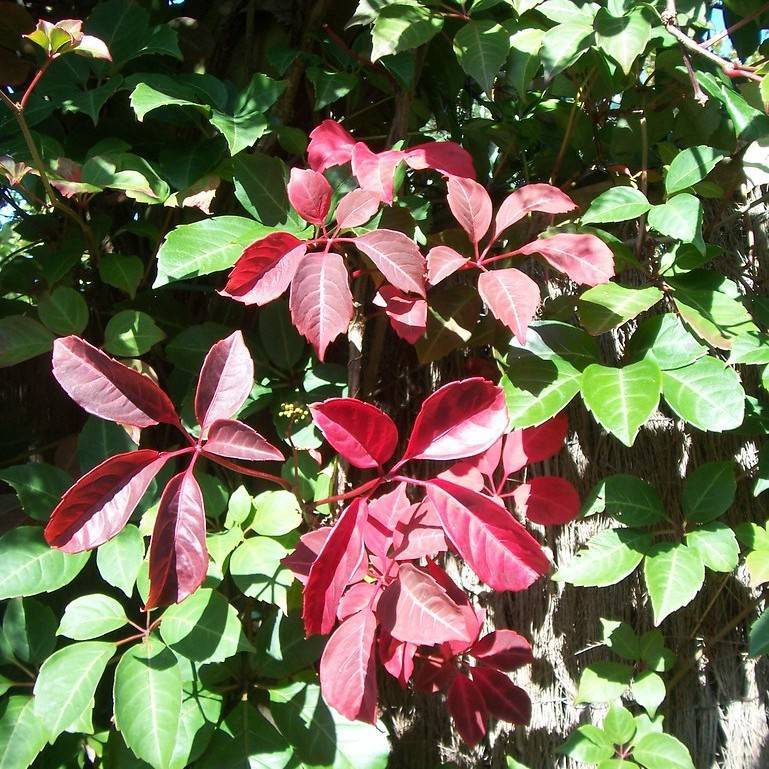
Henry's Virginia Creeper
Parthenocissus henryana
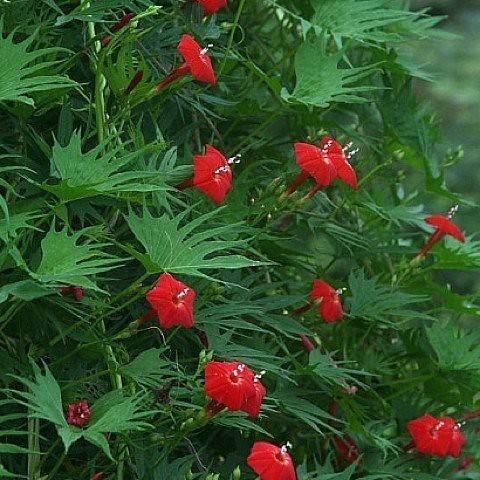
Cardinal Climber
Ipomoea × multifida
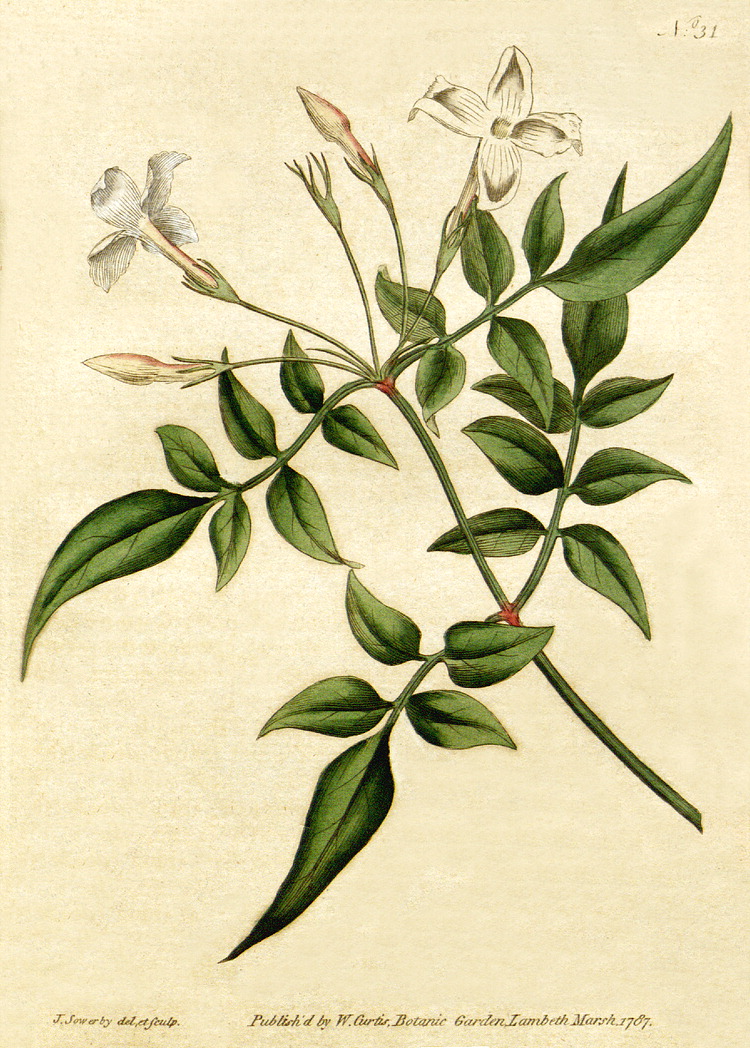
Common Jasmine
Jasminum officinale