Bailey's Sedge
Carex baileyi
Overview
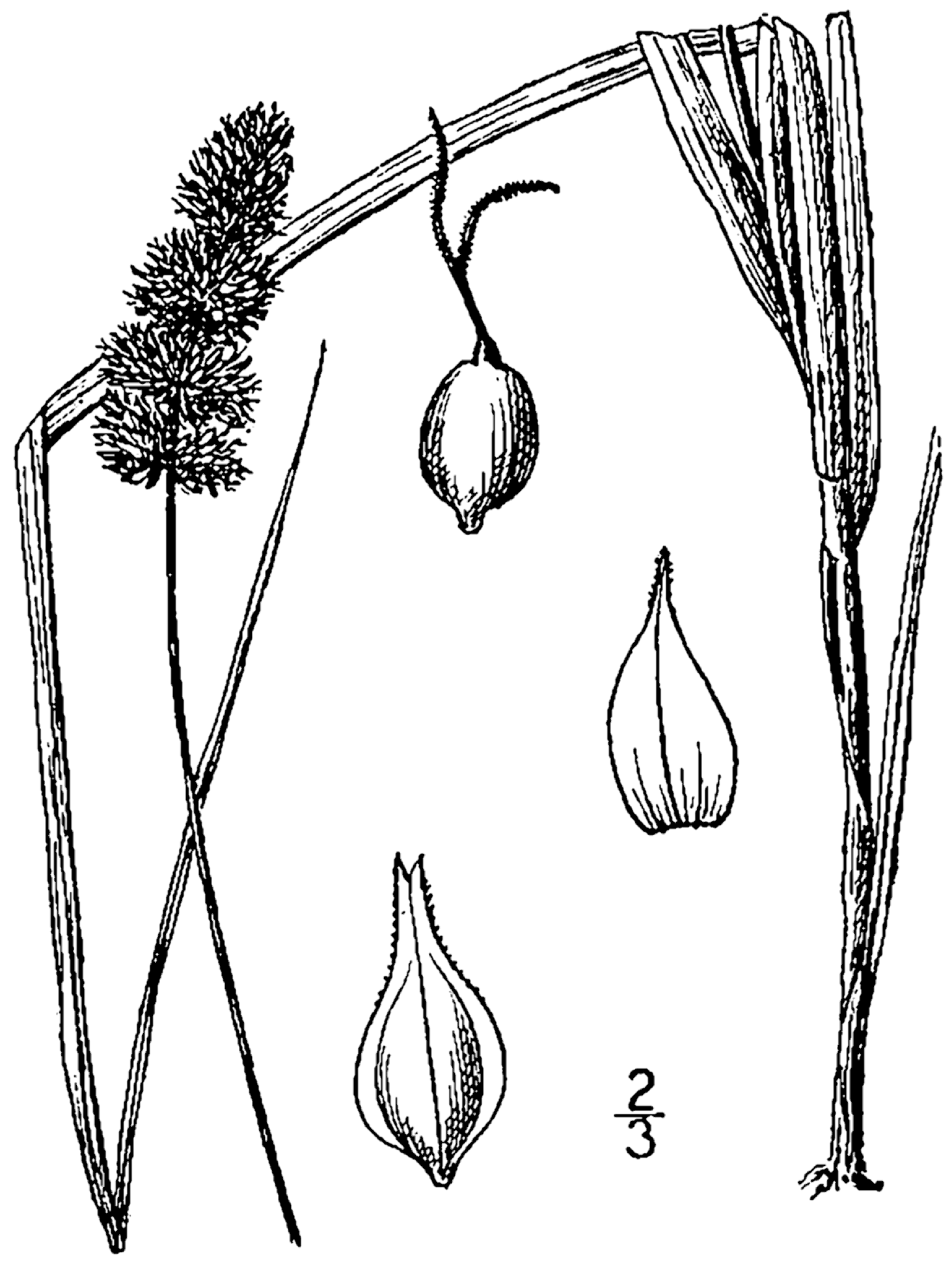
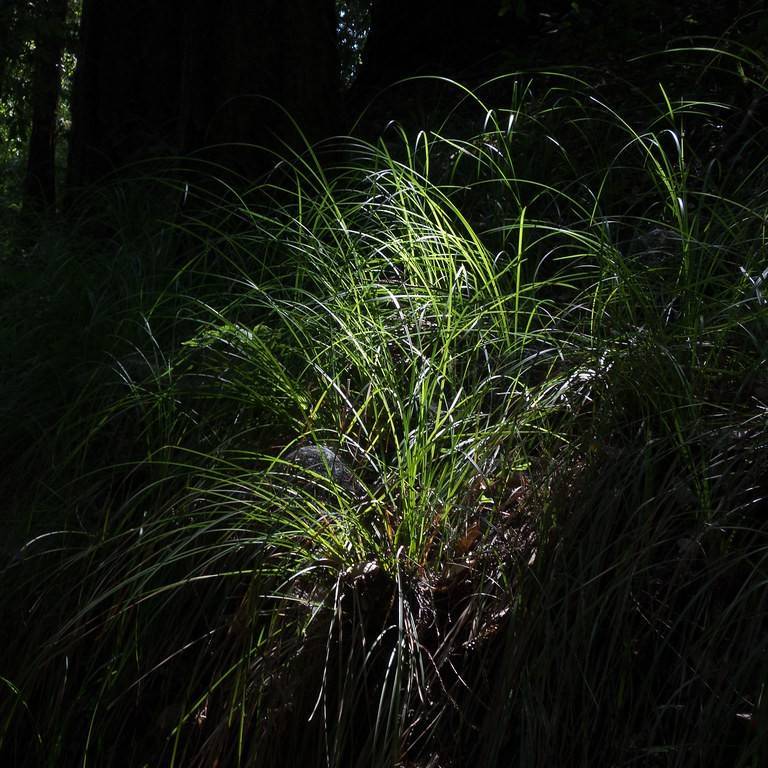
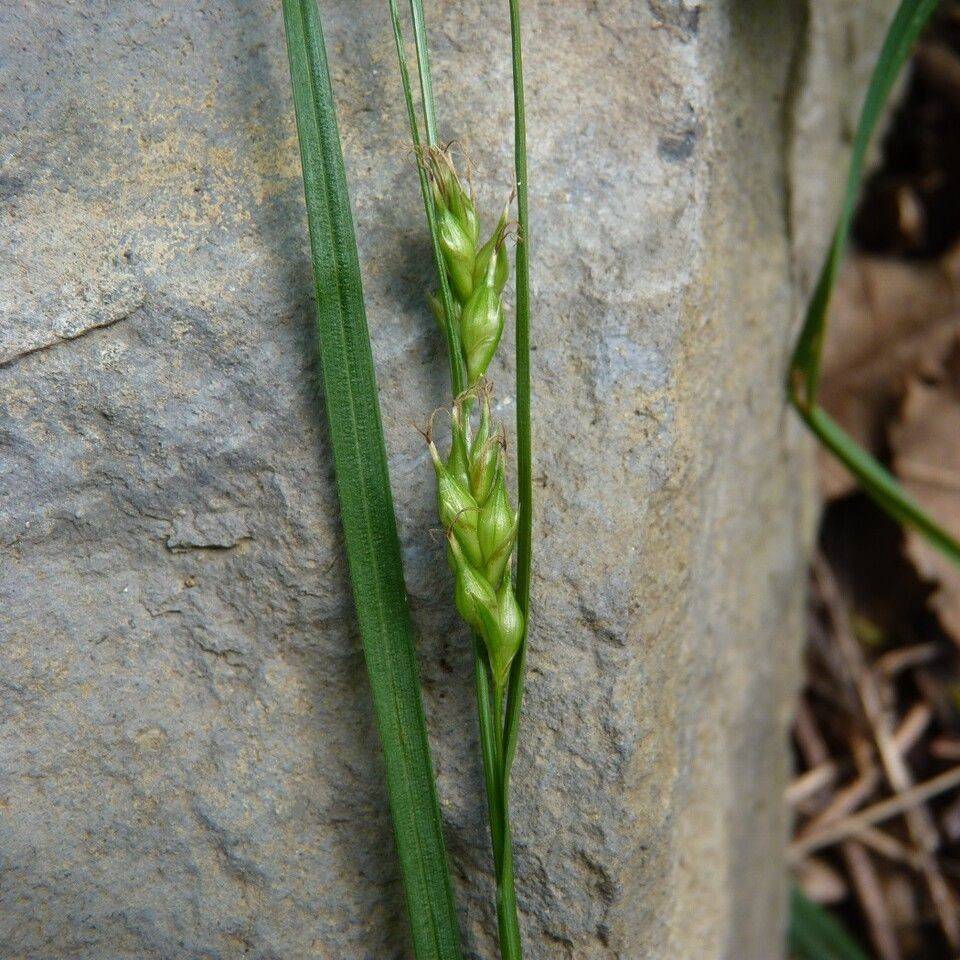
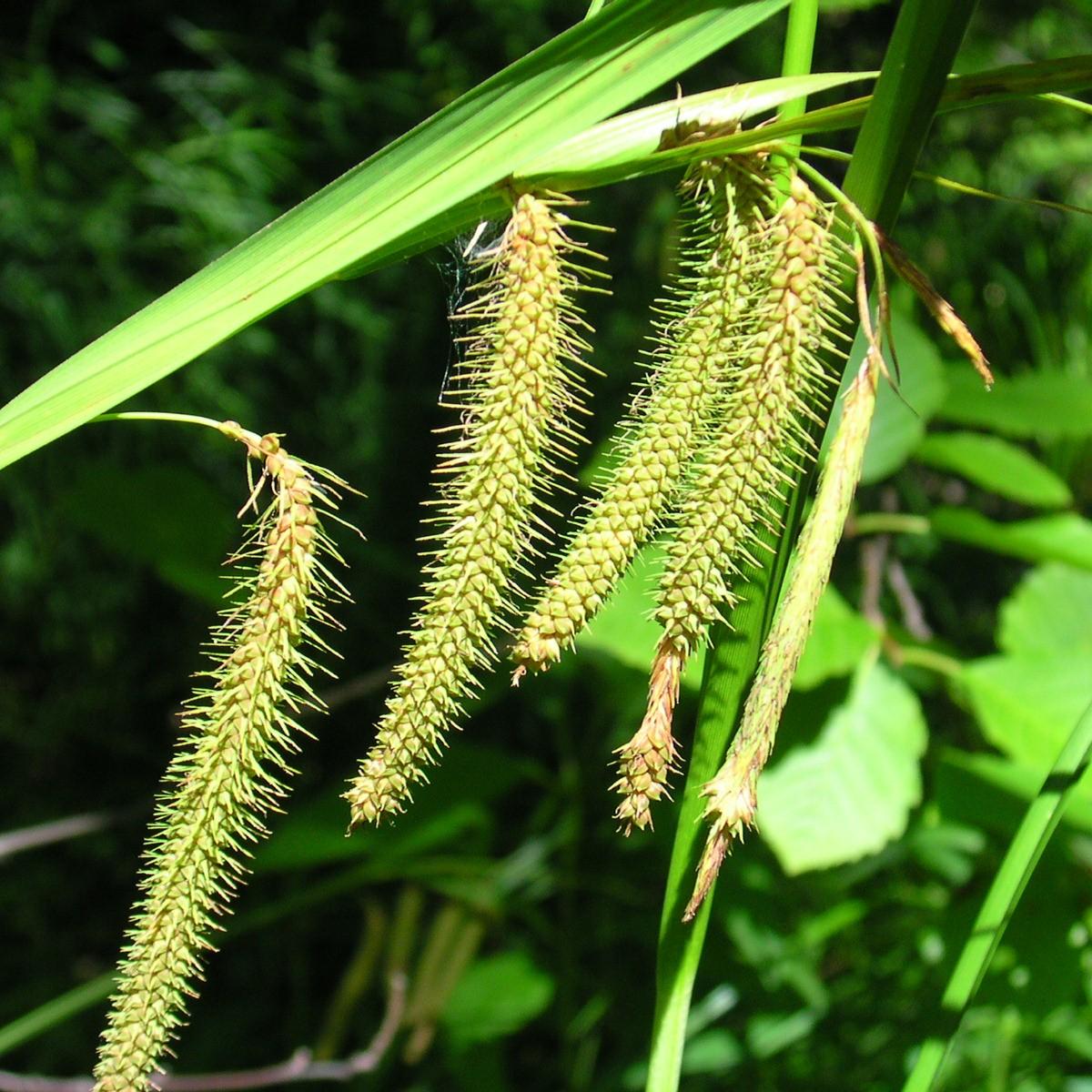
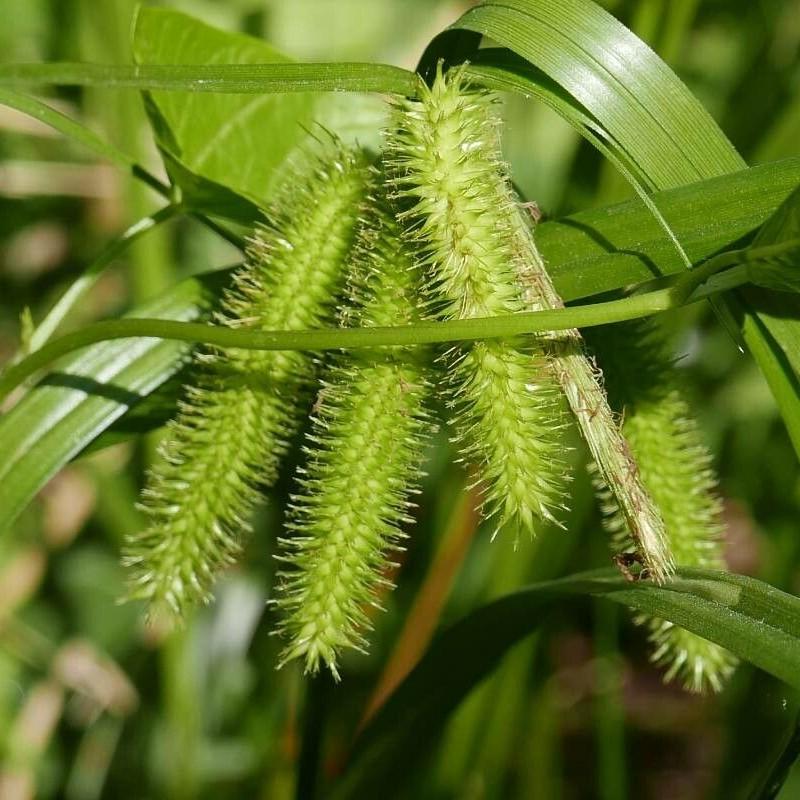
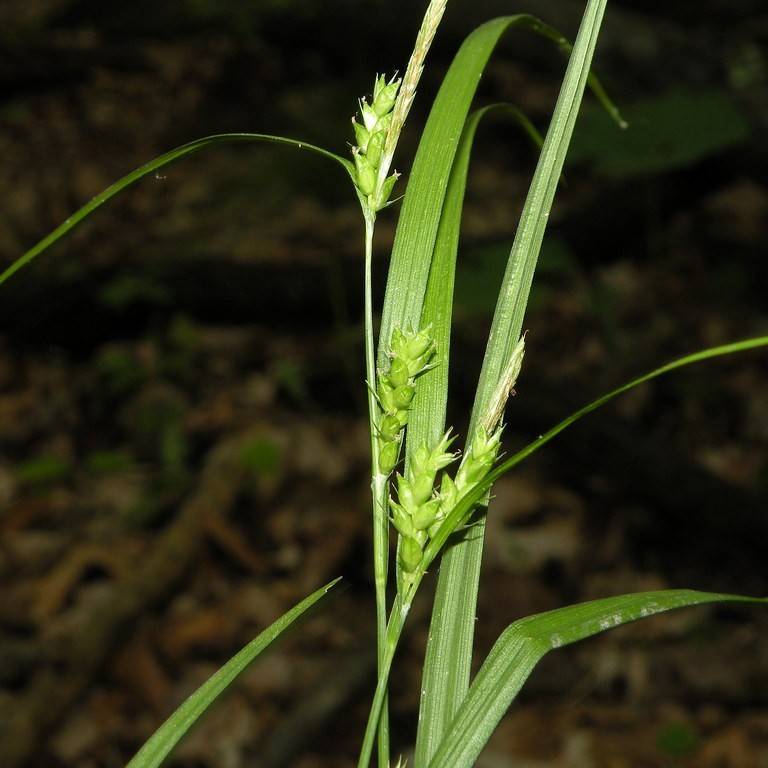
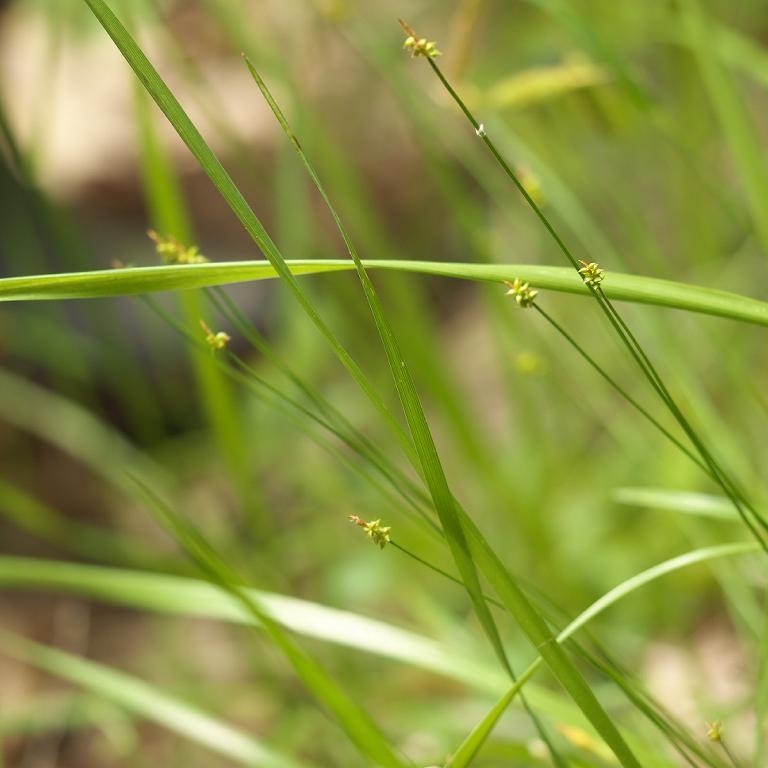
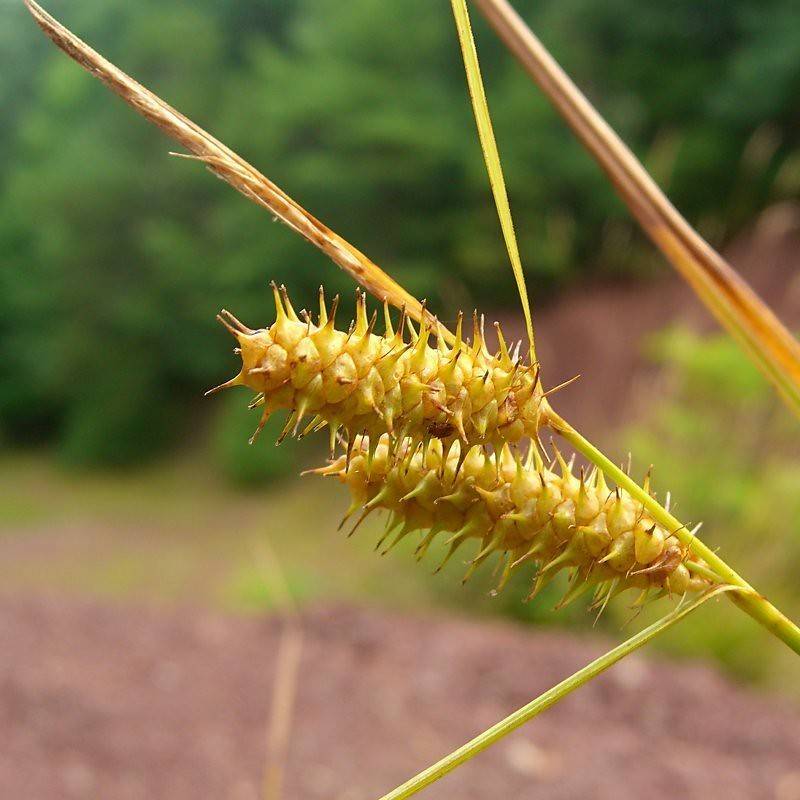
Bailey's Sedge is a cool-season, clump-forming sedge that naturally thrives in wet, shaded habitats including swamps, wet woodlands, and stream banks. It produces slender, cascading bright green blades that form dense, rounded mounds, with inconspicuous brownish flower spikes emerging in late spring to early summer. Adaptable to periodic flooding and heavy shade, it is a valuable native plant for supporting local pollinators and providing cover for small wildlife.
Care Guide
Watering
Requires consistently moist to wet soil, and tolerates occasional standing water for short periods; never allow the root zone to dry out completely, especially during periods of hot, dry weather. In garden settings, water deeply 1-2 times per week if rainfall is insufficient, prioritizing moisture retention in the root zone. Potted specimens need more frequent watering to maintain constant soil moisture levels.
Light
Performs best in partial to full shade, mimicking its native understory wet woodland habitat. It can tolerate short periods of dappled morning sun, but prolonged direct midday or afternoon sun will scorch foliage and cause excessive moisture loss. In consistently saturated soil, it may adapt to slightly sunnier positions in cooler climates.
Soil
Thrives in rich, loamy, acidic to neutral soil with high organic matter content that retains moisture well. It tolerates heavy clay soils and poorly drained locations that are unsuitable for most ornamental grasses, including areas that experience periodic flooding. Avoid sandy, fast-draining soils that cannot maintain consistent moisture for the root system.
Fertilizer
Generally requires minimal fertilization, as it obtains sufficient nutrients from organic-rich soil. If growth appears stunted, apply a balanced, slow-release granular fertilizer in early spring before new growth emerges, at half the recommended rate for ornamental grasses. Avoid over-fertilizing, which can cause leggy growth and reduce the plant's natural clumping form.
Temperature
Cold hardy in USDA zones 3 through 8, tolerating winter temperatures as low as -40°F (-40°C) without special protection. It prefers cool summer temperatures between 60-75°F (16-24°C), and may enter dormancy earlier than usual if exposed to prolonged temperatures above 90°F (32°C) combined with insufficient moisture. Mulching around the root zone helps regulate soil temperature and reduce moisture loss in warmer months.
Pruning
Requires very little pruning; simply cut back dead or browned foliage to ground level in late winter or early spring before new green blades emerge, to keep the clump looking tidy. Remove any damaged or yellowed foliage throughout the growing season as needed, to improve air circulation and appearance. Avoid cutting into green, actively growing blades, as this can harm the clump's long-term health.
Propagation
Most easily propagated by division of mature clumps in early spring before new growth starts, or in early fall when temperatures cool. Dig up the entire clump, split it into smaller sections each with a healthy portion of roots and growing points, and replant immediately at the same depth as the original plant. It can also be grown from seed sown in cold, moist stratification for 60-90 days before planting, though seed-grown plants take longer to reach mature size.
Humidity
Prefers moderate to high humidity levels between 50-70%, consistent with its native wetland habitat. It tolerates average household humidity if grown as a potted houseplant, but may benefit from occasional misting if indoor air is exceptionally dry, especially during winter heating months. Low humidity combined with dry soil will cause leaf tips to brown and foliage to wilt prematurely.
Repotting
Potted Bailey's Sedge should be repotted every 2-3 years in early spring, when the root system fills the current container and begins to grow through drainage holes. Use a deep pot with ample drainage holes, filled with a moisture-retentive potting mix amended with peat moss or compost to increase organic content. After repotting, water thoroughly and keep the plant in shaded conditions for 1-2 weeks to reduce transplant stress.
Uses & Symbolism
Bailey's Sedge is widely used in native landscaping for rain gardens, bioswales, and wetland restoration projects, where its dense root system helps stabilize soil, reduce erosion, and filter stormwater runoff. It is an excellent low-maintenance ground cover for shaded, wet areas where most grasses and flowering plants struggle to grow, and provides food and habitat for native bees, butterflies, and small wetland wildlife. It can also be grown as a houseplant in bright, indirect light, adding soft, cascading foliage to indoor container displays.
Diseases & Pests
Bailey's Sedge is relatively pest and disease resistant, with few common issues when grown in its preferred moist, shaded conditions. Overly dry soil or prolonged sun exposure can cause leaf scorch and browning, while poor air circulation in overly dense clumps may lead to minor fungal leaf spot diseases, which can be treated by removing affected foliage and improving air flow. Occasional aphids or spider mites may infest stressed plants, and can be controlled with a strong spray of water or insecticidal soap.
Related plants
Other plants you might like if you grow Bailey's Sedge.