Baby Rubber Plant
Peperomia obtusifolia
Overview
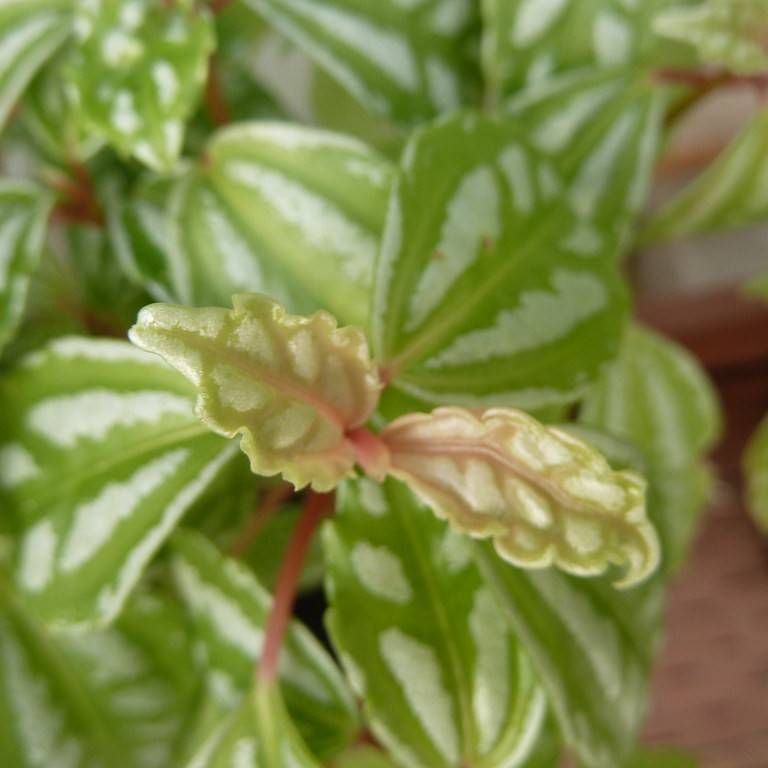
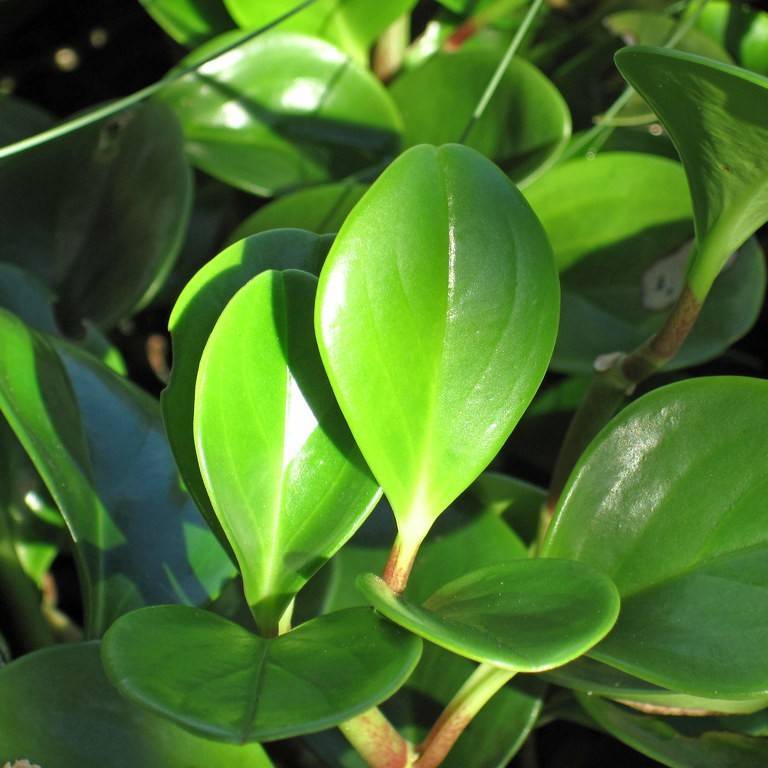
The baby rubber plant is a popular, compact tropical species valued for its thick, waxy, oval-shaped foliage that comes in solid green, variegated, or golden-edged cultivars. It gets its common name from its thick, rubber-like leaf texture, distinguishing it from the larger, unrelated rubber tree (Ficus elastica). As an understory plant in its native habitat, it thrives in low to moderate indirect light, making it well-suited for indoor growing conditions.
Care Guide
Watering
Allow the top 1-2 inches of soil to dry out completely between waterings, as overwatering can quickly lead to root rot in this succulent-like species. Reduce watering frequency significantly in the winter months when growth slows, only providing moisture when the soil is almost fully dry. Avoid getting water trapped in the center of the leaf rosette to prevent fungal growth.
Light
Thrives in bright, indirect light, such as that from a north-facing or east-facing window, which supports healthy foliage color and compact growth. Variegated cultivars require slightly more light to maintain their leaf patterning, while solid green varieties tolerate low light conditions well. Avoid direct, harsh midday sun, which can scorch the delicate leaves and cause unsightly brown spots.
Soil
Requires a well-draining, loose, aerated potting mix to prevent waterlogging around its shallow, delicate root system. A blend of regular houseplant soil mixed with perlite, orchid bark, or pumice at a 1:1 ratio works well, as it balances moisture retention and drainage. A slightly acidic to neutral pH between 6.0 and 7.0 is ideal for optimal nutrient uptake.
Fertilizer
Feed with a diluted, balanced liquid houseplant fertilizer once every 4-6 weeks during the active spring and summer growing season. Do not fertilize in fall and winter, when the plant is dormant and excess nutrients can build up in the soil and damage roots. Avoid over-fertilizing, as this can cause leggy growth and browning leaf tips.
Temperature
Prefers consistent indoor temperatures between 65-80°F (18-27°C), which mimics its native tropical understory environment. Avoid exposing the plant to temperatures below 50°F (10°C), as cold drafts from windows, doors, or air conditioning units can cause leaf drop and stunted growth. Sudden temperature fluctuations should also be minimized to prevent stress.
Pruning
Prune in early spring before new growth emerges to maintain a compact, bushy shape and remove any yellowed, damaged, or leggy stems. Pinch back the tips of growing stems to encourage branching and prevent the plant from becoming lanky as it matures. Use clean, sharp pruning shears to make clean cuts, and avoid removing more than 1/3 of the plant’s foliage at one time.
Propagation
Easily propagated from stem cuttings or leaf cuttings taken during the spring or summer growing season. For stem cuttings, snip a 3-4 inch section with at least 2-3 leaves, allow the cut end to callous over for a few hours, then plant in moist, well-draining potting mix and keep in bright indirect light until roots form in 2-4 weeks. Leaf cuttings can also be rooted by placing a whole healthy leaf, with a small portion of the petiole attached, into moist potting mix.
Humidity
Tolerates average household humidity levels between 40-50% well, making it suitable for most indoor environments without extra humidity adjustments. If your home is very dry, especially during winter heating months, occasional misting, a pebble tray with water, or a small humidifier can help keep foliage looking lush. Avoid excessively high humidity above 70% for long periods, as this can increase the risk of fungal leaf spots.
Repotting
Repot only every 2-3 years, as the baby rubber plant has a small, shallow root system and prefers to be slightly root-bound. When repotting, choose a pot that is only 1-2 inches larger in diameter than the current one, with ample drainage holes to prevent waterlogging. The best time to repot is in early spring, right before the start of the active growing season.
Uses & Symbolism
Primarily grown as a low-maintenance houseplant for tabletops, shelves, and office spaces, where its compact size and attractive foliage add a pop of green to small areas. It is an excellent air-purifying plant, with NASA studies showing it can remove formaldehyde and other volatile organic compounds from indoor air. Its non-toxic nature makes it a safe choice for households with children, cats, and dogs.
Diseases & Pests
Overwatering is the most common issue, leading to root rot, yellowing leaves, and mushy stems if left unaddressed. Common pests include fungus gnats, mealybugs, and spider mites, which can be treated with neem oil, insecticidal soap, or rubbing alcohol applied directly to affected areas. Fungal leaf spots can occur if foliage stays wet for long periods, so avoid overhead watering and ensure good air circulation around the plant.
Related plants
Other plants you might like if you grow Baby Rubber Plant.