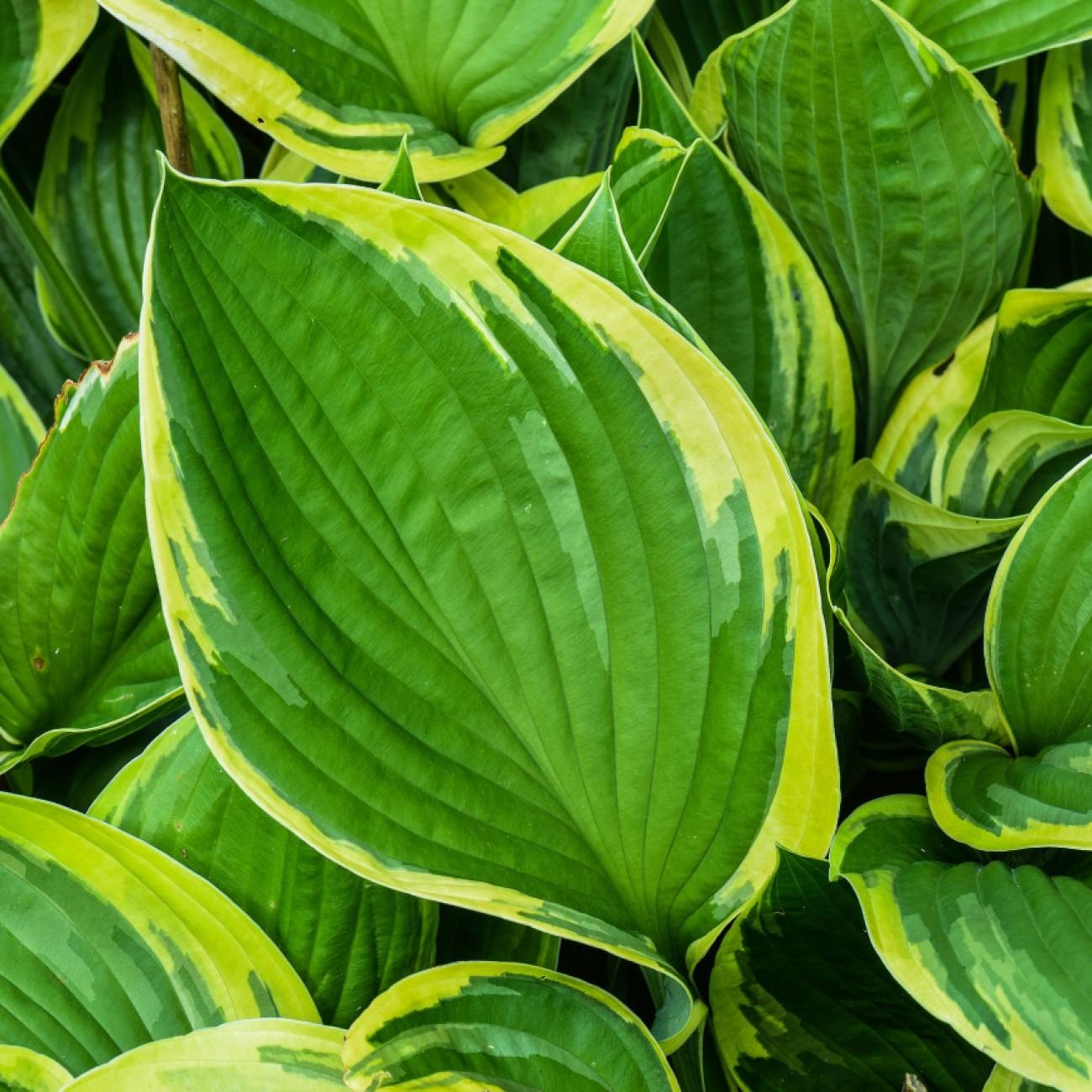
Hosta
Hosta spp.
Overview
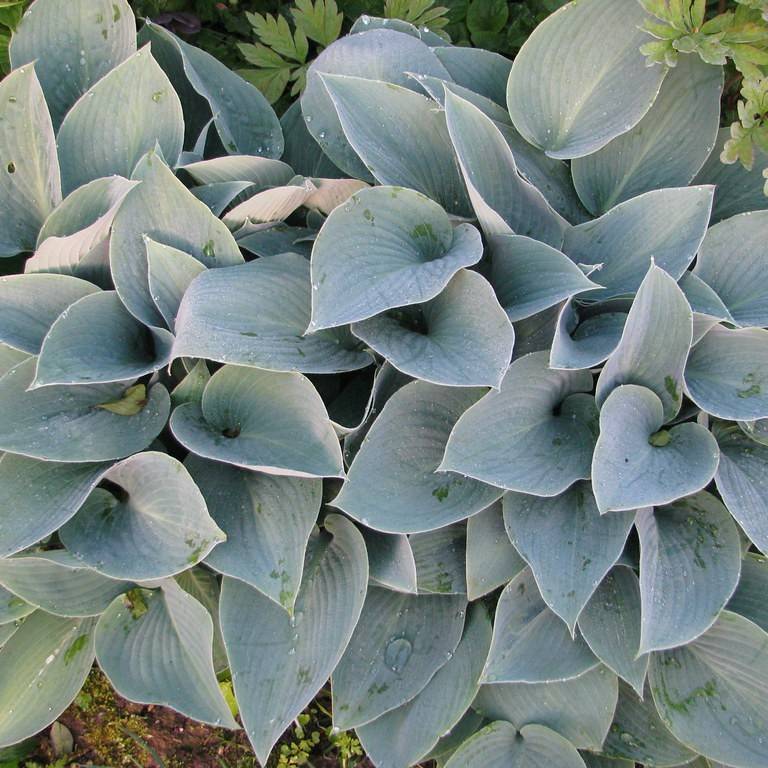
Hostas, also called plantain lilies, are beloved garden staples celebrated for their wide range of foliage colors, textures, and sizes, with cultivars ranging from tiny compact varieties to large statement specimens. They produce tall, arching spikes of bell-shaped white, lavender, or purple flowers in summer, many of which emit a subtle, pleasant fragrance. Extremely adaptable to cool, shaded growing conditions, they are a top choice for low-maintenance woodland gardens, border plantings, and container displays in regions with temperate climates.
Care Guide
Watering
Hostas prefer consistently moist, well-drained soil; water deeply once or twice weekly during dry periods, ensuring the top 1-2 inches of soil remain damp but not waterlogged to prevent root rot. Reduce watering frequency in fall as the plants enter dormancy, and avoid overwatering potted specimens to prevent soggy root conditions.
Light
Grow best in partial to full shade, with most cultivars thriving in dappled sunlight or 2-4 hours of gentle morning sun; too much direct afternoon sun can scorch leaf edges, fade variegation, and cause stress. Solid green cultivars tolerate deeper shade than variegated varieties, which require small amounts of filtered light to maintain their distinct color patterns.
Soil
Thrive in rich, loamy, well-drained soil with a slightly acidic to neutral pH between 6.0 and 7.5, amended with organic matter such as compost or well-rotted leaf mold to boost moisture retention and nutrient content. Avoid heavy clay soils that hold standing water, as this can lead to rapid root rot and plant decline, especially in dormant winter months.
Fertilizer
Feed established plants in early spring with a balanced, slow-release granular fertilizer (10-10-10 NPK) worked into the soil around the base, avoiding direct contact with leaves to prevent burn. Additional fertilization is rarely needed for plants grown in nutrient-rich soil; over-fertilizing can lead to floppy growth and increased susceptibility to pest damage.
Temperature
Prefer temperate climates with cool summers and cold winter dormancy periods, thriving in USDA hardiness zones 3 through 9, with some cold-hardy cultivars surviving even zone 2 conditions. Summer temperatures above 90°F (32°C) can cause leaf stress, so provide extra shade and moisture during heatwaves to prevent wilting and scorch.
Pruning
Remove yellowed or damaged leaves throughout the growing season to improve air circulation and reduce pest habitat, and cut back entire foliage stalks to the ground after the first hard frost in fall to eliminate overwintering pest eggs and disease spores. Deadhead spent flower spikes after blooming if you do not want the plant to self-seed, or leave them in place to provide food for local pollinators and small birds.
Propagation
Most commonly propagated by division in early spring just as new shoots emerge, or in early fall 4-6 weeks before the first frost, by digging up mature clumps, splitting them into sections with at least 2-3 growing buds each, and replanting immediately at the same depth as the original plant. Hostas can also be grown from seed, but seed-grown plants will not come true to the parent cultivar, and may take 3-5 years to reach mature size.
Humidity
Adapt to average ambient humidity levels between 40% and 60%, which is typical of most temperate garden and indoor environments; high humidity paired with poor air circulation can increase the risk of fungal leaf diseases. If grown indoors as a houseplant, mist leaves occasionally during very dry winter months, or place the pot on a pebble tray filled with water to boost surrounding humidity levels.
Repotting
Potted hostas should be repotted every 2-3 years in early spring before new growth emerges, moving to a container 1-2 inches larger in diameter than the current pot with fresh, organic-rich potting mix. Check root systems annually for signs of crowding, such as roots growing out of drainage holes or stunted growth, and divide overcrowded clumps at repotting time to maintain plant vigor.
Uses & Symbolism
Hostas are primarily used as ornamental foliage plants in shaded garden borders, woodland gardens, groundcover plantings, and container displays, where their varied leaf colors and textures provide year-round visual interest before and after flowering. Some varieties produce edible young shoots, called urui in Japanese cuisine, which are harvested in early spring before leaves unfurl and cooked as a vegetable, though proper identification is critical to avoid toxic lookalikes. Their summer flowers attract bees, hummingbirds, and other beneficial pollinators, making them a popular addition to wildlife-friendly shade gardens.
Diseases & Pests
Hostas are most famously prone to damage from slugs and snails, which chew irregular holes in leaves, especially in damp, shaded conditions; control methods include copper tape, diatomaceous earth, or hand-picking pests at night. Fungal diseases such as anthracnose, leaf spot, and crown rot can occur in overly wet, poorly ventilated conditions, presenting as brown, spotted, or wilting foliage; prevent these issues by avoiding overhead watering, spacing plants for air flow, and removing infected leaves immediately. Hosta virus X (HVX) is a serious incurable disease that causes mottled, streaked, or distorted foliage; infected plants must be destroyed to prevent spread to other hostas via contaminated tools or plant sap.
Related plants
Other plants you might like if you grow Hosta.