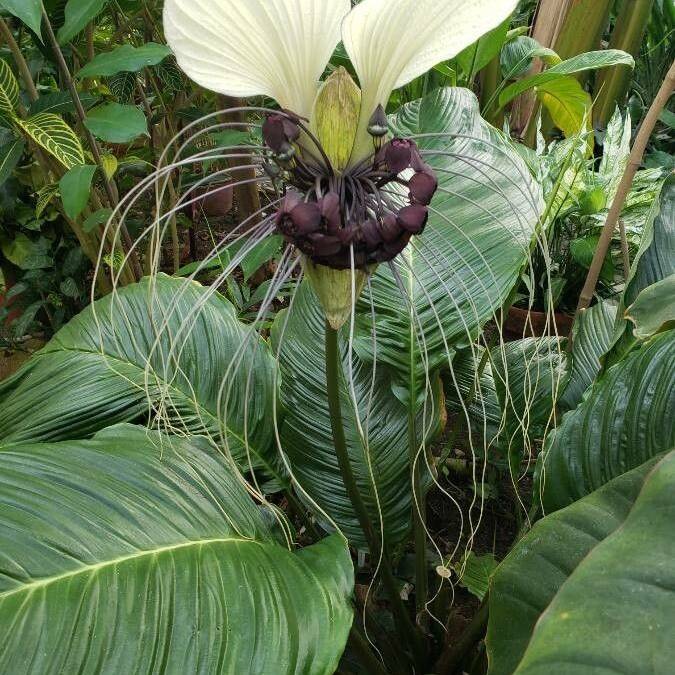
Bat Plant
Tacca chantrieri
Overview
The bat plant, also called black bat flower, is named for its unique inflorescence that resembles a bat in flight: broad, dark purple to black bracts form the "wings," while thread-like bracteoles up to 28 inches long hang down like whiskers. It is an understory plant native to humid, shaded rainforest environments, where it grows in moist, nutrient-rich leaf litter. Though it is most often cultivated for its eye-catching blooms, its large, glossy, heart-shaped foliage also adds lush tropical texture to gardens and indoor collections.
Care Guide
Watering
Keep the soil consistently moist but not waterlogged throughout the growing season, watering as soon as the top 1 inch of soil feels dry to the touch. Reduce watering slightly in the winter months when growth slows, but never allow the root ball to dry out completely, as this can cause leaf drop and stress. Use lukewarm, rain or filtered water if possible, as hard water with high mineral content can damage the plant’s sensitive roots.
Light
Bat plants thrive in bright, indirect light, mimicking the dappled sunlight of their native rainforest understory. Avoid direct midday sun, which can scorch the large, delicate leaves and fade the dark color of the flower bracts. For indoor growth, place near a north or east-facing window, or use a sheer curtain to filter light from a south or west-facing exposure.
Soil
Use a rich, well-draining, slightly acidic potting mix with a pH between 5.5 and 6.5, formulated for tropical aroids or epiphytes. A blend of peat moss, perlite, orchid bark, and composted leaf mold works well, as it retains moisture while allowing excess water to drain freely away from the roots. Avoid heavy, compacted garden soils, which can cause root rot by holding too much standing water around the root zone.
Fertilizer
Feed the bat plant every 2 to 4 weeks during the active growing season (spring through summer) with a balanced, water-soluble fertilizer diluted to half the recommended strength. Avoid high-nitrogen fertilizers, which can promote excessive foliage growth at the expense of flower production. Stop fertilizing entirely in the fall and winter when the plant enters its dormant period to prevent root burn from unused nutrients.
Temperature
Bat plants prefer warm, consistent temperatures between 65°F and 85°F (18°C to 29°C) year-round, with no sudden fluctuations. They are extremely sensitive to cold, and temperatures below 55°F (13°C) can cause leaf drop, stunted growth, or even plant death. Avoid placing the plant near drafty windows, air conditioning vents, or heating units that can expose it to extreme temperature swings.
Pruning
Prune away yellowed, damaged, or dead leaves at the base of their stems as needed to maintain the plant’s appearance and prevent fungal growth. After flowering, cut back the spent flower stalk at the base to redirect the plant’s energy toward new foliage and future bloom production. Avoid over-pruning, as the plant relies on its large leaves to photosynthesize and store energy for growth and flowering.
Propagation
Bat plants are most commonly propagated by dividing the rhizomes in early spring, just before new growth begins. Carefully dig up the mature plant, gently separate the rhizome into sections with at least one healthy growth bud each, and plant each section in its own pot with fresh, well-draining potting mix. Propagation from seed is possible but very slow, as seeds can take up to a year to germinate, and seed-grown plants may take 3 to 5 years to produce their first flowers.
Humidity
High humidity between 50% and 70% is essential for healthy bat plant growth, replicating the moist conditions of its native rainforest habitat. If indoor humidity is too low, place the pot on a tray filled with pebbles and water, use a room humidifier, or group the bat plant with other tropical plants to raise ambient moisture levels. Low humidity can cause brown leaf tips, curled foliage, and prevent the plant from producing its characteristic flowers.
Repotting
Repot bat plants every 2 to 3 years in early spring, only when the roots have completely filled the existing pot and are growing out of the drainage holes. Choose a pot that is 1 to 2 inches larger in diameter than the current one, with ample drainage holes to prevent waterlogging. Be gentle when handling the brittle, fleshy roots during repotting, as they are easily damaged, and avoid planting the rhizome too deep, as this can cause rot.
Uses & Symbolism
Bat plants are primarily grown as ornamental specimens for their unique, dramatic flowers, adding exotic flair to shaded tropical gardens, conservatories, and indoor plant collections. In their native range, some indigenous cultures use parts of the plant for traditional medicinal purposes, though these uses are not widely adopted in modern herbalism. They are also popular as conversation pieces in specialty plant collections and floral displays, as their unusual black blooms stand out among more common flowering plants.
Diseases & Pests
Bat plants are susceptible to root rot if overwatered or grown in poorly draining soil, a fungal condition that causes yellowed, wilted leaves and mushy, dark roots. Common pests include spider mites, mealybugs, and aphids, which feed on the sap of the leaves and can cause stippling, yellowing, and leaf drop if left untreated. Fungal leaf spot can also occur if water is left sitting on the foliage for extended periods, especially in low-airflow environments, so avoid misting the leaves directly and ensure good air circulation around the plant.
Related plants
Other plants you might like if you grow Bat Plant.
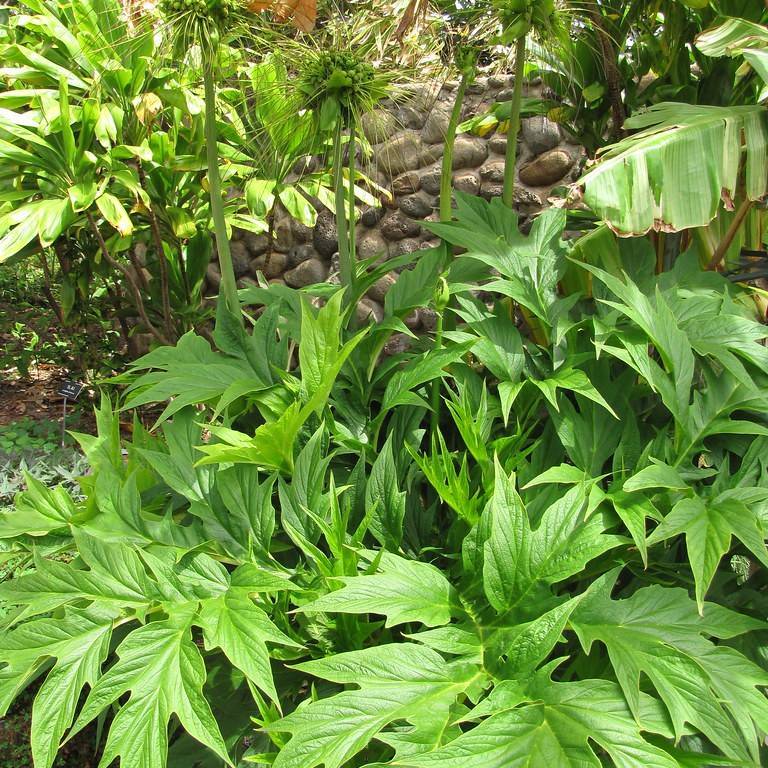
Batflower
Tacca chantrieri
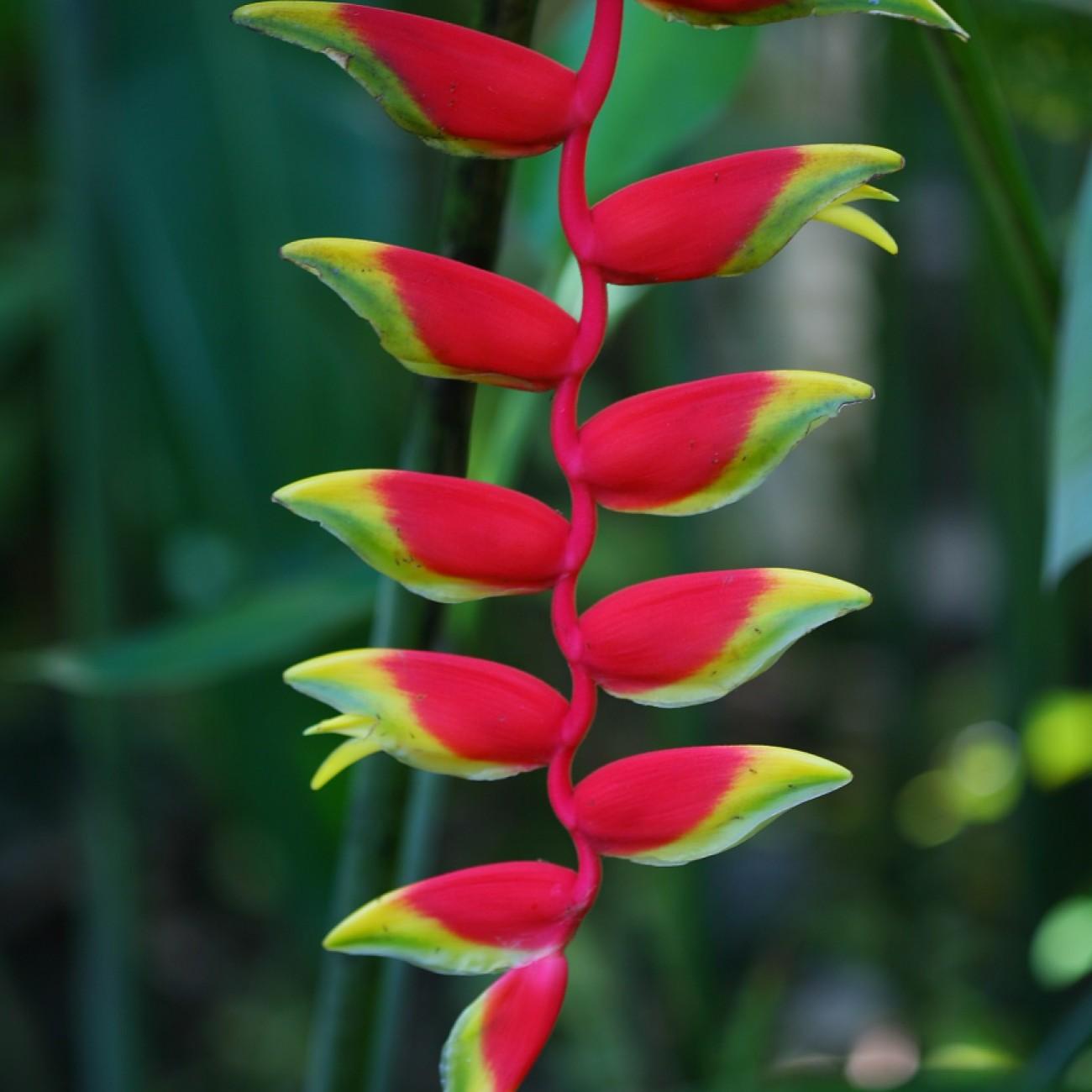
Heliconia
Heliconia spp.
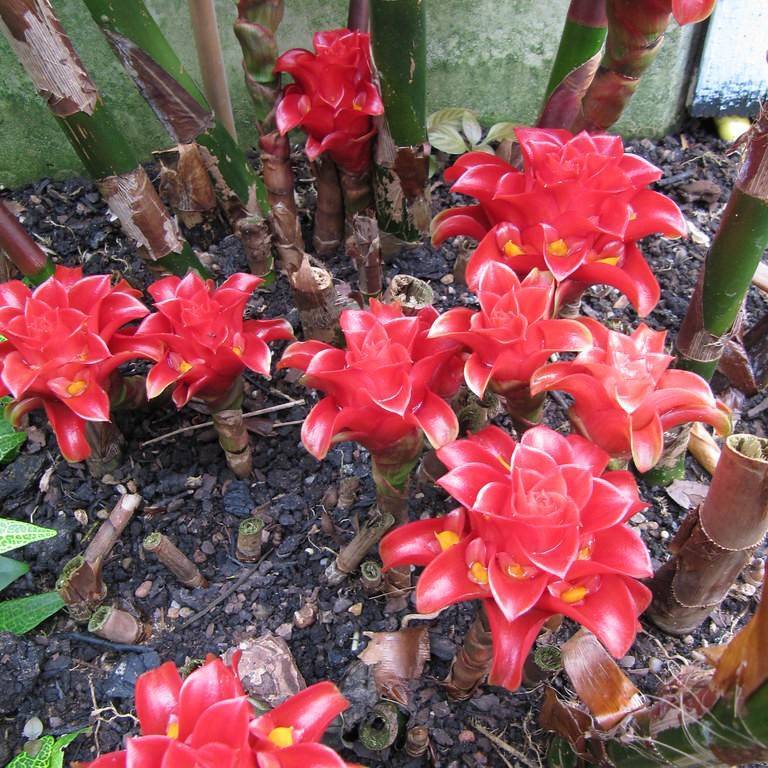
Indonesian Wax Ginger
Tapeinochilos ananassae
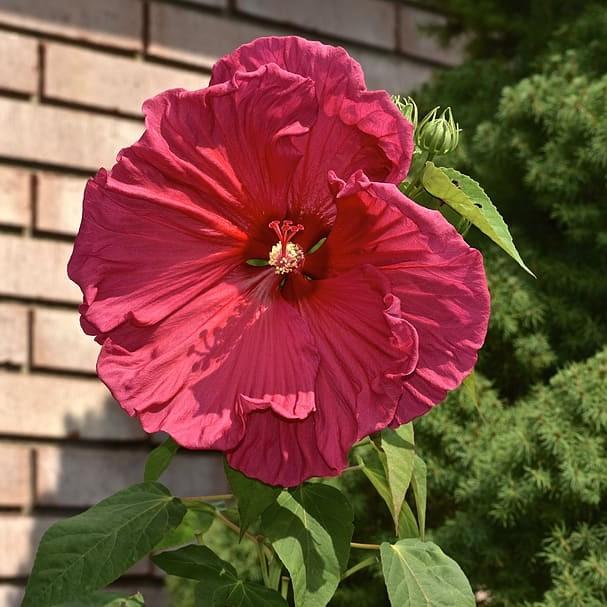
Hibiscus
Hibiscus rosa-sinensis
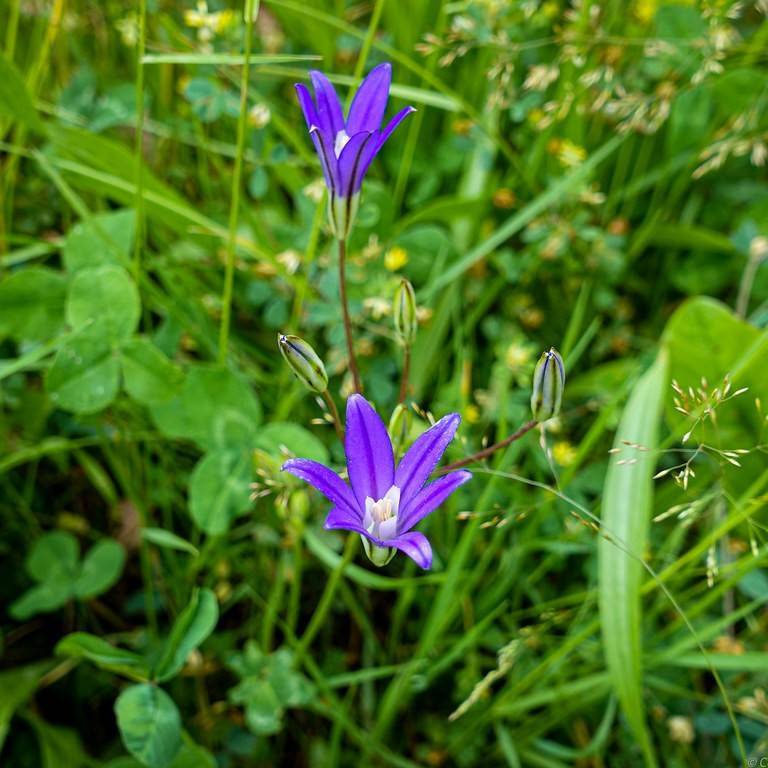
Harvest Firecracker Flower
Crossandra infundibuliformis 'Harvest'
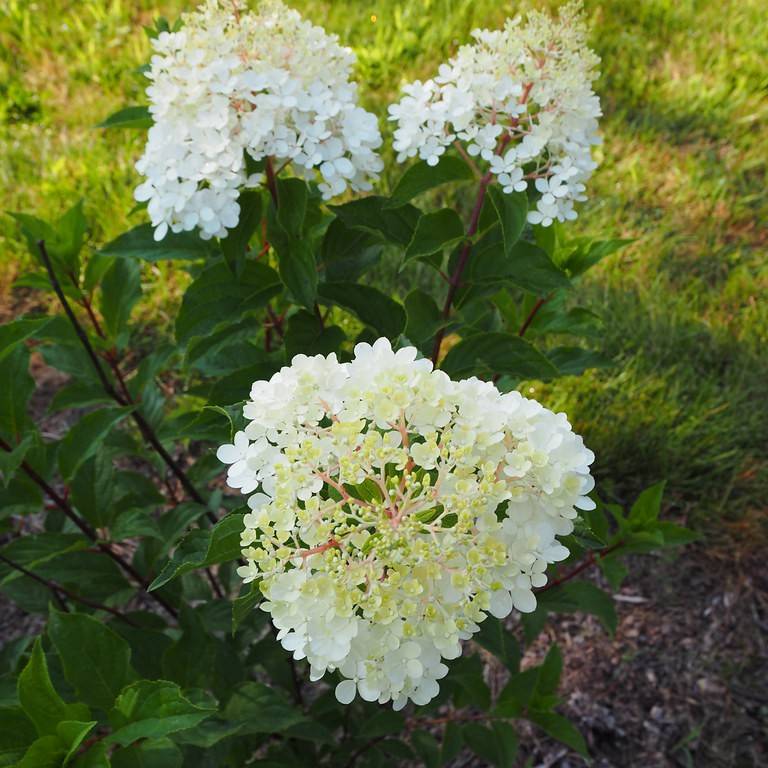
Cascade Hydrangea
Hydrangea seemannii
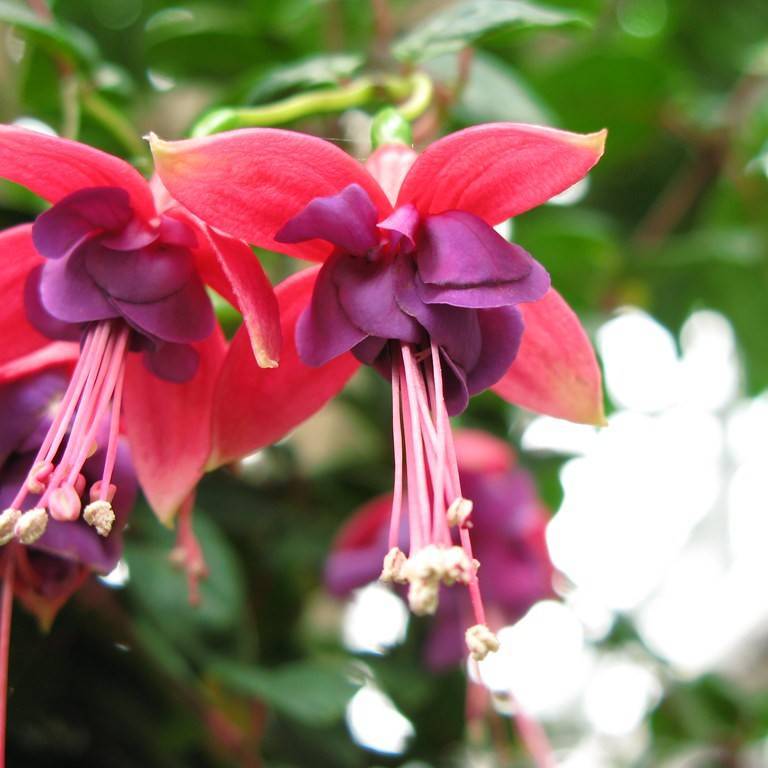
Lady's Eardrops
Fuchsia triphylla 'Gartenmeister Bonstedt'
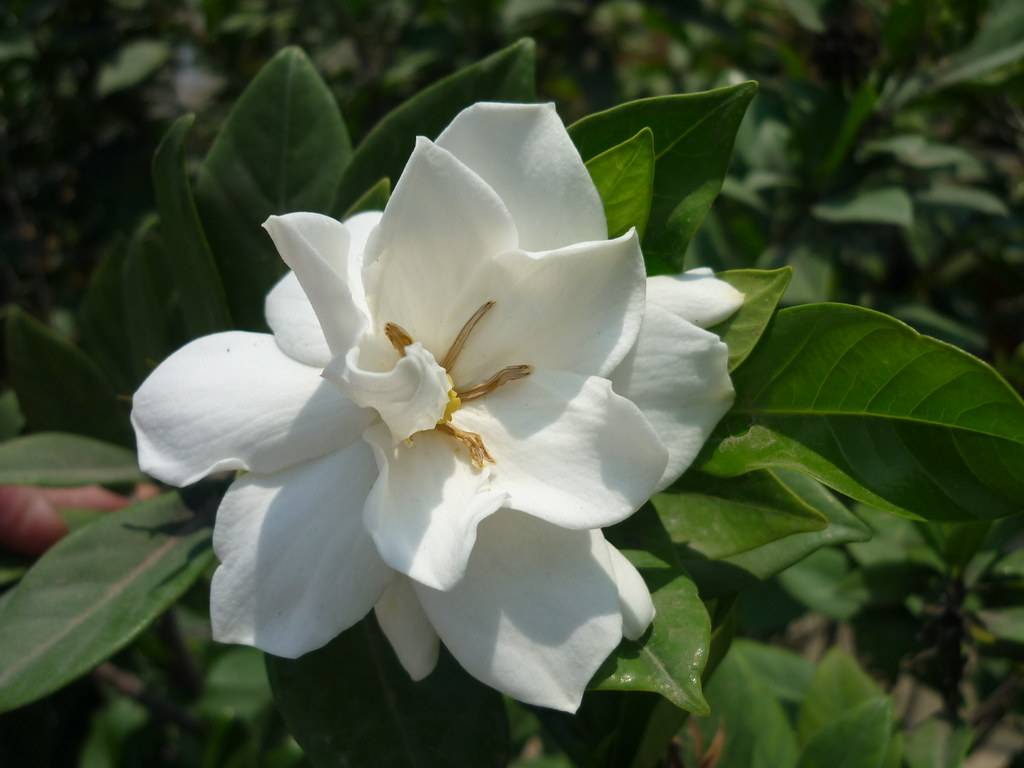
Gardenia
Gardenia jasminoides