Dwarf Honeysuckle
Lonicera nitida
Overview
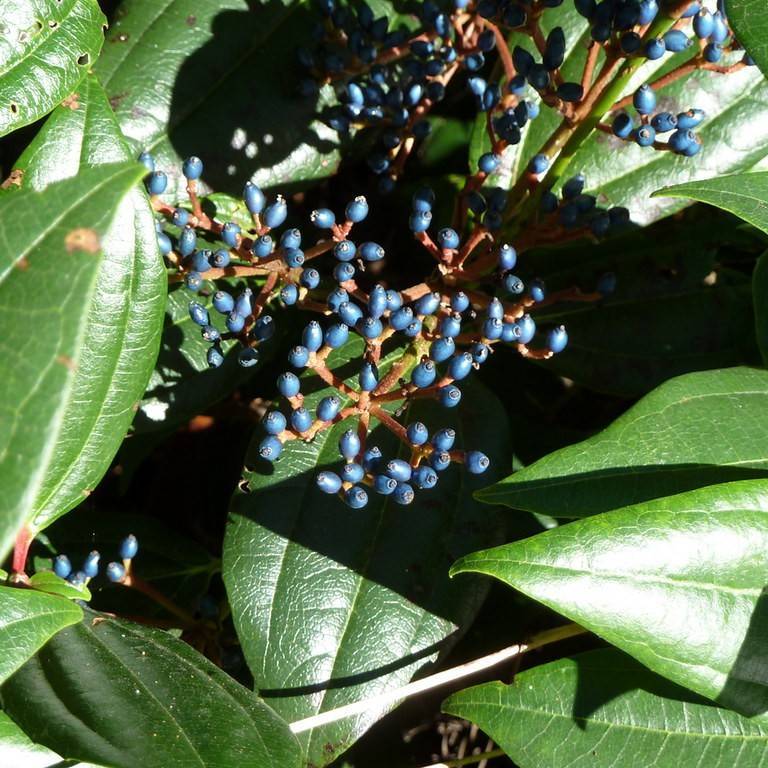
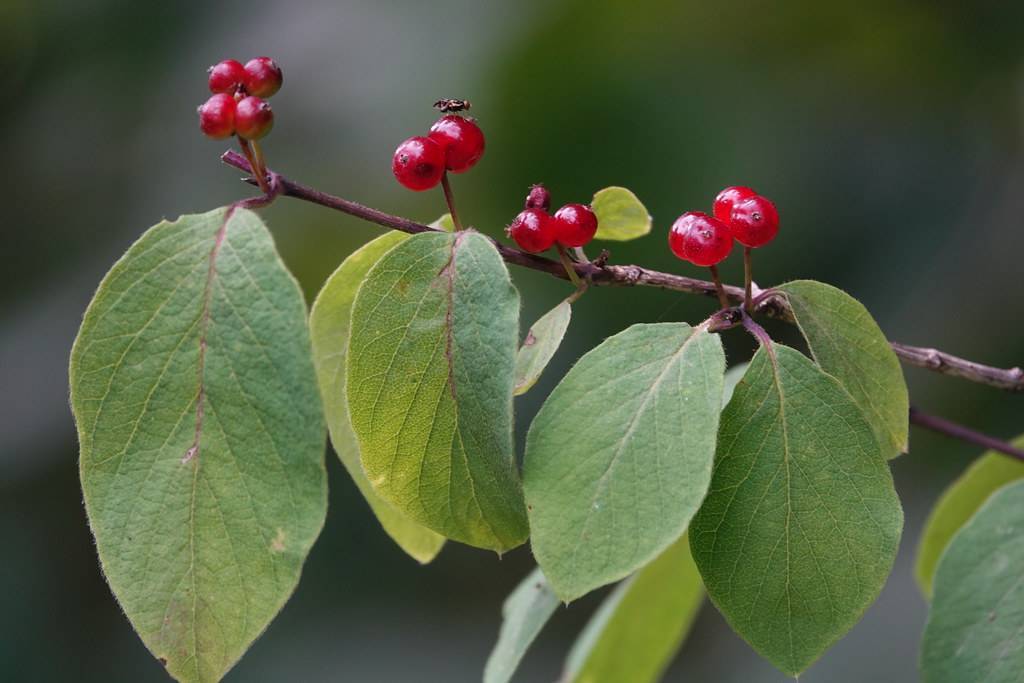
Dwarf honeysuckle, also called boxleaf honeysuckle, is a low-growing, bushy shrub prized for its small, glossy, dark green leaves that stay on the plant year-round in mild climates. In late spring, it produces clusters of tiny, creamy white, lightly fragrant flowers that attract pollinators, followed by small, dark blue-black berries in fall. It is far more compact than climbing honeysuckle varieties, making it a popular choice for small gardens, edging, and container growth.
Care Guide
Watering
Water newly planted dwarf honeysuckle regularly for the first growing season to establish a deep, extensive root system, keeping the soil consistently moist but not waterlogged. Once established, it is highly drought tolerant, only requiring supplemental watering during prolonged dry spells, as overwatering can lead to root rot. Avoid overhead watering to reduce the risk of fungal leaf spots.
Light
Dwarf honeysuckle thrives in full sun to partial shade, with full sun exposure encouraging the densest foliage growth and most abundant flowering. It can tolerate full shade, though growth will be sparser and flowering will be significantly reduced. In extremely hot climates, light afternoon shade is beneficial to prevent leaf scorch.
Soil
This adaptable shrub grows well in most well-drained soil types, including sandy, loam, and clay soils, with a preferred pH range of 5.5 to 7.5. It tolerates both alkaline and slightly acidic soils, but will not perform well in consistently waterlogged, heavy clay soils with poor drainage. Amending heavy soil with organic matter such as compost prior to planting will improve drainage and support healthy root growth.
Fertilizer
Feed dwarf honeysuckle once annually in early spring with a balanced, slow-release granular fertilizer formulated for woody shrubs to support new foliage growth and flowering. Avoid overfertilizing, especially with high-nitrogen blends, as this can lead to excessive soft growth that is more prone to pest damage and winter dieback. Container-grown specimens benefit from a half-strength balanced liquid fertilizer applied once every 4 to 6 weeks during the growing season.
Temperature
Dwarf honeysuckle is hardy in USDA zones 6 through 9, tolerating winter temperatures as low as -10°F (-23°C) once established. It withstands moderate summer heat and humidity, though extended periods of temperatures above 95°F (35°C) may cause temporary leaf wilting if soil moisture is low. In cooler zones outside its hardiness range, it can be grown in containers and overwintered indoors in a cool, bright location.
Pruning
Prune dwarf honeysuckle in late winter or early spring before new growth emerges to shape the plant, remove dead or damaged branches, and maintain its desired size. It tolerates very heavy pruning and shearing extremely well, making it ideal for formal low hedges, topiary shapes, or rejuvenation of overgrown specimens. Light follow-up shearing can be done in mid-summer to tidy up growth if needed, but avoid pruning after late fall to prevent stimulating tender new growth that will be damaged by winter frost.
Propagation
Dwarf honeysuckle is most easily propagated from semi-hardwood cuttings taken in mid to late summer, using 4-6 inch long stem sections with healthy foliage, stripped of lower leaves, and dipped in rooting hormone before being placed in moist, well-drained rooting medium. It can also be propagated from seed, though seed-grown plants may vary slightly from the parent plant, and seeds require a period of cold stratification to germinate successfully. Layering is another simple method: bend a low-growing stem to the ground, pin it in place with a small stake, cover a section with soil, and allow roots to form before severing the new plant from the parent the following spring.
Humidity
Dwarf honeysuckle adapts well to a wide range of humidity levels, thriving in the moderate humidity of its native mountain habitats as well as drier inland climates. It tolerates high humidity common in coastal and southern regions, though good air circulation around the plant is recommended in very humid conditions to prevent fungal leaf diseases. Indoor-grown container specimens do not require extra humidity, as average household humidity levels are sufficient for healthy growth.
Repotting
Container-grown dwarf honeysuckle should be repotted every 2 to 3 years in early spring, before new growth begins, to refresh the soil and give the roots room to expand. Choose a pot that is 1 to 2 inches larger in diameter than the current container, with adequate drainage holes to prevent waterlogging, and use a well-draining general-purpose potting mix amended with perlite or coarse sand for extra drainage. After repotting, water thoroughly and place the plant in a partially shaded location for a week to allow it to acclimate before returning it to its normal growing spot.
Uses & Symbolism
Dwarf honeysuckle is most commonly used as a low, dense hedge or edging plant in formal and informal gardens, as its tolerance for heavy shearing makes it an excellent alternative to boxwood in areas prone to boxwood blight. It is also popular for topiary, container growth on patios or balconies, and as a groundcover to prevent soil erosion on slopes. While its flowers are not as showy as climbing honeysuckle varieties, its light fragrance and nectar attract bees, butterflies, and other beneficial pollinators to the garden.
Diseases & Pests
Dwarf honeysuckle is relatively pest and disease resistant, but can be susceptible to aphid infestations that cluster on new growth, causing leaf curling and stunted growth, which can be treated with insecticidal soap or neem oil. Fungal leaf spot and powdery mildew may occur in conditions of high humidity and poor air circulation, especially if plants are watered from above, and can be prevented by spacing plants adequately and watering at the base. Root rot can develop in poorly drained, waterlogged soil, so ensuring proper soil drainage and avoiding overwatering is critical to prevent this fatal condition.
Related plants
Other plants you might like if you grow Dwarf Honeysuckle.
%22%2F%3E%0A%20%20%20%20%20%20%3Ccircle%20cx%3D%22920%22%20cy%3D%22180%22%20r%3D%2290%22%20fill%3D%22%23cfe8d5%22%2F%3E%0A%20%20%20%20%20%20%3Cpath%20d%3D%22M600%20590c-90-180-215-255-310-280%200%20165%20118%20296%20270%20296h40z%22%20fill%3D%22%2379b88e%22%2F%3E%0A%20%20%20%20%20%20%3Cpath%20d%3D%22M600%20590c80-150%20198-212%20302-228-8%20142-123%20255-270%20255h-32z%22%20fill%3D%22%235c9f73%22%2F%3E%0A%20%20%20%20%20%20%3Cpath%20d%3D%22M600%20610V360%22%20stroke%3D%22%234f8c64%22%20stroke-width%3D%2218%22%20stroke-linecap%3D%22round%22%2F%3E%0A%20%20%20%20%20%20%3Ctext%20x%3D%22600%22%20y%3D%22700%22%20text-anchor%3D%22middle%22%20font-family%3D%22Arial%2C%20sans-serif%22%20font-size%3D%2244%22%20fill%3D%22%23365c45%22%3E%0A%20%20%20%20%20%20%20%20Plant%20image%20coming%20soon%0A%20%20%20%20%20%20%3C%2Ftext%3E%0A%20%20%20%20%3C%2Fsvg%3E%0A%20%20)