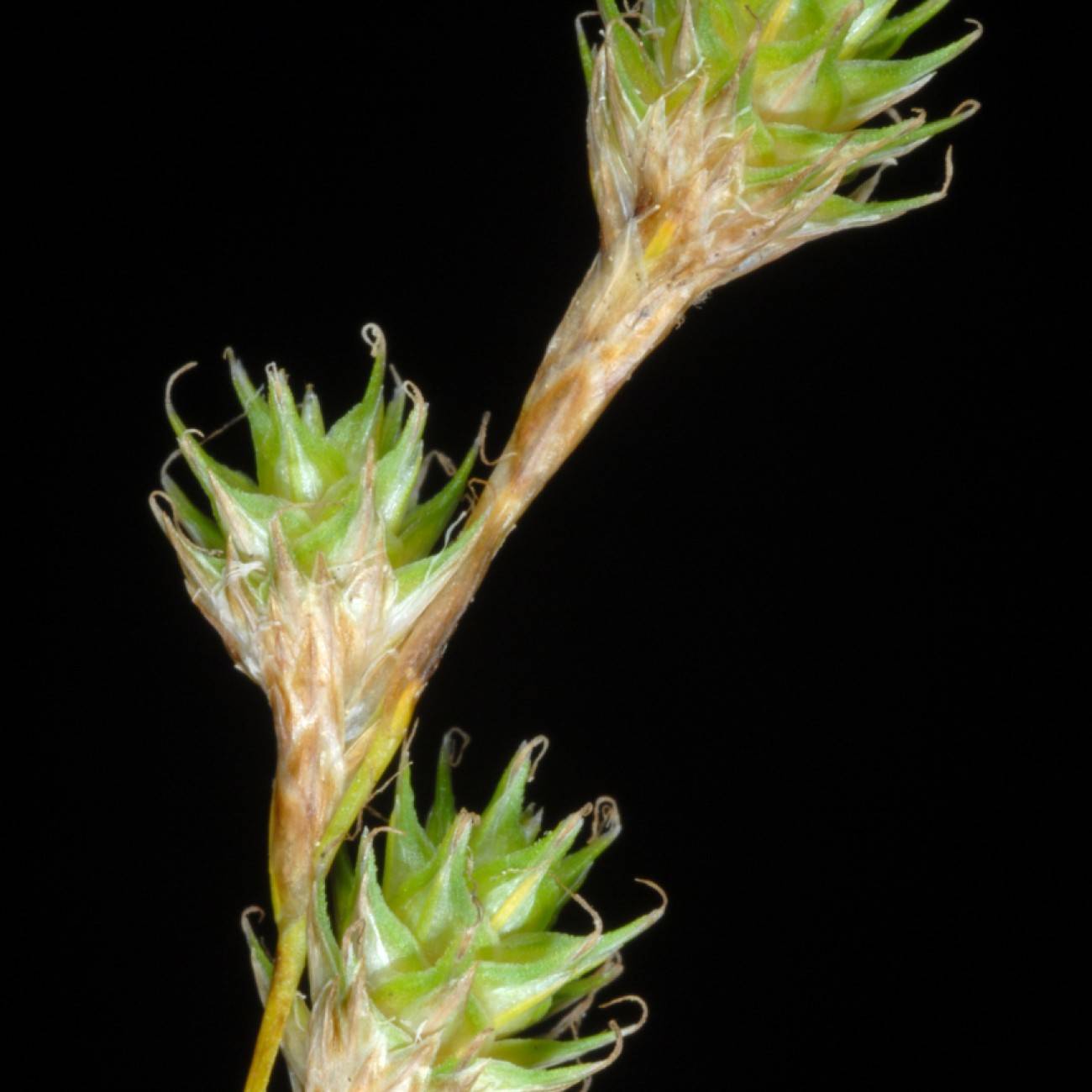
Fescue Sedge
Carex festucacea
Overview
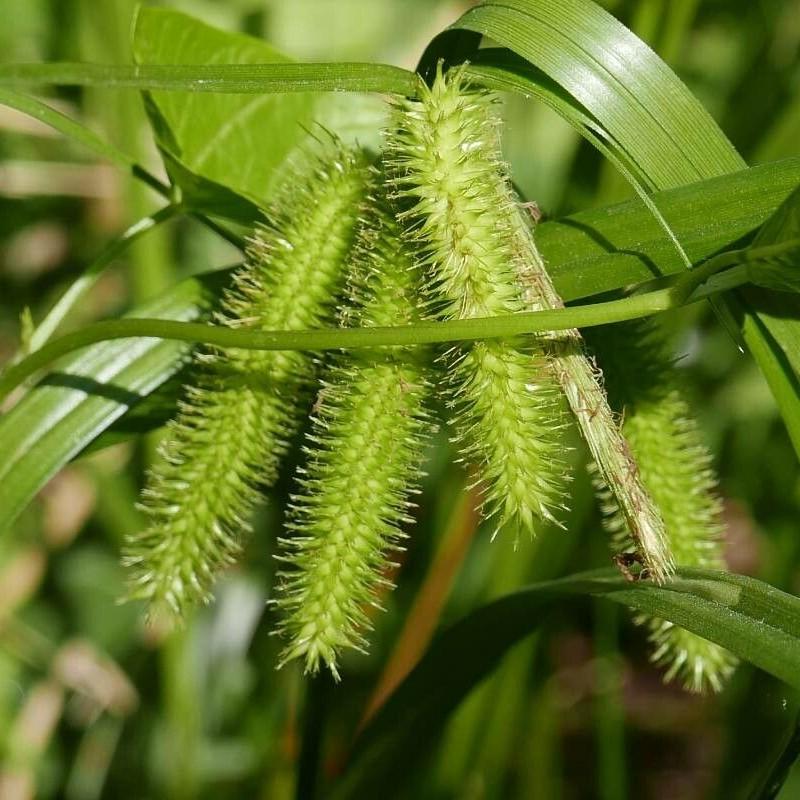
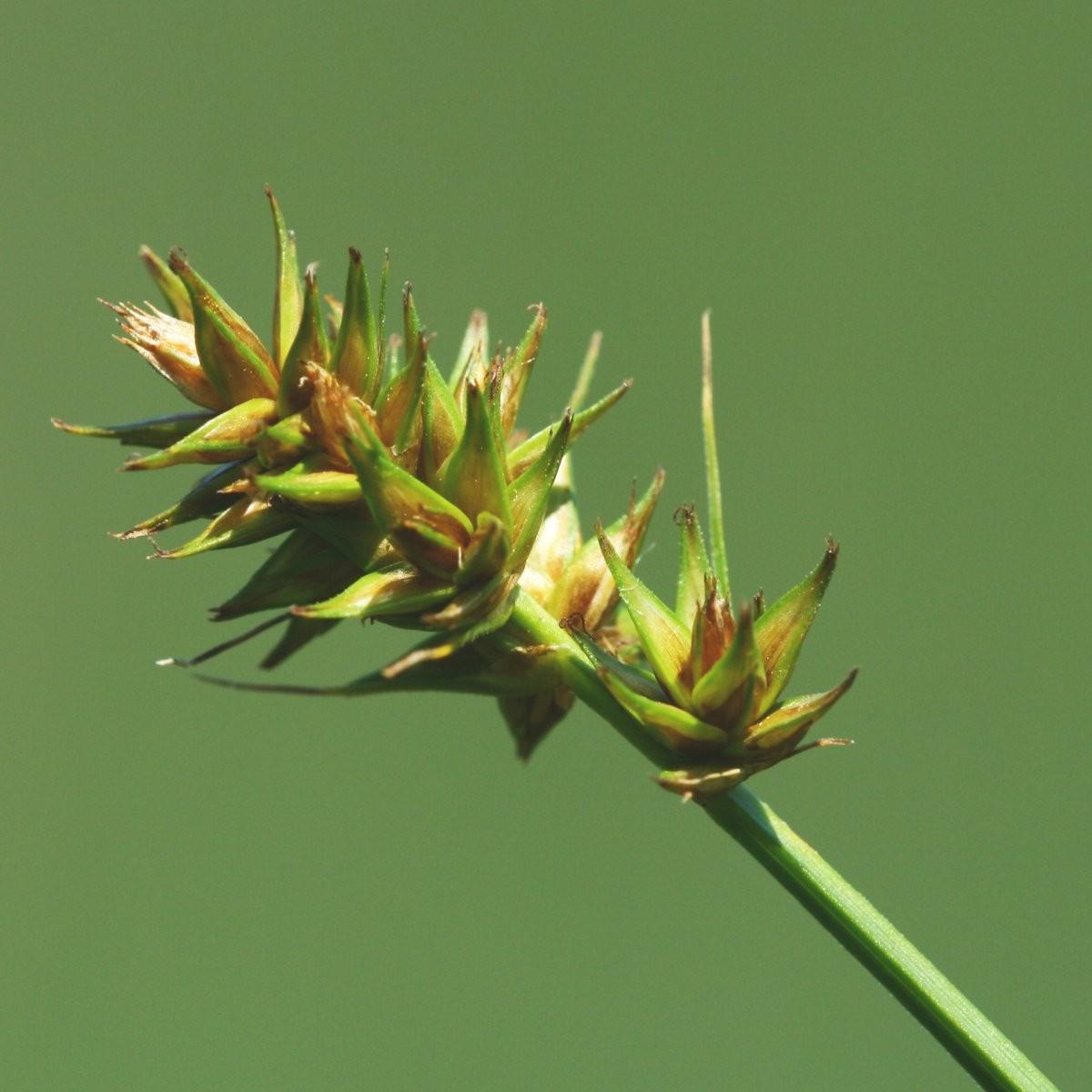
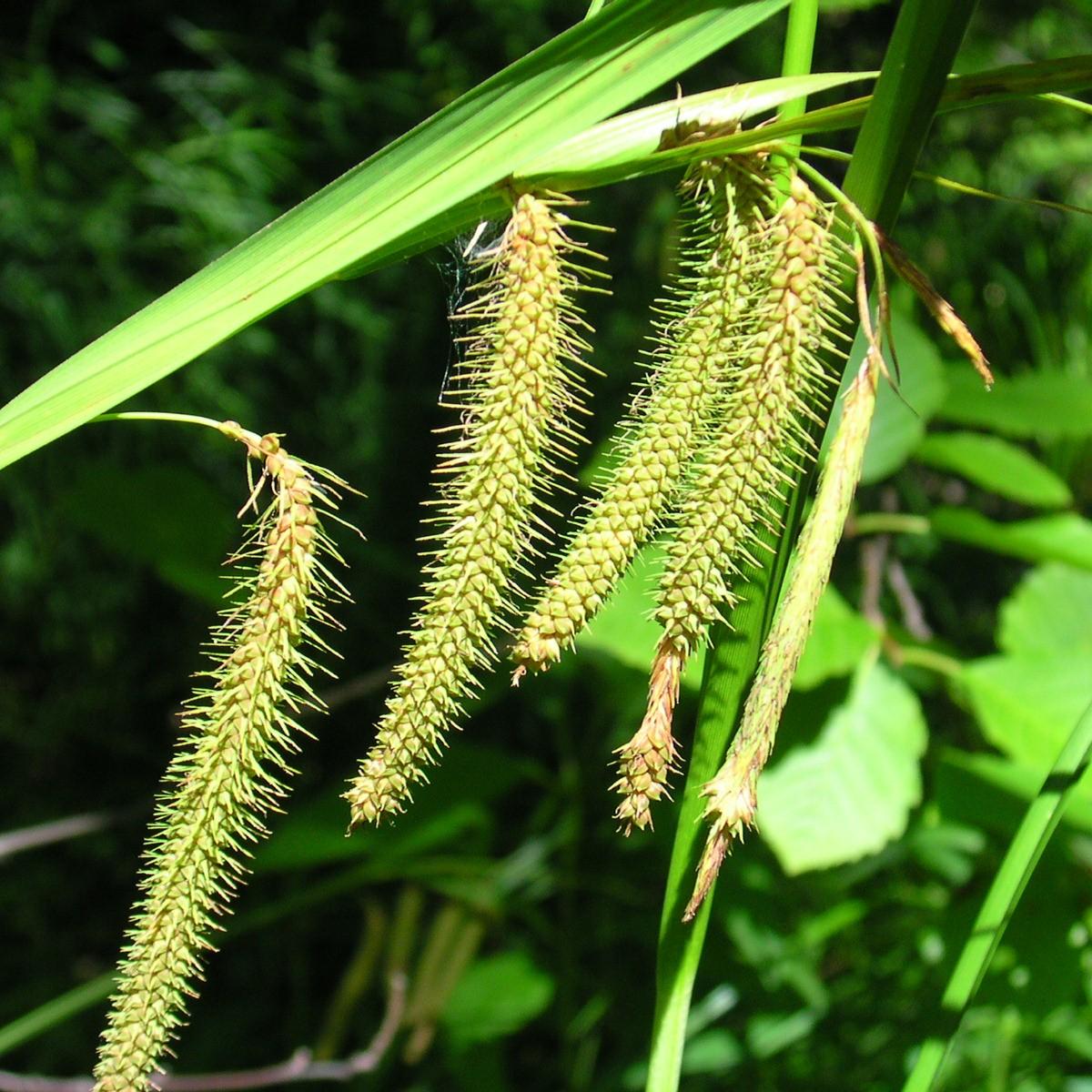
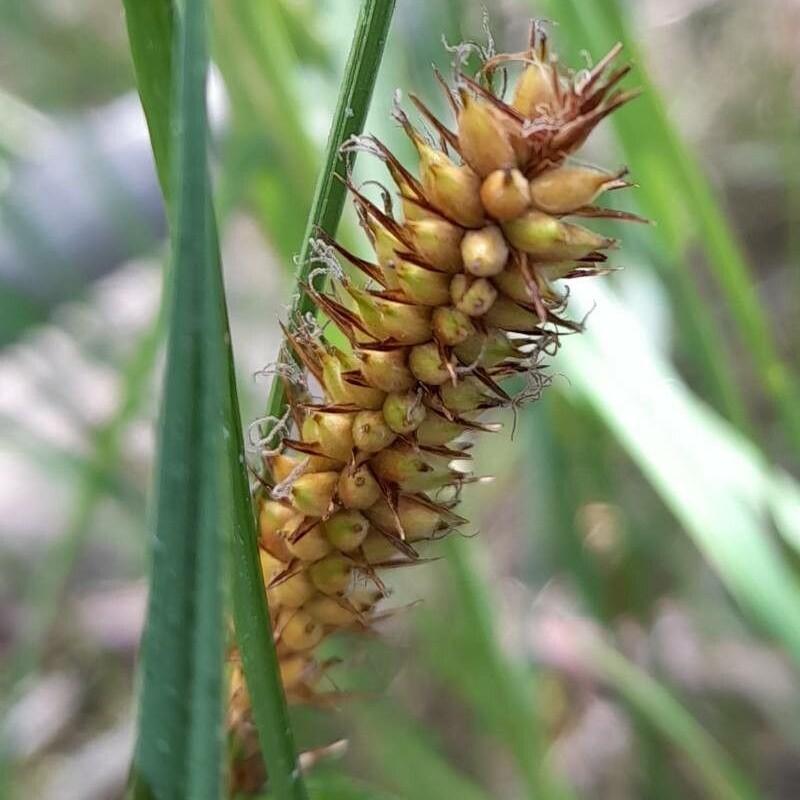
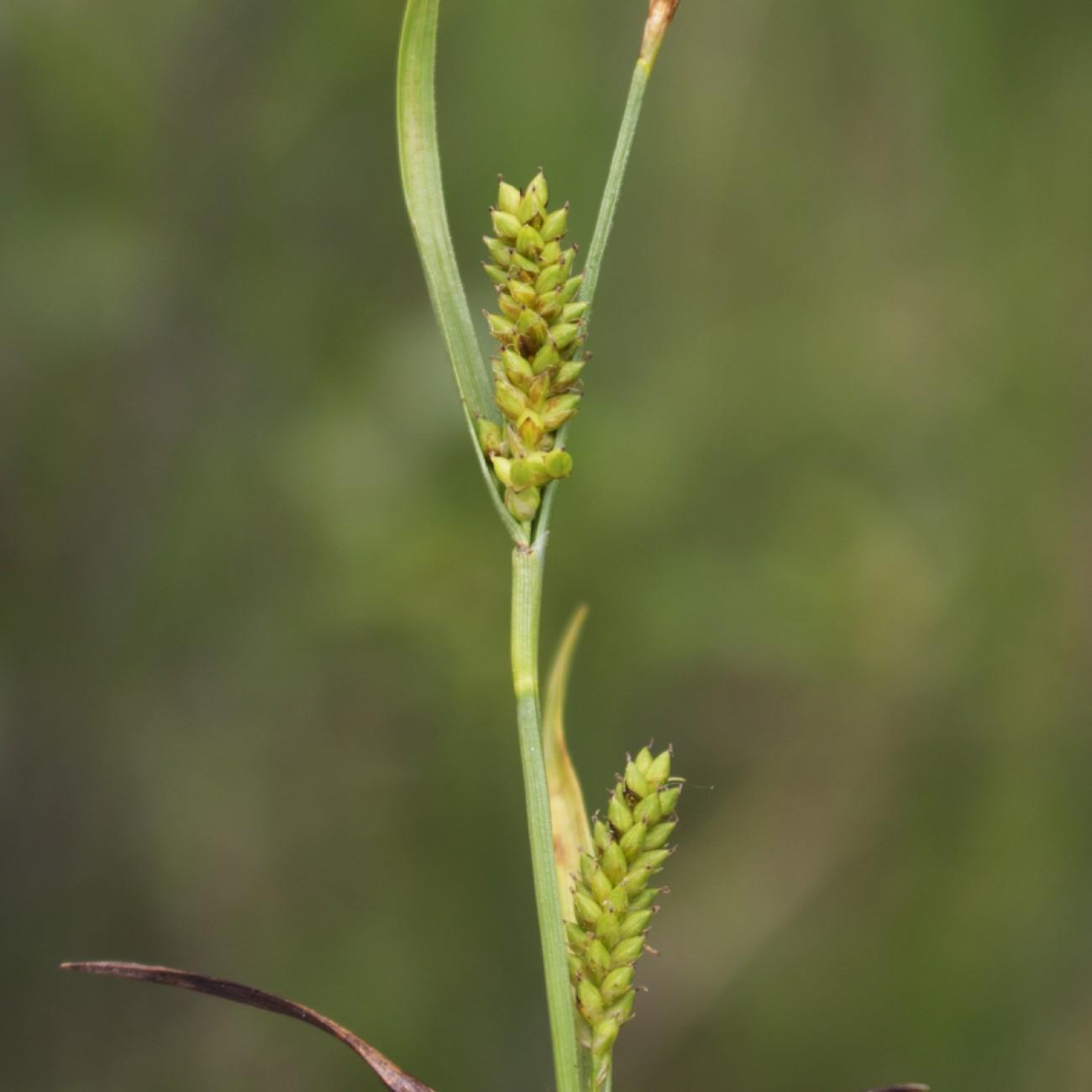
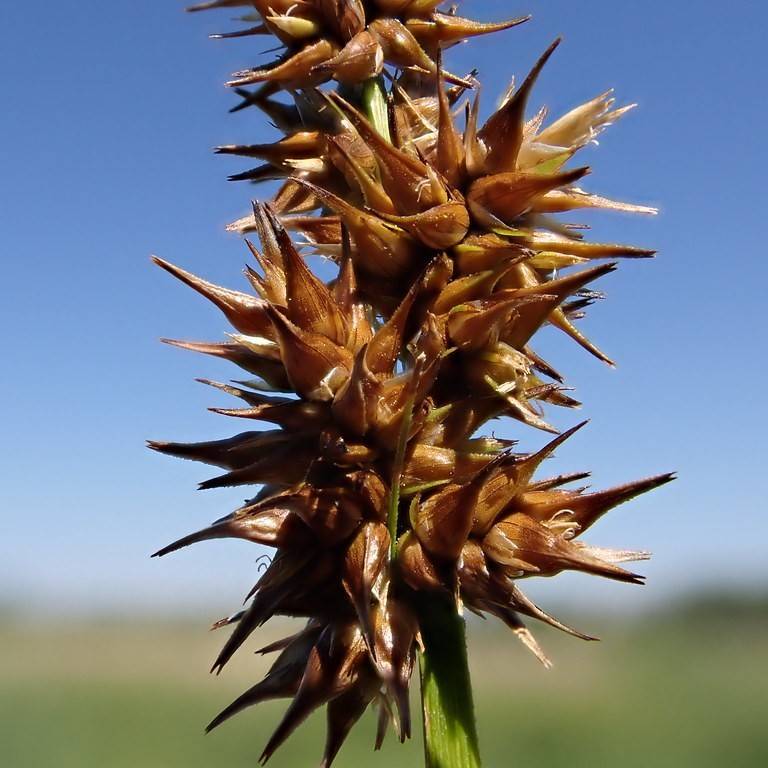
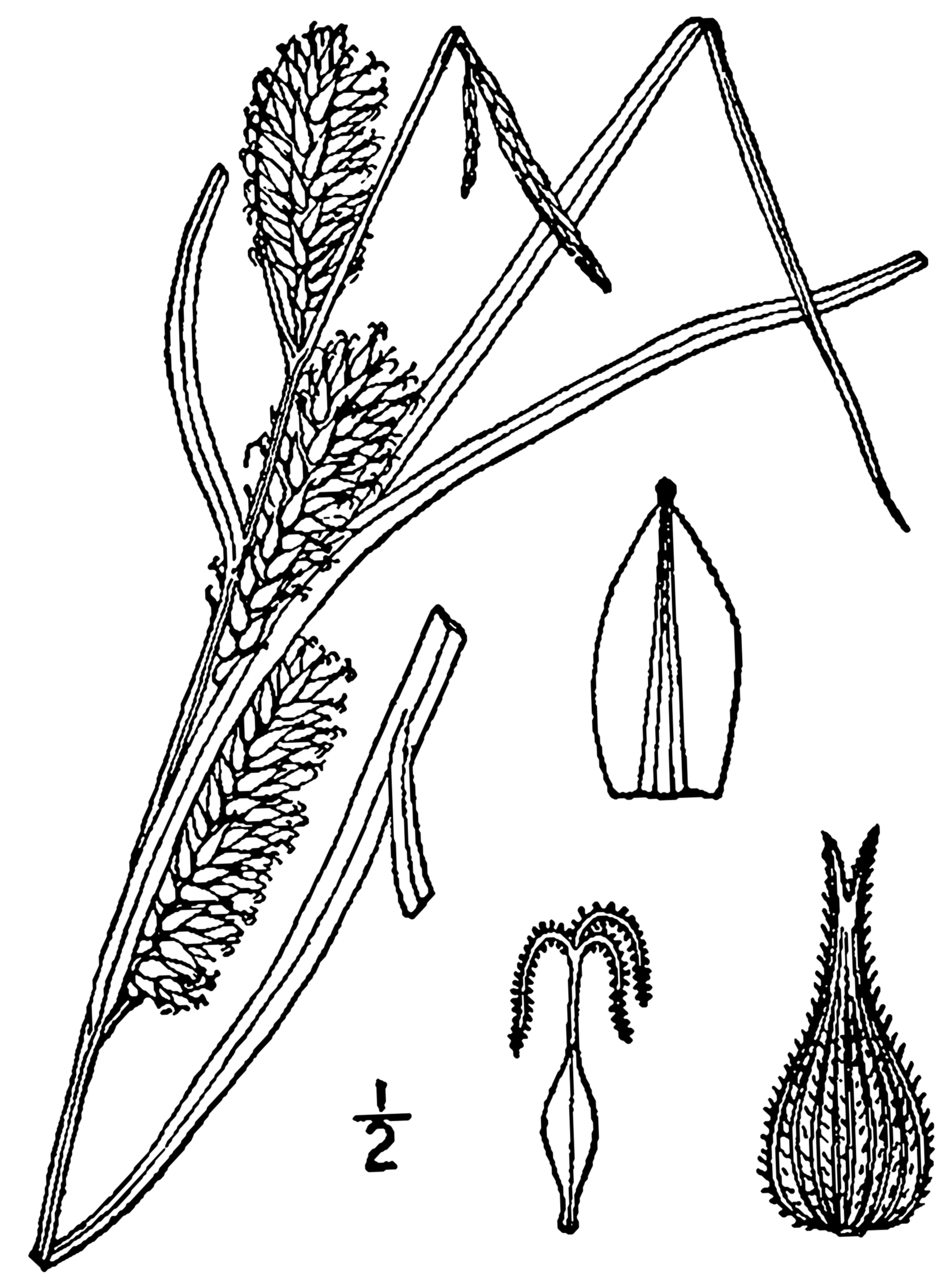
Fescue sedge is a herbaceous perennial sedge that forms dense, upright clumps of fine, arching green foliage resembling ornamental fescue grasses, distinguished by the triangular stems characteristic of the Carex genus. It is native to moist prairies, meadows, open woodlands, and stream banks across eastern and central North America, where it provides valuable cover and food for native wildlife including songbirds and small mammals. It is widely cultivated as a low-maintenance native ornamental for naturalistic landscapes, rain gardens, and erosion control projects.
Care Guide
Watering
Fescue sedge prefers consistently moist, well-drained soil, tolerating occasional flooding and short periods of drought once established. Water regularly during the first growing season to establish a deep root system, reducing frequency after maturity unless conditions are exceptionally dry. Avoid overwatering in poorly drained soils to prevent root rot, though it handles wet conditions far better than most ornamental grasses.
Light
It thrives in full sun to partial shade, performing best with at least 4 hours of direct sunlight daily for robust foliage growth and flowering. In hotter southern portions of its range, it benefits from afternoon shade to prevent foliage scorch during periods of extreme heat. It can tolerate full shade, though growth will be slower and clumps may be less dense than in sunnier locations.
Soil
Fescue sedge adapts to a wide range of soil types including sandy loam, clay, and silty soils, tolerating both acidic and slightly alkaline pH levels between 5.0 and 7.5. It prefers rich, moisture-retentive soils but can grow in average garden soil with regular supplementation of organic matter. It is tolerant of compacted soils, making it suitable for roadside plantings and high-traffic natural areas.
Fertilizer
This low-maintenance sedge rarely requires supplemental fertilization when grown in average garden soil with annual topdressing of compost. If growth is stunted or foliage appears pale, apply a balanced, slow-release 10-10-10 fertilizer in early spring before new growth emerges, taking care not to overfertilize which can lead to floppy, weak foliage. Avoid fertilizing in late summer or fall, as this can encourage tender new growth that is vulnerable to cold damage.
Temperature
Fescue sedge is cold-hardy in USDA zones 3 through 8, tolerating winter temperatures as low as -40°F (-40°C) without additional protection. It is a cool-season species, actively growing in spring and fall when temperatures are between 60 and 75°F (15 and 24°C), and may go semi-dormant during extended periods of summer heat above 90°F (32°C). It can survive light frosts without damage, with foliage dying back completely in winter and reemerging early the following spring.
Pruning
Prune fescue sedge in late winter or early spring before new growth emerges, cutting back dead foliage to 2-3 inches above the soil line to make way for fresh, new leaves. Remove any brown or damaged foliage throughout the growing season as needed to maintain a neat appearance, though it requires minimal pruning for overall health. Deadhead spent flower stalks after blooming if self-seeding is unwanted, though the small, inconspicuous seed heads provide food for native birds.
Propagation
Fescue sedge is most easily propagated by division in early spring or fall, separating mature clumps into smaller sections with a sharp spade and replanting immediately at the same depth as the parent plant. It can also be grown from seed, sown directly outdoors in fall or cold-stratified for 60 days before spring sowing to improve germination rates. Seed-grown plants typically take 2-3 years to reach mature clump size, while divided sections establish quickly in their new location.
Humidity
Fescue sedge adapts well to a wide range of humidity levels, tolerating both the humid summers of the southeastern United States and the drier conditions of the central Great Plains. It does not require supplemental humidity when grown outdoors, though it benefits from consistent soil moisture in very dry, low-humidity environments. Indoor-grown specimens (rare for this species) will thrive in average household humidity levels without extra misting.
Repotting
Fescue sedge is almost exclusively grown outdoors in landscape settings, but if container-grown, repot every 2-3 years in early spring before new growth begins, using a well-drained potting mix high in organic matter. Choose a container with ample drainage holes and at least 2 inches of extra space around the root ball to accommodate future growth, being careful not to bury the crown of the plant which can lead to rot. If clumps become root-bound, divide them during repotting to maintain healthy, vigorous growth.
Uses & Symbolism
Fescue sedge is widely used in native plant landscapes, rain gardens, and bioswales for its ability to absorb excess stormwater and control erosion on slopes and stream banks. It serves as an excellent low-maintenance alternative to ornamental grasses in naturalistic plantings, meadow gardens, and wildlife habitats, where its seeds provide food for songbirds and its clumps offer cover for small mammals and beneficial insects. It is also planted as a low, informal border or groundcover in shaded areas where traditional turf grasses struggle to grow.
Diseases & Pests
Fescue sedge is highly resistant to most common pests and diseases, though it may occasionally develop fungal leaf spots or rust in overly wet, humid conditions with poor air circulation. Aphids and spider mites may infest stressed plants, particularly during periods of extended drought, but can be controlled with a strong spray of water or insecticidal soap. Root rot may occur in poorly drained, waterlogged soils, so it is important to plant it in sites with adequate drainage to prevent this issue.
Related plants
Other plants you might like if you grow Fescue Sedge.