Heath Aster
Symphyotrichum ericoides
Overview
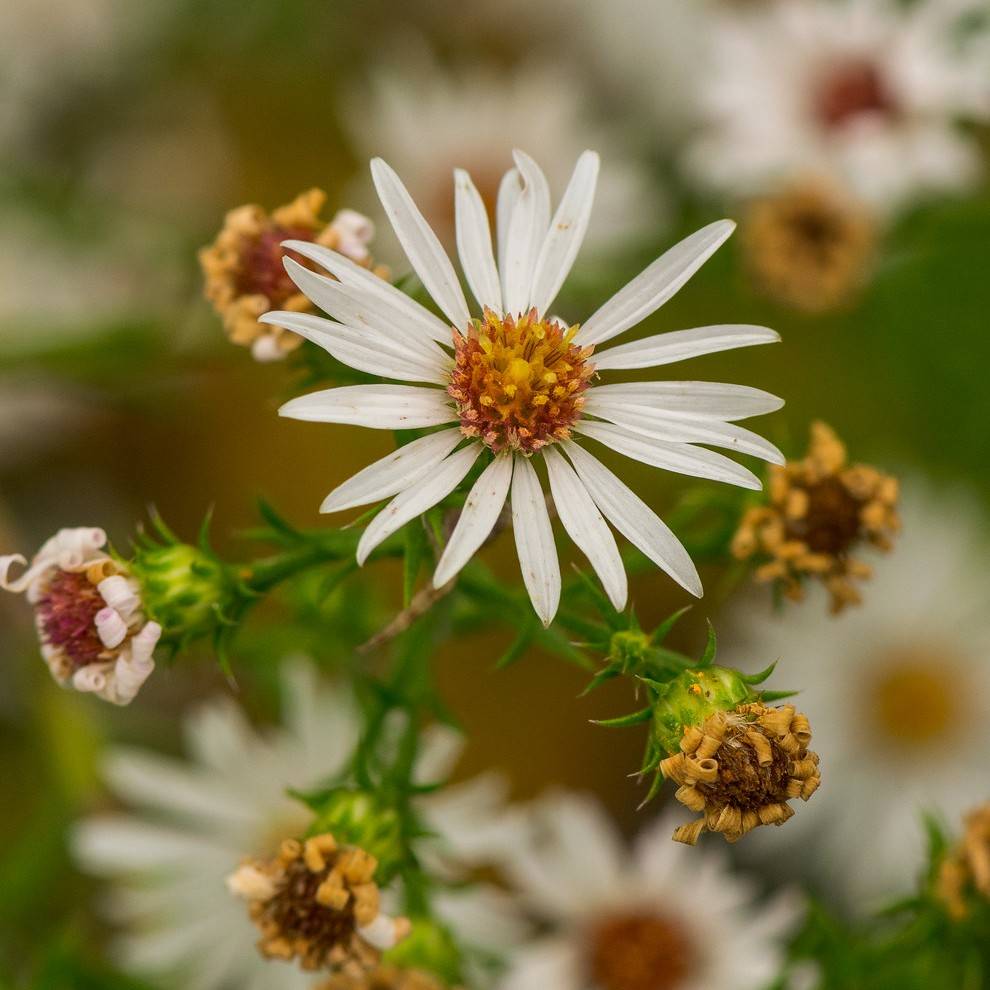
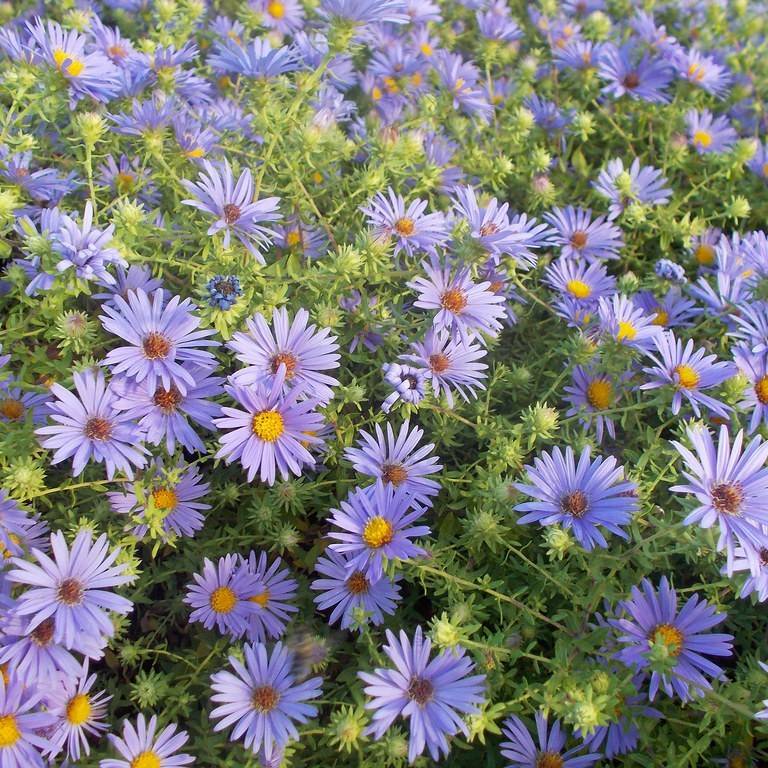
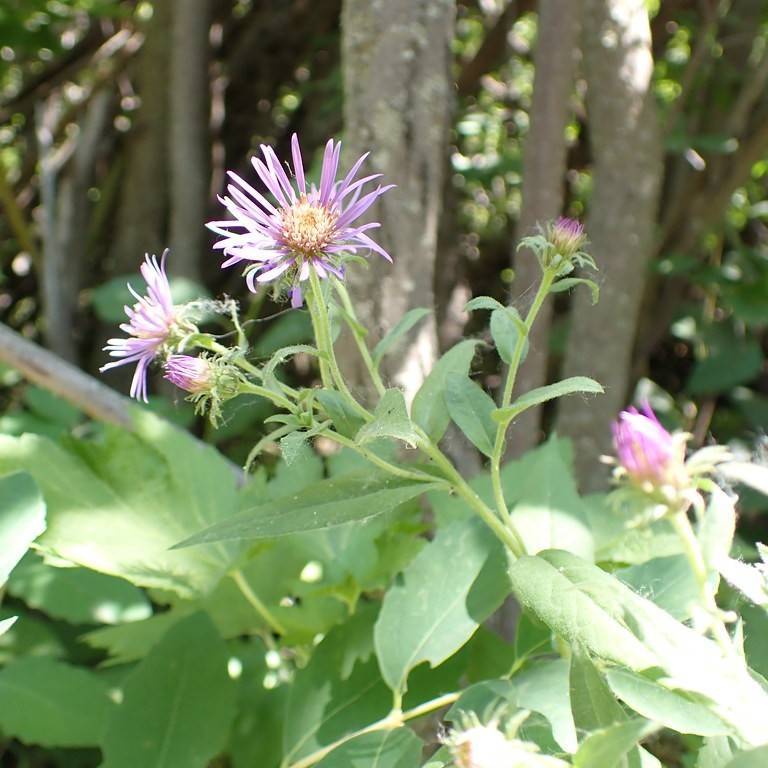
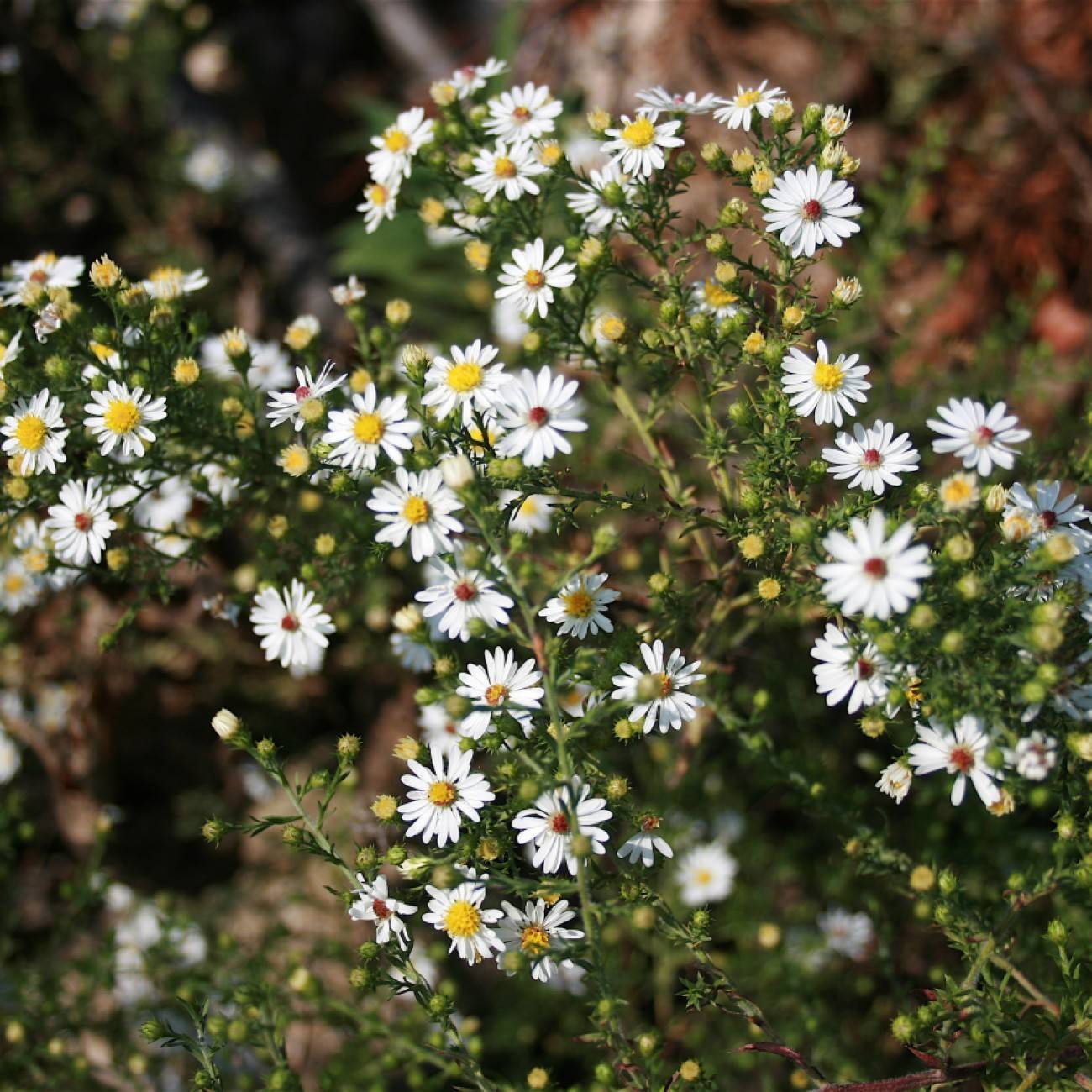
Heath aster is a hardy, clump-forming wildflower named for its small, narrow, heath-like foliage that lines its many branching stems. From August to October, it bursts into a dense cloud of tiny, ½-inch wide white flowers, often with pale yellow centers that fade to pink as they age. Adapted to a wide range of harsh habitats including prairies, rocky slopes, and dry open woods, it is a rugged, low-maintenance addition to native and pollinator gardens.
Care Guide
Watering
Heath aster is highly drought-tolerant once established, requiring only occasional deep watering during extended periods of no rainfall. Overwatering or consistently soggy soil will quickly lead to root rot, so allow the top several inches of soil to dry out completely between waterings. Newly planted specimens need regular, light watering for the first 2 to 3 months until their root systems are fully established.
Light
This species thrives in full sun, requiring a minimum of 6 hours of direct, unfiltered sunlight per day to produce the densest floral display and sturdiest stems. It can tolerate partial shade, but plants grown in low light will become leggy, produce far fewer flowers, and be more prone to flopping over as they mature. Full sun exposure also reduces its risk of fungal foliar diseases.
Soil
Heath aster adapts to nearly any well-drained soil type, including sandy, loamy, gravelly, and even poor, nutrient-deficient soils that other perennials struggle in. It prefers neutral to slightly alkaline soil pH, but can tolerate mildly acidic conditions as well. Good drainage is absolutely critical; heavy clay soils that hold water for long periods will kill the plant, so amend heavy sites with sand or gravel to improve drainage before planting.
Fertilizer
This wildflower requires very little fertilization, as too many nutrients will cause overly lush, leggy growth that flops over easily and reduces flowering. In poor or extremely sandy soils, apply a thin layer of compost around the base of plants in early spring to provide a slow, gentle boost of nutrients. Avoid high-nitrogen fertilizers entirely, as they will prioritize foliage growth over flower production.
Temperature
Heath aster is exceptionally cold-hardy, surviving winter temperatures as low as -40°F (-40°C) in USDA hardiness zones 3 through 8. It tolerates high summer heat and humidity well, as long as its soil is well-drained and it receives adequate sunlight. It does not perform well in tropical or subtropical climates with year-round high heat and humidity, as these conditions promote fungal disease.
Pruning
Minimal pruning is required for heath aster; in late fall or early spring, cut back dead, dried stems to the ground to make space for new growth to emerge. If plants become leggy or are prone to flopping, you can pinch back the tips of stems in early summer before mid-July to encourage bushier, more compact growth and more abundant flowering. Remove any faded flower heads during the bloom season if you prefer a tidier appearance, but leaving seed heads up through winter provides food for native songbirds.
Propagation
Heath aster is most easily propagated by dividing mature clumps every 2 to 3 years in early spring just as new growth begins, or in late fall after flowering has finished. Dig up the entire clump, split it into smaller sections with at least 3 to 5 healthy growing shoots each, and replant the divisions at the same depth they were originally growing, spacing them 1 to 2 feet apart. It can also be grown from seed sown directly outdoors in fall, or started indoors 6 to 8 weeks before the last expected spring frost, though seed-grown plants may take 1 to 2 years to reach full flowering size.
Humidity
Heath aster tolerates average to moderately high humidity levels well, as long as it is planted in full sun and has good air circulation around its foliage. In areas with very high summer humidity, space plants at least 18 inches apart to allow air to flow between them, which reduces the risk of powdery mildew and other fungal foliar diseases. It does not require any supplemental humidity, and will struggle in overly humid, poorly ventilated growing conditions.
Repotting
Heath aster is almost exclusively grown in outdoor garden beds, but if planted in containers, repot every 2 to 3 years in early spring to refresh the soil and prevent root bound conditions. Choose a container with multiple drainage holes, and use a fast-draining, sandy potting mix to avoid waterlogged soil. When repotting, gently tease apart tangled roots and divide overgrown clumps if needed to keep the plant a manageable size for its container.
Uses & Symbolism
Heath aster is a popular addition to native pollinator gardens, prairie restorations, rock gardens, and border edges, where its late-season blooms provide critical nectar for bees, butterflies, and migrating monarch butterflies when few other flowers are in bloom. Its dense, low-growing habit also makes it an effective groundcover for dry, sunny slopes or poor soil areas where other plants struggle to establish. The seed heads left standing through winter provide a valuable food source for native songbirds including finches and sparrows.
Diseases & Pests
Heath aster is relatively pest and disease resistant, but can be susceptible to powdery mildew and rust fungal infections in humid, poorly ventilated conditions or when grown in partial shade. Aphids and spider mites may occasionally infest new growth, though they rarely cause significant damage to healthy, established plants and can be controlled with a strong spray of water or insecticidal soap. Overwatering or planting in poorly drained soil will quickly lead to root rot, the most common cause of plant death.
Related plants
Other plants you might like if you grow Heath Aster.