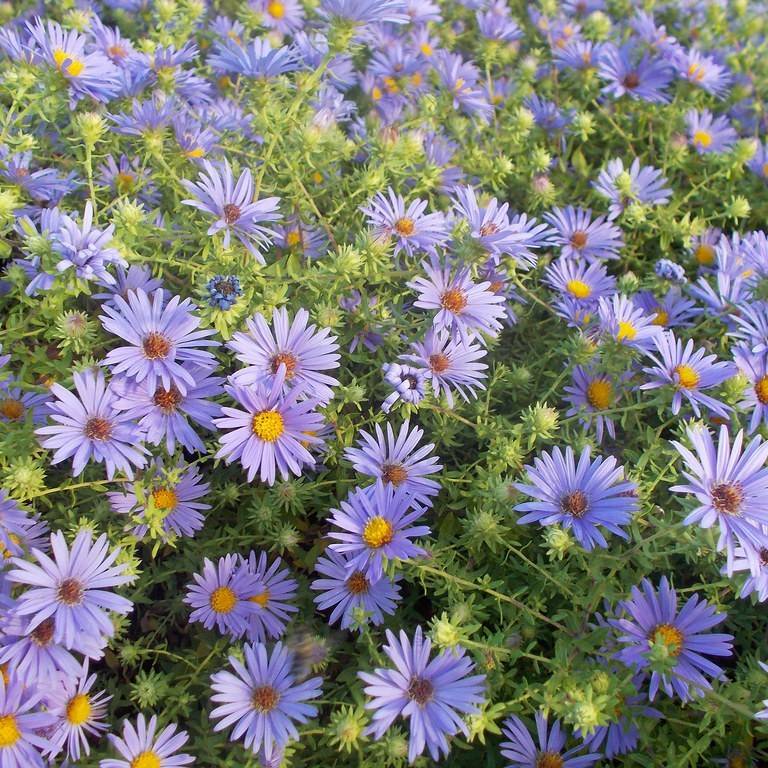
Aromatic Aster
Symphyotrichum oblongifolium
Overview
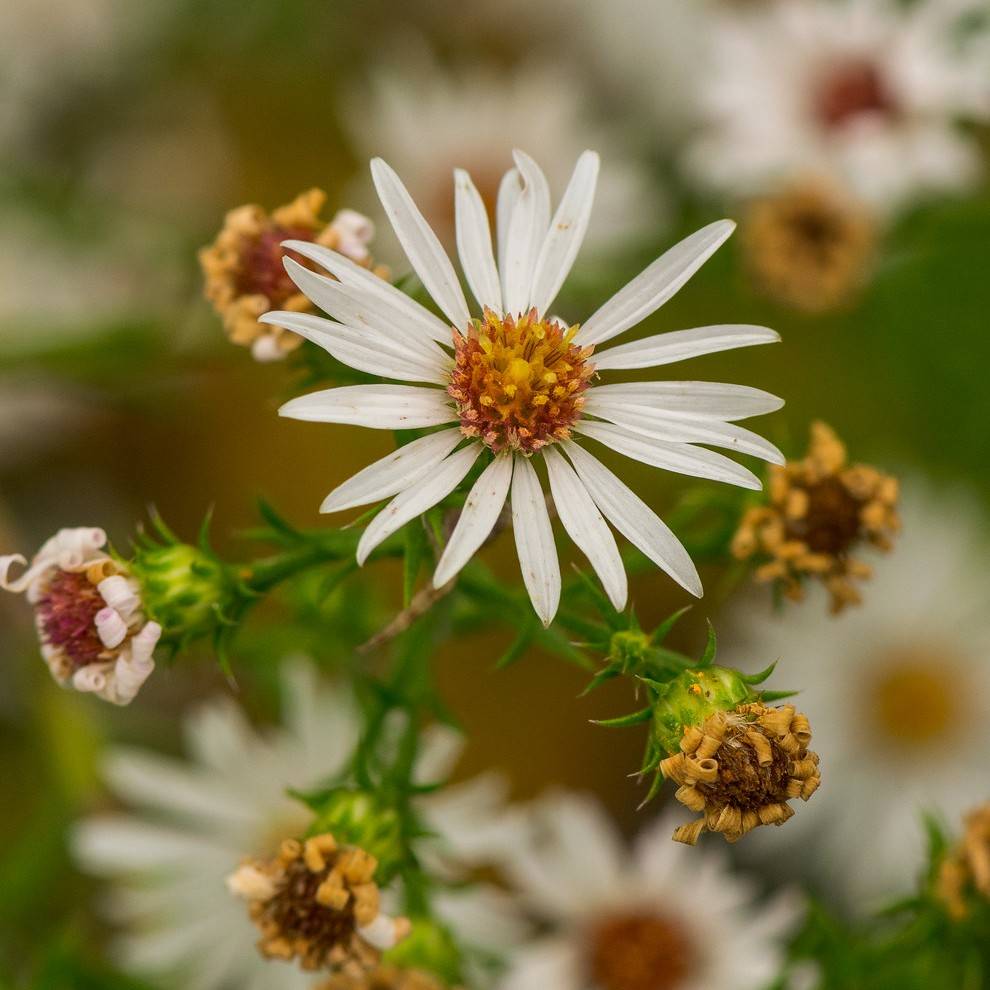
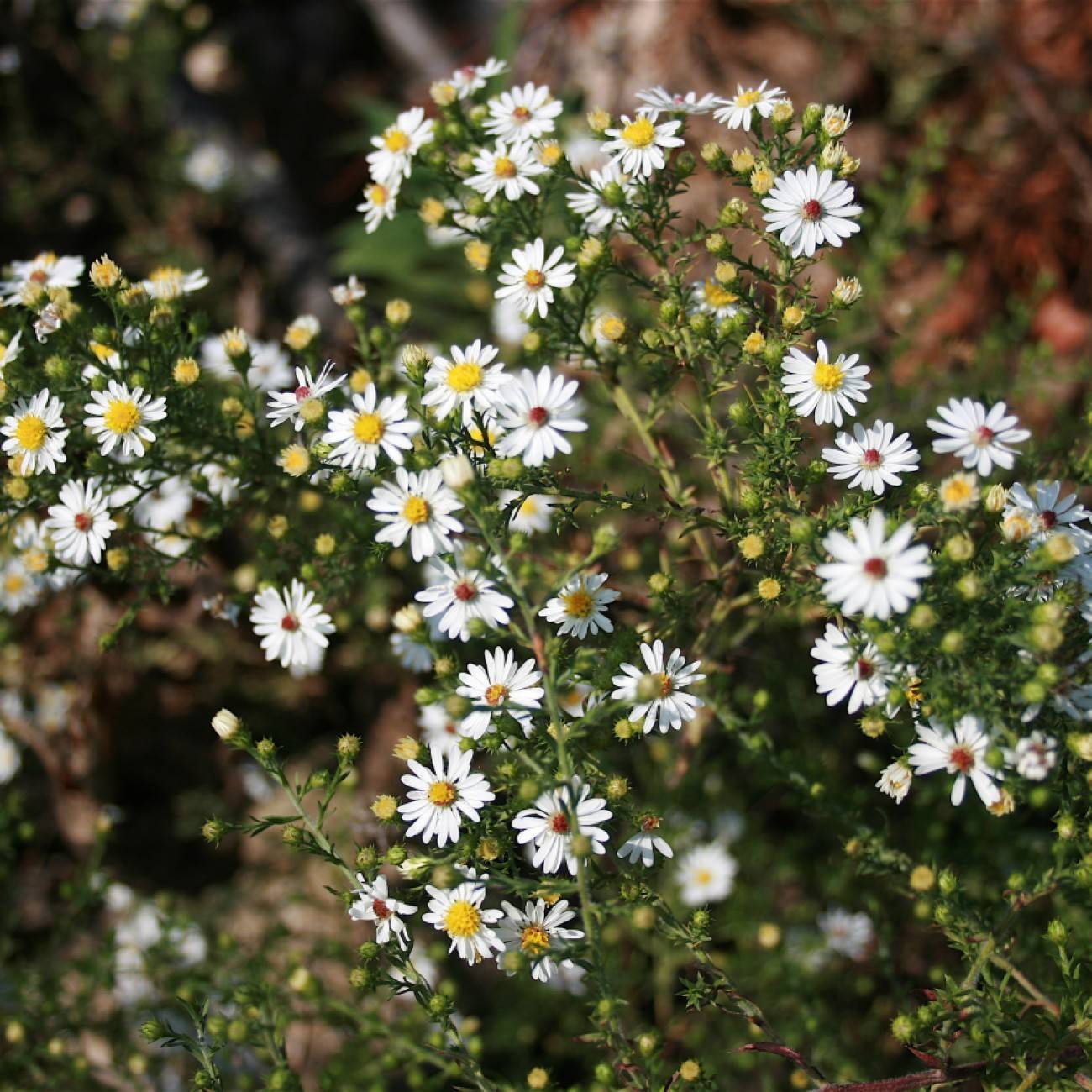
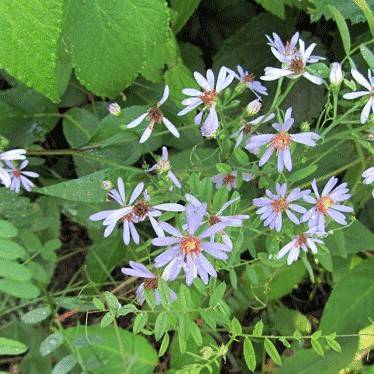
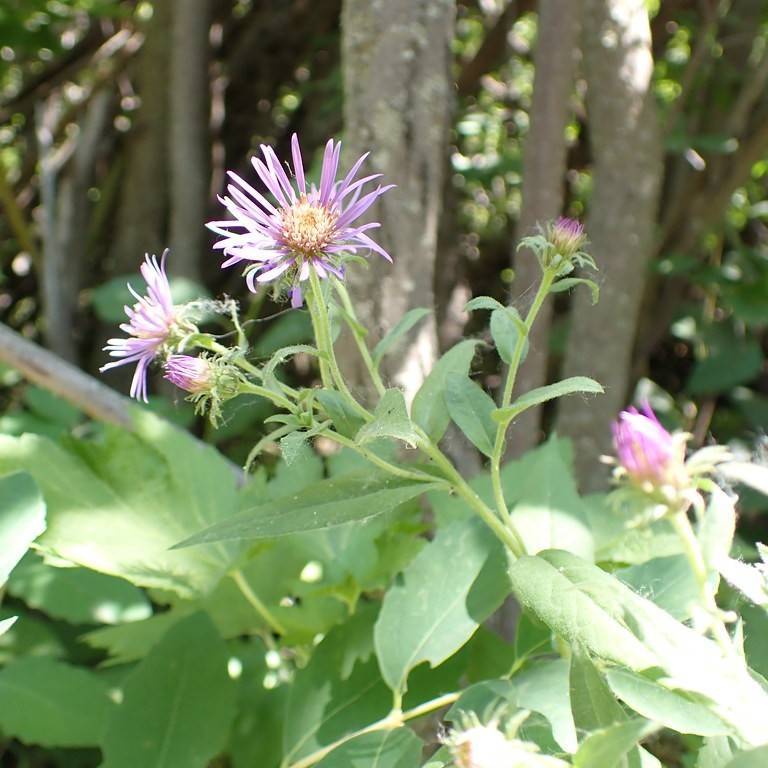
Aromatic aster gets its common name from the distinct, pleasant camphor-like scent released when its narrow, oblong foliage is crushed or bruised. It blooms prolifically from late summer through mid-fall, producing hundreds of small, 1-inch wide daisy-like flowers with lavender-purple rays and bright yellow centers. This hardy, drought-tolerant plant is adapted to prairies, rocky slopes, and open woodland edges, making it a rugged choice for low-maintenance landscapes.
Care Guide
Watering
Aromatic aster is highly drought-tolerant once established, requiring only occasional deep watering during extended periods of no rain, roughly every 10–14 days in peak summer. Avoid overwatering or planting in poorly drained sites, as soggy soil will quickly cause root rot. Newly planted specimens need regular, light watering for the first 2–3 months to help roots establish.
Light
This species thrives in full sun, requiring a minimum of 6 hours of direct, unfiltered sunlight per day to produce dense, bushy growth and maximum flower production. It can tolerate very light partial shade, but plants grown in shadier conditions will become leggy, flop over, and produce far fewer blooms. Full sun exposure also helps reduce the risk of foliar fungal diseases by improving air circulation around the foliage.
Soil
Aromatic aster prefers well-drained, dry to medium soil with a neutral to slightly alkaline pH, and it tolerates poor, rocky, gravelly, or sandy soils that many other ornamental plants cannot grow in. It is highly adaptable to most soil types except heavy, waterlogged clay, which will cause root damage and eventual plant death. Amending heavy clay soils with coarse sand or gravel at planting time will improve drainage enough to support healthy growth.
Fertilizer
This low-maintenance plant rarely requires fertilization, as overly rich or fertile soil will cause it to produce weak, leggy growth that flops over easily. If planted in extremely poor, nutrient-depleted soil, a single application of a balanced, slow-release granular fertilizer in early spring, applied at half the recommended label rate, will provide sufficient nutrients for the growing season. Avoid using high-nitrogen fertilizers, as they promote excessive leaf growth at the expense of flower production.
Temperature
Aromatic aster is exceptionally cold-hardy, thriving in USDA hardiness zones 3 through 8, and tolerating winter temperatures as low as -40°F (-40°C). It also withstands high summer temperatures and humidity common in its native range, as long as it is planted in well-drained soil with adequate air circulation. Young transplants may benefit from a light layer of mulch around their base in their first winter to insulate roots from extreme temperature fluctuations.
Pruning
Prune aromatic aster back by half in late spring or early summer, before mid-July, to encourage denser, bushier growth and prevent the plant from flopping open once it blooms in fall. After flowering ends in late fall, you can cut the entire plant back to 2–3 inches above the soil line, or leave the dried seed heads intact through winter to provide food for native songbirds. Remove any dead, damaged, or diseased stems at any time during the growing season to maintain plant health and appearance.
Propagation
Aromatic aster is most easily propagated by root division, which should be done in early spring just as new growth emerges, or in late fall after flowering has finished; dig up the entire clump, split it into smaller sections with at least 3–5 healthy growth buds each, and replant immediately at the same depth they were growing previously. It can also be grown from seed, which requires a 30-day period of cold stratification to break dormancy before sowing, either outdoors in fall or indoors in refrigerated conditions. Softwood stem cuttings taken in late spring or early summer will also root readily in well-drained potting mix when kept consistently moist for 3–4 weeks.
Humidity
Aromatic aster adapts well to a wide range of humidity levels, thriving in both the dry continental climates of the Great Plains and the humid summers of the eastern United States. High humidity is only a problem if the plant is grown in shaded, poorly ventilated conditions, which can promote the development of powdery mildew on foliage. Ensure plants have plenty of space between them for air circulation to keep foliage dry and reduce fungal disease risk in humid areas.
Repotting
Aromatic aster is rarely grown in containers, as it spreads readily via rhizomes and prefers to grow directly in landscape soil. If grown in a pot, repot every 2–3 years in early spring, moving to a container one size larger with fresh, well-drained potting mix amended with coarse sand to improve drainage. When repotting, you can divide overgrown clumps to keep the plant a manageable size for container culture.
Uses & Symbolism
Aromatic aster is a staple of native pollinator gardens, providing critical late-season nectar for monarch butterflies, native bees, and other beneficial insects as they prepare for winter or migration. It is ideal for low-maintenance rock gardens, dry prairie plantings, roadside plantings, and erosion control on sloped sites, thanks to its tolerance for poor soil and drought. The dried seed heads provide food for native songbirds throughout the winter, and its long-lasting cut flowers work well in fresh or dried floral arrangements.
Diseases & Pests
Aromatic aster is largely resistant to most pests and diseases, though it can occasionally develop powdery mildew and rust on foliage if grown in overly shaded, humid conditions with poor air circulation. Aster yellows, a bacterial disease spread by leafhoppers, can cause stunted growth and distorted, greenish flowers; infected plants should be removed and destroyed immediately to prevent spread to nearby plants. Aphids and spider mites may infest stressed plants, but they can be controlled with regular sprays of insecticidal soap or neem oil.
Related plants
Other plants you might like if you grow Aromatic Aster.