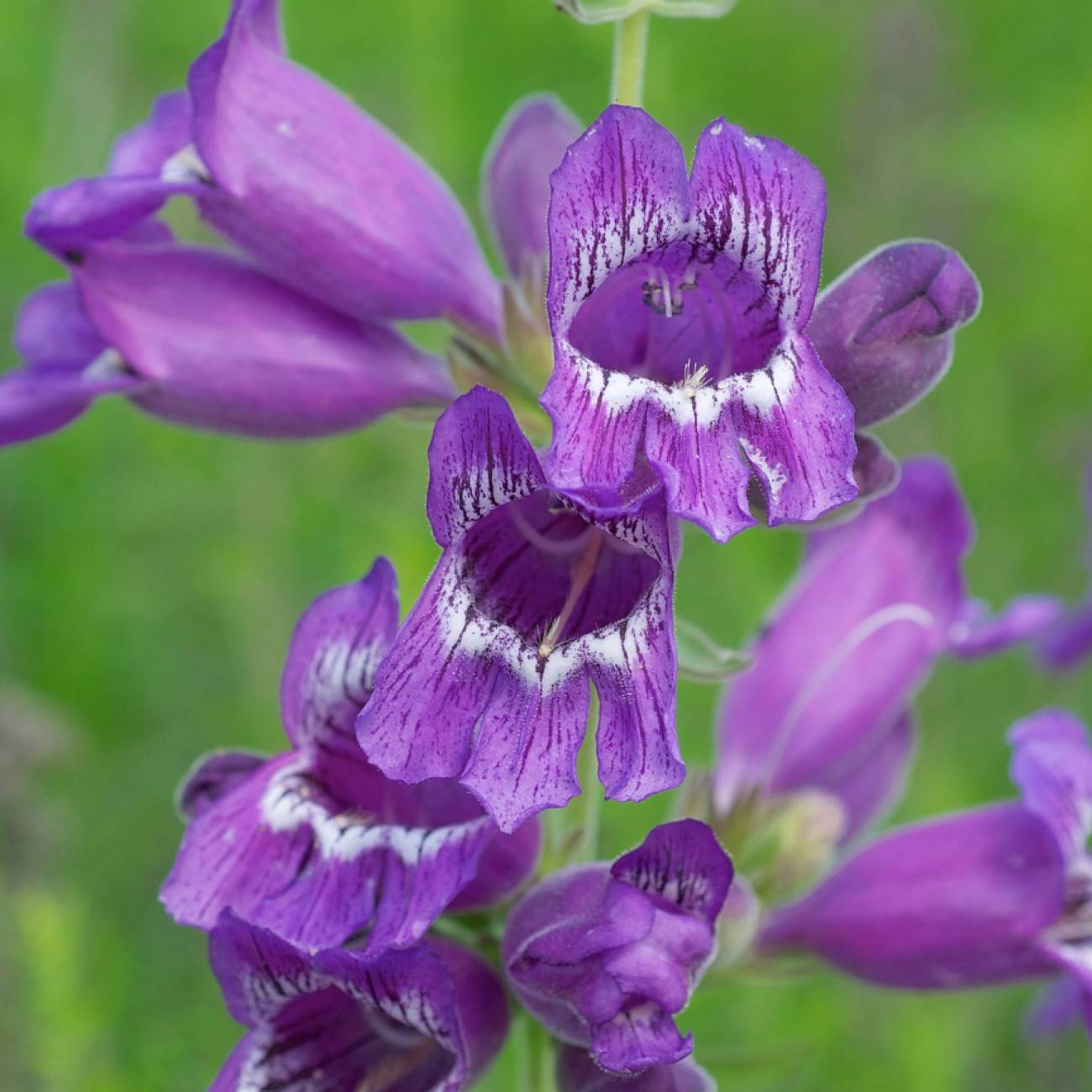
Dew Flower
Drosanthemum floribundum
Overview
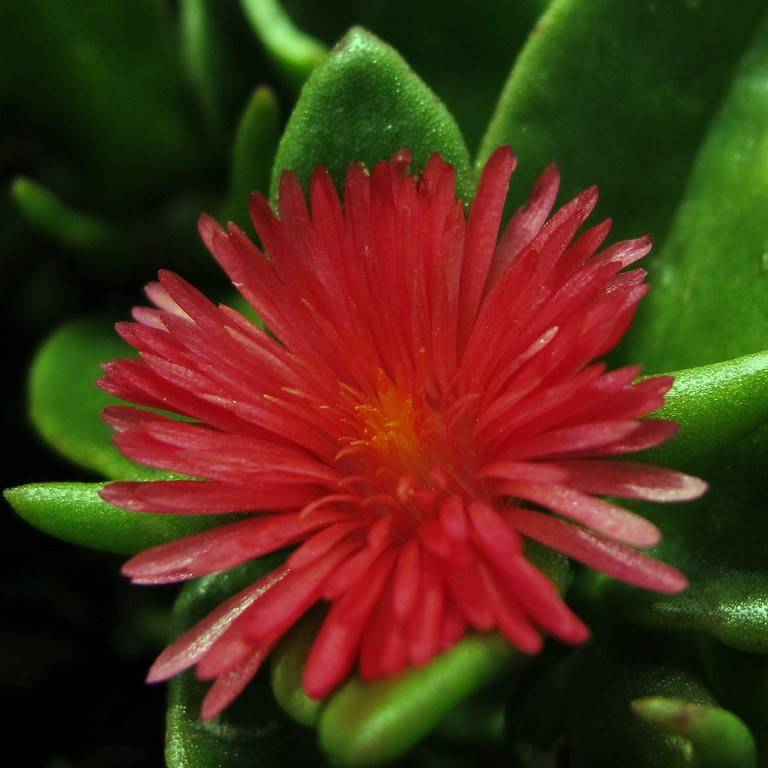
Dew Flower, also commonly called trailing ice plant, gets its common name from the tiny, glistening, bladder-like water-storing cells that cover its small, fleshy green leaves, giving them a dewy, frosted appearance. Native to the arid coastal regions of South Africa, this drought-tolerant succulent forms dense, spreading mats that make it ideal for ground cover, rock gardens, or hanging baskets. Its abundant, showy flowers open fully in bright sunlight, creating a vivid carpet of color during peak bloom.
Care Guide
Watering
Dew Flower is highly drought-tolerant and requires infrequent watering; allow the entire soil volume to dry out completely between deep waterings to prevent root rot. Reduce watering significantly in winter, when the plant enters a period of semi-dormancy, providing only enough moisture to keep the leaves from shriveling. Avoid overhead watering to prevent moisture from getting trapped in the dense foliage, which can lead to fungal growth.
Light
This plant thrives in full, direct sunlight, requiring a minimum of 6 hours of direct sun per day to produce abundant blooms and maintain a compact, healthy growth habit. Indoors, place it in a south-facing window that receives consistent bright light; insufficient light will lead to leggy growth and reduced flowering. In extremely hot, arid climates, provide light afternoon shade to prevent leaf scorch during the hottest summer months.
Soil
Dew Flower requires sharply draining, sandy or gravelly soil with a low organic content to prevent excess moisture retention around its shallow roots. A commercial cactus or succulent potting mix works well, or you can amend regular potting soil with 50% perlite, pumice, or coarse sand to improve drainage. A slightly acidic to neutral pH range of 6.0 to 7.5 is optimal for healthy growth.
Fertilizer
Fertilize sparingly, as over-fertilization can lead to leggy growth and reduced flowering. Apply a diluted, balanced cactus or succulent fertilizer once at the start of the growing season in early spring, and avoid fertilizing entirely during the fall and winter dormant period. Do not use high-nitrogen fertilizers, as they encourage excessive foliage growth at the expense of blooms.
Temperature
Dew Flower thrives in warm temperatures between 65–85°F (18–29°C) during its active growing season. It is only hardy down to 20°F (-7°C) for short periods, so in regions with colder winters, it should be grown in containers and brought indoors or protected from frost. Avoid exposing the plant to prolonged temperatures below 40°F (4°C), as this can cause leaf damage or root rot.
Pruning
Prune lightly after the main flowering period to remove spent blooms and trim back any leggy or overgrown trailing stems, which encourages denser, bushier new growth and more prolific flowering the following season. Trim away any dead, yellowed, or damaged foliage as needed throughout the year to improve air circulation and prevent disease. For ground cover plantings, you can shear back overgrown patches by up to one third to maintain a neat, compact habit.
Propagation
Dew Flower is most easily propagated from stem cuttings taken during the active growing season in spring or summer. Cut a 3-4 inch healthy stem segment, allow the cut end to callus over for 1-2 days, then plant it in well-draining succulent soil, keeping it lightly moist until roots develop in 2-3 weeks. It can also be grown from seed, though seeds are slower to mature and may take 2-3 years to produce abundant flowers.
Humidity
This succulent is adapted to low-humidity arid and semi-arid environments, and thrives in average household humidity levels between 30-50%. It does not require any extra humidity, and high humidity levels above 60% can increase the risk of fungal diseases and root rot. Ensure good air circulation around the plant at all times, especially in more humid climates, to prevent moisture buildup on foliage.
Repotting
Dew Flower has a shallow root system and prefers to be slightly root-bound, so it only needs repotting every 2-3 years, or when it has completely outgrown its current container. Repot in early spring before new growth begins, using a container with drainage holes that is only 1-2 inches larger in diameter than the previous pot to avoid excess soil that holds unnecessary moisture. Wait 1-2 weeks after repotting to water, to allow any damaged roots to heal and prevent rot.
Uses & Symbolism
Dew Flower is widely used as a low-maintenance ground cover in xeriscapes, rock gardens, and coastal landscapes, where its spreading habit helps suppress weeds and prevent soil erosion on slopes. It is also a popular choice for hanging baskets, window boxes, and succulent container gardens, where its trailing stems and colorful blooms create a cascading, eye-catching display. Its drought tolerance and ability to thrive in poor, sandy soils make it ideal for low-water gardens in arid regions.
Diseases & Pests
Dew Flower is relatively pest-resistant, but overwatering or high humidity can lead to fungal infections such as root rot, powdery mildew, and leaf spot. Common pests that may infest the plant include aphids, mealybugs, and spider mites, which can be controlled with insecticidal soap or neem oil applications, and by ensuring proper air circulation around the foliage. Slugs and snails may occasionally feed on the fleshy leaves in damp conditions, so use organic bait or barriers to protect plants in garden settings.
Related plants
Other plants you might like if you grow Dew Flower.