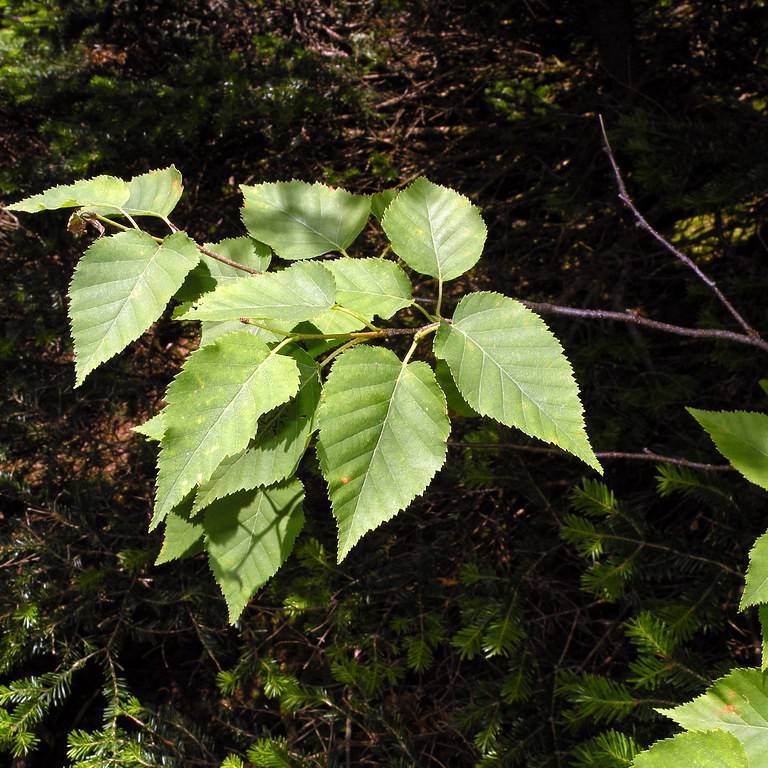
Heartleaf Birch
Betula cordifolia
Overview
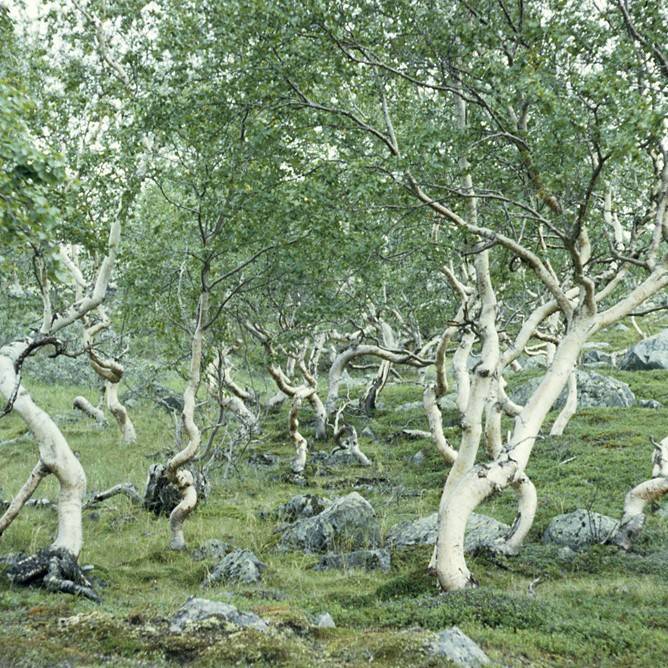
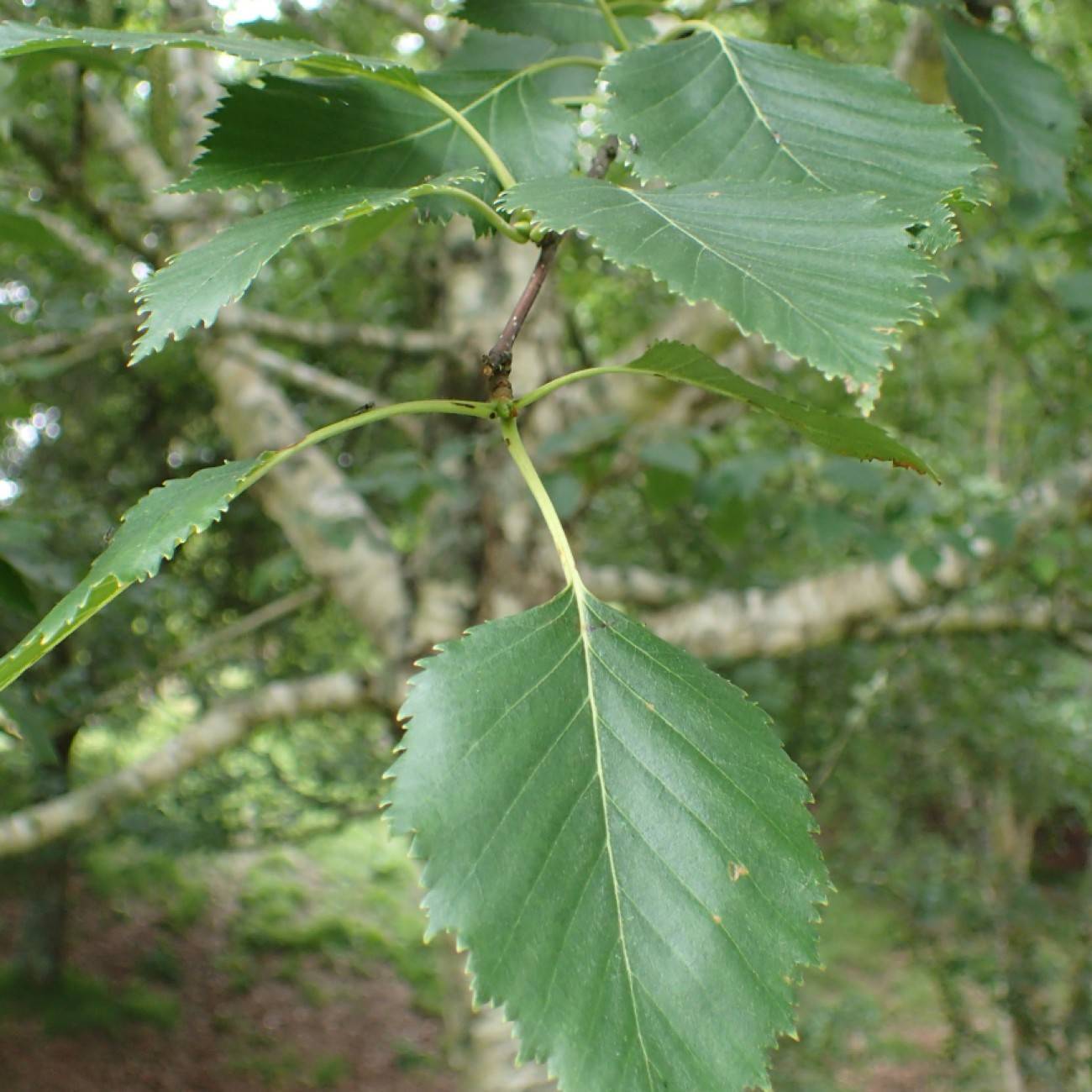
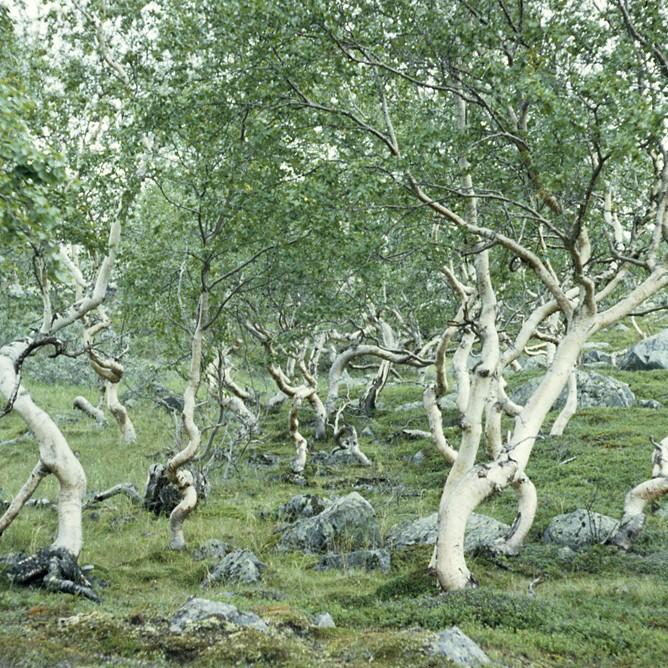
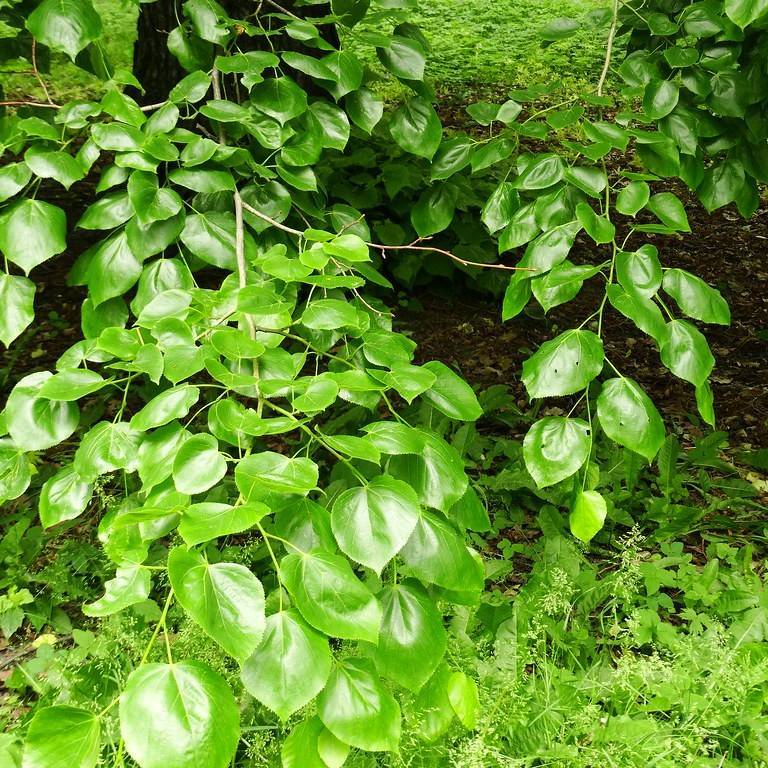
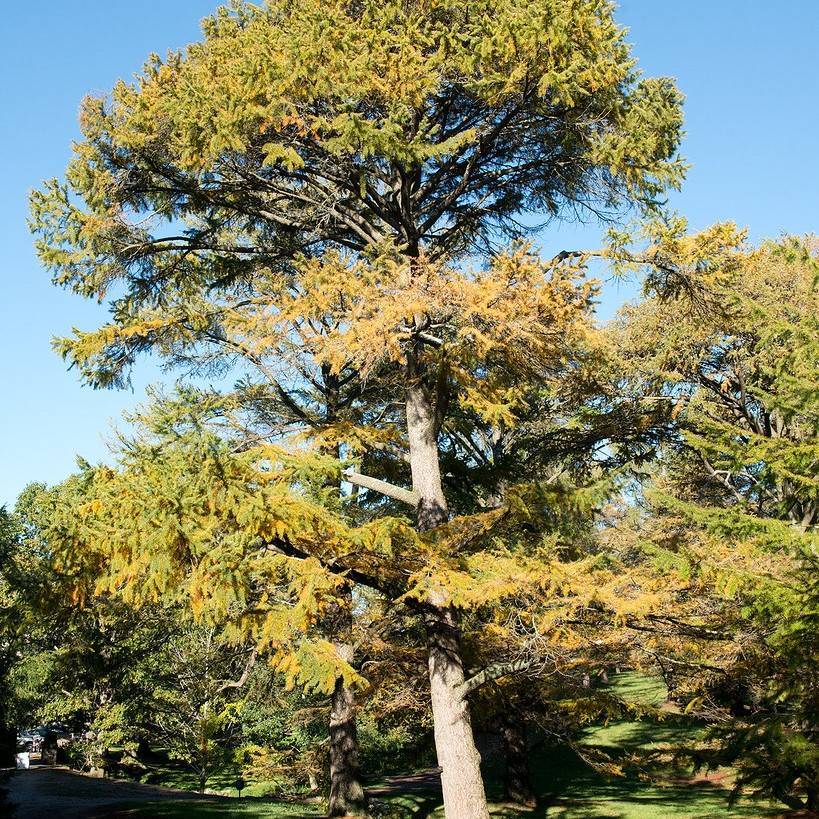
Heartleaf birch, also called mountain paper birch, is a deciduous tree native to cool, moist high-elevation and northern North American habitats. It is closely related to paper birch, distinguished by its distinctly heart-shaped leaf bases and higher tolerance for acidic, rocky mountain soils. Its smooth, peeling white to silvery-gray bark adds year-round visual interest to landscapes, while its foliage turns a bright, warm golden hue in autumn.
Care Guide
Watering
Heartleaf birch requires consistently moist, well-drained soil and is not drought tolerant; water deeply during extended dry periods, especially for young or newly planted trees, to keep the root zone evenly damp. Avoid overwatering in heavy clay soils that hold standing water, as this can lead to root rot. Mature trees have slightly higher drought tolerance but still perform best with regular moisture during dry spells.
Light
This species thrives in full sun, which encourages the most vigorous growth and best fall foliage color, though it can tolerate very light partial shade in warmer parts of its range. Too much shade will result in sparse foliage and slower, leggy growth, so avoid planting it in areas with heavy overhead tree cover.
Soil
Heartleaf birch prefers acidic, loamy, well-drained soils with high organic matter content, and it is adapted to rocky, shallow mountain soils that many other tree species cannot tolerate. It will struggle in alkaline soils, which can cause nutrient deficiency and leaf yellowing, so amend soil with peat moss or pine bark if pH is above 6.5. Ensure the planting site has good drainage to prevent standing water around the root system.
Fertilizer
Fertilize young trees in early spring with a balanced, slow-release fertilizer formulated for acid-loving trees to support established root growth and healthy foliage. Mature trees generally do not require regular fertilization if grown in soil with sufficient organic matter, but a light application of acidic fertilizer can be applied if leaf yellowing or stunted growth is observed. Avoid over-fertilizing, as this can lead to excessive soft growth that is more susceptible to pest damage.
Temperature
Heartleaf birch is extremely cold hardy, suitable for USDA hardiness zones 2 through 6, and can withstand winter temperatures as low as -50°F (-46°C). It does not tolerate high heat and humidity well, so it is not recommended for planting in regions with long, hot summers south of zone 6, where stress can increase susceptibility to pests and disease. Young trees may benefit from a layer of mulch around the base in winter to insulate roots and reduce frost heave.
Pruning
Prune heartleaf birch only in late summer or early fall, as pruning in late winter or spring will cause heavy sap flow that weakens the tree and attracts damaging borers. Remove dead, diseased, or crossing branches to improve air circulation through the canopy, and trim back any unwanted suckers that grow from the base of the trunk. Avoid heavy pruning, as birches do not recover well from large cuts, which can create entry points for disease.
Propagation
Heartleaf birch is most commonly propagated from seed, which requires a 60 to 90 day period of cold stratification at 33 to 40°F (1 to 4°C) to break dormancy before sowing in moist, acidic seed starting mix. It can also be propagated from softwood cuttings taken in early summer, treated with rooting hormone, and kept in high humidity until roots develop, though success rates for cuttings are generally lower than for seed propagation. Grafting onto compatible birch rootstock is sometimes used for named cultivars to preserve specific traits.
Humidity
This species prefers moderate to high humidity levels common in its native northern and mountain habitats, and can struggle in very dry, arid conditions that cause leaf browning at the edges. Occasional misting of young foliage during periods of very low humidity can help reduce stress, though mature trees are more tolerant of short dry spells if their root moisture needs are met. Avoid planting near dry, heated structures that create constant low humidity microclimates.
Repotting
Heartleaf birch is almost exclusively grown as an outdoor landscape tree and not suited for container growth long-term, so repotting is not a standard care practice. Nursery saplings should be transplanted to their permanent outdoor location in early spring before bud break, taking care not to disturb the delicate root system during the process. Add a 2 to 3 inch layer of organic mulch around the base of newly transplanted trees to retain moisture and regulate soil temperature.
Uses & Symbolism
Heartleaf birch is widely planted as an ornamental landscape tree for its attractive peeling pale bark, graceful growth habit, and vibrant golden fall foliage, making it a popular choice for large yards, parks, and naturalized areas. Its light, strong wood is used for furniture, cabinetry, pulp, and craft items, while its bark has historically been used by Indigenous peoples for making canoes, containers, and traditional medicinal remedies. It also provides food and shelter for a variety of native wildlife, including birds, small mammals, and pollinator insects that feed on its catkins.
Diseases & Pests
The most significant pest threat to heartleaf birch is the bronze birch borer, a wood-boring beetle that attacks stressed trees, causing canopy dieback and eventual death if left untreated. It is also susceptible to birch leafminer, a small insect larva that tunnels inside leaf tissue, causing unsightly brown blotches and reduced photosynthetic capacity. Fungal diseases such as leaf spot, canker, and root rot can occur in overly wet, poorly drained conditions or when trees are stressed by heat or drought.
Related plants
Other plants you might like if you grow Heartleaf Birch.