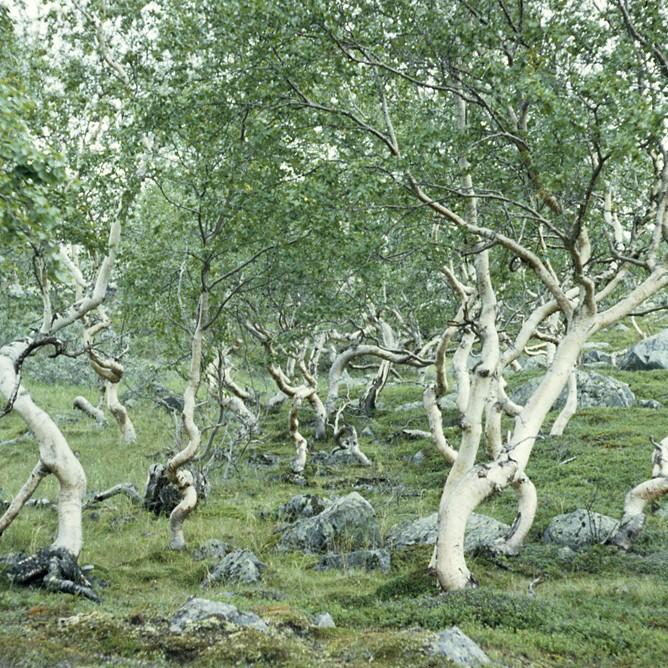
Downy Birch
Betula pubescens
Overview
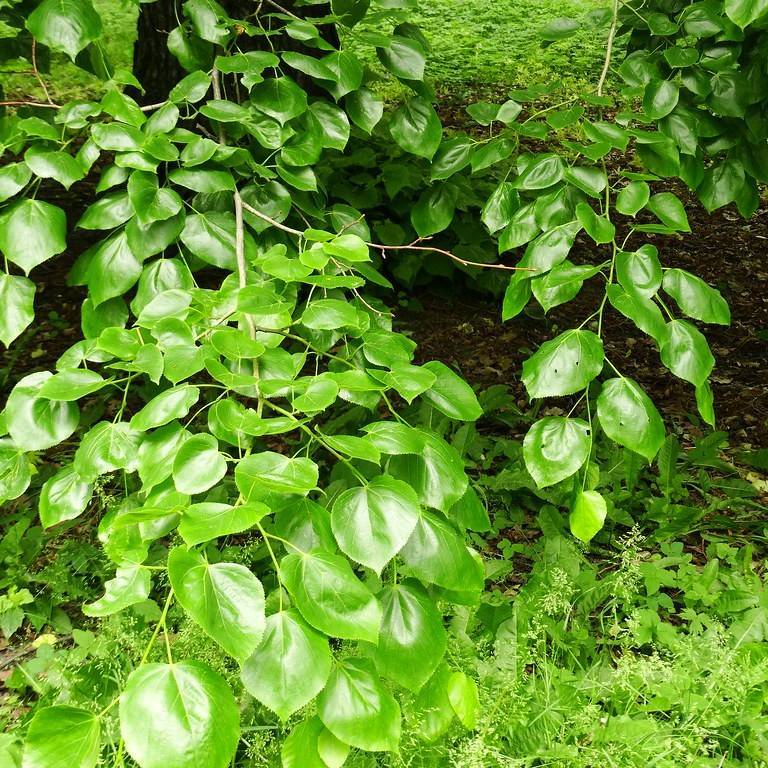
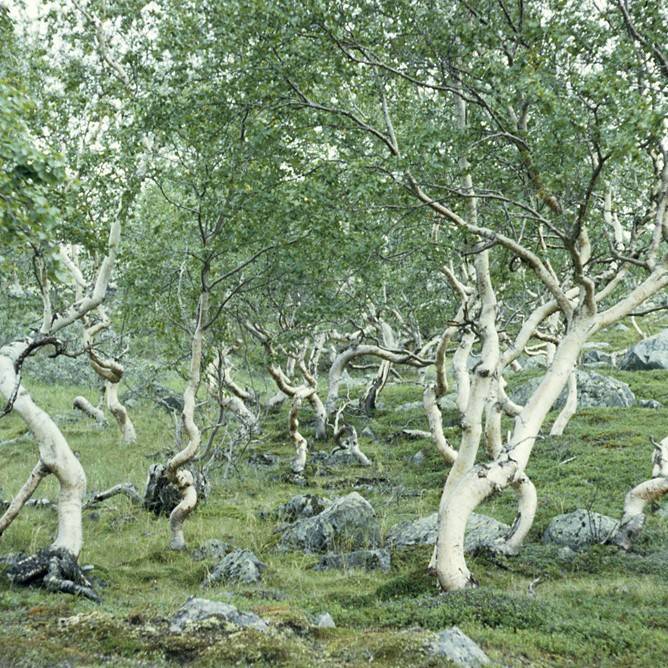
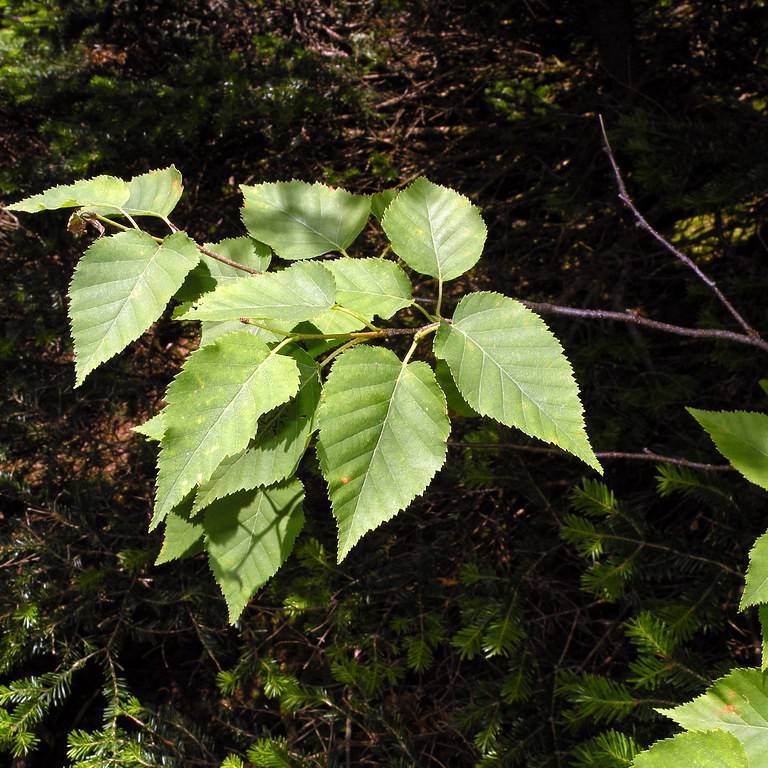
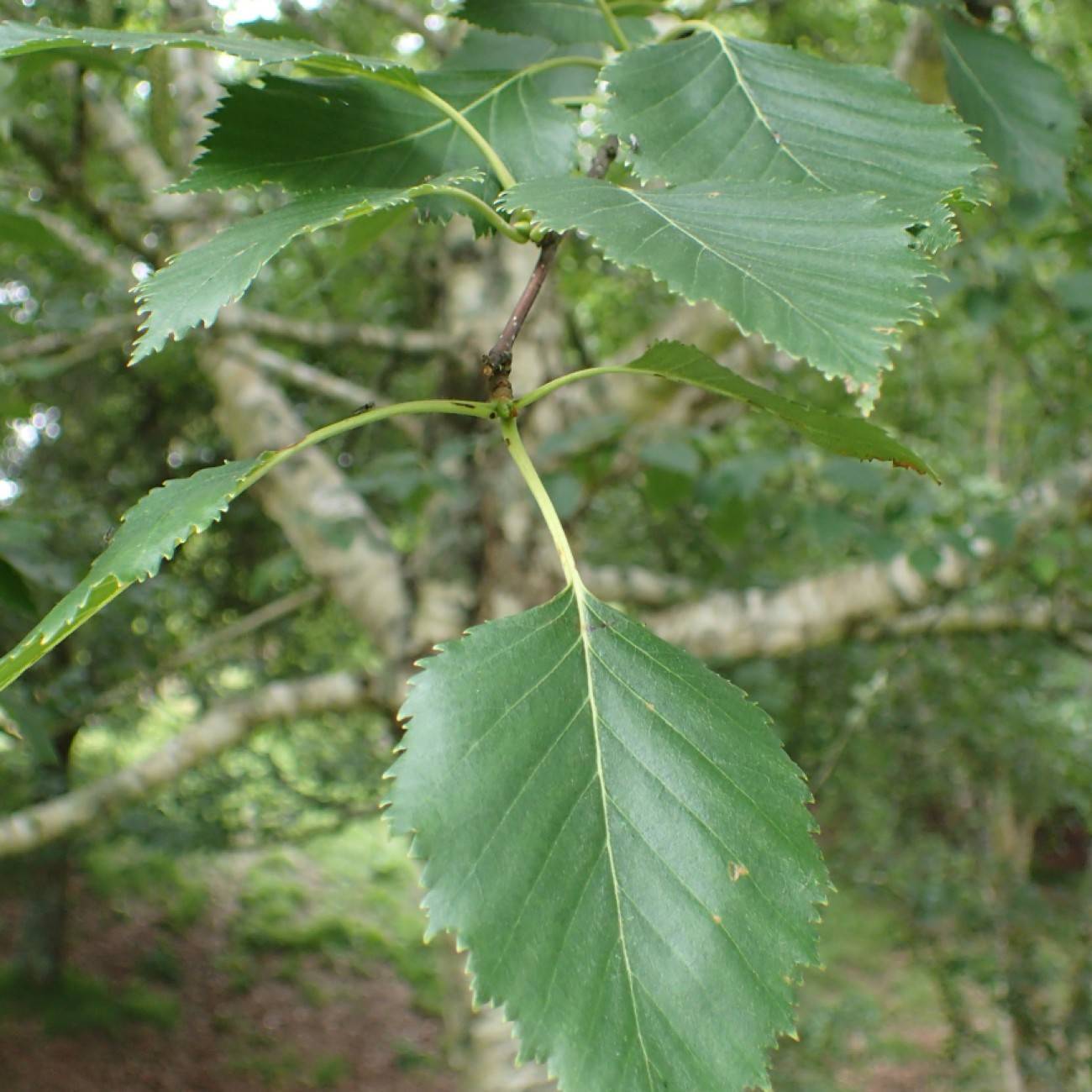
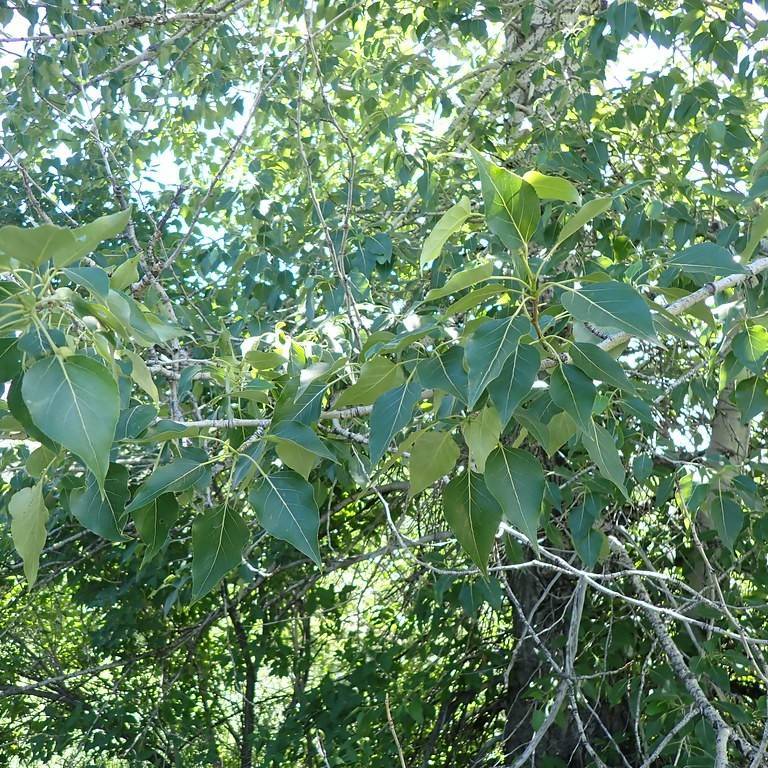
Downy birch is a hardy, fast-growing deciduous tree native to boreal and cool temperate northern regions, distinguished by its papery, silvery-white peeling bark, softly fuzzy young twigs, and small triangular serrated leaves. It thrives in wet, acidic soils where many other tree species struggle, making it a key pioneer species in disturbed or waterlogged sites. In fall, its foliage turns a bright, warm yellow, adding seasonal interest to gardens and natural areas, while its small wind-pollinated catkins appear in early spring before leaves emerge.
Care Guide
Watering
Downy birch prefers consistently moist, even wet soil, and requires regular watering during dry periods, especially for young trees, to prevent root stress. Mature specimens have moderate drought tolerance but perform best when soil does not dry out completely, making it well suited for rain gardens or low-lying, poorly drained sites. Avoid overwatering in heavy, compacted soils that do not drain at all, as this can lead to root rot over time.
Light
This species grows best in full sun, requiring at least 6 hours of direct, unfiltered sunlight daily to develop a strong, healthy canopy and vibrant fall color. It can tolerate very light partial shade, but growth will be slower, and the bark will be less vibrant in shadier conditions. Young trees should not be planted in heavily shaded areas, as they will struggle to establish and may become leggy.
Soil
Downy birch adapts to a wide range of soil types, including sandy, loamy, peaty, and even heavy clay soils, as long as drainage is adequate. It prefers acidic to neutral soil with a pH between 4.5 and 6.5, and thrives in wet, nutrient-poor soils that many other tree species cannot tolerate. It will not perform well in highly alkaline soils, which can cause leaf chlorosis and stunted growth.
Fertilizer
Young downy birch trees benefit from a balanced, slow-release fertilizer applied in early spring to support healthy root and canopy growth during their first 3 to 5 years of establishment. Mature trees rarely require fertilization, as they are adapted to low-nutrient soils, and overfertilization can lead to weak, fast growth that is prone to storm damage. If growth is stunted or leaves appear pale, a light application of nitrogen-rich fertilizer in spring can help remedy the issue.
Temperature
Downy birch is extremely cold-hardy, tolerating winter temperatures as low as -40°F (-40°C), and is well suited to USDA hardiness zones 2 through 7. It does not thrive in hot, humid climates, as prolonged high temperatures above 85°F (29°C) can cause leaf scorch and stress the tree, limiting its range to cool northern and high-elevation regions. Winter cold damage is very rare for this species, even in the coldest parts of its native range.
Pruning
Prune downy birch only in late summer or early fall, as pruning in late winter or spring will cause heavy sap bleeding that weakens the tree and attracts pests. Remove dead, damaged, or crossing branches to maintain a healthy, open canopy, and avoid heavy pruning, as this species does not respond well to extensive cutting back. Young trees can be lightly shaped to encourage a strong central leader, but mature trees require only minimal maintenance pruning.
Propagation
Downy birch is most commonly propagated from seed, which requires 2 to 3 months of cold stratification before sowing in moist, acidic potting mix in spring. It can also be propagated from softwood cuttings taken in early summer, treated with rooting hormone, and kept in high humidity until roots develop, though seed propagation is far more reliable for consistent growth. Suckers that sprout from the root system of mature trees can also be dug up and transplanted in late fall or early spring for easy propagation.
Humidity
This species prefers moderate to high humidity levels, typical of its native boreal and cool temperate habitats, and struggles in very dry, arid climates. It can tolerate average indoor humidity for short periods, but is not suited to long-term indoor growth, as dry air will cause leaf drop and stress. In very dry outdoor regions, regular misting of young trees can help prevent leaf scorch during hot summer months.
Repotting
Downy birch is a large landscape tree and is rarely grown in containers long-term, though young saplings can be kept in large, deep containers for 1 to 2 years before planting out. Repot young saplings in late winter before new growth emerges, using a well-draining, acidic potting mix, and ensure the container has ample drainage holes to prevent waterlogging. Once the tree reaches 6 feet (1.8 meters) tall, it should be transplanted to a permanent outdoor location, as it will quickly outgrow even the largest containers.
Uses & Symbolism
Downy birch is widely planted as an ornamental landscape tree for its striking white bark, delicate foliage, and vibrant fall color, working well as a specimen tree or in groves in cool-climate gardens. Its wood is used for furniture, plywood, and turnery, while its bark has been used traditionally for crafting canoes, baskets, and roofing material, and its sap is tapped in spring to make syrup and beverages. Ecologically, it provides food and shelter for a wide range of bird species, pollinators, and moth larvae, and is used for reforesting wet, disturbed sites where other trees struggle to grow.
Diseases & Pests
Downy birch is susceptible to bronze birch borer, a destructive wood-boring beetle that attacks stressed trees, causing canopy dieback and eventual death if left untreated. It can also develop birch leaf spot, a fungal disease that causes brown spots on foliage and premature leaf drop, which can be managed by removing infected leaves and improving air circulation around the tree. Aphids and birch skeletonizers are common insect pests that feed on the foliage, causing cosmetic damage but rarely threatening the long-term health of mature, well-established trees.
Guides that mention Downy Birch
Related plants
Other plants you might like if you grow Downy Birch.