Golden Larch
Pseudolarix amabilis
Overview
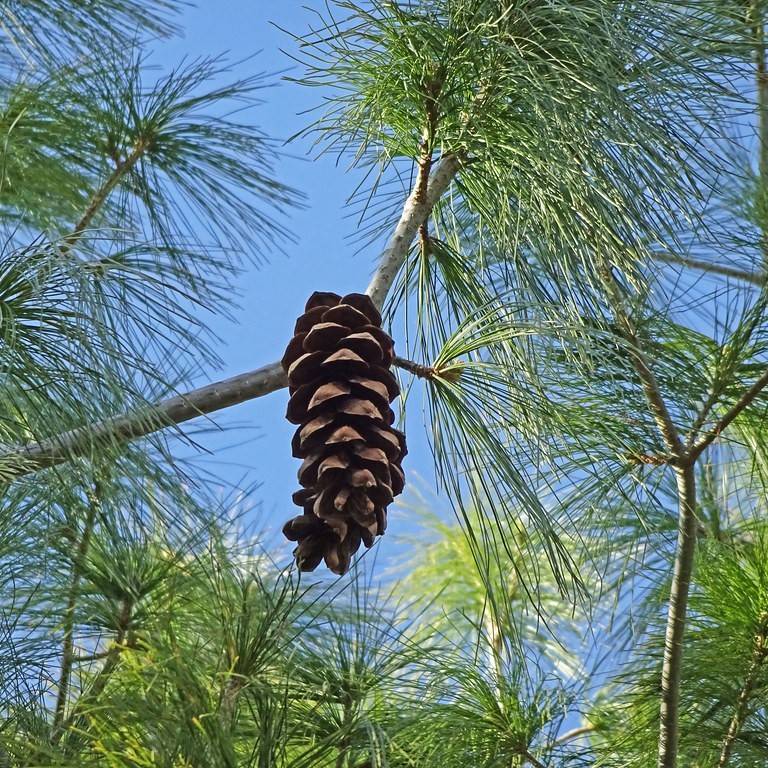
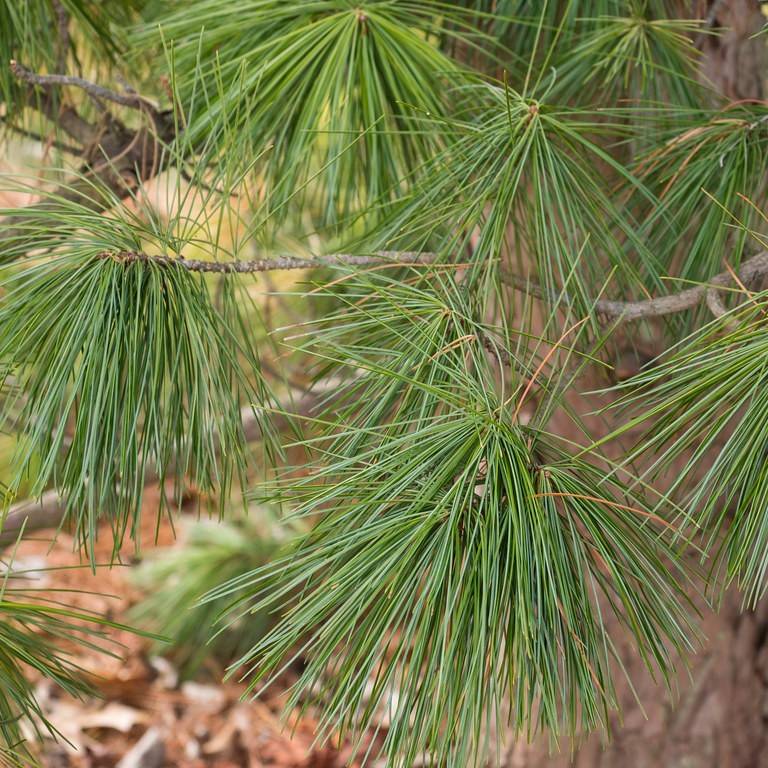
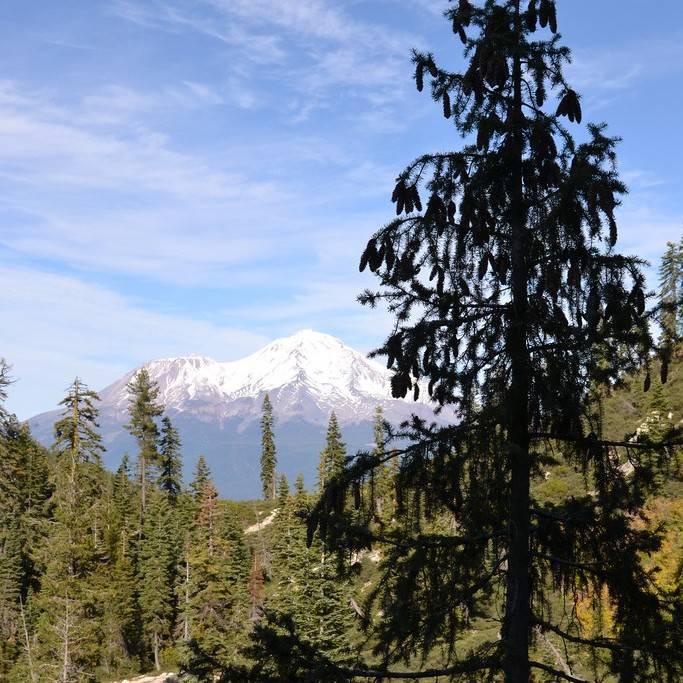
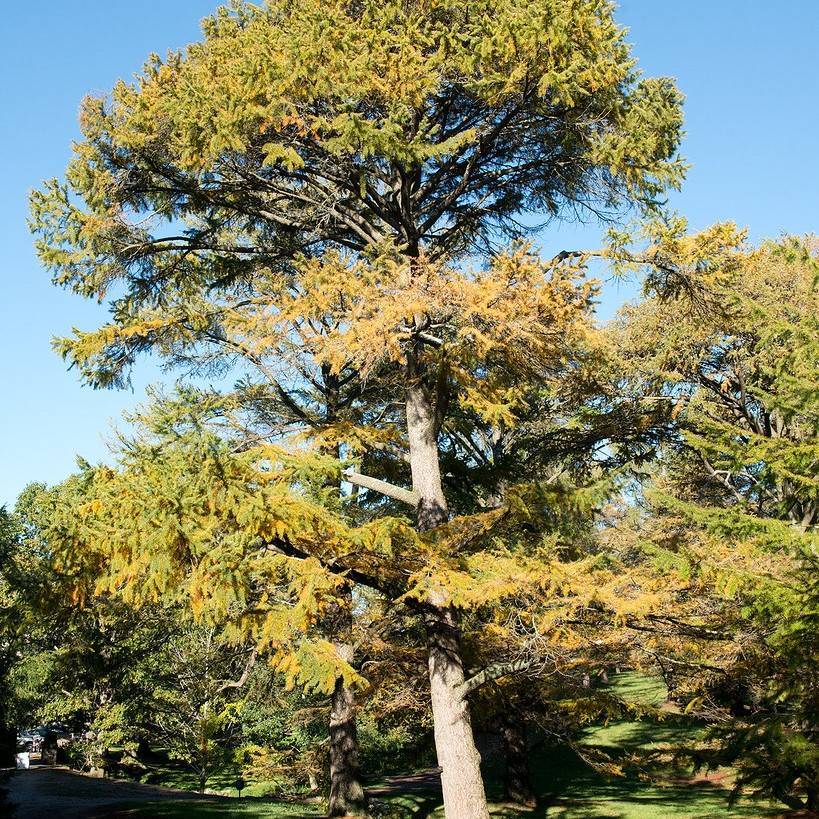
Golden larch is the sole species in the Pseudolarix genus, a deciduous conifer unrelated to true larches (Larix genus) despite its common name. Its soft, light green needles grow in whorls on short spur shoots, turning a striking bright gold before dropping in fall, making it a standout ornamental specimen for temperate landscapes. It produces small, upright, woody cones that disintegrate on the tree to release seeds at maturity, typically after 2 to 3 years of development.
Care Guide
Watering
Golden larch prefers consistent, moderate moisture, especially during its active growing season in spring and summer; avoid letting the root ball dry out completely, as drought stress can cause premature needle drop. Water deeply whenever the top 2 to 3 inches of soil feel dry to the touch, and reduce watering frequency in late fall and winter once the tree has dropped its needles and entered dormancy. It is moderately tolerant of occasional short drought once established, but young saplings require more regular watering to support root development.
Light
This species thrives in full, direct sunlight for at least 6 to 8 hours per day, which supports dense, healthy foliage growth and the most vibrant autumn coloration. It can tolerate very light, dappled shade, but prolonged shaded conditions will result in sparse, leggy growth and reduced fall foliage intensity. For indoor bonsai specimens, place in a south-facing window with unobstructed light, or use grow lights during darker winter months to maintain vigor.
Soil
Golden larch grows best in deep, well-drained, slightly acidic loam soil with a pH between 5.0 and 6.5, rich in organic matter to retain consistent moisture without waterlogging. Heavy clay soils that stay saturated for long periods will cause root rot, so amend heavy sites with compost, sand, or peat moss to improve drainage before planting. It can tolerate slightly alkaline soils in some regions, but may develop mild chlorosis (yellowing needles) if pH levels rise above 7.0 for extended periods.
Fertilizer
Feed young, actively growing golden larches in early spring before new needle growth emerges, using a balanced, slow-release granular fertilizer formulated for acid-loving trees or conifers. Avoid high-nitrogen fertilizers, which can promote overly soft, fast growth that is prone to winter damage, and stop fertilizing by mid-summer to allow new growth to harden off before cold weather arrives. Mature, established specimens rarely require regular fertilization, but a light application of compost around the root zone in spring can support overall health if growth is stunted.
Temperature
Golden larch is cold hardy in USDA zones 4 through 7, tolerating winter temperatures as low as -30°F (-34°C) once fully established. It prefers cool, temperate summers with average temperatures between 60°F and 75°F (15°C to 24°C), and may suffer from heat stress or scorched needles in extended periods of temperatures above 90°F (32°C), especially if paired with low humidity. Warm, mild winter temperatures above 45°F (7°C) for extended periods can disrupt its required dormancy period, leading to reduced growth the following spring.
Pruning
Prune golden larch during its dormant season in late winter, before new buds begin to swell, to remove dead, damaged, or crossing branches and maintain its desired shape. Light structural pruning can be done to encourage a strong central leader in young trees, but avoid heavy pruning of older, mature wood, as the species does not readily produce new growth from old, bare branches. For bonsai specimens, pinch back new candle growth in spring to control size and promote denser, more compact foliage, being careful not to remove more than one-third of new growth per season.
Propagation
Golden larch is most commonly propagated from seed, which requires a 3-month period of cold stratification at 33°F to 41°F (0.5°C to 5°C) before sowing in moist, well-drained seed starting mix in early spring. Cuttings are rarely successful, as semi-hardwood cuttings taken from young trees in mid-summer have a very low rooting rate, even with the application of rooting hormone and consistent high humidity. Grafting onto Pseudolarix amabilis rootstock is sometimes used for selected cultivars, but is uncommon for most home growing applications.
Humidity
This species prefers moderate humidity levels between 40% and 60%, which supports healthy, supple needle growth and reduces the risk of leaf scorch during hot, dry summer weather. It can tolerate average household humidity for short periods when grown as a bonsai, but prolonged dry air below 30% will cause needle browning and premature drop, especially during the winter heating season. Misting the foliage regularly during dry spells, or placing a humidity tray beneath potted specimens, can help maintain adequate humidity levels for indoor or container-grown trees.
Repotting
Young potted golden larches, including bonsai specimens, should be repotted every 2 to 3 years in early spring just before new growth begins, to refresh the soil and prevent root binding. Mature container-grown trees only need repotting every 4 to 5 years, or when roots begin to grow out of the drainage holes of the pot; prune up to one-third of the root mass during repotting to control size and encourage new, healthy root growth. Use a well-drained, slightly acidic potting mix formulated for conifers or bonsai, and avoid overpotting, as excess soil can hold too much moisture and lead to root rot.
Uses & Symbolism
Golden larch is widely planted as a specimen ornamental tree in temperate parks, gardens, and large landscapes, valued for its unique pyramidal growth habit and striking golden fall foliage that stands out among evergreen conifers. It is a popular species for bonsai cultivation, as its small needles, attractive bark, and natural branching structure lend themselves well to miniature styling, and it responds well to training and root pruning. In its native China, its durable, rot-resistant wood is occasionally used for construction, furniture making, and craft projects, though it is not a major commercial timber species due to its limited natural distribution.
Diseases & Pests
Golden larch is relatively resistant to most common pests and diseases, but can be susceptible to root rot in poorly drained, waterlogged soils, a fungal condition that causes yellowing needles, stunted growth, and eventual tree death if drainage is not improved. Aphids, spruce budworms, and larch casebearers may occasionally feed on the new needle growth, causing discoloration and defoliation, which can be controlled with insecticidal soap or horticultural oil for minor infestations. Needle blight, a fungal disease that causes brown spots on needles and premature drop, may occur in overly wet, humid conditions, and can be managed by improving air circulation around the tree and removing infected fallen foliage from the base of the plant.
Related plants
Other plants you might like if you grow Golden Larch.