Kenai Birch
Betula neoalaskana
Overview
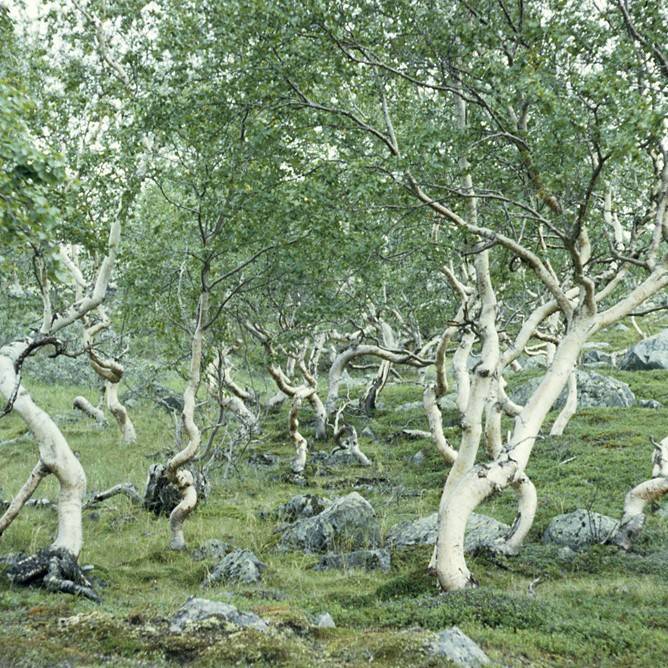
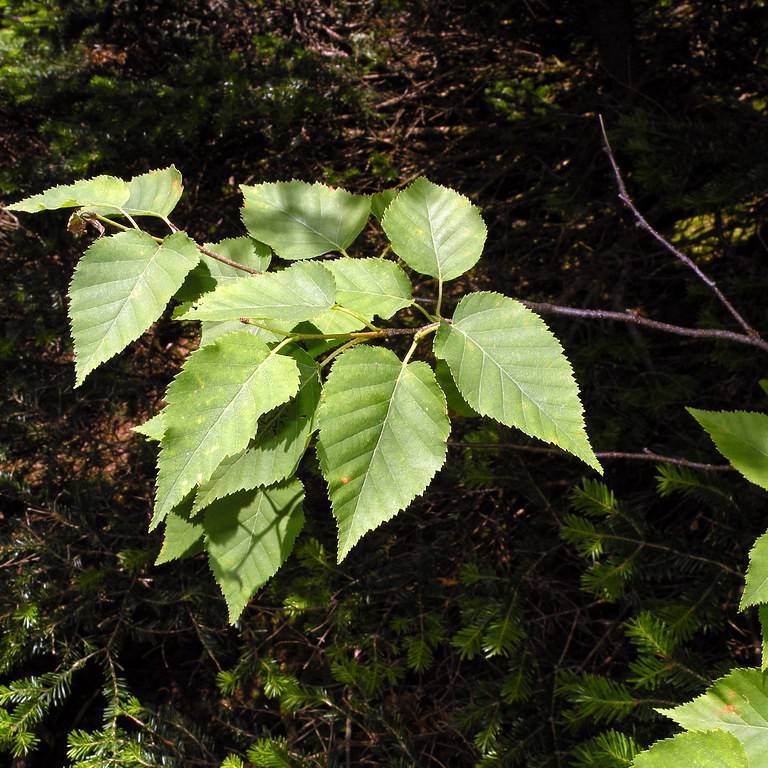
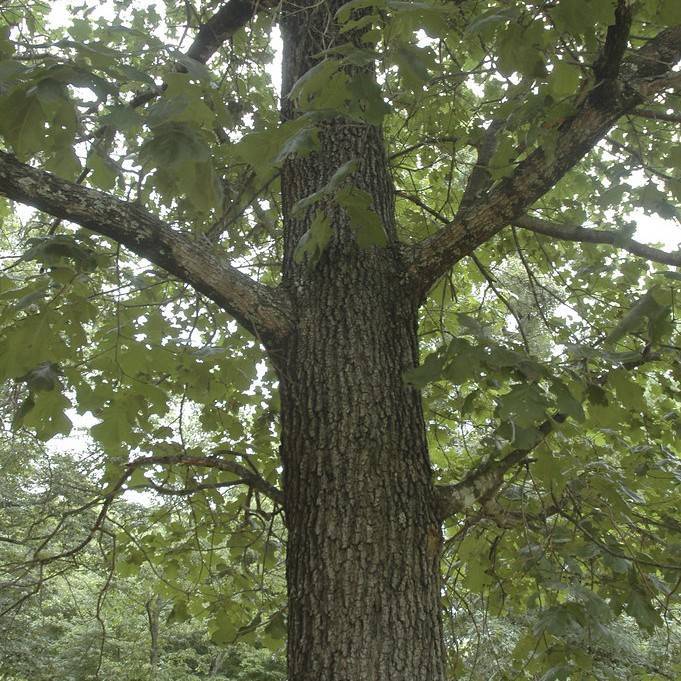
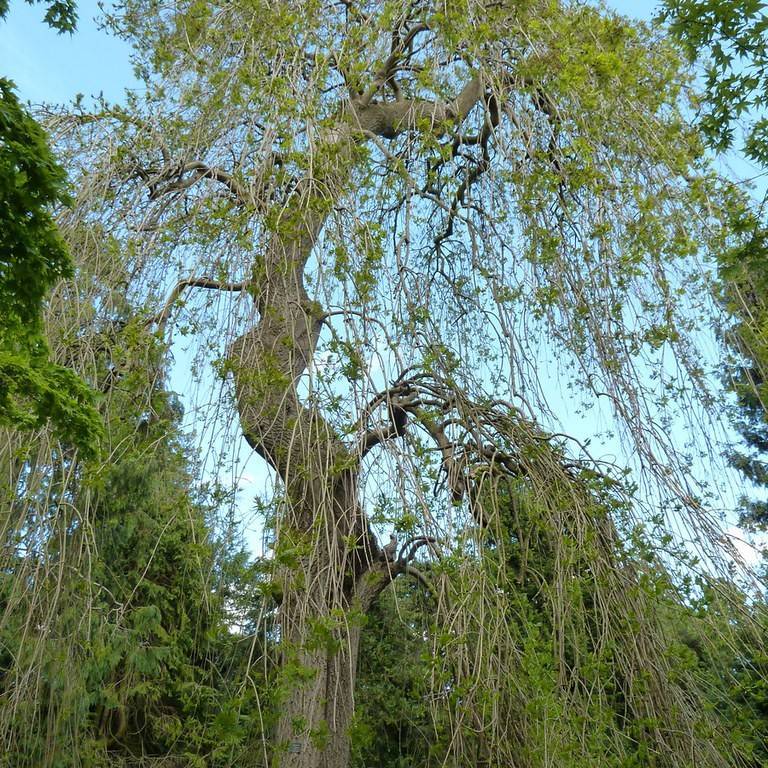
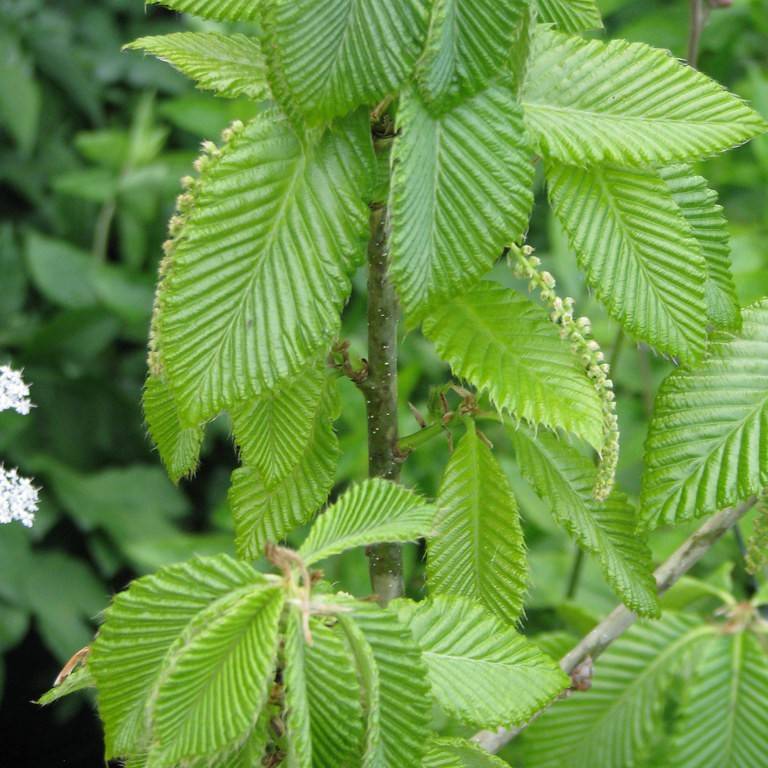
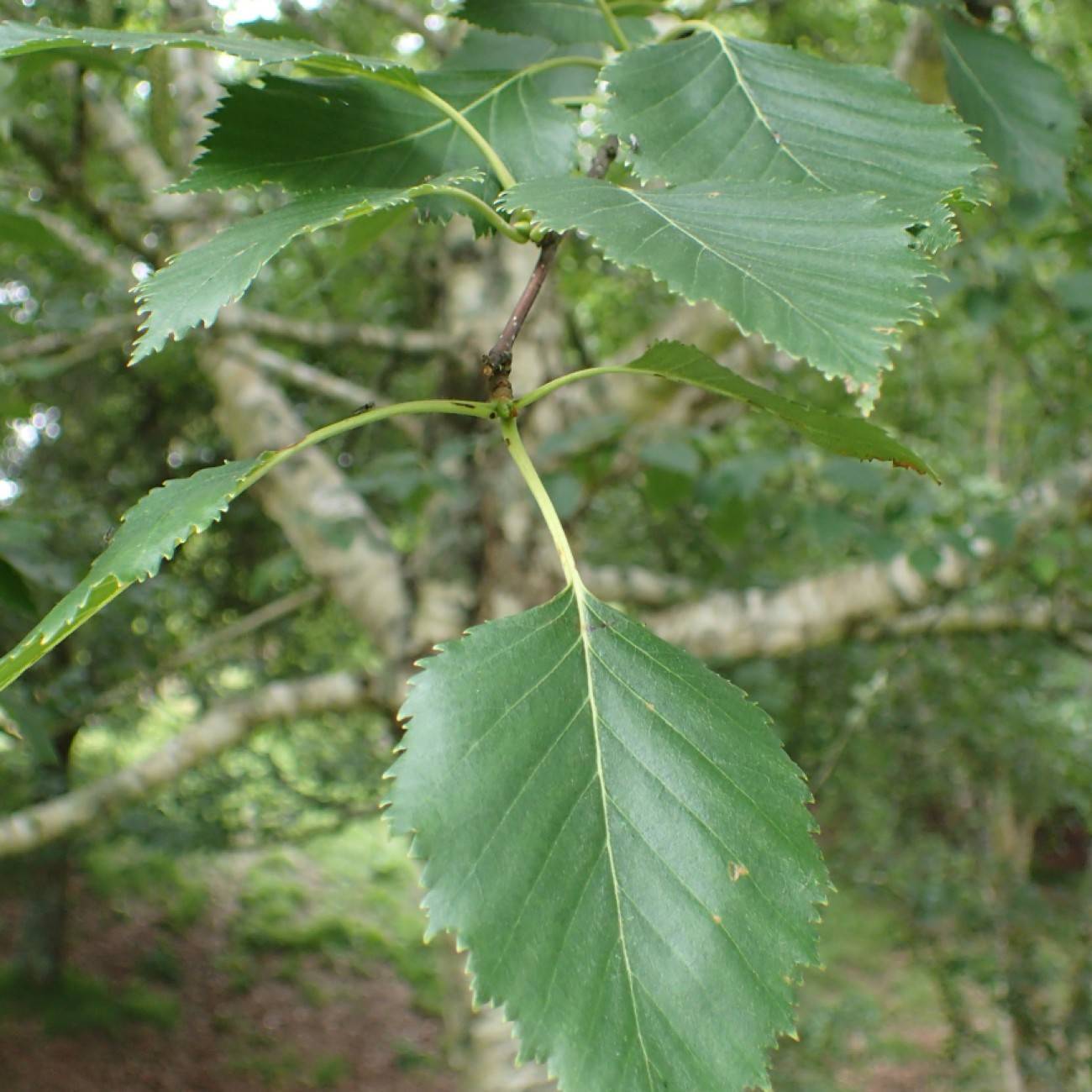
Kenai birch, often classified as a subspecies of paper birch, is adapted to the harsh, cold climates of subarctic North America. Its distinctive smooth, papery white bark peels in thin layers, marked with dark horizontal lenticels, while its oval, serrated leaves turn bright butter-yellow each fall. This species plays a critical ecological role in its native range, providing food and shelter for moose, birds, and small wildlife, and stabilizing soil in boreal forest and riparian habitats.
Care Guide
Watering
Kenai birch prefers consistently moist, well-drained soil, and is drought-sensitive once established, requiring supplemental watering during extended dry periods to prevent leaf scorch. Avoid overwatering in heavy, poorly draining soils, as this can lead to root rot in young trees. Mature trees have moderate drought tolerance, but perform best with regular deep watering during warm summer months.
Light
This species thrives in full sun, requiring at least 6 hours of direct unfiltered sunlight daily to maintain healthy growth and full foliage density. It can tolerate partial shade, but shaded specimens will have sparser canopies and slower growth rates. In its native range, it often grows as a pioneer species in open, recently disturbed sites with abundant sun exposure.
Soil
Kenai birch adapts to a wide range of soil types, including sandy, loam, and rocky substrates, but prefers slightly acidic to neutral soils with a pH between 5.0 and 7.0. It does not tolerate highly alkaline soils, which can cause nutrient deficiency and yellowing of foliage. Amending heavy clay soils with organic matter will improve drainage and support healthier root development.
Fertilizer
Young Kenai birch trees benefit from a balanced, slow-release fertilizer applied in early spring before new growth emerges to support root and canopy development. Mature trees generally do not require regular fertilization if grown in nutrient-rich soil, though a light application of nitrogen-rich fertilizer can be applied every 2-3 years if foliage appears pale or growth is stunted. Avoid fertilizing late in the growing season, as this can stimulate tender new growth that is vulnerable to frost damage.
Temperature
Extremely cold-hardy, Kenai birch tolerates winter temperatures as low as -60°F (-51°C), making it suitable for growing in USDA hardiness zones 1 through 6. It does not perform well in hot, humid climates, as temperatures above 85°F (29°C) combined with high humidity can increase stress and susceptibility to pest infestations. It requires a period of cold winter dormancy to support healthy annual growth cycles.
Pruning
Prune Kenai birch only during late fall or winter when the tree is fully dormant, as pruning during active growth in spring or summer can attract birch borers, a destructive pest that targets stressed trees. Remove dead, damaged, or crossing branches to improve air circulation through the canopy and reduce the risk of fungal disease. Avoid heavy pruning, as this species is slow to heal from large cuts, and never remove more than 25% of the canopy in a single year.
Propagation
Kenai birch is most commonly propagated from seed, which requires a 60-90 day cold stratification period to break dormancy before sowing in moist, well-drained growing medium. Softwood cuttings taken from young, healthy trees in early summer can also root successfully if treated with rooting hormone and kept in high humidity conditions. It does not propagate reliably from hardwood cuttings, so seed propagation is preferred for most cultivation purposes.
Humidity
Kenai birch prefers moderate to high humidity levels between 40% and 60%, typical of its native boreal forest and riparian habitats. It can tolerate low humidity for short periods, but extended dry air can lead to leaf browning and increased susceptibility to spider mite infestations. In dry growing regions, regular misting or placing a humidifier near young potted specimens can help maintain adequate humidity levels.
Repotting
Kenai birch is rarely grown in containers long-term, as its large, spreading root system requires ample space to develop, but young saplings can be grown in large pots for 1-2 years before transplanting to a permanent outdoor location. Repot young saplings in early spring before new growth emerges, using a well-draining, slightly acidic potting mix, and select a pot that is 2-3 inches larger in diameter than the current root ball to avoid overpotting. Once the tree reaches 6 feet (1.8 meters) in height, it should be transplanted outdoors to a permanent site to prevent root binding and stunted growth.
Uses & Symbolism
In its native range, Kenai birch is planted for reforestation, riparian stabilization, and ornamental landscaping, valued for its attractive bark and vibrant fall color. Indigenous communities of Alaska and northern Canada traditionally use its bark for crafting baskets, containers, and waterproof coverings for shelters, while its wood is used for small woodworking projects and fuel. It is also planted in cold-climate gardens as a shade tree and to support native pollinators and wildlife.
Diseases & Pests
Kenai birch is susceptible to bronze birch borer, a wood-boring beetle that attacks stressed trees, causing canopy dieback and eventual death if left untreated. It can also develop leaf spot diseases, powdery mildew, and birch rust in wet, humid conditions with poor air circulation. Regularly monitoring for pest activity, maintaining consistent soil moisture, and avoiding unnecessary wounding of the tree can reduce the risk of most common health issues.
Related plants
Other plants you might like if you grow Kenai Birch.