Greenland Birch
Betula pubescens subsp. tortuosa
Overview
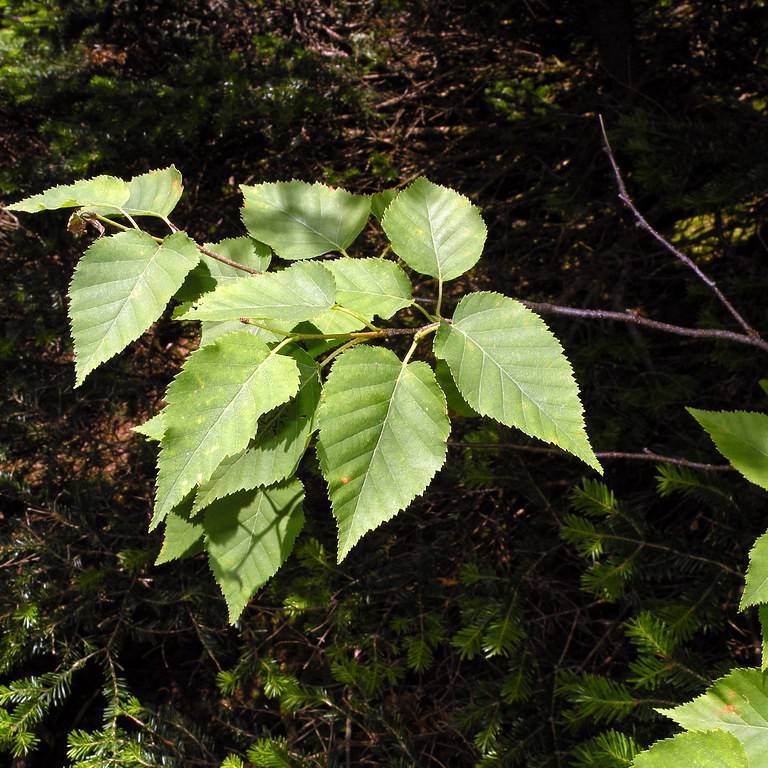
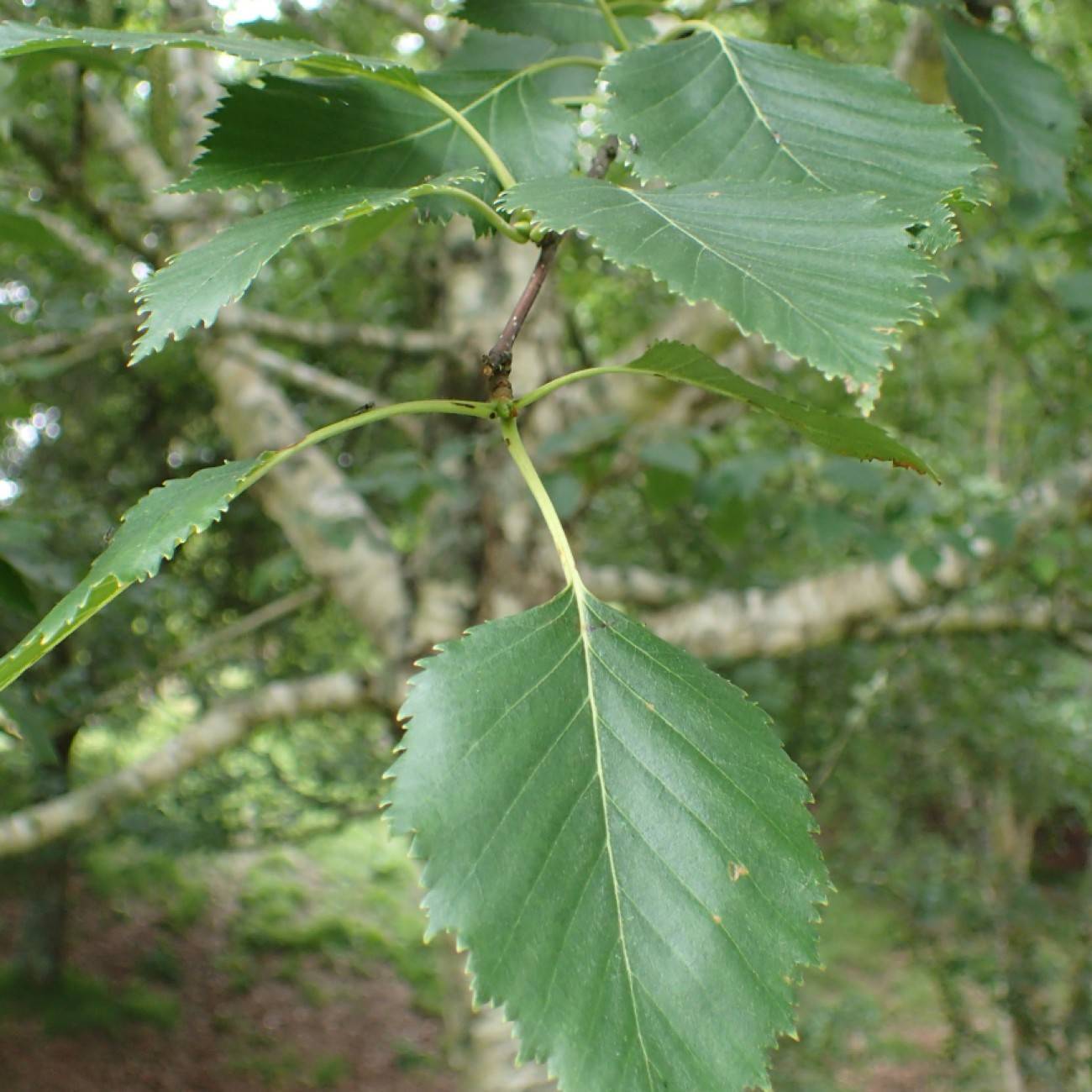
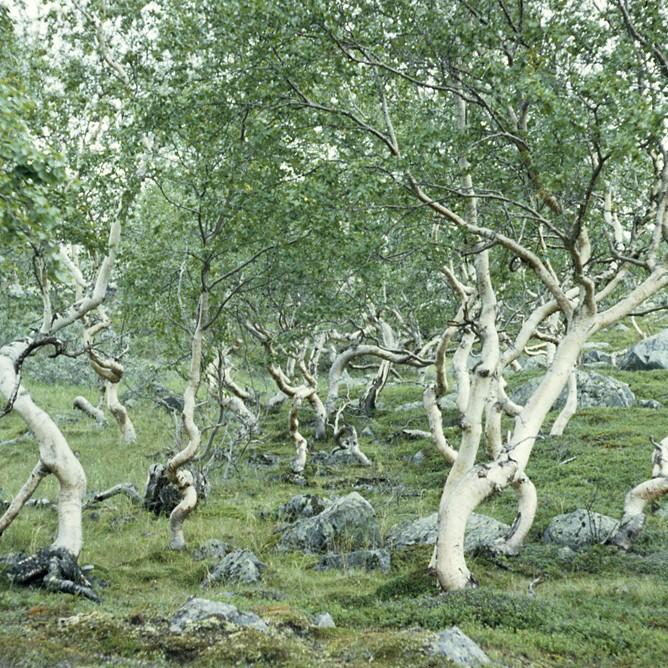
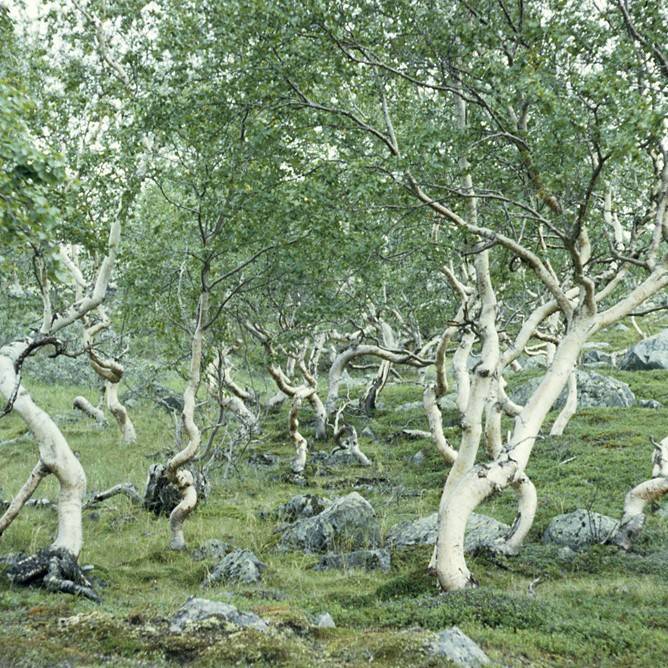
Greenland birch is a small, often multi-stemmed deciduous tree or large shrub that evolved to survive the harsh, windy, short growing seasons of Arctic landscapes. Its characteristically twisted, gnarled branches and small, rounded, pubescent leaves distinguish it from other downy birch subspecies, with bark that is smooth, reddish-brown to gray, peeling in thin strips as it matures. In its native range, it is a critical keystone species, providing food and shelter for Arctic wildlife including reindeer, small mammals, and native pollinators. It is sometimes cultivated in cold-climate gardens for its unique, rugged ornamental form and exceptional cold tolerance.
Care Guide
Watering
Greenland birch prefers consistently moist, well-drained soil and does not tolerate extended drought; water regularly during dry periods, ensuring the root zone never fully dries out, but avoid waterlogged conditions that can cause root rot. In its native tundra habitat, it receives consistent moisture from melting snow and seasonal rainfall, so replicate these conditions in cultivation by maintaining even soil moisture year-round. Potted specimens require more frequent watering, especially during warm summer months, as their small root systems dry out quickly.
Light
This species thrives in full sun, requiring a minimum of 6 hours of direct sunlight daily to maintain its dense, healthy growth habit. It can tolerate partial shade, but will become leggy and produce fewer leaves if grown in low light conditions. In regions with very intense summer sun, it will benefit from light afternoon shade to prevent leaf scorch, though it is adapted to the long, low-angle sun of Arctic summers.
Soil
Greenland birch grows best in slightly acidic to neutral, loamy, sandy, or gravelly soil with excellent drainage, mimicking the well-aerated, rocky tundra soils of its native range. It can tolerate poor, low-nutrient soils and even shallow, rocky substrates where larger trees cannot establish, but will not thrive in heavy, compacted clay that holds excess moisture. Amend heavy garden soil with coarse sand or peat moss to improve drainage and adjust pH before planting.
Fertilizer
This Arctic species is adapted to low-nutrient soils and requires very little fertilization; over-fertilization can cause overly rapid, weak growth that is susceptible to winter damage. If grown in poor soil, apply a balanced, slow-release 10-10-10 fertilizer once annually in early spring, at half the recommended rate for other deciduous trees. Avoid fertilizing after mid-summer, as new growth stimulated by late feeding will not harden off before cold winter temperatures arrive.
Temperature
Greenland birch is exceptionally cold-hardy, surviving temperatures as low as -50°F (-46°C) and thriving in USDA hardiness zones 1 through 6. It does not tolerate high heat and humidity, and will struggle in regions where summer temperatures regularly exceed 75°F (24°C), often suffering leaf scorch and stress in warmer climates. It requires a prolonged cold dormancy period of at least 3 months with temperatures below 40°F (4°C) to break bud and grow successfully the following season.
Pruning
Prune Greenland birch only in late winter or early spring while the tree is fully dormant, to avoid excessive sap bleeding that can weaken the plant and attract pests. Remove any dead, damaged, or crossing branches to maintain airflow and the desired twisted, natural form, avoiding heavy pruning that can stunt its slow growth. Regularly trim any suckers that grow from the base of the tree if you want to maintain a single-stemmed form, or leave them to encourage a multi-stemmed shrub habit.
Propagation
Greenland birch is most commonly propagated from seed, which requires a 3-4 month cold stratification period at 33-40°F (0-4°C) to break dormancy before sowing in moist, well-drained seed starting mix. Softwood cuttings taken in early summer can also root successfully if treated with rooting hormone and kept in high humidity under indirect light for 6-8 weeks. It can also be propagated via root division of mature multi-stemmed specimens in early spring before new growth emerges, though this method is less common than seed propagation.
Humidity
This species prefers moderate to high humidity levels between 50-70%, consistent with the moist, cool air of its native Arctic and subarctic habitats. It can tolerate average indoor humidity levels if kept cool and well-watered, but very dry air will cause leaf browning and drop, especially in heated indoor spaces during winter. Mist the foliage regularly if growing it indoors or in a dry climate, or place the pot on a tray of pebbles filled with water to raise ambient humidity around the plant.
Repotting
Potted Greenland birch specimens require repotting every 2-3 years in early spring before new growth begins, using a slightly larger pot with drainage holes to prevent waterlogging. Use a well-drained, acidic potting mix formulated for deciduous trees, amended with coarse sand or perlite to improve drainage, and avoid planting the root crown deeper than it was in the previous pot. After repotting, water thoroughly and keep the plant in a cool, partially shaded location for 1-2 weeks to allow it to adjust to its new container before returning it to full sun.
Uses & Symbolism
In its native range, Greenland birch has been used traditionally by Indigenous communities for crafting small tools, wooden utensils, and fuel, as it is one of the few woody plants that grows in the high Arctic. It is cultivated as an ornamental plant in cold-climate rock gardens, alpine gardens, and Arctic-themed landscapes, valued for its unique twisted form, bright yellow autumn foliage, and ability to thrive in conditions where most other trees cannot survive. Ecologically, it is a critical species for stabilizing tundra soils, preventing permafrost erosion, and providing food and habitat for a range of Arctic wildlife including reindeer, which feed on its leaves and twigs during the short summer growing season.
Diseases & Pests
Greenland birch is relatively pest and disease resistant in its native cold climate, but can be susceptible to birch leafminer, aphids, and bronze birch borer when grown in warmer regions where it is stressed by high temperatures. Fungal leaf spots, powdery mildew, and root rot can occur if the plant is grown in poorly drained, waterlogged soil or in conditions with poor air circulation. Stressed plants, especially those grown outside their preferred cold climate range, are far more susceptible to pest and disease infestations than healthy, well-sited specimens.
Related plants
Other plants you might like if you grow Greenland Birch.