Hairy Angelica
Angelica venenosa
Overview
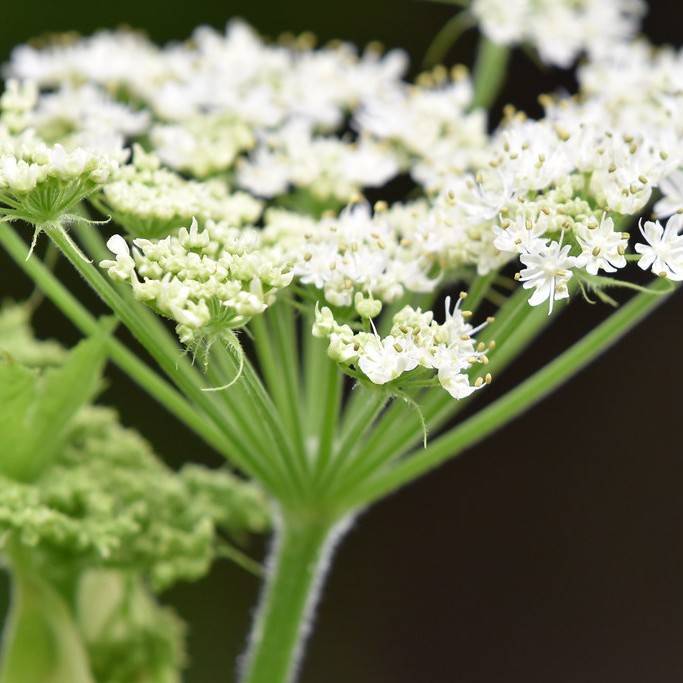
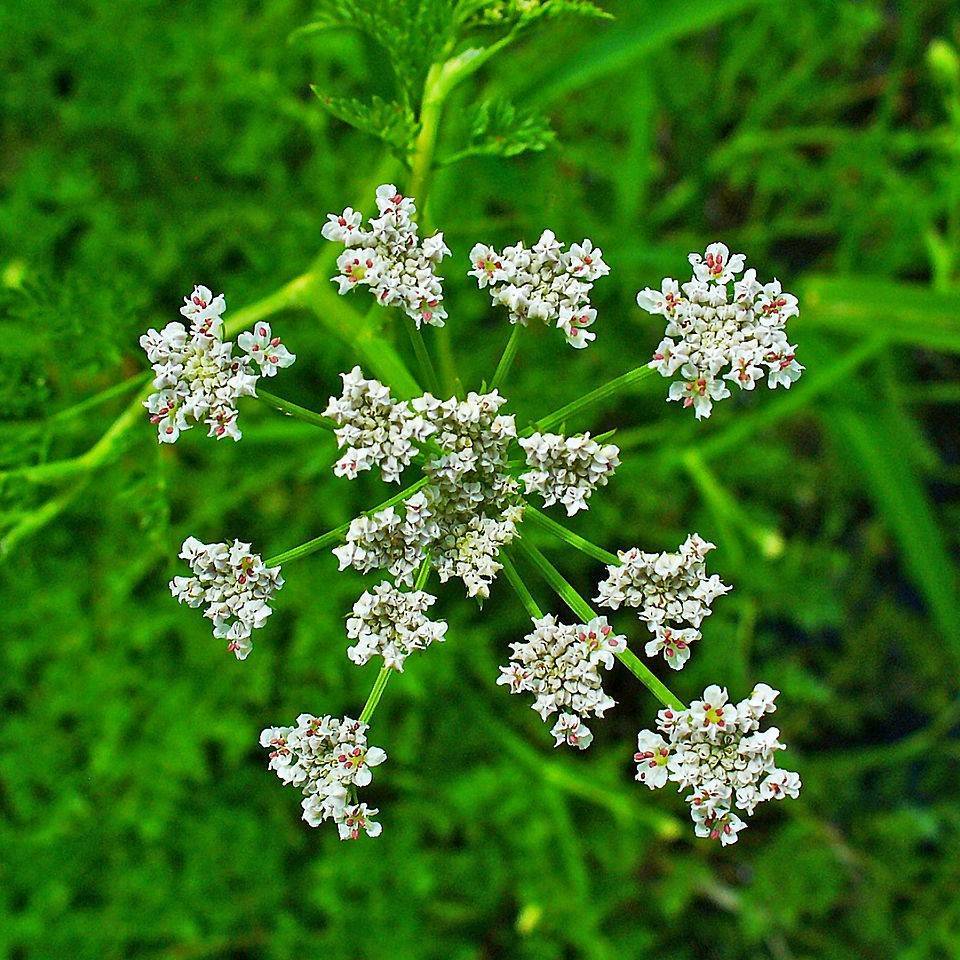
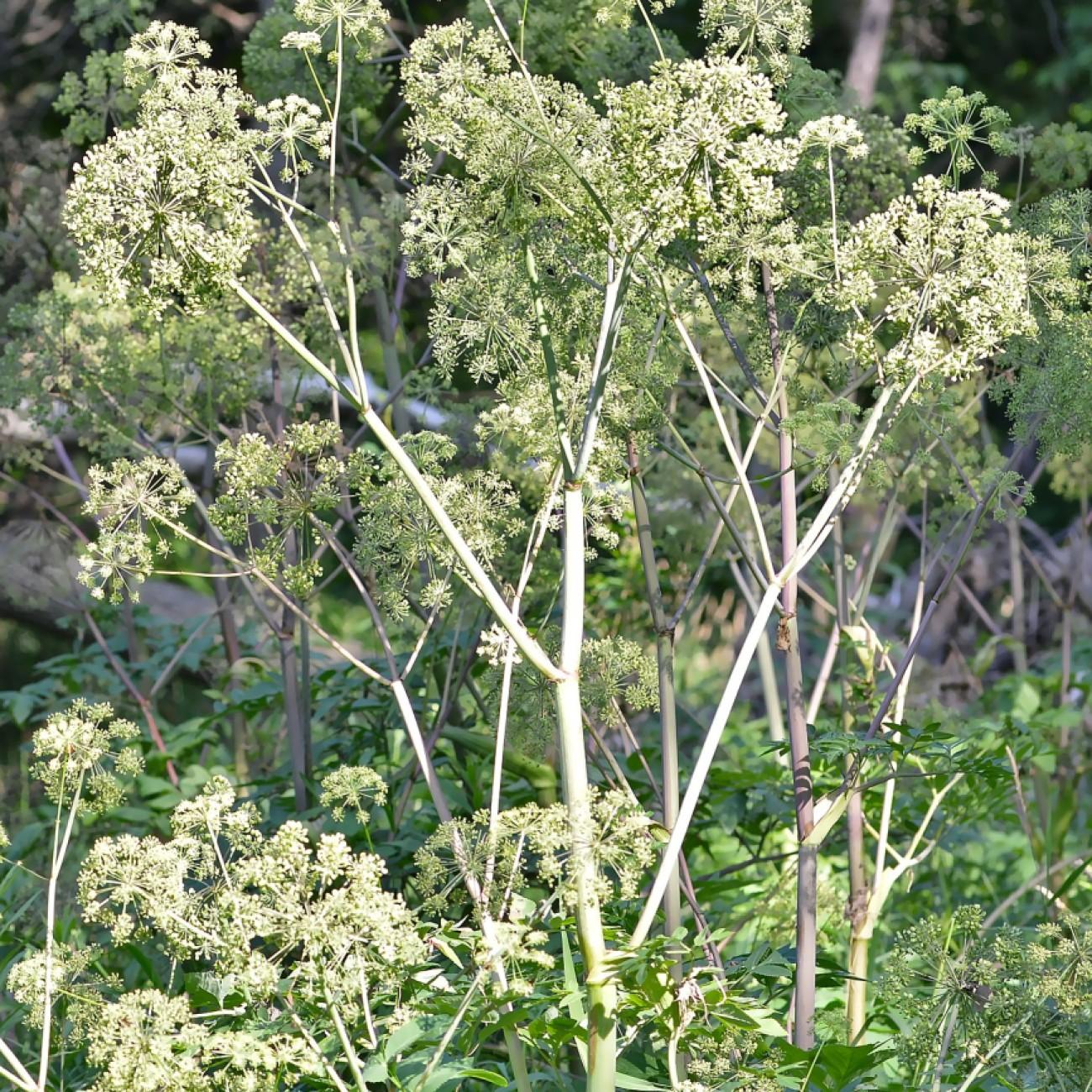
Hairy Angelica, named for the fine, soft hairs covering its stems and leaf undersides, is a robust wildflower that thrives in damp, partially shaded habitats across eastern North America. It produces large, compound umbels of tiny white flowers in summer that support a wide range of native pollinators, including bees, wasps, and small beetles. While visually similar to edible related species like wild parsnip, its toxic properties make proper identification critical for foragers.
Care Guide
Watering
Hairy Angelica prefers consistently moist, well-drained soil, requiring regular watering to keep the root zone from drying out, especially during periods of summer drought. Avoid overwatering that leads to standing water around the roots, as this can cause root rot in poorly draining sites.
Light
It grows best in partial shade, such as the dappled light under deciduous trees, though it can tolerate full sun in cooler regions if provided with ample moisture. Full sun in hot, southern climates will cause leaf scorch and stunted growth without consistent shading and extra water.
Soil
This species adapts to a range of soil types including loam, sandy loam, and clay, as long as the substrate is rich in organic matter and retains moisture well. A slightly acidic to neutral pH range of 5.5 to 7.0 is ideal for healthy growth and flowering.
Fertilizer
Hairy Angelica rarely requires supplemental fertilizer when grown in organically rich soil, as it naturally thrives in nutrient-dense wild habitats. If grown in poor, sandy soil, apply a balanced, slow-release organic fertilizer in early spring to support robust stem and foliage development.
Temperature
It is hardy in USDA zones 4 through 8, tolerating winter temperatures as low as -30°F (-34°C) when its root system is established. Hot, prolonged temperatures above 90°F (32°C) can cause wilting and stress, so partial shade and extra moisture are recommended in warmer parts of its range.
Pruning
Prune away spent flower heads after blooming if you wish to prevent self-seeding, as Hairy Angelica can spread readily in suitable growing conditions. Cut back dead foliage to the ground in late fall or early spring to make space for new growth and reduce overwintering habitat for pests.
Propagation
Hairy Angelica is most easily propagated from seed, which requires a 60-day period of cold stratification to break dormancy before sowing in spring. It can also be propagated via root division in early spring before new growth emerges, though the plant has a deep taproot that makes division challenging for mature specimens.
Humidity
It adapts well to the average humidity levels of its native eastern North American range, thriving in moderate humidity between 40% and 70%. Extremely dry air, common in indoor or arid environments, will cause leaf browning and stunted growth, making it poorly suited to indoor cultivation.
Repotting
Hairy Angelica is rarely grown in containers due to its large size and deep taproot, which requires ample space to develop. If grown in a large pot, repot every 2 to 3 years in early spring, using a rich, moisture-retentive potting mix and upgrading to a container at least 2 inches larger in diameter to accommodate root growth.
Uses & Symbolism
Historically, some Indigenous communities used very small, carefully prepared doses of Hairy Angelica for medicinal purposes to treat digestive issues and respiratory ailments, though its toxicity makes this practice dangerous for untrained users. Ecologically, it is a valuable pollinator support plant for native wildlife gardens, providing nectar for a wide range of beneficial insect species. Its tall, architectural form and showy flower clusters also make it a striking addition to native wildflower and rain garden plantings, provided it is placed out of reach of children and pets.
Diseases & Pests
Hairy Angelica is relatively resistant to most pests and diseases, though it can be susceptible to aphid infestations on new growth, which can be controlled with insecticidal soap or a strong spray of water. Fungal diseases like powdery mildew and leaf spot may occur in overly humid, poorly ventilated conditions, which can be prevented by spacing plants properly to encourage air circulation around foliage. Root rot can develop if the plant is grown in poorly draining soil or overwatered, so ensuring proper soil structure and avoiding standing water is critical for plant health.
Related plants
Other plants you might like if you grow Hairy Angelica.