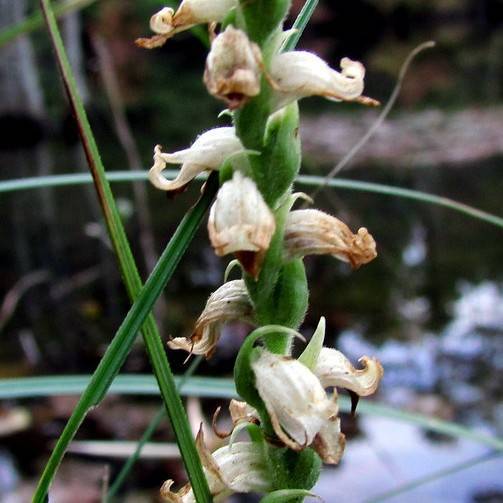
Common Ladies' Tresses
Spiranthes spiralis
Overview
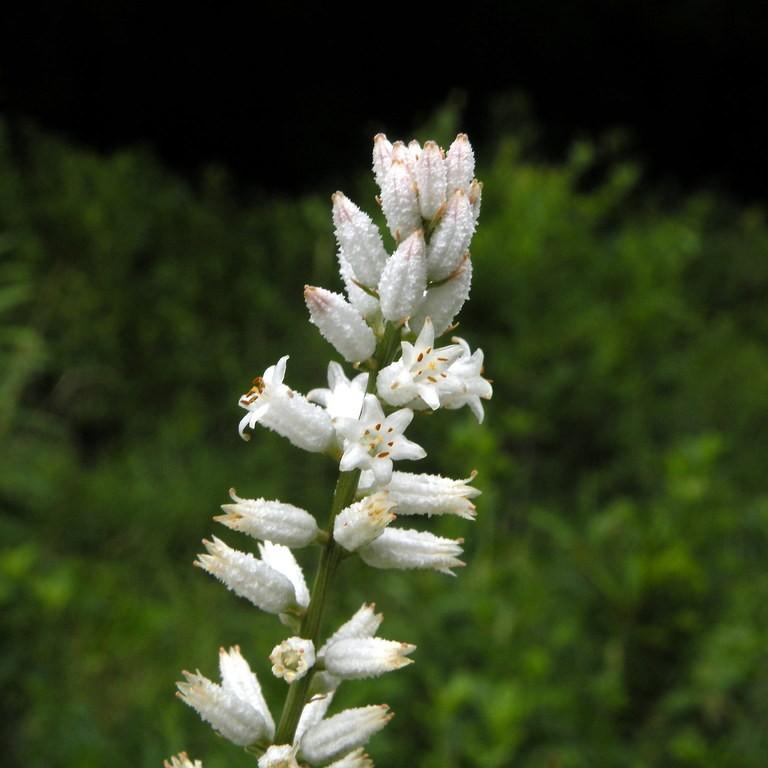
Common Ladies' Tresses is a low-growing terrestrial orchid recognized for its unique spiral inflorescence of small, tubular white flowers that bloom from late summer to early autumn. It has a rosette of rounded, dark green basal leaves that typically emerge after flowering and persist through the winter months before dying back in spring. This species thrives in well-drained, nutrient-poor grasslands, heaths, and even lightly shaded roadside verges, forming symbiotic relationships with soil fungi to access nutrients.
Care Guide
Watering
Keep soil consistently moist but not waterlogged during active growth in autumn and winter; reduce watering significantly in summer when the plant is dormant to prevent root rot. Avoid overwatering, as this species is adapted to well-drained, low-moisture habitats and will suffer if left in saturated substrate for extended periods.
Light
Prefers full sun to partial shade, receiving at least 4-6 hours of direct sunlight daily during its winter leaf growth phase for optimal health and future flowering. In hotter climates, provide light afternoon shade to prevent leaf scorch, especially during unseasonably warm winter days.
Soil
Requires sharply drained, low-nutrient, slightly acidic to neutral soil, ideally a mix of sandy loam, gravel, and low-fertility organic matter such as leaf mold. Avoid rich, heavy clay soils or amended garden soils with high nutrient levels, as these can damage the plant's delicate mycorrhizal associations and inhibit growth.
Fertilizer
Fertilization is generally not required, as this orchid relies on symbiotic mycorrhizal fungi in the soil to obtain necessary nutrients. If grown in containers without access to its natural soil fungi, apply a very dilute, balanced orchid fertilizer once per year at the start of the leaf growth period, at 1/4 the recommended strength to avoid nutrient burn.
Temperature
Tolerates a wide range of temperatures, thriving in cool to moderate conditions between 40-75°F (4-24°C) during its active winter growth phase. It is cold hardy to USDA zone 5, surviving winter temperatures as low as -20°F (-29°C) when planted in well-drained soil that does not freeze solid for extended periods.
Pruning
Pruning is minimal; remove faded flower spikes after blooming to redirect energy back to the root system, if desired. Trim away any brown, dead leaves in late spring before the plant enters its summer dormancy period to keep the growing area tidy and reduce the risk of fungal disease.
Propagation
Most commonly propagated via seed, which requires specific symbiotic mycorrhizal fungi present in its native soil to germinate, making home propagation challenging for most growers. Mature clumps can be carefully divided in late summer just before new leaf growth emerges, ensuring each division has a portion of the root system and associated soil to preserve mycorrhizal connections.
Humidity
Adapted to moderate outdoor humidity levels between 40-60%, and does not require supplemental humidity when grown in suitable outdoor conditions. If grown indoors in containers, maintain moderate ambient humidity and ensure good air circulation to prevent fungal growth on leaves and roots.
Repotting
Container-grown plants should be repotted every 2-3 years during summer dormancy, using a low-nutrient, well-drained orchid mix designed for terrestrial species. Avoid disturbing the root system more than necessary during repotting, as damage to the fragile mycorrhizal associations can stunt growth or prevent flowering for multiple seasons.
Uses & Symbolism
Common Ladies' Tresses is primarily grown as an ornamental plant for native wildflower gardens, rock gardens, and meadow restoration projects, where its delicate, fragrant flowers attract pollinators such as bumblebees. It is also valued in conservation efforts for its role in supporting native pollinator populations and indicating healthy, undisturbed low-nutrient grassland habitats. Historically, the root was used in traditional herbal medicine as a mild diuretic and to treat skin conditions, though modern medicinal use is rare.
Diseases & Pests
The most common issues are root rot caused by overwatering or poorly drained soil, which can quickly kill the plant if not addressed by improving drainage and reducing moisture. Fungal leaf spots may occur in overly humid, poorly ventilated conditions, and can be managed by removing affected leaves and increasing air flow around the plant. Slugs and snails may feed on the tender basal leaves during winter growth, so use physical barriers or organic slug control methods to protect young foliage.
Related plants
Other plants you might like if you grow Common Ladies' Tresses.