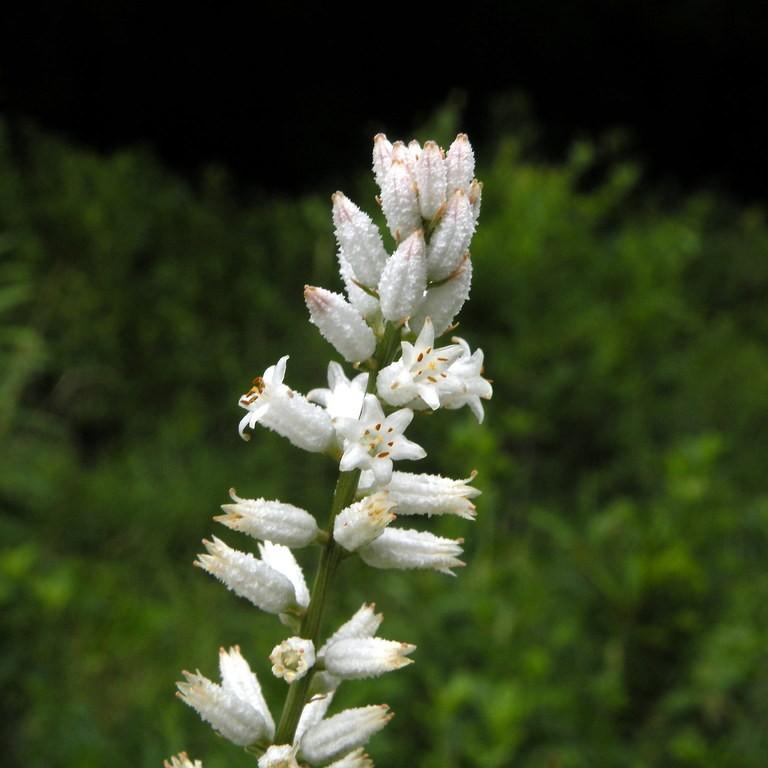
Colicroot
Aletris farinosa
Overview
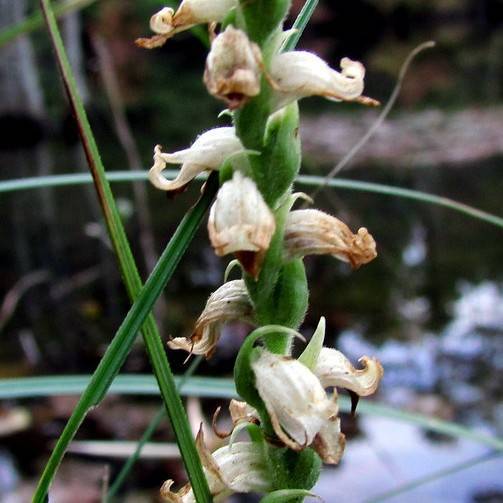
Colicroot, also called stargrass or unicorn root, is a herbaceous perennial recognized for its basal rosette of narrow, lance-shaped leaves and tall, slender flower spikes lined with small, powdery white, star-shaped blooms. It grows naturally in open, wet habitats such as bogs, pine savannas, and damp meadows, where its deep rhizomatous roots help it withstand periodic soil saturation. The plant’s common name derives from its traditional use in Indigenous and early American herbal medicine, where the dried root was prepared to alleviate digestive colic and menstrual discomfort.
Care Guide
Watering
Colicroot requires consistently moist, well-drained soil, as it is adapted to wetland edge habitats; never allow the root zone to dry out completely, even during periods of seasonal drought. Avoid overwatering in heavy, poorly draining soils, as this can lead to rhizome rot, but maintain higher moisture levels during the active spring and summer growing season.
Light
It performs best in full sun to partial shade, with full sun encouraging the most abundant flower production in cooler northern climates. In hotter southern portions of its range, provide dappled afternoon shade to prevent leaf scorch and reduce moisture loss from the soil.
Soil
Colicroot thrives in acidic, sandy, or loamy soils with high organic matter content, mimicking the boggy, nutrient-poor habitats it naturally inhabits. The soil must drain well while retaining moisture; amend heavy clay soils with peat moss or composted pine bark to lower pH and improve drainage before planting.
Fertilizer
This species is adapted to low-nutrient environments, so it requires very little supplemental fertilization; an annual topdressing of compost or well-rotted leaf mold in early spring is sufficient to support healthy growth. Avoid high-nitrogen synthetic fertilizers, as these can promote excessive foliage growth at the expense of flower production and damage the plant’s delicate rhizome system.
Temperature
Colicroot is cold-hardy in USDA zones 3 to 9, tolerating winter temperatures as low as -40°F (-40°C) when its root zone is insulated by snow or organic mulch. It can withstand summer temperatures up to 95°F (35°C) as long as adequate soil moisture and partial shade are provided in hotter regions.
Pruning
Prune spent flower stalks back to the basal rosette after blooming finishes in late summer to prevent self-seeding if desired, and to keep the plant looking tidy. Remove any yellowed or damaged leaves from the rosette as they appear throughout the growing season to reduce the risk of fungal disease.
Propagation
Colicroot is most commonly propagated by dividing mature rhizomes in early spring before new growth emerges, carefully separating the root clumps into sections with at least one growing point each. It can also be grown from seed, though seeds require a 3-month cold stratification period to germinate, and seedlings take 3 to 4 years to reach flowering maturity.
Humidity
It prefers moderate to high humidity levels between 50% and 70%, consistent with its native wetland and meadow habitats. In drier climates, mulch heavily around the base of the plant with pine straw or shredded bark to retain soil moisture and raise localized humidity around the root zone.
Repotting
When grown in containers, repot colicroot every 2 to 3 years in early spring, using a shallow, wide pot to accommodate its spreading rhizomatous root system. Use an acidic, peat-rich potting mix formulated for bog plants, and ensure the pot has ample drainage holes to prevent standing water around the roots.
Uses & Symbolism
Colicroot has a long history of medicinal use: Indigenous peoples and early American herbalists used the dried, powdered root to treat digestive colic, menstrual cramps, and general gastrointestinal upset, though it is rarely used in modern herbalism due to its potential toxicity. It is also planted in native wildflower gardens, rain gardens, and bog restoration projects to support pollinators, as its nectar-rich flowers attract bees, butterflies, and hummingbirds throughout its summer bloom period.
Diseases & Pests
Colicroot is relatively pest and disease resistant when grown in its preferred conditions, but overwatering or poor drainage can lead to rhizome rot and fungal leaf spot diseases. Aphids and spider mites may occasionally infest the flower stalks and foliage, especially in dry, low-humidity conditions, and can be controlled with insecticidal soap or neem oil sprays.
Related plants
Other plants you might like if you grow Colicroot.