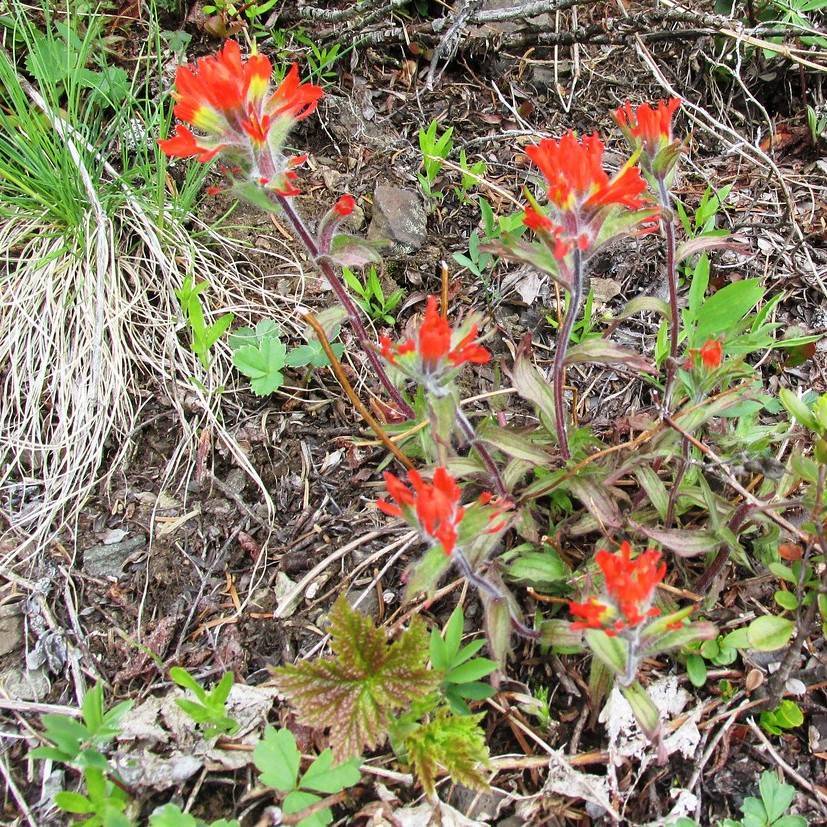
Harsh Paintbrush
Castilleja hispida
Overview
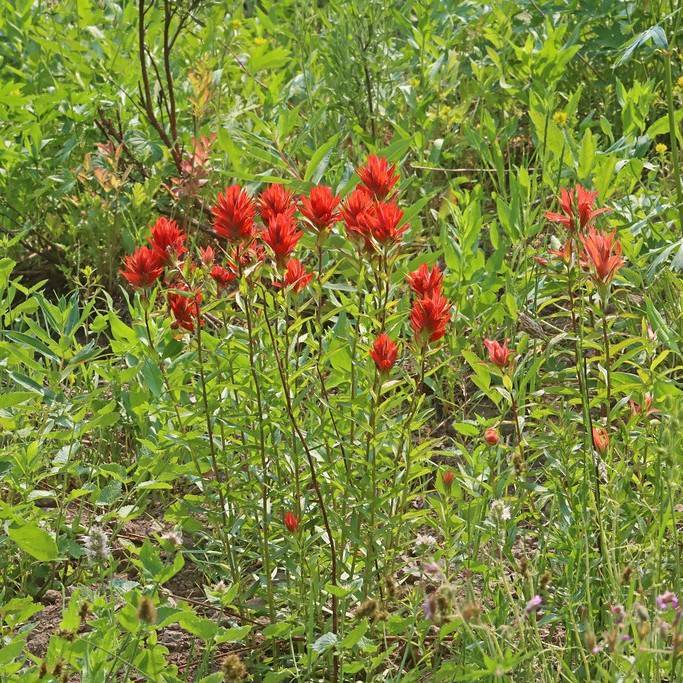
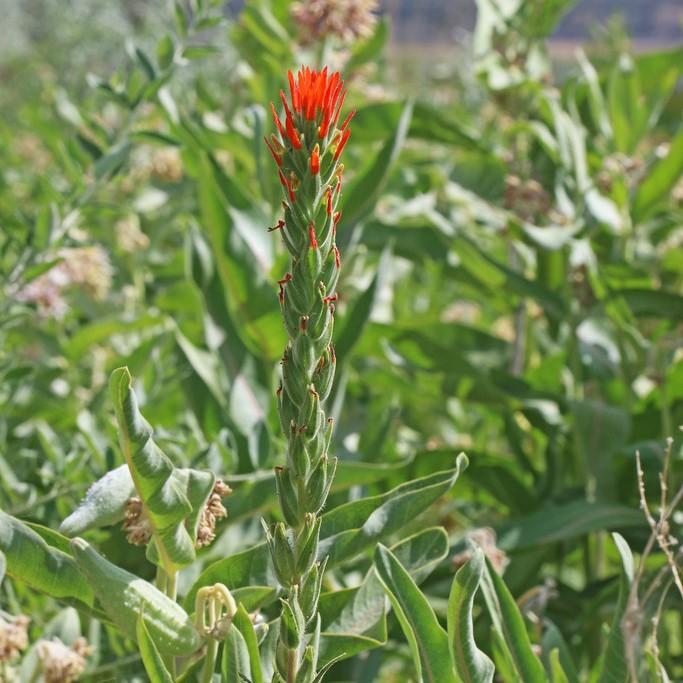
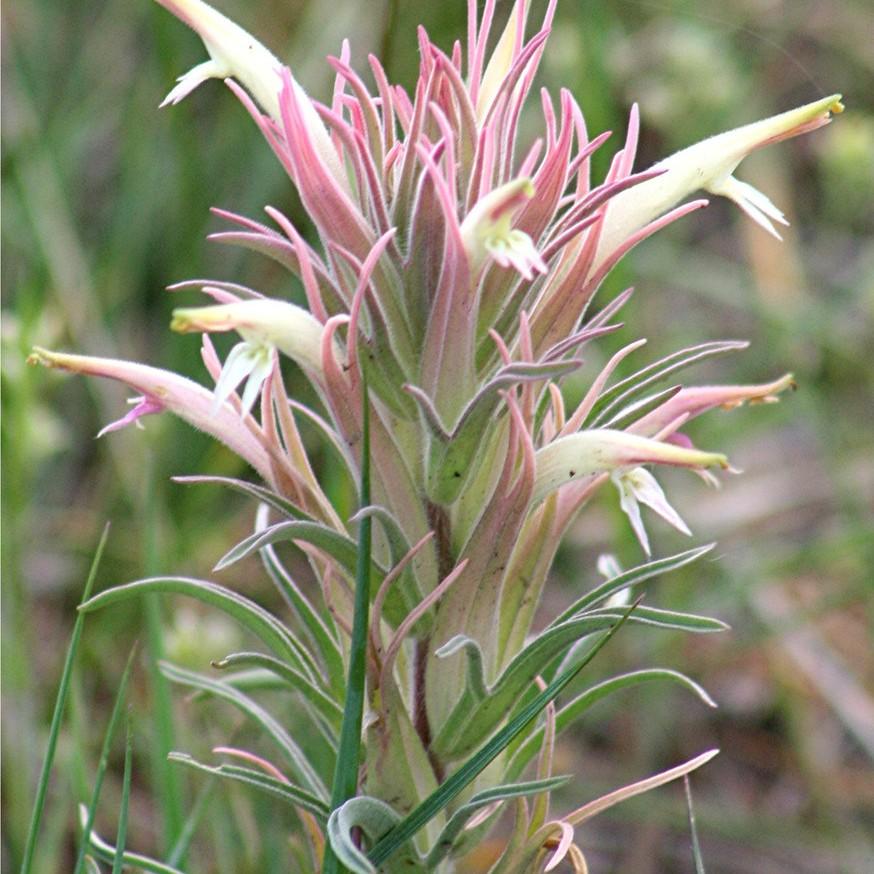
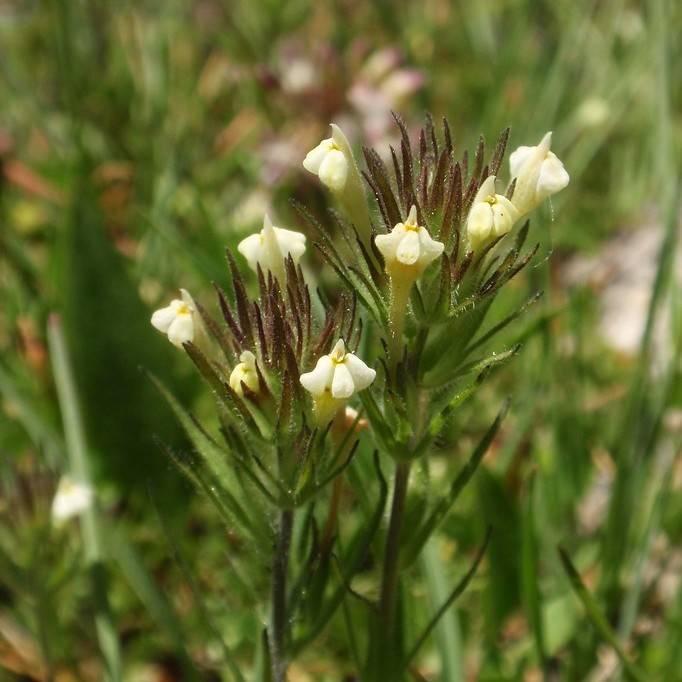
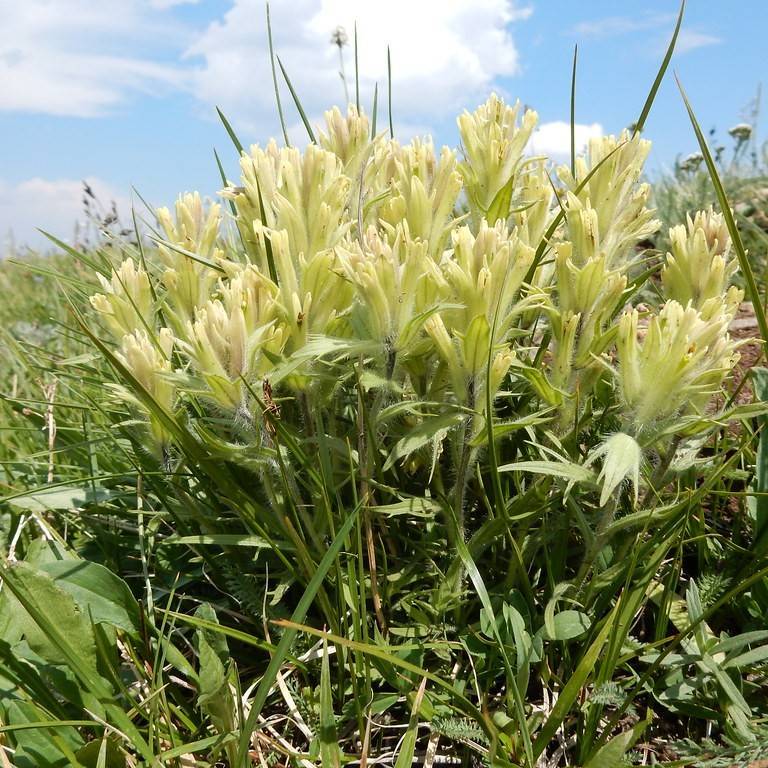
Harsh paintbrush is a hemiparasitic perennial that derives partial nutrients from the roots of neighboring host plants, typically grasses and broadleaf wildflowers. Its common name refers to the stiff, hairy foliage and clustered, brush-tipped red bracts that are often mistaken for petals, while its true flowers are small, tubular, and greenish-yellow. It is a key species in prairie, meadow, and open coniferous woodland ecosystems, supporting native pollinators including hummingbirds and bumblebees.
Care Guide
Watering
Harsh paintbrush prefers consistent, moderate moisture in its growing season, tolerating short dry spells once established but suffering in prolonged saturated soil. Water deeply when the top 2 inches of soil feel dry, reducing frequency in late fall and winter as the plant goes dormant. Avoid overwatering, as this can lead to root rot, especially in areas with poor drainage.
Light
This species thrives in full sun, requiring at least 6 hours of direct sunlight daily to produce its signature vibrant bracts and robust growth. It can tolerate light dappled shade, but plants grown in shadier conditions will be leggier and produce fewer, less colorful bracts. In hotter parts of its native range, partial afternoon shade can prevent foliage scorch during peak summer heat.
Soil
Harsh paintbrush requires well-drained, loamy or sandy soil with a neutral to slightly acidic pH, typical of its native prairie and meadow habitats. It does not perform well in heavy clay soils that hold standing water, as this can damage its shallow, parasitic root system. Presence of compatible host plants (such as Idaho fescue or bluebunch wheatgrass) in the soil is essential for long-term survival.
Fertilizer
Fertilizer is generally not required for harsh paintbrush, as it is adapted to low-nutrient native soils and over-fertilization can harm its parasitic root relationship with host plants. If grown in extremely poor soil, a very light application of low-nitrogen, slow-release fertilizer can be applied once in early spring before new growth emerges. Avoid high-nitrogen fertilizers, as these encourage excessive host plant growth that can outcompete the paintbrush.
Temperature
It is cold-hardy to USDA zones 4 through 8, tolerating winter temperatures as low as -30°F (-34°C) when dormant. It prefers cool to moderate summer temperatures between 60-80°F (15-27°C), and may wilt or go dormant early if exposed to prolonged temperatures above 90°F (32°C) without sufficient moisture. Winter dormancy is a natural part of its life cycle, with top growth dying back completely before re-emerging in spring.
Pruning
Pruning is minimal for harsh paintbrush; spent flower stalks can be cut back to the base of the plant after blooming ends in late summer to prevent self-seeding if desired. Leave any green lower foliage intact through the growing season, as it supports photosynthesis and nutrient storage for the following year’s growth. Cut back all dead, dried foliage to the soil line in late fall or early spring before new growth appears.
Propagation
Harsh paintbrush is most commonly propagated from seed, which requires a 30-60 day cold stratification period to break dormancy before sowing in early spring. Seeds should be sown directly in the area where the plant will grow, alongside seeds of compatible host plants, as transplanting mature plants often damages their sensitive parasitic root systems. Vegetative propagation is not commonly successful, as the plant relies on established root connections to host plants to survive.
Humidity
This species is adapted to the moderate to low humidity levels common in its native western North American habitats, tolerating relative humidity levels between 30-60%. It does not thrive in high-humidity environments, as excess moisture on foliage can increase the risk of fungal leaf spot diseases. Good air circulation around plants is important to reduce humidity buildup around the leaves and stems.
Repotting
Repotting is not recommended for harsh paintbrush, as it is almost exclusively grown outdoors in native plant gardens or wildflower meadows rather than in containers. If attempting to grow in a large container, ensure it is at least 12 inches deep to accommodate both the paintbrush root system and its host plants, and avoid disturbing the root ball once established. Container-grown specimens will need to be replaced every 2-3 years, as the paintbrush will eventually exhaust the host plants in the confined space.
Uses & Symbolism
Harsh paintbrush is a popular addition to native wildflower gardens, pollinator habitats, and restoration projects, as it supports a wide range of native bees and hummingbirds. Its vibrant red bracts make it a striking cut flower for fresh floral arrangements, though it has a relatively short vase life of 3-5 days. Historically, some Indigenous groups of the Pacific Northwest used small amounts of the plant for medicinal purposes, though it is not commonly used today due to the presence of potentially toxic compounds in related Castilleja species.
Diseases & Pests
Harsh paintbrush is relatively resistant to most pests and diseases when grown in its preferred habitat, though it can be susceptible to root rot in poorly drained, overwatered soils. Fungal leaf spot and powdery mildew may occur in high-humidity conditions or when plants are spaced too closely with poor air circulation. Aphids and spider mites may occasionally infest new growth, though they rarely cause significant damage to healthy, established plants.
Related plants
Other plants you might like if you grow Harsh Paintbrush.