Annual Paintbrush
Castilleja indivisa
Overview
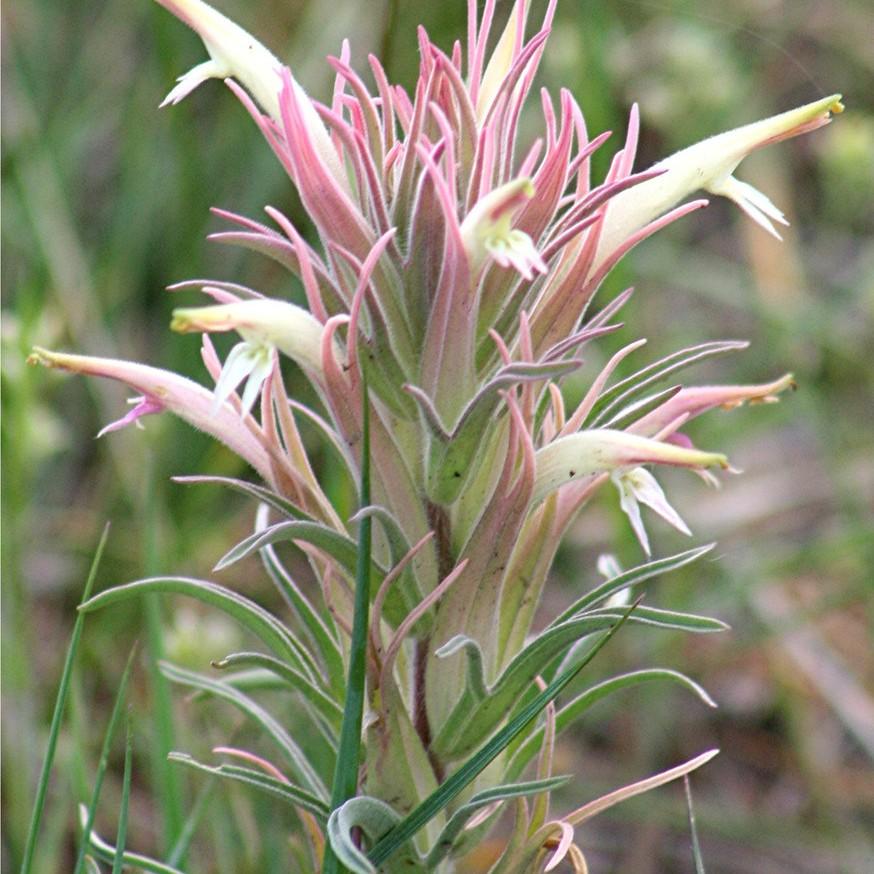
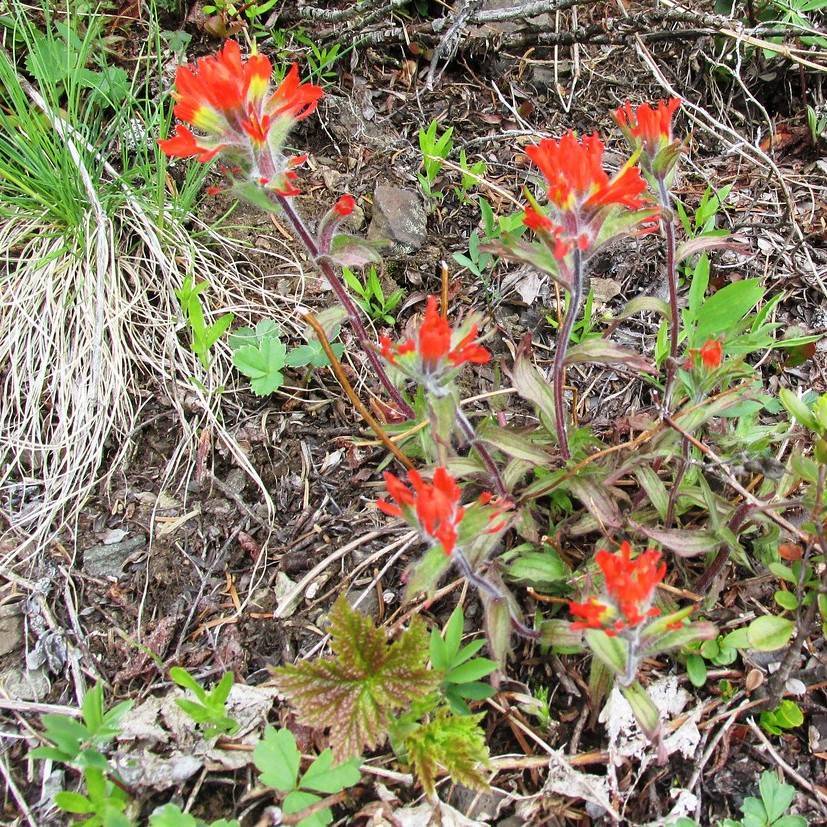
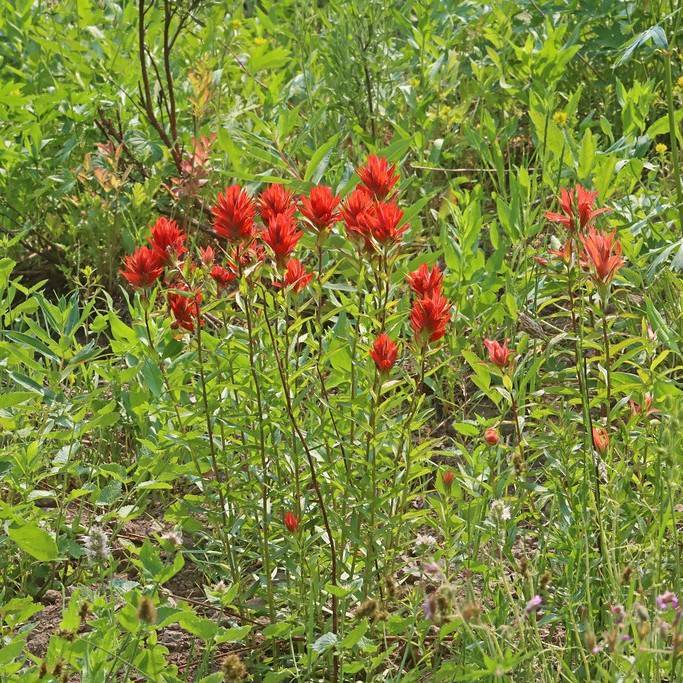
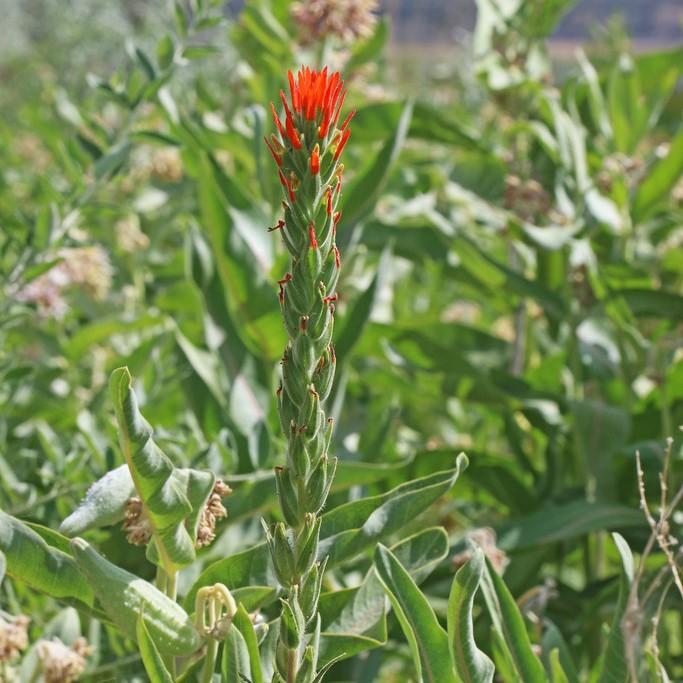
Annual paintbrush, also called Texas paintbrush, is a hemiparasitic plant that obtains partial nutrients from the roots of neighboring grass species. Its iconic red 'flowers' are actually modified bracts surrounding small, inconspicuous greenish-white true flowers, making it a standout in prairie and meadow plantings. It is a key nectar source for native bees, butterflies, and hummingbirds throughout its spring bloom period.
Care Guide
Watering
Annual paintbrush is drought-tolerant once established, requiring only occasional supplemental water during extended dry spells; overwatering will cause root rot and stunted growth. Water newly seeded areas lightly once a week to support germination until seedlings are 2 to 3 inches tall, then reduce frequency to match natural rainfall. Avoid wetting the foliage when watering to lower the risk of fungal diseases.
Light
This species requires full, direct sunlight for a minimum of 6 hours per day to thrive and produce its characteristic bright bracts. It will not grow well in partial or full shade, where it becomes leggy, produces few bracts, and fails to establish successful parasitic root connections with host plants.
Soil
Annual paintbrush prefers well-draining, sandy or loamy soil with a neutral to slightly alkaline pH between 6.5 and 7.5. It cannot tolerate heavy, waterlogged clay soils that retain excess moisture around its shallow root system. Because it is hemiparasitic, soil should support healthy growth of companion host plants such as little bluestem or other native prairie grasses.
Fertilizer
Fertilizer is generally not required for annual paintbrush, as it is adapted to low-nutrient prairie soils and excess nitrogen will reduce its ability to form parasitic root connections with host plants. If growing in extremely poor soil, apply a very light dose of balanced, slow-release fertilizer at seeding time, avoiding high-nitrogen formulas entirely. Over-fertilization will lead to lush foliage growth at the expense of the colorful bracts this plant is grown for.
Temperature
Annual paintbrush thrives in warm spring temperatures between 60 and 85°F (15 and 29°C), and can tolerate light late spring frosts as low as 28°F (-2°C) once established. It is adapted to the warm, continental climate of the southern Great Plains, and will die back once summer temperatures regularly exceed 95°F (35°C) after completing its seeding cycle. Seeds require a 30 to 60 day cold stratification period at temperatures between 33 and 41°F (1 and 5°C) to germinate successfully.
Pruning
Pruning is rarely needed for annual paintbrush, but spent flower stalks can be trimmed back after blooming if you wish to prevent self-seeding in your garden. If supporting natural meadow regeneration, leave stalks intact through late summer to allow seeds to mature and disperse naturally for the following year's growth. Remove any yellowed or diseased foliage promptly to prevent the spread of pathogens to neighboring plants.
Propagation
Annual paintbrush is exclusively propagated from seed, which should be sown directly outdoors in late fall to allow natural cold stratification over winter, or stratified artificially in a refrigerator for 30 to 60 days before spring sowing. Seeds must be sown in close proximity to suitable host grass species, as seedlings will die within a few weeks if they cannot form parasitic root connections with a host plant. Surface sow seeds by pressing them lightly into the soil, as they require light to germinate; do not cover with more than 1/8 inch of soil.
Humidity
This species tolerates a wide range of humidity levels, from the arid conditions of western Texas prairies to the more humid climate of Louisiana grasslands. It does not require supplemental humidity, and excessive high humidity combined with poor air circulation can increase the risk of foliar fungal diseases. Ensure plantings have adequate spacing to promote good air flow around foliage, especially in more humid growing regions.
Repotting
Repotting is not applicable for annual paintbrush, as it is almost exclusively grown directly in outdoor garden beds or meadow plantings and has a delicate root system that does not tolerate transplanting well. If starting seeds in containers for transplant, use biodegradable pots that can be planted directly into the soil to avoid disturbing the root system and damaging parasitic connections with host grasses grown in the same container. Avoid moving established plants, as they rarely survive transplant shock due to their intertwined root systems with host plants.
Uses & Symbolism
Annual paintbrush is a popular addition to native wildflower meadows, prairie restorations, and pollinator gardens, where it provides vibrant spring color and supports a wide range of native beneficial insect and hummingbird species. It is frequently used in roadside beautification plantings across the southern U.S. due to its low maintenance requirements and drought tolerance. It is also grown as a cut flower for fresh arrangements, though its hemiparasitic nature makes it unsuitable for commercial greenhouse production.
Diseases & Pests
Annual paintbrush is relatively pest and disease resistant when grown in its preferred conditions, but root rot can occur in heavy, poorly draining soil or if overwatered. Fungal leaf spots and powdery mildew may develop in areas with high humidity, poor air circulation, or prolonged wet foliage. Aphids and spider mites may occasionally infest stressed plants, though these are rarely severe and can be controlled with insecticidal soap or natural predator populations.
Related plants
Other plants you might like if you grow Annual Paintbrush.