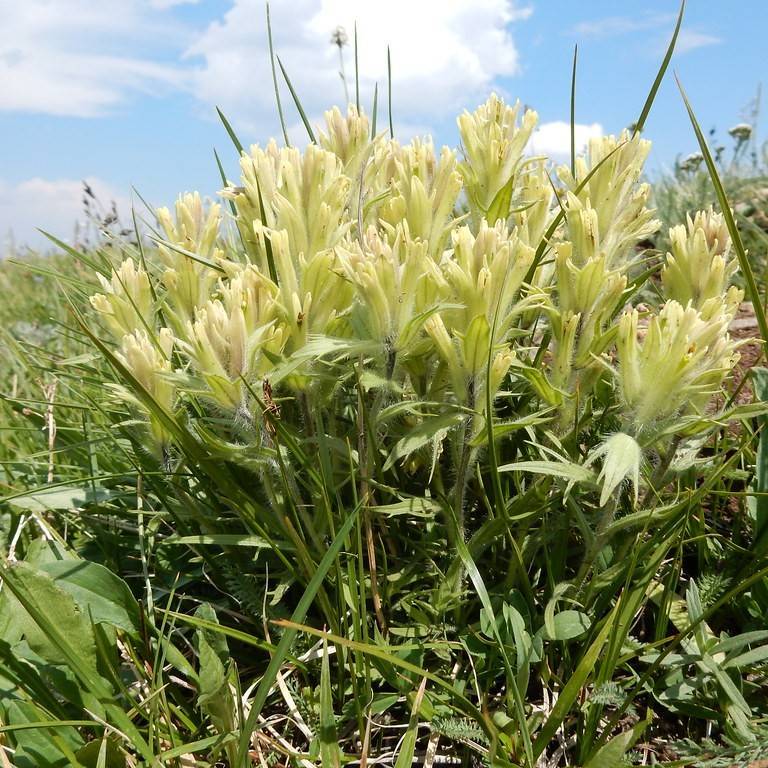
Cusick's Indian Paintbrush
Castilleja cusickii
Overview
Cusick's Indian Paintbrush is a hemiparasitic perennial that obtains partial nutrients from the roots of adjacent host plants, typically sagebrush species. Its colorful, petal-like bracts surrounding tiny, inconspicuous green flowers make it a standout in native wildflower plantings, supporting specialist pollinators including bumblebees and hummingbirds. It is named for 19th-century American botanist William Conklin Cusick, who extensively documented flora of the Pacific Northwest.
Care Guide
Watering
Water regularly during the first growing season to establish deep roots, then reduce frequency to match its native dry, well-drained habitat, avoiding overwatering that causes root rot. Drought-tolerant once established, requiring only occasional supplemental water during extended summer dry periods in cultivated settings.
Light
Thrives in full sun exposure, requiring at least 6 hours of direct sunlight daily to produce its signature colorful bracts and healthy growth. Can tolerate very light, dappled shade, but may produce fewer flowers and lankier stems in low-light conditions.
Soil
Requires well-drained, gravelly or sandy loam soil with low to moderate fertility, mimicking its native high-elevation sagebrush habitat. Tolerates neutral to slightly alkaline pH levels, and will not survive in heavy, waterlogged clay soils that retain excess moisture around the roots.
Fertilizer
Needs very little supplemental fertilization, as high nutrient levels can hinder its ability to form parasitic connections with host plants. If desired, apply a very dilute, low-nitrogen fertilizer once annually in early spring, avoiding over-fertilization that promotes excessive foliage growth at the expense of flowers.
Temperature
Adapted to cold, high-elevation climates, tolerating winter temperatures as low as -30°F (-34°C) and thriving in regions with cool spring and mild summer conditions. Does not perform well in hot, humid climates, where prolonged temperatures above 90°F (32°C) can cause stress and premature dieback.
Pruning
Deadhead spent flower spikes after blooming if you wish to prevent self-seeding, though allowing it to reseed supports natural colony expansion in native gardens. Cut back dead foliage to ground level in late fall or early spring to make space for new growth and reduce overwintering pest habitat.
Propagation
Most reliably propagated from seed, which requires a 3-month cold stratification period to break dormancy, and must be sown near compatible host plants (typically Artemisia species) for successful establishment. Vegetative propagation is not commonly successful, as the plant’s root system is tightly integrated with its host’s roots, making division difficult.
Humidity
Prefers low to moderate humidity levels typical of its native semi-arid western North American habitats, tolerating dry air very well. High humidity above 60% for prolonged periods can increase risk of foliar fungal diseases, so ensure good air circulation around plants in more humid growing areas.
Repotting
Rarely grown in containers, as its hemiparasitic root system requires close proximity to host plants to thrive, making container cultivation impractical for long-term growth. If temporarily potted for transplant, use a fast-draining native plant mix, and plant in the ground as soon as possible adjacent to a compatible sagebrush host.
Uses & Symbolism
A popular addition to native wildflower gardens, xeriscapes, and pollinator habitats, where it supports specialist bees and hummingbirds. It is sometimes used in ecological restoration projects for high-elevation semi-arid sites to stabilize soil and support native insect and wildlife communities.
Diseases & Pests
Susceptible to root rot when grown in poorly drained, overly moist soils, which can kill the plant quickly if not addressed. May occasionally develop powdery mildew or rust fungal diseases in conditions of high humidity and poor air circulation, and can be affected by aphids that feed on tender new stem growth.
Related plants
Other plants you might like if you grow Cusick's Indian Paintbrush.
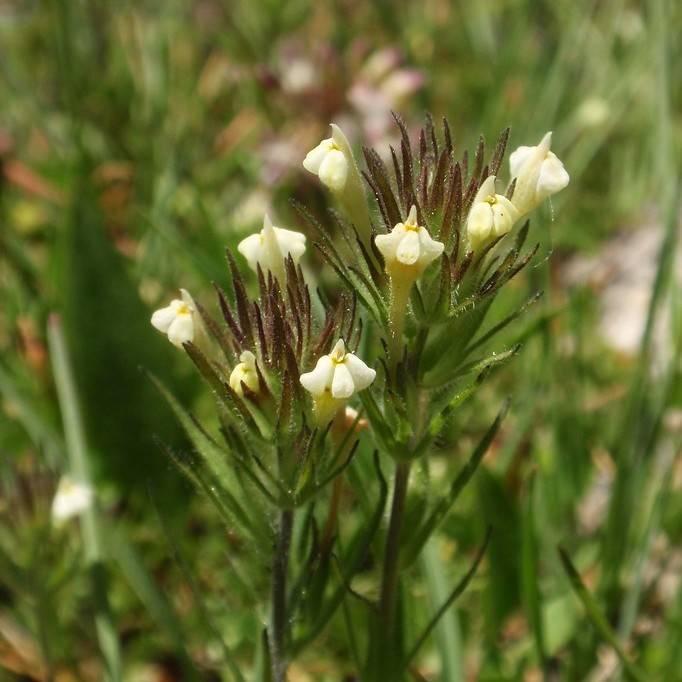
Hairy Owl's Clover
Castilleja tenuis
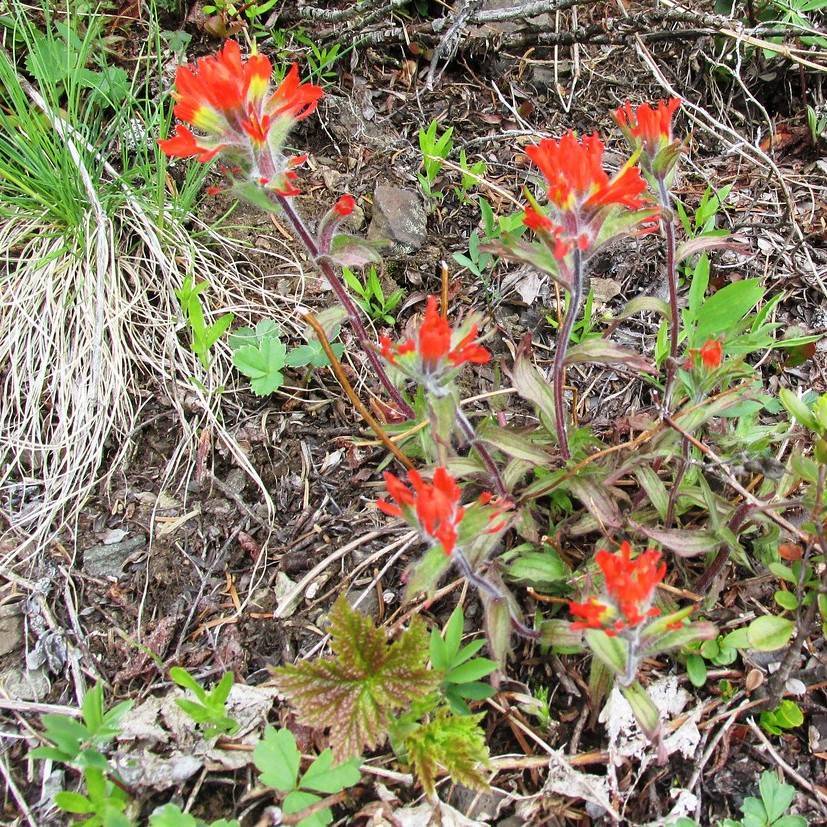
Harsh Paintbrush
Castilleja hispida
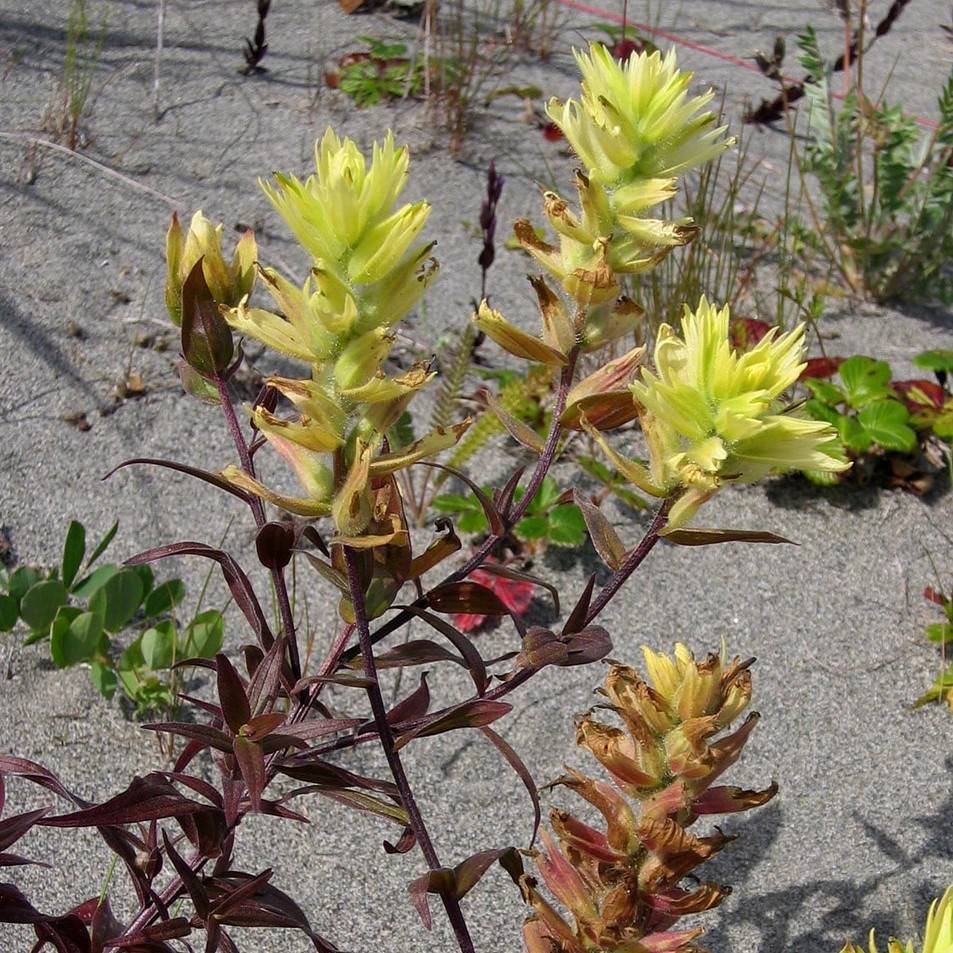
Alaska Indian Paintbrush
Castilleja unalaschcensis
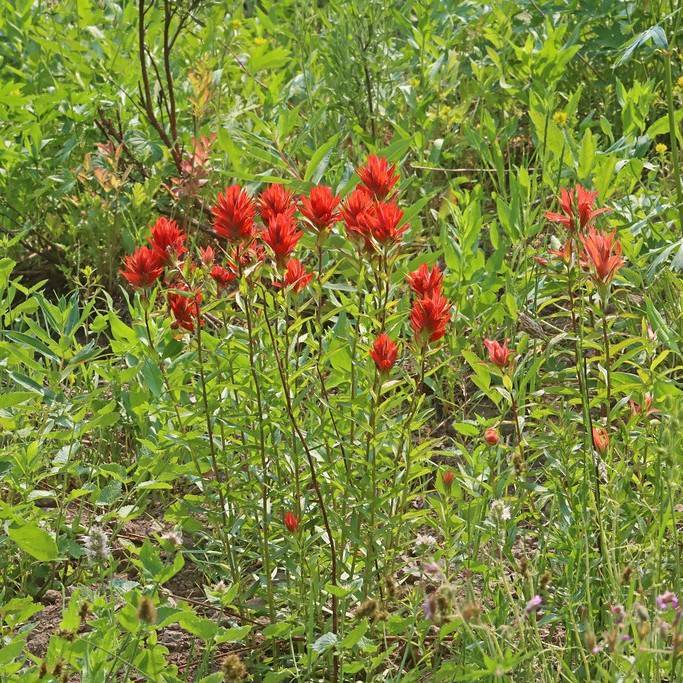
Giant Red Indian Paintbrush
Castilleja miniata
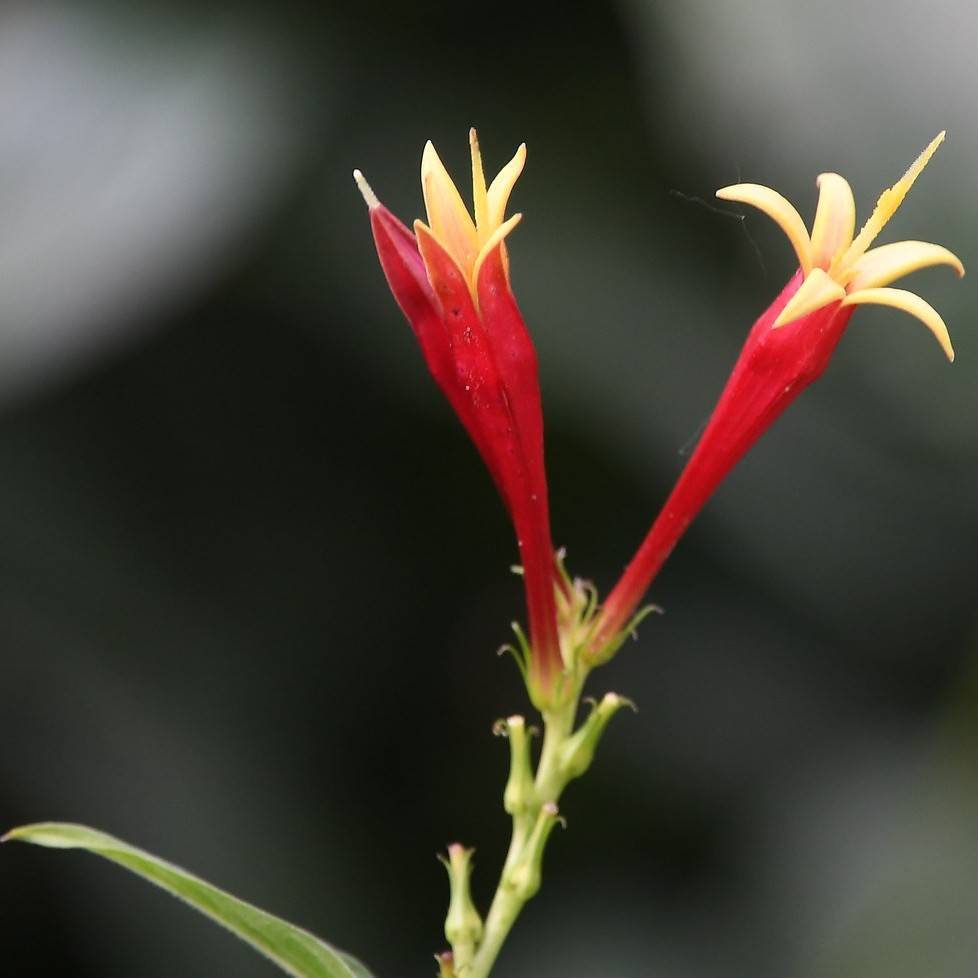
Indian Pink
Spigelia marilandica
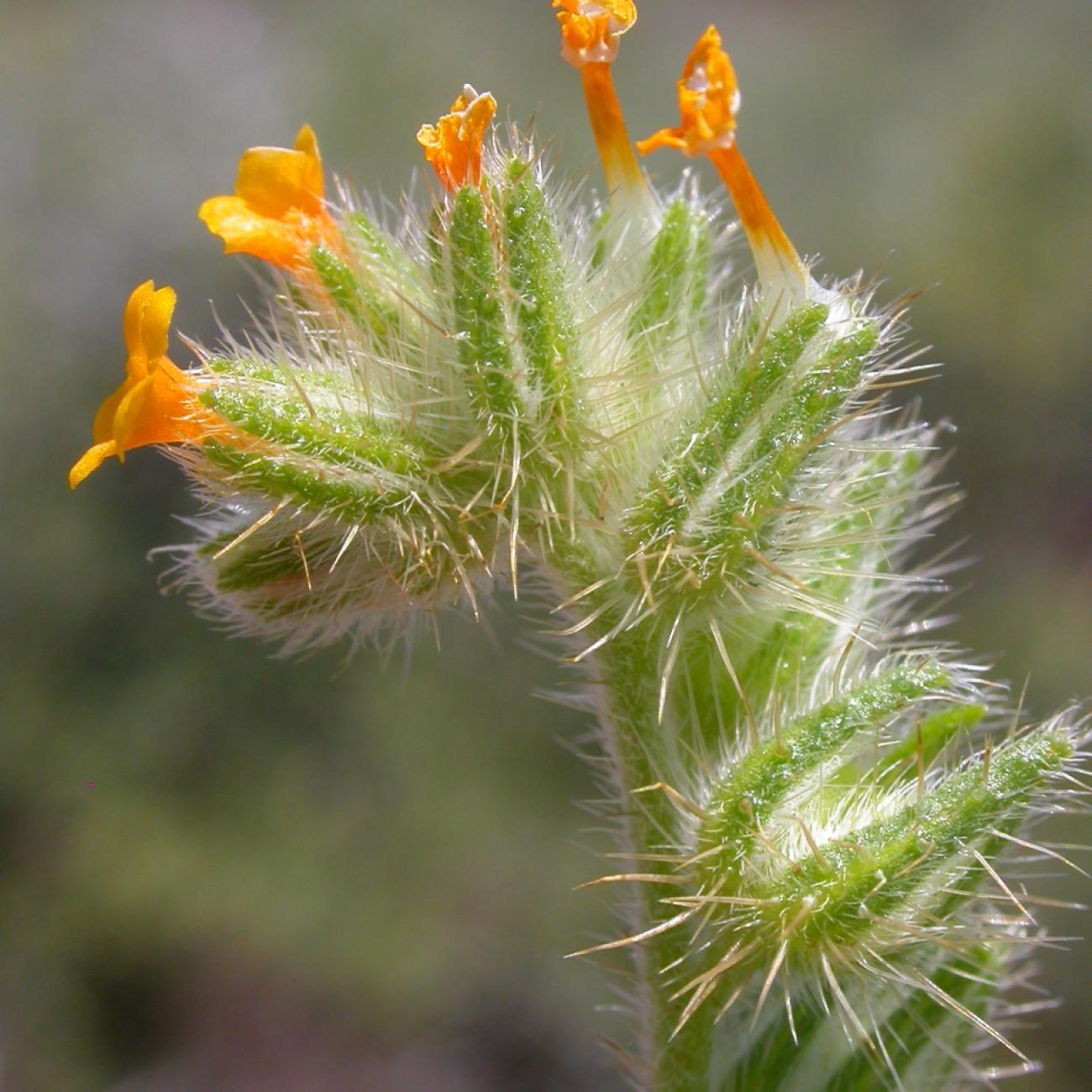
Bugloss Fiddleneck
Amsinckia tessellata
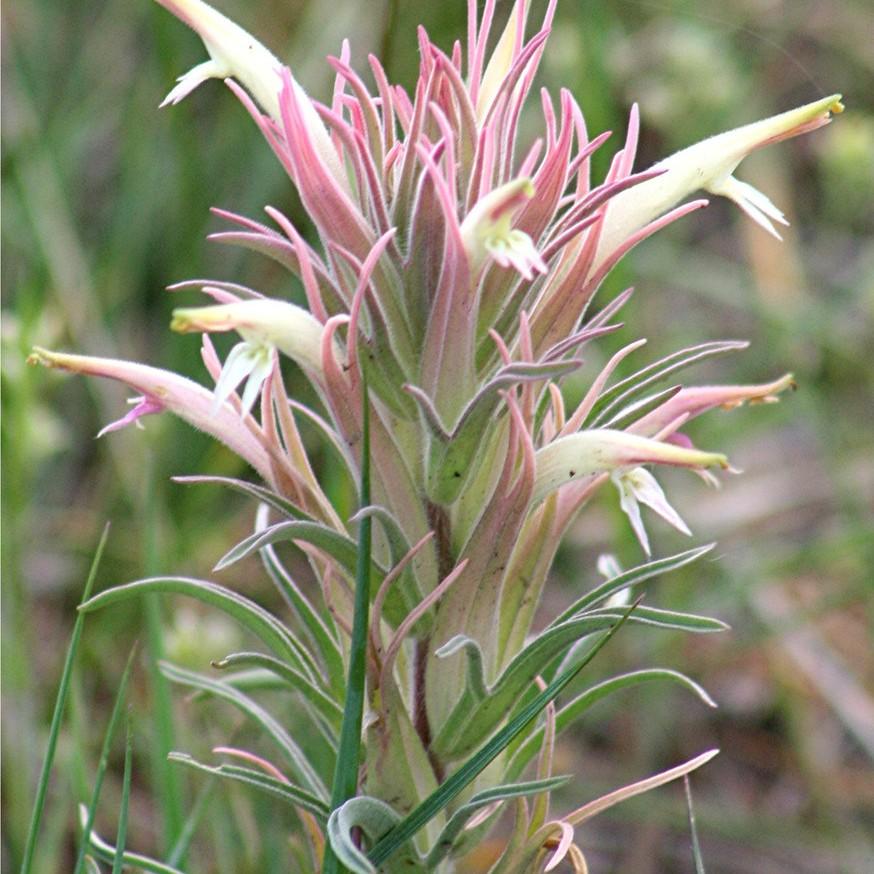
Downy Paintbrush
Castilleja sessiliflora
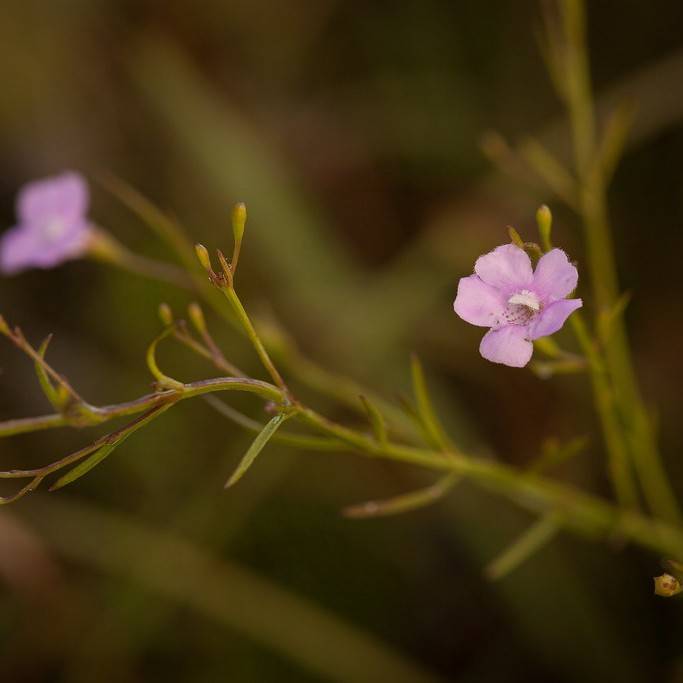
Gattinger's Agalinis
Agalinis gattingeri