Downy Paintbrush
Castilleja sessiliflora
Overview
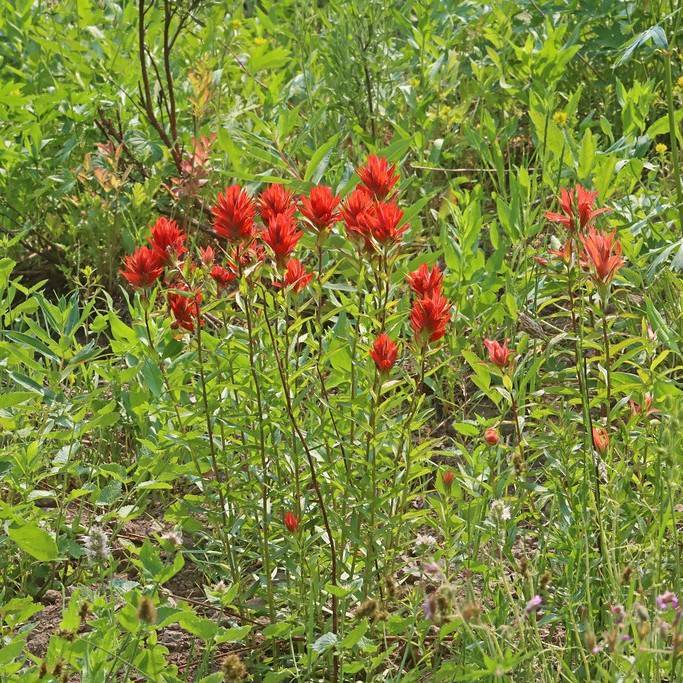
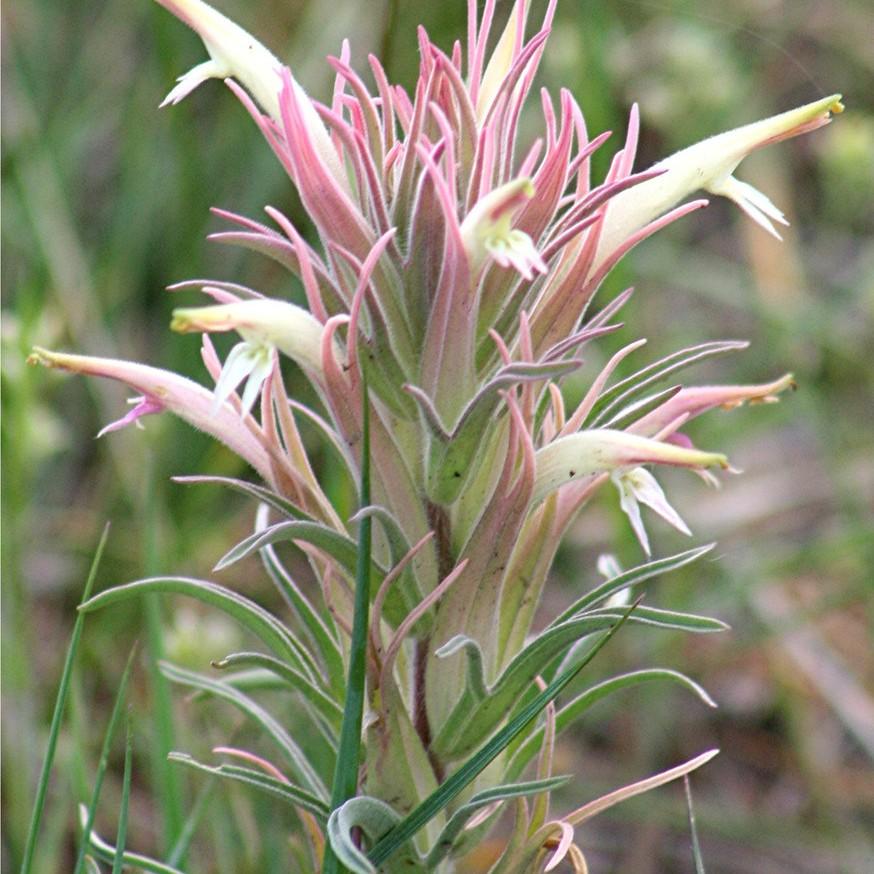
Downy Paintbrush is a hemiparasitic plant, meaning it produces its own chlorophyll but also taps into the roots of nearby host plants, typically grasses, to obtain additional nutrients. It is distinguished by its dense covering of soft, whitish hairs across all foliage, and its elongated flower spikes with bracts that are often tinged pink or purple at the tips. This species is adapted to dry, open prairie and savanna habitats, playing a key role in supporting native pollinators including bumblebees and hummingbirds.
Care Guide
Watering
Downy Paintbrush is drought-tolerant once established, requiring only occasional watering during extended periods of dry, hot weather. Overwatering, especially in heavy, poorly draining soils, can lead to root rot and plant death, so allow the top several inches of soil to dry out completely between waterings. Newly planted specimens may need light, regular watering for the first 1-2 growing seasons to support root establishment, but reduce frequency as the plant matures.
Light
This species thrives in full, direct sunlight, requiring a minimum of 6 hours of unobstructed sun per day to produce healthy foliage and abundant blooms. It can tolerate very light, dappled shade for a portion of the day, but prolonged shade will reduce flowering and cause weak, leggy growth that is more prone to pest and disease issues. For indoor cultivation, if attempted, place it in a south-facing window with consistent direct sun, and supplement with grow lights if natural light is insufficient.
Soil
Downy Paintbrush prefers well-draining, sandy or loamy soils with a neutral to slightly alkaline pH, typical of its native prairie habitats. It will not survive in heavy, compacted clay soils or sites with standing water, as its delicate root system is highly susceptible to rot in saturated conditions. When planting, avoid amending soil with high-nutrient compost or manure, as overly rich soils can reduce its ability to form necessary parasitic connections with host grasses.
Fertilizer
This species does not require regular fertilization, as it is adapted to low-nutrient prairie soils and obtains many of its required nutrients from its host plants. Excess nitrogen or synthetic fertilizers can damage its root system, disrupt its parasitic relationship with host grasses, and cause excessive leaf growth at the expense of flowering. If planted in extremely poor, nutrient-depleted soil, a single light application of a low-nitrogen, slow-release fertilizer in early spring is sufficient to support healthy growth.
Temperature
Downy Paintbrush is highly cold-hardy, tolerating winter temperatures as low as -40°F (-40°C) in USDA hardiness zones 3 through 8. It thrives in warm summer temperatures between 65-85°F (18-29°C), and can tolerate short periods of extreme heat above 100°F (38°C) as long as it has access to occasional moisture. It requires a period of cold winter dormancy to resprout successfully the following growing season, so it is not suitable for regions with consistently warm, frost-free climates.
Pruning
Pruning is minimal for Downy Paintbrush; simply snip off spent flower spikes after blooming is complete in late summer if you wish to prevent self-seeding and maintain a tidy appearance. You may also cut back any dead, brown foliage in late winter or early spring before new growth emerges to make space for fresh shoots. Avoid heavy pruning of green foliage during the growing season, as this can reduce the plant’s ability to photosynthesize and obtain nutrients from host roots.
Propagation
Downy Paintbrush is most reliably propagated from seed, which requires a 30-60 day period of cold stratification to break dormancy before sowing. Seeds should be sown directly outdoors in late fall or early spring, ideally in the presence of suitable host plants such as little bluestem or other native prairie grasses, to allow seedlings to form necessary parasitic root connections shortly after germination. Vegetative propagation is not recommended, as the plant’s root system is delicate and highly integrated with host roots, making division difficult and rarely successful.
Humidity
This species is adapted to the moderate to low humidity levels common to its native prairie habitats, tolerating relative humidity levels as low as 30% without issue. It does not require misting or supplemental humidity, and high humidity above 70% for extended periods can increase the risk of foliar fungal diseases such as powdery mildew. Ensure plants have adequate spacing between them to promote good air circulation, which helps reduce excess moisture around foliage and prevent disease.
Repotting
Downy Paintbrush is rarely grown in containers, as its parasitic root system requires close proximity to host grass roots that thrive in open, in-ground prairie conditions. If container cultivation is attempted, use a very large, deep pot with a fast-draining sandy soil mix, and plant it alongside compatible host grasses to support its nutrient needs. Repot only if the plant becomes severely root-bound, and take extreme care not to damage the delicate root connections between the paintbrush and its host plants during the process.
Uses & Symbolism
Downy Paintbrush is a popular addition to native prairie restoration projects and pollinator gardens, providing a critical nectar source for bumblebees, hummingbirds, and native solitary bees. It is also used in xeriscaping and low-water landscaping designs for its drought tolerance and unique, visually interesting flower spikes that add texture to naturalistic plantings. While some Indigenous communities historically used parts of closely related Castilleja species for medicinal purposes, Downy Paintbrush is not widely cultivated for culinary or medicinal use due to its parasitic growth habit and lack of well-documented safe applications.
Diseases & Pests
Downy Paintbrush is relatively pest and disease resistant when grown in its preferred habitat, but can be susceptible to root rot if planted in poorly draining soils or overwatered. Foliar fungal diseases such as powdery mildew and rust may occur in areas with high humidity or poor air circulation, especially if plants are crowded or grown in excessive shade. Aphids and spider mites may occasionally infest new growth, but these can be controlled with insecticidal soap or by encouraging natural predators such as lady beetles in the garden.
Related plants
Other plants you might like if you grow Downy Paintbrush.
%22%2F%3E%0A%20%20%20%20%20%20%3Ccircle%20cx%3D%22920%22%20cy%3D%22180%22%20r%3D%2290%22%20fill%3D%22%23cfe8d5%22%2F%3E%0A%20%20%20%20%20%20%3Cpath%20d%3D%22M600%20590c-90-180-215-255-310-280%200%20165%20118%20296%20270%20296h40z%22%20fill%3D%22%2379b88e%22%2F%3E%0A%20%20%20%20%20%20%3Cpath%20d%3D%22M600%20590c80-150%20198-212%20302-228-8%20142-123%20255-270%20255h-32z%22%20fill%3D%22%235c9f73%22%2F%3E%0A%20%20%20%20%20%20%3Cpath%20d%3D%22M600%20610V360%22%20stroke%3D%22%234f8c64%22%20stroke-width%3D%2218%22%20stroke-linecap%3D%22round%22%2F%3E%0A%20%20%20%20%20%20%3Ctext%20x%3D%22600%22%20y%3D%22700%22%20text-anchor%3D%22middle%22%20font-family%3D%22Arial%2C%20sans-serif%22%20font-size%3D%2244%22%20fill%3D%22%23365c45%22%3E%0A%20%20%20%20%20%20%20%20Plant%20image%20coming%20soon%0A%20%20%20%20%20%20%3C%2Ftext%3E%0A%20%20%20%20%3C%2Fsvg%3E%0A%20%20)