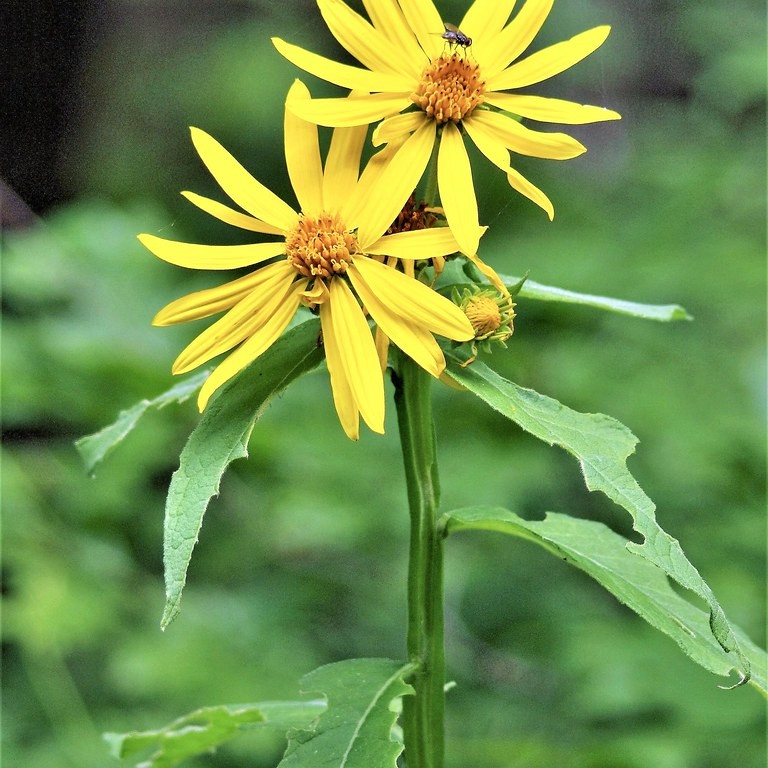
Crown Beard
Verbesina occidentalis
Overview
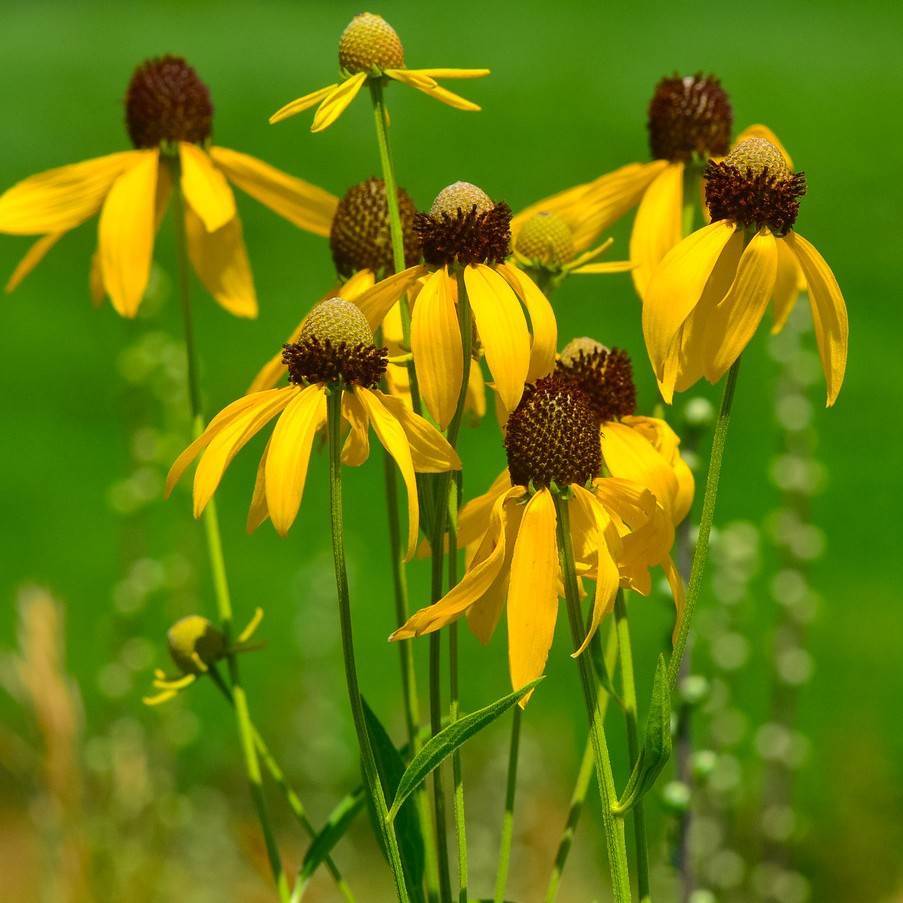
Crown beard, also called yellow crownbeard, is a herbaceous perennial native to meadows, woodland edges, and roadside habitats across eastern North America. It produces upright, branching stems lined with large, coarse, ovate leaves, topped in late summer with dense, flat-topped clusters of bright yellow composite flowers. This hardy, adaptable plant is valued for its ability to thrive in disturbed soils and its role as a high-value nectar source for native bees, butterflies, and beneficial insects.
Care Guide
Watering
Crown beard is highly drought-tolerant once established, requiring only occasional deep watering during extended periods of extreme heat or dryness. Young plants need regular, moderate moisture to develop strong root systems, but avoid overwatering, as soggy soil can cause root rot. It naturally adapts to the rainfall patterns of its native range, requiring little supplemental irrigation in most temperate climates.
Light
This species grows best in full sun, which promotes sturdy, upright growth and maximum flower production. It can tolerate partial shade, though plants may become leggy, produce fewer blooms, and require staking to prevent flopping in low-light conditions. Avoid heavily shaded sites, as these will lead to sparse foliage and poor flowering performance.
Soil
Crown beard is extremely adaptable to a wide range of soil types, including poor, rocky, clay, and disturbed soils that are low in nutrients. It prefers well-drained soil with a neutral to slightly acidic pH, but can tolerate mildly alkaline conditions as well. It will not survive in consistently waterlogged, poorly aerated soils.
Fertilizer
This low-maintenance wildflower rarely requires fertilization, as it thrives in low-nutrient soils. Over-fertilization will lead to excessive, weak foliage growth and reduced flowering, as well as increased risk of the plant flopping over. If grown in extremely poor soil, a single light application of balanced, slow-release fertilizer in early spring is sufficient.
Temperature
Crown beard is hardy in USDA zones 5 through 9, tolerating winter temperatures as low as -20°F (-29°C) without protection. It thrives in warm summer temperatures typical of its native range, and can withstand both high heat and occasional light frosts in early fall. Extended periods of temperatures above 100°F (38°C) may cause temporary leaf wilting, but plants will recover once conditions cool.
Pruning
Prune back the entire plant to 6-12 inches above the ground in late winter or early spring before new growth emerges, to encourage fresh, vigorous foliage and abundant blooms. Deadhead spent flower clusters if you wish to prevent self-seeding, though leaving seed heads provides food for songbirds through the winter. If plants become leggy in partial shade, you can pinch back stems in early summer to encourage bushier growth and reduce the need for staking.
Propagation
Crown beard is most easily propagated by collecting and sowing ripe seeds in fall directly outdoors, as the seeds require a period of cold stratification to germinate successfully. It can also be propagated by root division in early spring, before new growth begins, by digging up mature clumps and separating them into smaller sections with healthy roots and growing points. Cuttings taken from young, soft stem tips in late spring or early summer will also root reliably in moist, well-drained potting mix.
Humidity
This species adapts well to the average humidity levels of its native North American range, tolerating both humid summer conditions and drier periods in inland regions. It has no special humidity requirements, and will not thrive in consistently high-humidity tropical environments with poor air circulation. Good air movement around the foliage helps prevent foliar fungal diseases in particularly humid climates.
Repotting
Crown beard is rarely grown in containers, as its large size and deep root system make it better suited for in-ground landscape planting. If grown in a large pot, repot every 2-3 years in early spring, using a well-drained, loamy potting mix and upgrading to a container at least 2 inches larger in diameter than the previous one. Ensure the container has ample drainage holes to prevent waterlogging, which can quickly kill the plant.
Uses & Symbolism
Crown beard is widely used in native plant gardens, pollinator habitats, meadow restorations, and naturalized landscapes to support local beneficial insect populations. Its tall, upright growth habit makes it an excellent background plant in mixed perennial borders, and its dried seed heads provide winter food for native songbirds including finches and sparrows. Historically, some Indigenous North American communities used parts of the plant to make topical remedies for minor skin irritations.
Diseases & Pests
Crown beard is largely pest and disease resistant, with no major common issues when grown in appropriate conditions. Poor drainage and overwatering can lead to root rot, while extended periods of high humidity with poor air circulation may cause mild powdery mildew or leaf spot on foliage. Aphids and spider mites may occasionally infest stressed plants, but can be controlled with a strong spray of water or insecticidal soap.
Related plants
Other plants you might like if you grow Crown Beard.