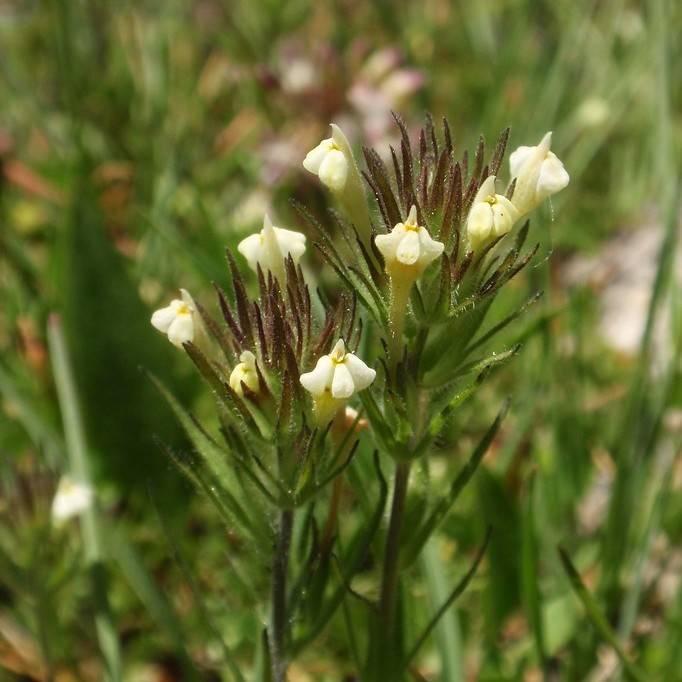
Hairy Owl's Clover
Castilleja tenuis
Overview
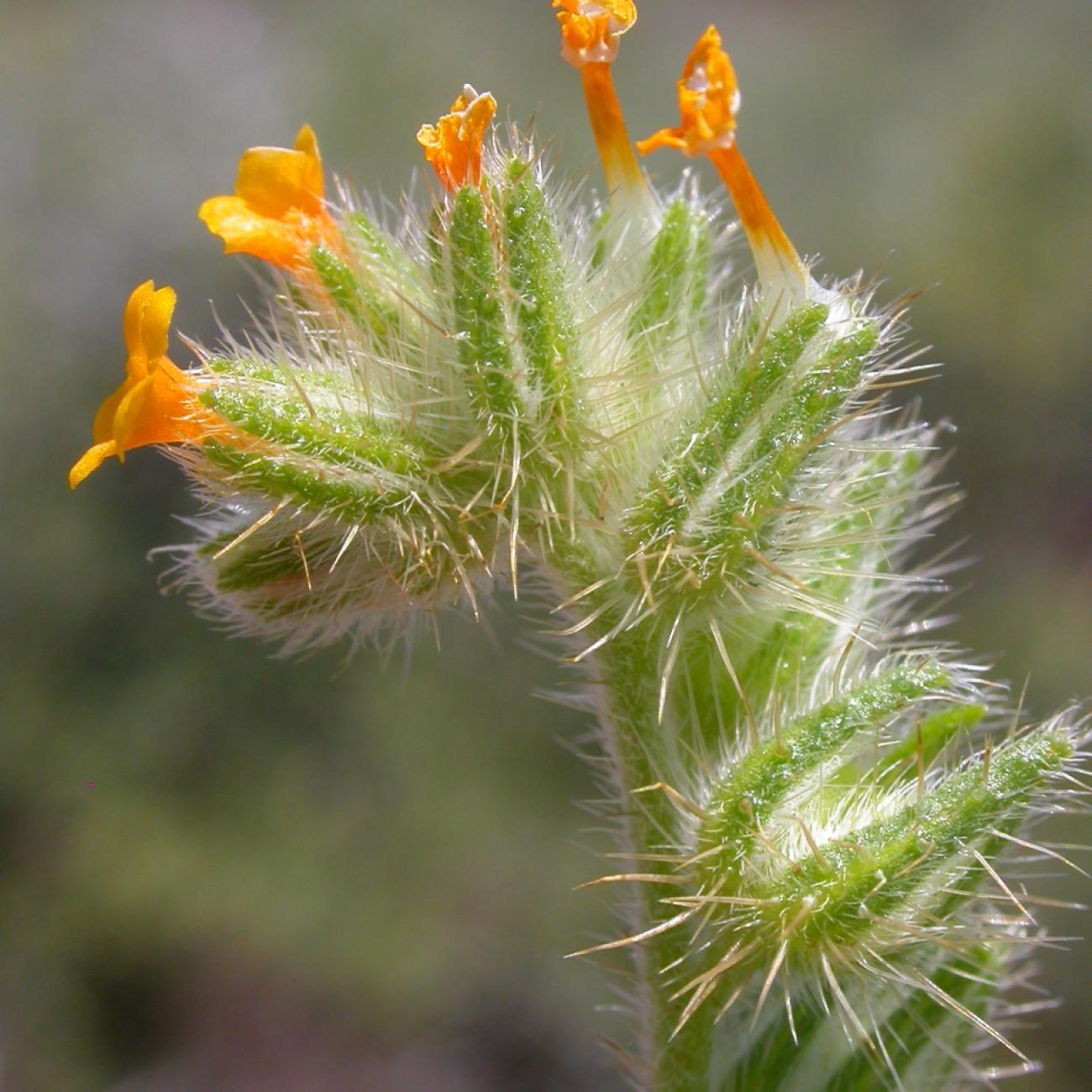
Hairy Owl's Clover is a partially parasitic wildflower that draws some nutrients from the roots of nearby host plants, typically grasses, while also producing its own energy via photosynthesis. It is named for its fine, fuzzy, glandular hairs covering stems and leaves, and its dense, club-shaped flower spikes that resemble clover heads at early growth stages. It thrives in open, sunny grasslands, meadows, and chaparral habitats, often appearing in areas that have experienced recent wildfire.
Care Guide
Watering
Hairy Owl's Clover prefers consistent, moderate moisture during its germination and early growth stages, requiring about 1 inch of water weekly in the absence of rain. Once established, it is relatively drought-tolerant, only needing supplemental water during extended periods of extreme heat or dryness. Overwatering will cause root rot, so avoid letting soil stay saturated for long periods.
Light
This species requires full, direct sunlight for at least 6 to 8 hours per day to thrive and produce abundant blooms. It will not grow well in shaded conditions, with insufficient light leading to weak, leggy growth and reduced flowering. It is well-adapted to the intense sunlight of its native western North American grassland habitats.
Soil
Hairy Owl's Clover grows best in well-drained, sandy or loamy soil with a neutral to slightly acidic pH between 6.0 and 7.5. It can tolerate poor, low-nutrient soils due to its hemiparasitic nature, which allows it to draw supplemental nutrients from host plant roots. Heavy, waterlogged clay soils will quickly cause root damage and plant death.
Fertilizer
Fertilization is generally unnecessary for Hairy Owl's Clover, as it is adapted to low-nutrient wildland soils and relies partially on host plants for nutrients. Over-fertilization, especially with high-nitrogen products, will reduce its ability to form parasitic root connections to host plants, leading to weak growth and early decline. If grown in extremely nutrient-poor soil, a single application of a balanced, low-nitrogen fertilizer in early spring is sufficient.
Temperature
This annual is adapted to the temperate climate of western North America, thriving in daytime temperatures between 60 and 85°F (15 to 29°C) during its active growing season. It can tolerate light, short-duration frosts in early spring and late fall, but hard freezes will kill the plant. It performs poorly in extreme, sustained heat above 95°F (35°C), which will cause premature wilting and seed set.
Pruning
Hairy Owl's Clover requires minimal pruning; spent flower spikes can be deadheaded if you wish to prevent self-seeding in garden settings. If you want to encourage natural reseeding for the following growing season, leave dried flower heads intact at the end of the season to release their seeds. Cut back dead stems at the end of the growing season once the plant has completed its life cycle and dried out fully.
Propagation
Hairy Owl's Clover is most commonly propagated from seed, sown directly outdoors in late fall or early spring, as seeds require a period of cold stratification to germinate successfully. For best results, sow seeds in an area that already has compatible host grasses, as the seedlings need to form parasitic root connections to establish properly. Seeds germinate within 2 to 4 weeks after soil temperatures warm in spring, and no special pre-treatment is needed if sown in fall to overwinter.
Humidity
This wildflower prefers moderate to low humidity levels, matching the dry to semi-arid conditions of its native grassland and chaparral habitats. It can tolerate average outdoor humidity levels in its growing range, but high, prolonged humidity above 70% will increase the risk of fungal leaf spot and powdery mildew infections. It is not suited to growing in high-humidity indoor or tropical environments.
Repotting
Hairy Owl's Clover is rarely grown in containers, as its hemiparasitic root system requires access to host plant roots to thrive, making it poorly suited to pot culture. If grown in a large container with compatible host grasses, it will not require repotting during its single-season lifespan, as it completes its entire life cycle in one growing season. Avoid transplanting established plants, as their delicate root connections to host plants will be damaged, leading to rapid death.
Uses & Symbolism
Hairy Owl's Clover is frequently used in native wildflower meadow restoration projects and pollinator gardens, as its blooms provide nectar for native bees, butterflies, and hummingbirds. It is also valued for its ability to colonize disturbed or recently burned sites, helping to stabilize soil and support the recovery of native plant communities. Some Indigenous groups of the Pacific Northwest historically used small amounts of the plant for medicinal purposes, though its toxicity makes consumption unsafe without expert preparation.
Diseases & Pests
Hairy Owl's Clover is relatively resistant to most pests, but it can be susceptible to fungal infections including powdery mildew and leaf spot during periods of high humidity or poor air circulation. Aphids and spider mites may occasionally feed on its soft, young foliage, especially during extended dry, warm periods. Root rot is the most common issue for cultivated plants, caused by overwatering or poorly draining soil.
Related plants
Other plants you might like if you grow Hairy Owl's Clover.
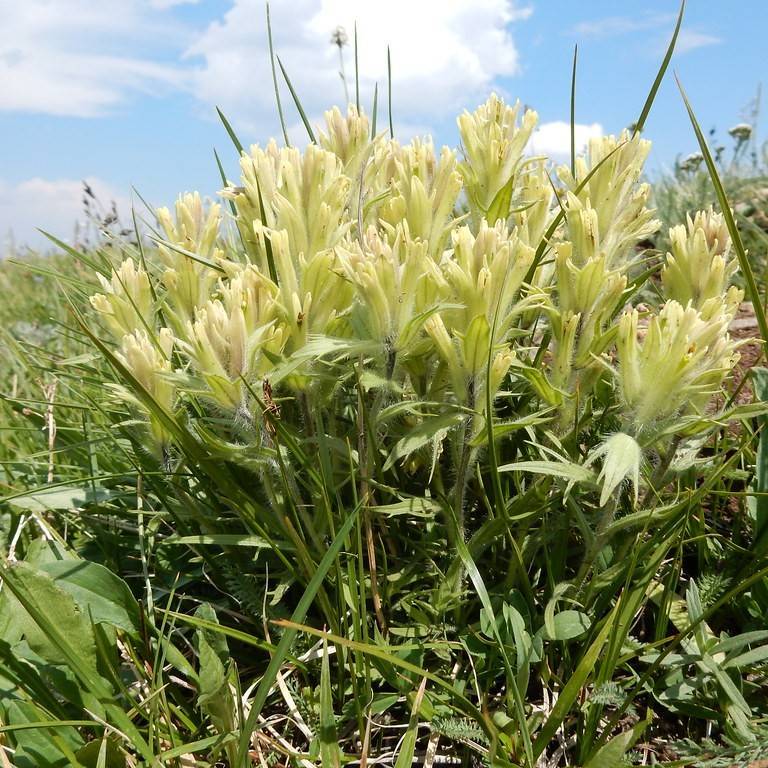
Cusick's Indian Paintbrush
Castilleja cusickii
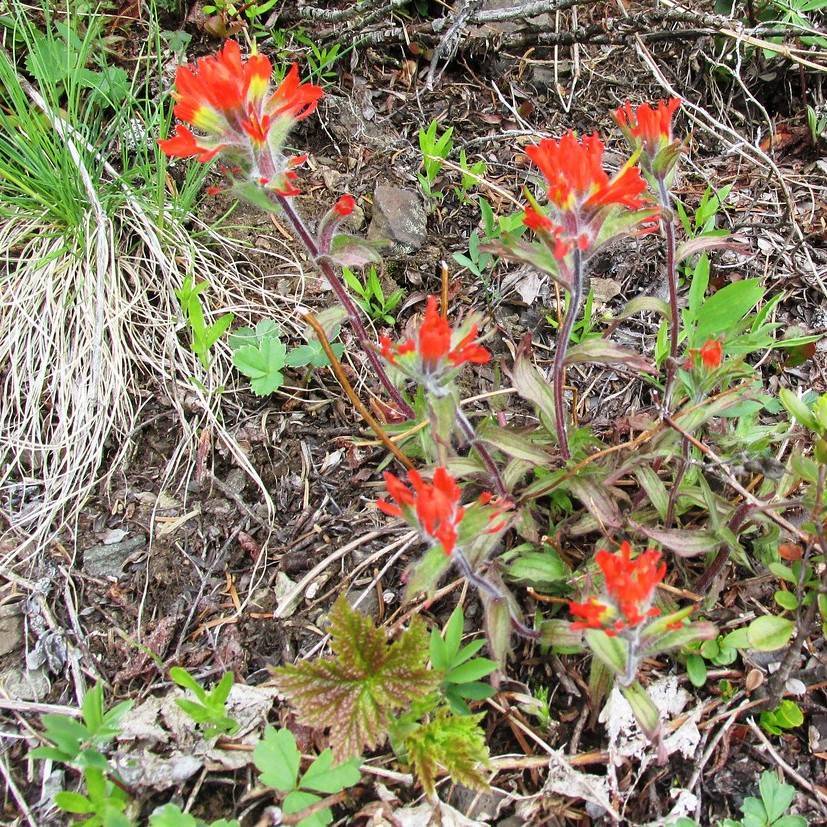
Harsh Paintbrush
Castilleja hispida
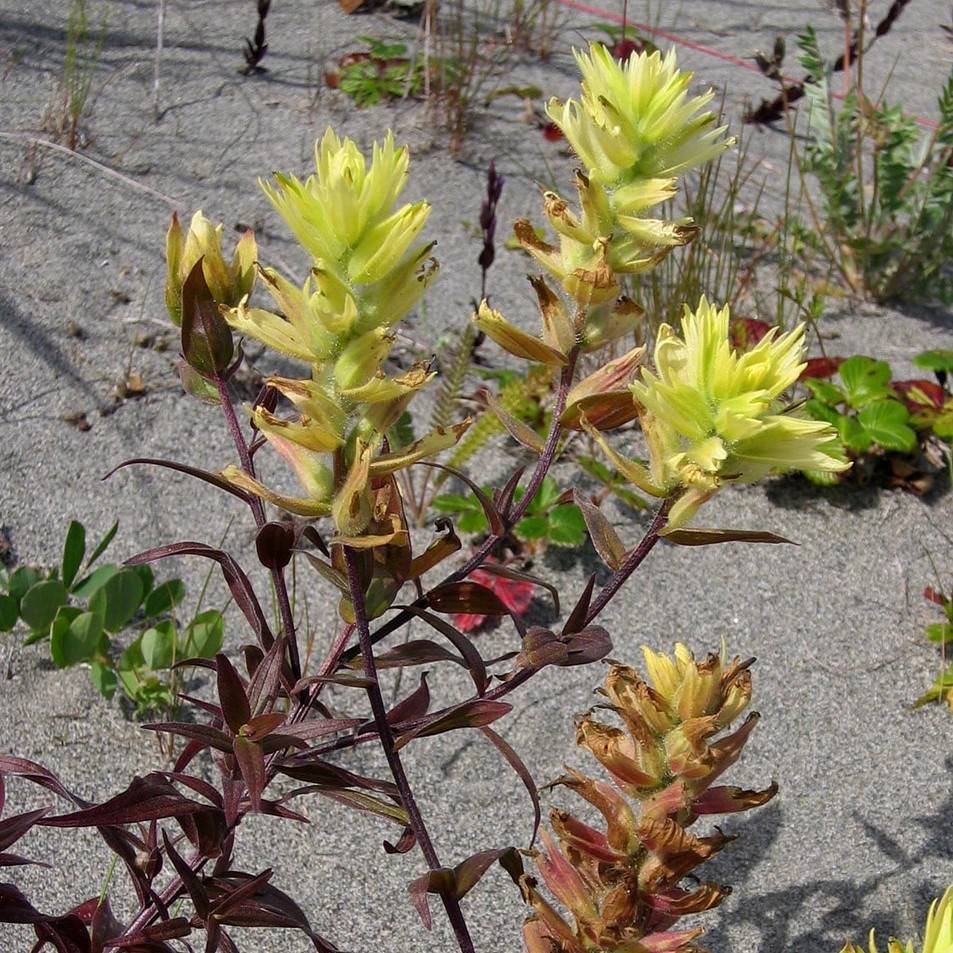
Alaska Indian Paintbrush
Castilleja unalaschcensis
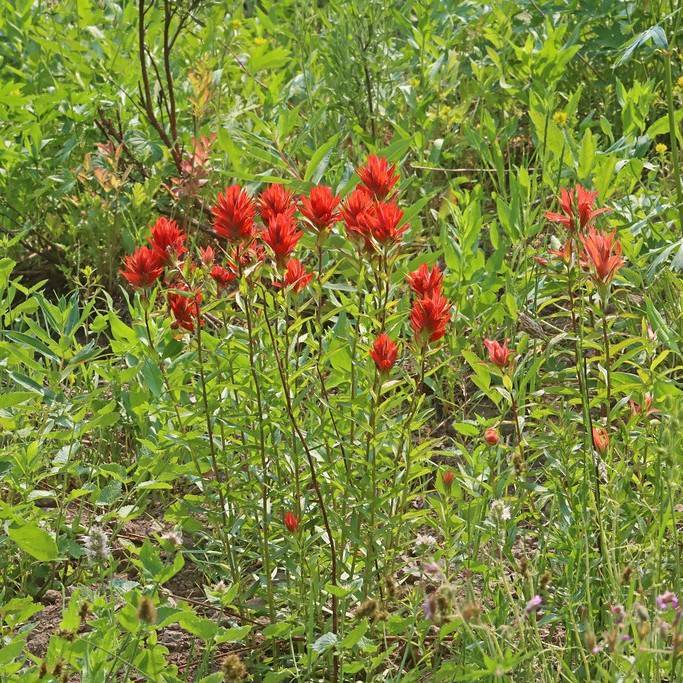
Giant Red Indian Paintbrush
Castilleja miniata
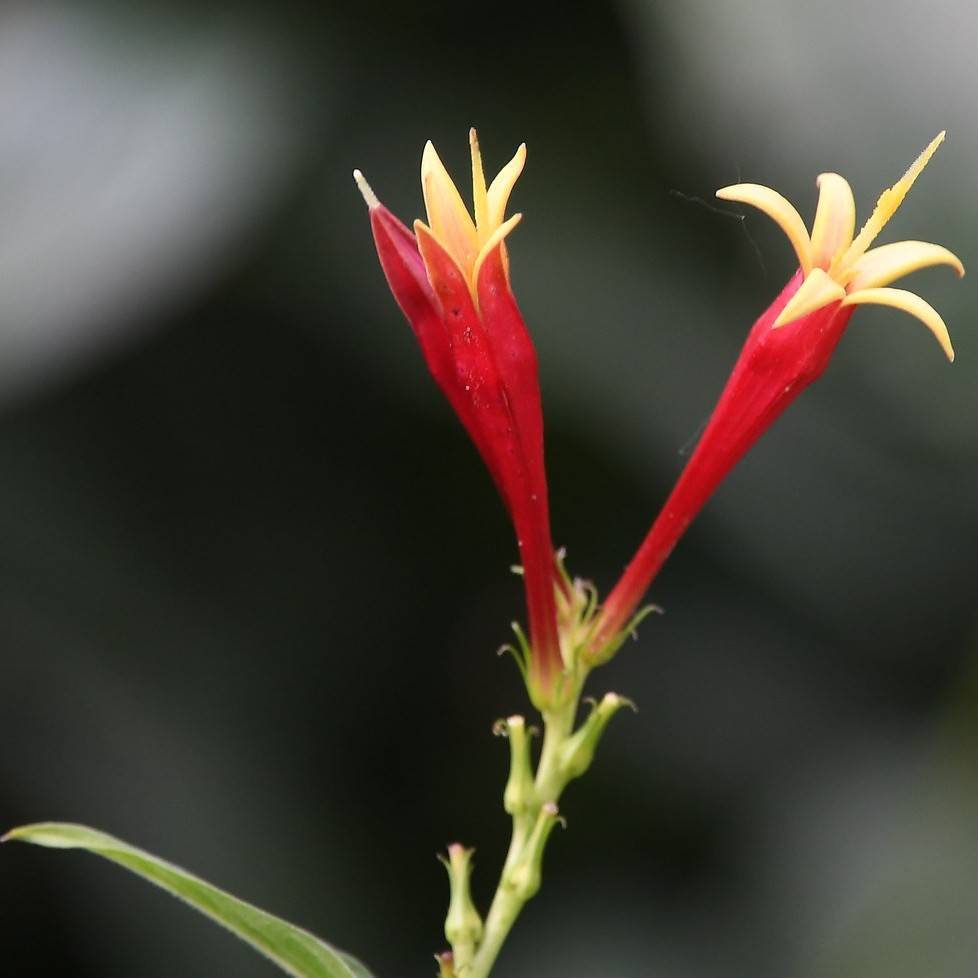
Indian Pink
Spigelia marilandica
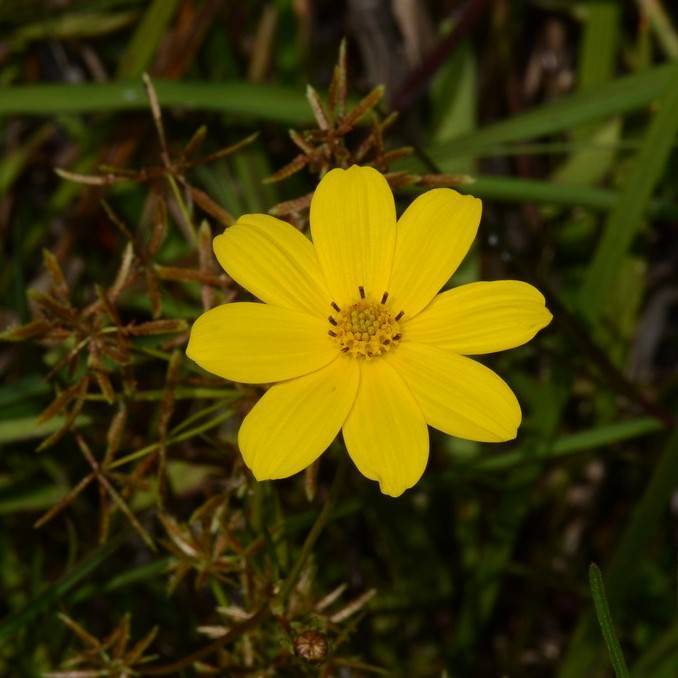
Crowned Beggarticks
Bidens coronata
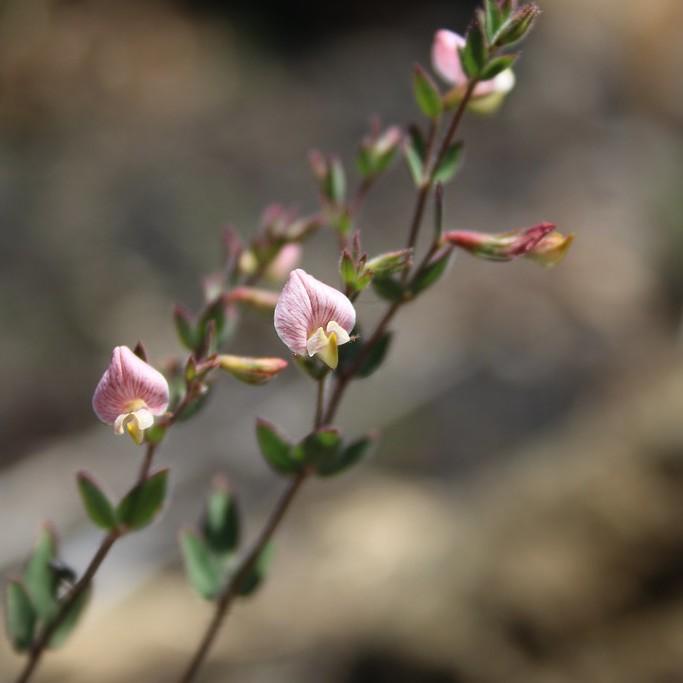
American Bird's Foot Trefoil
Acmispon americanus
Bugloss Fiddleneck
Amsinckia tessellata