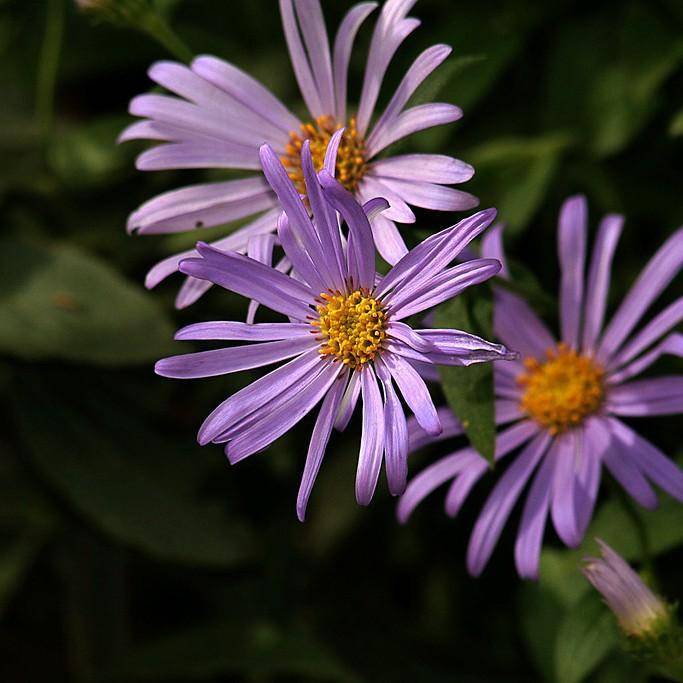
Frikart Aster
Aster × frikartii
Overview
Frikart Aster is a popular herbaceous perennial hybrid created by Swiss breeder Carl Ludwig Frikart by crossing Aster amellus and Aster thomsonii. It is prized for its extended bloom period, sturdy upright habit, and resistance to powdery mildew, a common issue with many other aster varieties. Its cheerful, nectar-rich blooms attract pollinators including bees, butterflies, and hoverflies, making it a staple of pollinator gardens and late-season landscape displays.
Care Guide
Watering
Water Frikart Aster regularly during its first growing season to establish a deep, extensive root system, keeping the soil evenly moist but not waterlogged. Once established, it is moderately drought tolerant, requiring supplemental watering only during prolonged dry spells to support consistent blooming. Avoid overhead watering to reduce leaf moisture and further minimize disease risk.
Light
Plant Frikart Aster in full sun, which means a minimum of 6 hours of direct, unfiltered sunlight per day, to encourage dense, bushy growth and maximum flower production. It can tolerate very light partial shade, but too much shade will cause leggy growth, reduced blooming, and increased susceptibility to foliar diseases.
Soil
Frikart Aster thrives in well-drained, fertile loamy soil with a neutral to slightly alkaline pH between 6.0 and 7.5. It can adapt to average, poorer garden soils as long as drainage is excellent, as soggy soil will quickly cause root rot and kill the plant. Amending heavy clay soils with compost or coarse sand before planting will improve drainage and support healthy growth.
Fertilizer
Apply a balanced, slow-release granular fertilizer with an N-P-K ratio of 10-10-10 in early spring as new growth emerges to support vigorous foliage and bloom development. Avoid over-fertilizing, especially with high-nitrogen formulas, as this will promote excessive leaf growth at the expense of flowers and may lead to weak, floppy stems. A light topdressing of compost in late fall can provide gentle nutrients for the following growing season.
Temperature
Frikart Aster is cold hardy in USDA zones 5 through 9, tolerating winter temperatures as low as -20°F (-29°C) when established. It grows best in average summer temperatures between 60°F and 75°F (15°C and 24°C), and can tolerate short periods of higher heat as long as it receives adequate moisture. Late spring frosts rarely damage new growth, as the plant emerges relatively late in the season.
Pruning
Pinch back the top 1-2 inches of new growth in late spring when plants reach 6-8 inches tall to encourage bushier, more compact growth and increase the number of flower stems. Deadhead spent blooms regularly throughout the flowering season to extend the bloom period and prevent unwanted self-seeding. Cut the entire plant back to 2-3 inches above the soil line in late fall after the first hard frost, or leave the dried stems standing over winter to provide shelter for beneficial insects and bird food from the seed heads.
Propagation
Frikart Aster is a sterile hybrid, so it cannot be grown from seed; the most reliable propagation method is division of mature clumps every 2-3 years in early spring or immediately after flowering finishes in fall. Dig up the entire root clump, use a sharp, clean knife to separate it into sections with at least 3-5 healthy shoots and a portion of the root system each, then replant the divisions at the same depth they were growing previously. Softwood stem cuttings can also be taken in late spring or early summer, rooted in moist potting mix with bottom heat, and transplanted outdoors once they develop a strong root system.
Humidity
Frikart Aster adapts well to average ambient humidity levels between 40% and 60%, which is typical of most temperate garden environments. It tolerates higher humidity better than many other aster varieties thanks to its mildew resistance, but good air circulation around the plants is still recommended to reduce foliar moisture buildup. Very low humidity rarely causes issues for this hardy plant, as long as it receives adequate soil moisture.
Repotting
If growing Frikart Aster in containers, repot every 1-2 years in early spring before new growth emerges, moving to a pot one size larger with fresh, well-drained potting mix amended with compost. Ensure the container has ample drainage holes to prevent waterlogging, which is a common issue for potted asters. When roots begin to grow out of the drainage holes or the plant becomes rootbound, division during repotting will help maintain vigorous growth and blooming.
Uses & Symbolism
Frikart Aster is a staple of perennial borders, cottage gardens, and pollinator gardens, where its long-lasting lavender-blue blooms provide late-season color when many other summer flowers have faded. It makes an excellent cut flower, with sturdy stems and a long vase life of up to two weeks, making it popular for both home arrangements and commercial cut flower production. Its dense, compact habit also makes it suitable for container planting on patios and balconies, where it can bring late-season color to small outdoor spaces.
Diseases & Pests
Frikart Aster is highly resistant to powdery mildew, the most common foliar disease affecting aster varieties, though poor air circulation and overly wet conditions can still lead to occasional cases of rust or leaf spot. Common pests include aphids, spider mites, and aster leafhoppers, which can be controlled with insecticidal soap, neem oil, or by encouraging natural predators such as ladybugs and lacewings. Overly wet or poorly drained soil can lead to root rot, which is best prevented by planting in well-drained soil and avoiding overwatering.
Related plants
Other plants you might like if you grow Frikart Aster.
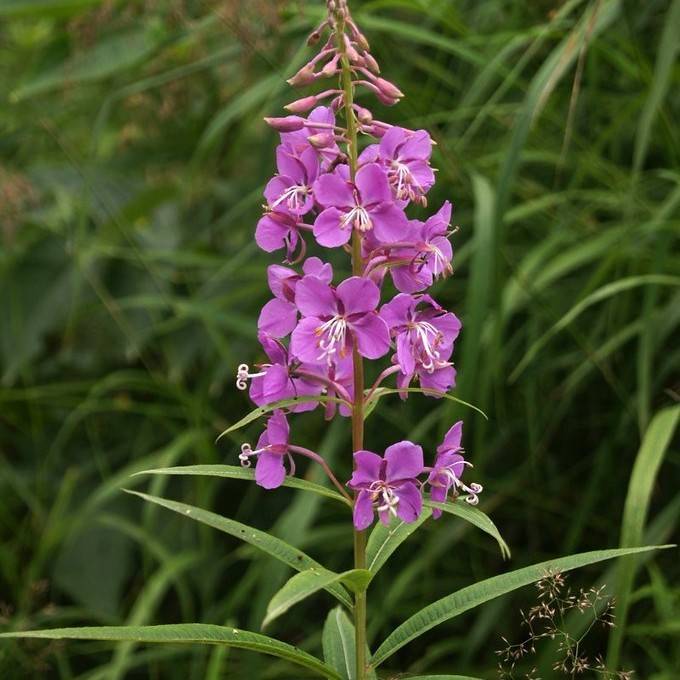
Hybrid Fireweed
Chamerion angustifolium 'Album' or interspecific Chamerion hybrids
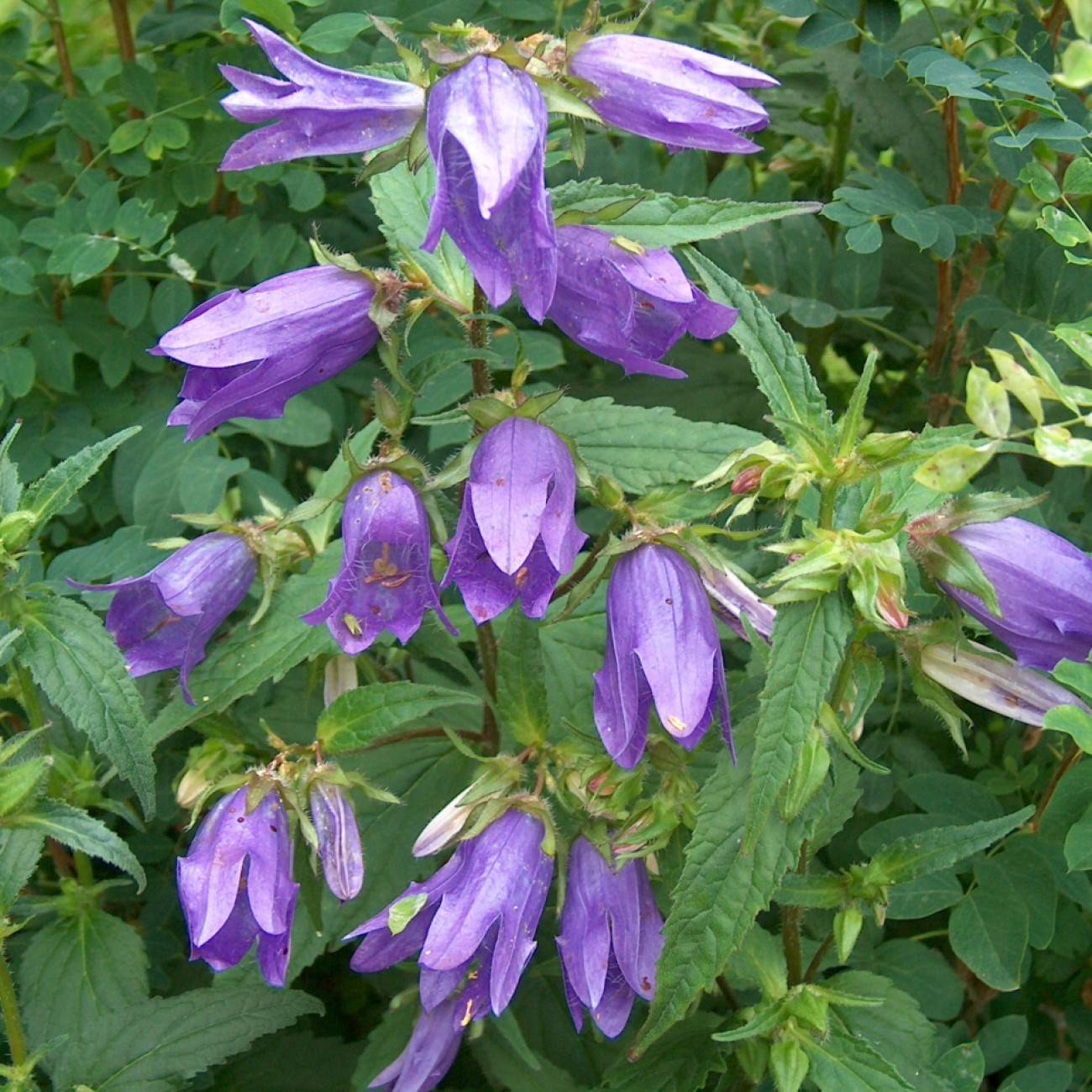
Giant Bellflower
Campanula latifolia 'Gantel E'
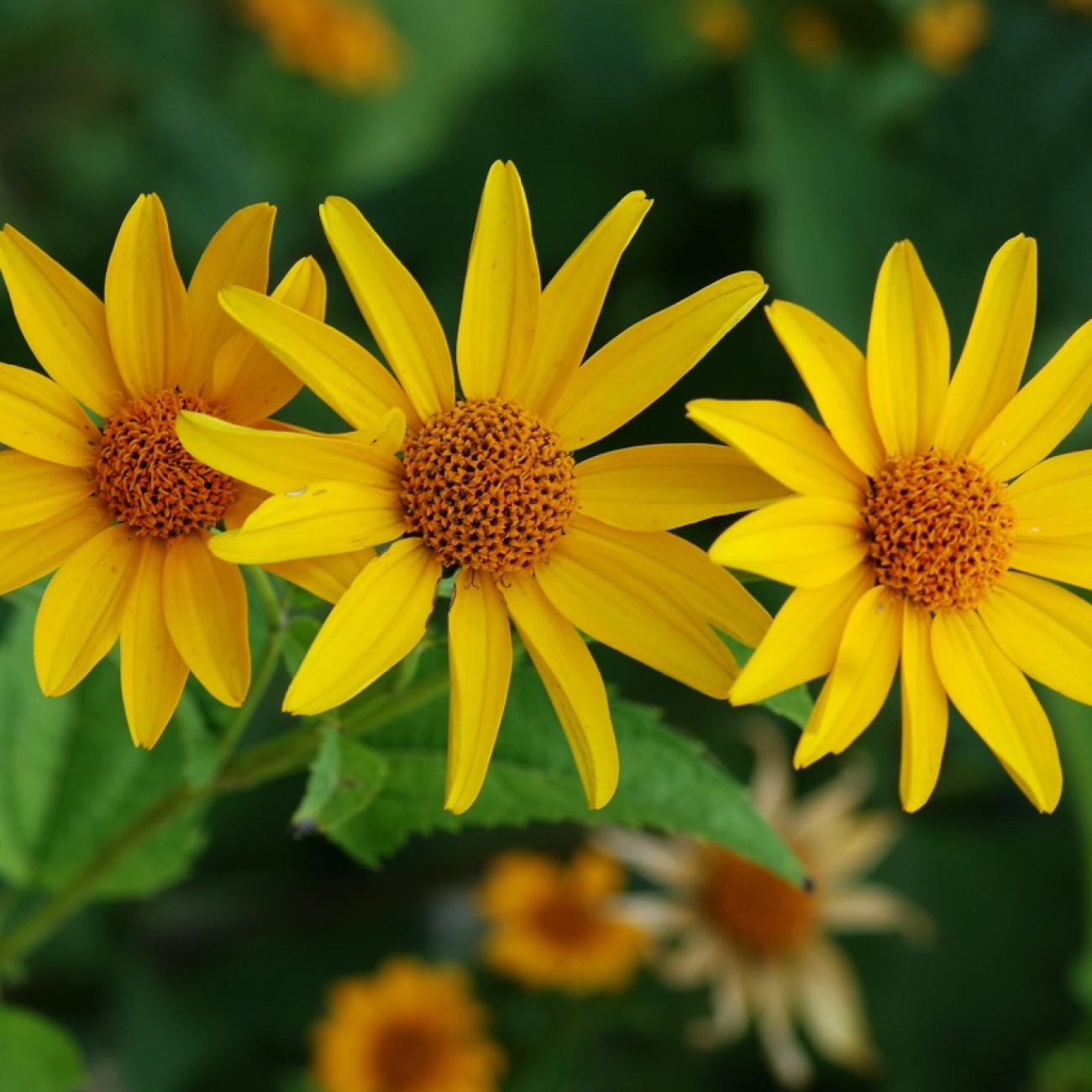
False Sunflower
Heliopsis helianthoides
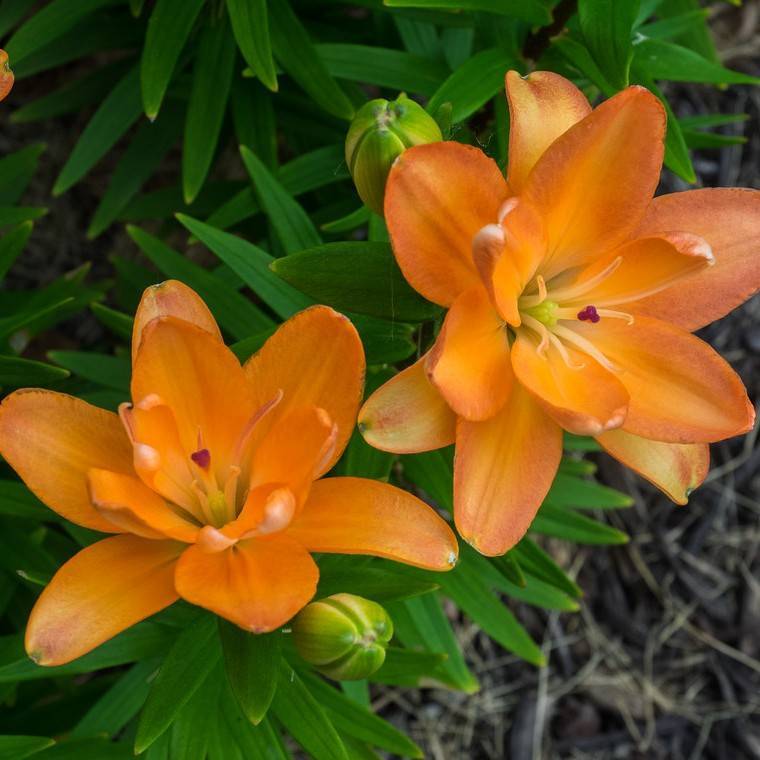
Dwarf Asiatic Lily
Lilium asiaticum 'Dwarf Hybrid'
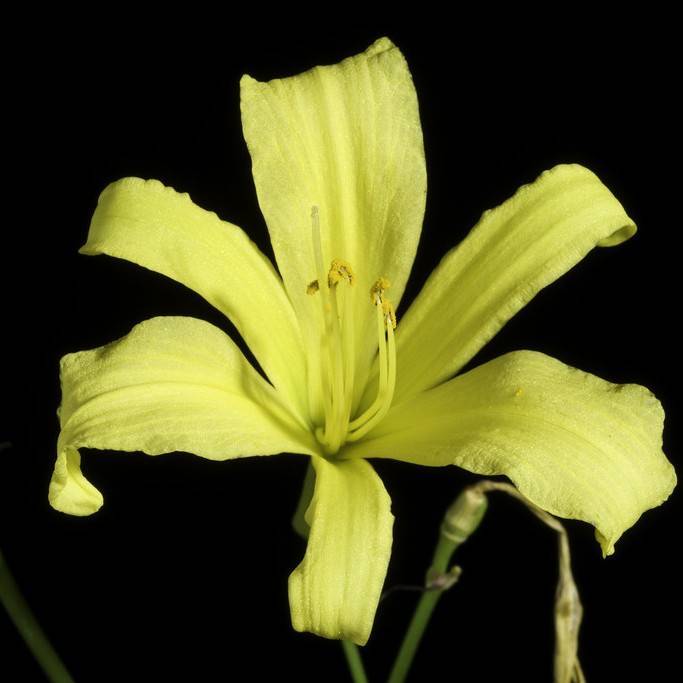
Citron Daylily
Hemerocallis citrina
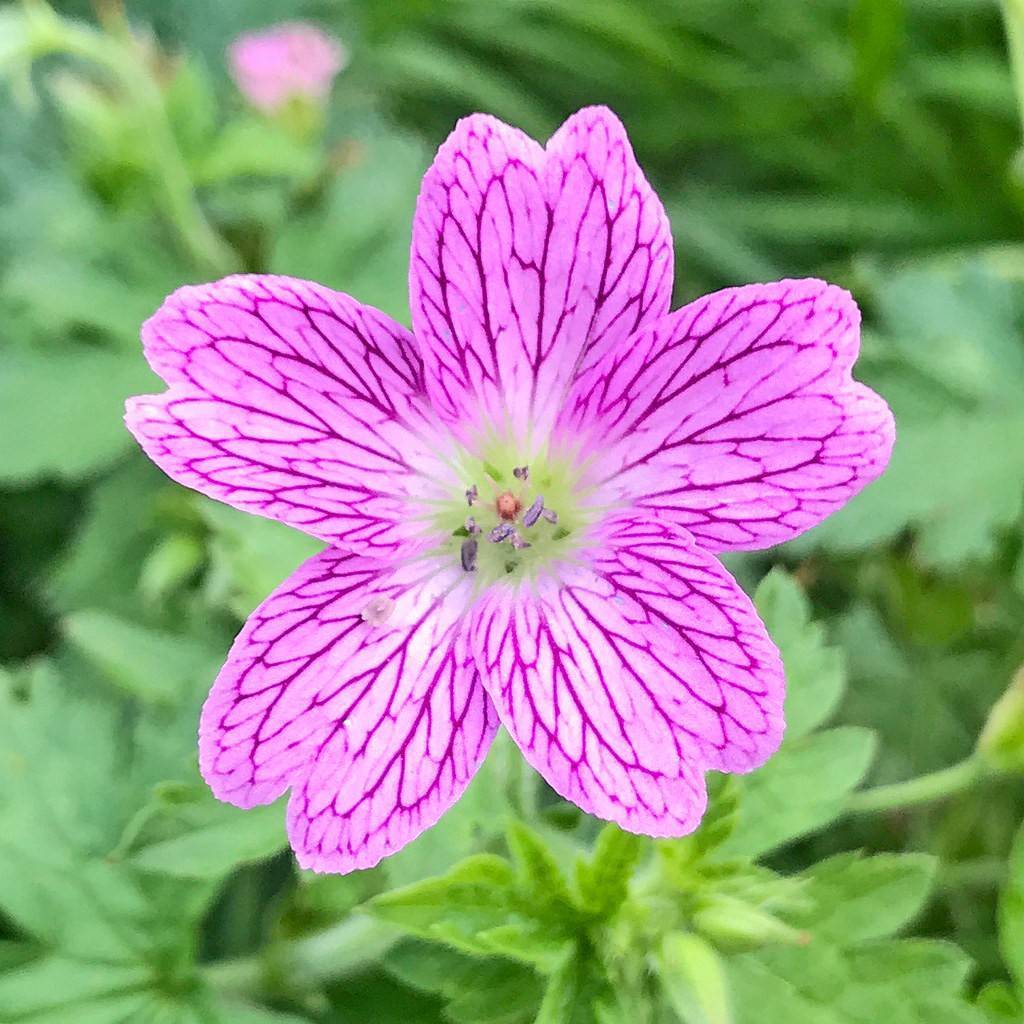
Endres's Cranesbill
Geranium endressii

Kalimeris
Kalimeris indica
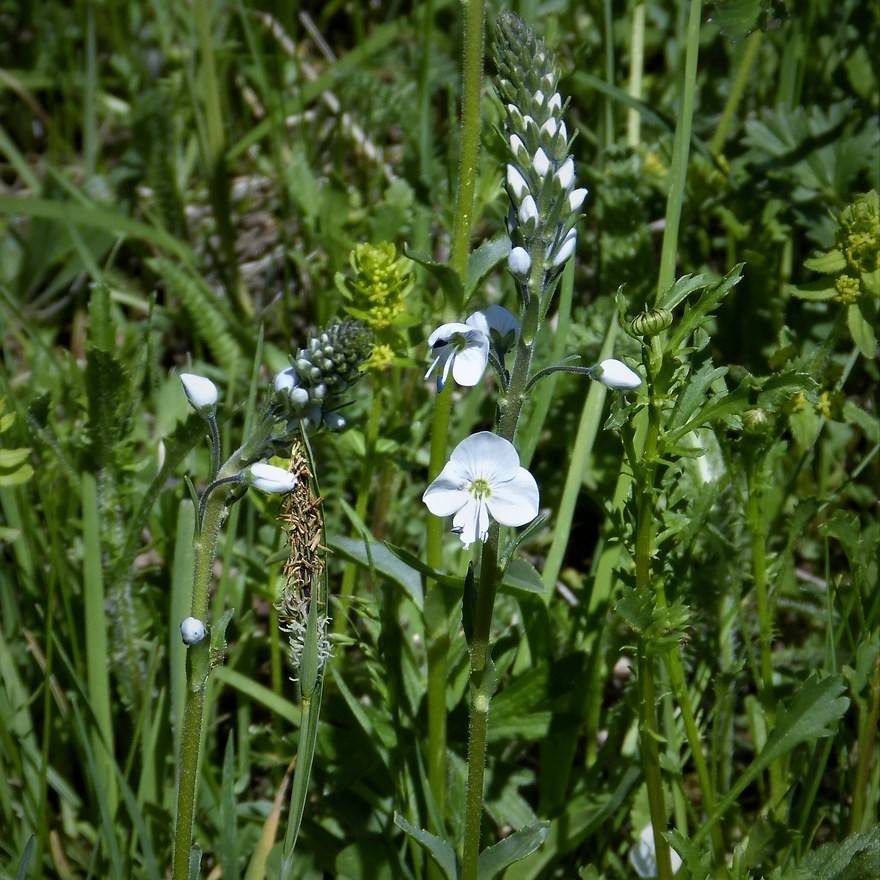
Gentian Speedwell
Veronica gentianoides