Impatiens
Impatiens walleriana
Overview
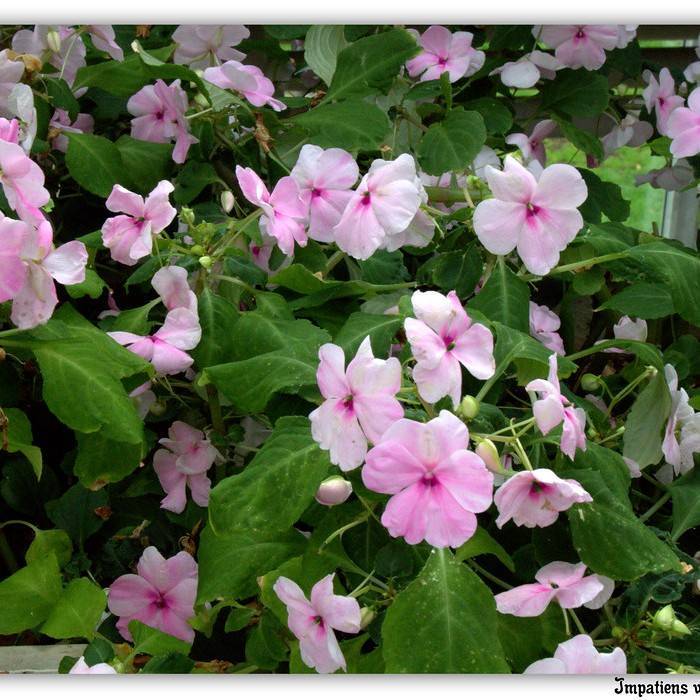
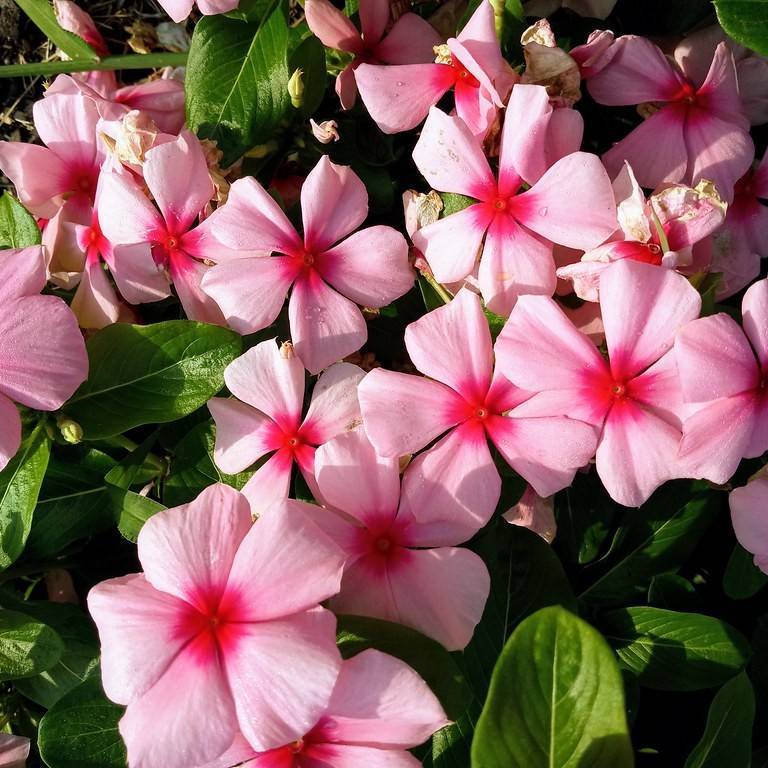
Impatiens, often called busy Lizzie or balsam, is one of the most widely grown bedding plants worldwide, valued for its prolific blooms that span from spring to frost in temperate climates. It grows in low, mounding clumps, producing five-petaled flowers in shades of pink, red, white, purple, salmon, and bicolor combinations. While often grown as an annual in regions with cold winters, it is a tender perennial that can survive year-round in frost-free zones or as an indoor houseplant.
Care Guide
Watering
Impatiens require consistently moist, well-drained soil; avoid letting the root ball dry out completely, as this will cause wilting and flower drop. Water at the base of the plant to keep foliage dry, and reduce watering frequency during the winter months if grown indoors. Overwatering or saturated soil can lead to root rot, so ensure containers have adequate drainage holes.
Light
Impatiens thrive in partial to full shade, making them ideal for areas of the garden that receive less than 4 hours of direct sunlight per day. Dappled sunlight or morning sun with afternoon shade is optimal; prolonged exposure to intense midday sun can scorch leaves and reduce blooming. When grown indoors, place them near a bright east-facing window with filtered light to support consistent flowering.
Soil
Impatiens prefer rich, loamy, well-draining soil with a slightly acidic to neutral pH between 6.0 and 6.5. Amend garden soil with compost or well-rotted manure before planting to improve nutrient content and drainage. For container-grown plants, use a high-quality, peat-free potting mix with added perlite or vermiculite to ensure proper aeration.
Fertilizer
Feed outdoor impatiens every 2 to 3 weeks during the growing season with a balanced, water-soluble fertilizer diluted to half strength to support continuous blooming. Indoor plants require feeding once a month from spring through fall, with no fertilizer applied during the dormant winter period. Avoid overfertilizing, as this can lead to excessive foliage growth at the expense of flowers.
Temperature
Impatiens grow best in temperatures between 60 and 75°F (15 to 24°C), and are highly sensitive to frost, with temperatures below 32°F (0°C) causing immediate tissue damage. Prolonged exposure to temperatures above 85°F (29°C) can reduce blooming and cause wilting, even with adequate moisture. When grown indoors, avoid placing plants near cold drafts, heating vents, or air conditioning units that cause sudden temperature fluctuations.
Pruning
Pinch back the tips of young impatiens plants when they reach 4 to 6 inches tall to encourage bushier growth and more flower stems. Deadhead spent blooms regularly throughout the growing season to promote continuous flowering and prevent the plant from putting energy into seed production. If plants become leggy or overgrown mid-season, cut them back by up to one-third of their height to stimulate fresh, compact growth.
Propagation
Impatiens are most commonly propagated from stem cuttings taken in spring or early summer; snip a 3 to 4 inch non-flowering stem, remove the lower leaves, and place it in water or moist potting mix until roots form in 1 to 2 weeks. They can also be grown from seed sown 8 to 10 weeks before the last expected frost date, as seeds require warm temperatures and light to germinate. Most commercial impatiens cultivars are F1 hybrids, so seeds saved from garden plants may not grow true to the parent plant.
Humidity
Impatiens prefer moderate to high humidity levels between 50 and 70% to support healthy foliage and flowering. In dry indoor environments, increase humidity around plants by placing them on a pebble tray filled with water, or using a small room humidifier during the winter heating season. Avoid misting the foliage directly, as this can increase the risk of fungal diseases.
Repotting
Container-grown impatiens should be repotted annually in spring, before the start of the active growing season, using a slightly larger pot if the plant has become root-bound. Check the root system for signs of rot or overcrowding during repotting, trimming any damaged or mushy roots before placing the plant in fresh potting mix. If grown as an annual outdoors, repotting is not required, as plants are typically discarded after the first frost.
Uses & Symbolism
Impatiens are primarily used as ornamental bedding plants for shade gardens, window boxes, hanging baskets, and container displays, where their vibrant blooms add long-lasting color to low-light areas. In traditional medicine, some Impatiens species have been used topically to treat skin irritations, burns, and insect bites, though medicinal use of common garden Impatiens walleriana is not widespread. They are also planted in pollinator gardens to attract bees, butterflies, and hummingbirds that feed on their nectar-rich flowers.
Diseases & Pests
Impatiens are highly susceptible to impatiens downy mildew, a fungal disease that causes yellowing leaves, white fuzzy growth on leaf undersides, and complete defoliation, leading to widespread plant death in affected areas. Common pests include aphids, spider mites, and whiteflies, which suck sap from foliage, causing stunted growth and leaf yellowing; these can be controlled with insecticidal soap or neem oil applications. Root rot can occur in poorly drained soil or with overwatering, leading to wilting, yellowing leaves, and eventual plant death if not corrected quickly.
Related plants
Other plants you might like if you grow Impatiens.